
Last Updated: November 2, 2026
Quick Summary
The most reliable tips for maintaining a healthy diet in the in the UK are to build meals from the five food groups, hit five-a-day, and swap white carbs for wholegrain. Add one or two portions of oily fish a week, read traffic-light labels, and plan five dinners you already like before shopping.
- Base meals on fruit and vegetables plus starchy carbohydrates, then add a portion of protein.
- Fresh, frozen, tinned and dried fruit and vegetables all count towards five-a-day.
- Aim for one or two portions a week of salmon, mackerel, sardines or trout.
- Plan five dinners you already like and shop once to cut food waste and spend.
- On traffic-light labels, green means low, amber medium and red high per portion.
Table of Contents
- 1. Build Your Plate Around the Five Food Groups
- 2. How to Eat More Fruit and Vegetables Every Day
- 3. Choose Higher-Fibre Carbohydrates and Oily Fish
- 4. Healthy Meal Planning That Actually Sticks
- 5. Healthy Eating on a Budget Without Cutting Flavour
- 6. Reading Food Labels in Practice
- 7. Cut Down on Fat, Salt and Sugar Without Losing Taste
- Start Your Next Shop With a Plan
- Frequently Asked Questions
1. Build Your Plate Around the Five Food Groups
Most people overcomplicate healthy eating. The reliable tips for maintaining a healthy diet in the UK are simpler than the internet makes them look: build meals from the five food groups, then repeat. It holds up whether you're feeding one person or a full table. The groups are fruit and vegetables, starchy carbohydrates, proteins, dairy or dairy alternatives, and small amounts of unsaturated fats (the NHS). Base meals on the first two, add a portion of protein, and treat the rest as supporting cast.
What a Balanced Day Looks Like
A balanced day stacks roughly like this:
- Breakfast: wholegrain toast with eggs and grilled tomatoes
- Lunch: jacket potato with tuna, sweetcorn and salad
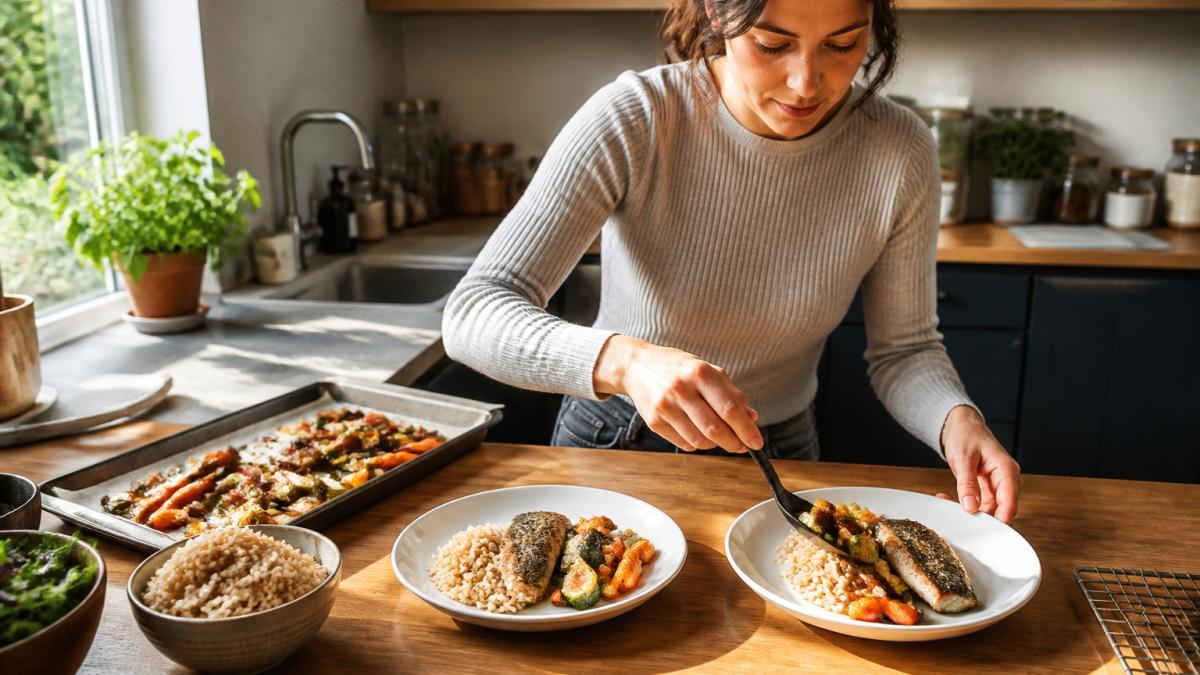
- Dinner: wholegrain rice, roasted vegetables and oily fish
- Snacks: fruit, nuts or plain yoghurt
If you want a concrete model to copy, see what the healthiest meal to eat every day looks like in our UK guide.
2. How to Eat More Fruit and Vegetables Every Day
The five-a-day guideline is the single most useful target in healthy eating, and most people miss it by a wide margin. The fix isn't willpower, it's access: put fruit where you can see it, and prep vegetables before they wilt. Fresh, frozen, tinned and dried all count, so frozen peas and tinned tomatoes are legitimate tools, not compromises. Aim for variety across colours, since different colours carry different vitamins and minerals.
Simple Swaps and Add-Ins
- Grate carrot or courgette into mince dishes
- Add a handful of spinach to pasta in the final minute
- Swap one snack a day for a piece of fruit
- Keep frozen berries for porridge and yoghurt
If vegetables taste flat to you, that's a seasoning problem, not a vegetable problem. Our guide to seasoning chicken breast without salt shows how to build flavour while cutting back.
3. Choose Higher-Fibre Carbohydrates and Oily Fish
Swapping white for wholegrain is one of the highest-return changes in a healthy diet. Choose wholegrain bread, brown rice, wholewheat pasta and potatoes with the skin on.
Oily fish deserves its own line. Aim for one or two portions a week of salmon, mackerel, sardines or trout.
4. Healthy Meal Planning That Actually Sticks
Healthy meal planning fails when it's too ambitious. The version that sticks is boring on purpose: pick five dinners you already like, write the shopping list from them, and shop once. Plan around what's already in your fridge before adding to it, which cuts both food waste and spend. A plan also removes the 6pm decision that usually ends in a takeaway.
A Sample Week of Balanced Meals
| Day | Dinner | Food groups covered |
|---|---|---|
| Monday | Chicken traybake with potatoes and greens | Protein, carbs, veg |
| Tuesday | Wholewheat pasta with tomato and tuna | Carbs, protein, veg |
| Wednesday | Fish with rice and peas | Protein, carbs, fibre |
| Thursday | Lentil and vegetable curry with brown rice | Fibre, veg, carbs |
| Friday | Grilled chicken, couscous and roasted peppers | Protein, carbs, veg |
For the deeper method, our step-by-step guide to balancing macronutrients walks through portioning protein, carbs and fats across a day.
5. Healthy Eating on a Budget Without Cutting Flavour
Healthy eating on a budget is mostly a planning skill, not a shopping skill. Frozen vegetables cost less than fresh and lose nothing nutritionally. Tinned beans, lentils and tomatoes form the backbone of cheap balanced meals. Buy seasonal produce when it's at its best and cheapest, and cook double portions for the freezer.
Flavour is where budget eating usually collapses. Salt, sugar and fat are cheap; good seasoning is the affordable shortcut that keeps healthy food interesting. Our guide to making everyday meals gourmet on a budget covers this in detail.
6. Reading Food Labels in Practice
Reading food labels is the skill that turns healthy eating from guesswork into decisions. Front-of-pack traffic-light labels show fat, saturated fat, sugar and salt per portion: green means low, amber means medium, red means high. Use them to compare two similar products quickly, not to judge a whole diet.
Traffic-Light Labels and Ingredient Lists
A useful rule: choose products with more greens and ambers than reds for everyday items, and save the reds for occasional treats. Then check the ingredients list, which is ordered by weight. If sugar or salt sits near the top, the product is mostly sugar or salt. For official detail, see the NHS guidance on food labels.
7. Cut Down on Fat, Salt and Sugar Without Losing Taste
Cutting down on saturated fat, salt and sugar is the part people dread, because they assume it means bland food. It doesn't. Swap saturated fat for healthy fats like olive oil and nuts. Reduce salt gradually so your palate adjusts. Cut sugar in drinks first, since that's usually the biggest single source.
Seasoning is the workaround. Our guide to adding flavour to bland meals covers flavour-boosting methods that don't rely on fat, salt or sugar. Our Veggie Rockstar Seasoning (£7.95) adds flavour to roasted vegetables with smoked paprika, garlic, herbs and lemon zest.
Watch out: cutting salt too fast makes food taste flat for a week or two, and most people quit at that point. Reduce it in stages instead.
Start Your Next Shop With a Plan
The best tips for maintaining a healthy diet in the in the UK come down to a repeatable system: five food groups, more vegetables, wholegrain carbs, oily fish, and labels you actually read. The hard part is making healthy food taste good enough to keep eating, which is where we come in. Spicy Rye's seasonings are crafted with premium ingredients and range from fiery heat to smoky sweetness. The Cupboard Chef Membership (£3.95 a month) builds recipes from what's already in your kitchen, with heat levels from 1 to 5 and dietary needs chosen by you. Get started with Spicy Rye's and make your next shop the one that sticks.
Frequently Asked Questions
What are the best tips for maintaining a healthy diet?
Base meals on starchy carbohydrates, aiming for wholegrain or higher-fibre versions where you can, and eat at least five portions of fruit and vegetables a day. Include protein such as beans, pulses, fish, eggs and lean meat, and have oily fish once a week. Cut down on foods high in saturated fat, salt and added sugar, and read food labels so you know what you are buying. Plan meals before you shop, keep portions sensible and drink plenty of water. Small, consistent changes beat strict overhauls.
How can I make healthy eating more affordable?
Healthy eating on a budget starts with a shopping list built around a meal plan. Frozen and tinned fruit and vegetables cost less than fresh and last longer, and own-brand wholegrain rice, pasta and oats are usually cheaper than branded versions. Buy seasonal produce, use pulses and beans to stretch meals, and cook extra portions to freeze. A membership like Spicy Rye's Cupboard Chef at £3.95 a month can turn what is already in your fridge into a recipe, cutting the number of top-up shops you make.
How can I eat more fruit and vegetables each day?
Add fruit to breakfast, keep chopped vegetables visible in the fridge, and treat tinned or frozen options as just as valid as fresh. One portion is roughly 80g, so a handful of berries, a small bowl of peas or a banana all count. Blend vegetables into sauces, grate carrot or courgette into mince dishes, and snack on veg sticks with hummus. Seasonings like Spicy Rye's Veggie Rockstar Seasoning (£7.95) can add flavour to roasted vegetables.
How do I read food labels to make healthier choices?
Start with the traffic-light labels on the front of the pack: green means low, amber means medium and red means high for fat, saturated fat, sugars and salt. Compare per 100g figures between products rather than per serving, since serving sizes vary. Check the ingredients list, which is ordered by weight, so anything listed first makes up the largest share. Watch for added sugar under names like syrup, honey or fruit concentrate, and check the salt figure, aiming for no more than 6g a day in total.
Are sauces and seasonings compatible with a healthy diet?
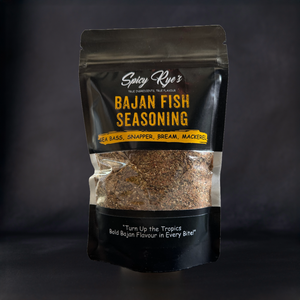
They can be, and they often help. A healthy diet is about variety and balance, not bland food, and well-seasoned vegetables and fish are easier to eat regularly. Check the label for salt and sugar per 100g and use seasonings to replace salt rather than add to it. Spicy Rye's blends list their ingredients clearly, and their Bajan Fish Seasoning (£7.95) works on mackerel, a cheap oily fish that counts towards your weekly target.
The challenge isn't knowing what to eat, it's making it taste good enough to repeat. Spicy Rye's exists for that gap: premium seasoning blends, chilli vinegars and sauces that carry flavour without the salt and sugar. Try the Veggie Rockstar Seasoning on your next tray of roasted vegetables, or let the Cupboard Chef Membership plan the week from what's already in your cupboard.