
Last Updated: October 27, 2026
Quick Summary
To balance macronutrients in daily meals, fill each plate with about a quarter lean protein, a quarter whole grains or starchy vegetables, the rest non-starchy vegetables, and a thumb-sized portion of healthy fat. Plan protein first, then build carbohydrates and fats around it.
- Protein, carbohydrates and fats each serve a distinct role in the body, so all three belong in every day.
- Each gram of protein and carbohydrate provides about 4 calories, while each gram of fat provides about 9 calories.
- General health ratios commonly fall at 20-30% protein, 45-55% carbohydrates and 25-35% fats.
- Use the day total as a checkpoint, and adjust one portion if you are consistently 100-200 calories off target.
- Macro tracking is not appropriate for everyone, and people with a history of disordered eating should use the plate method instead.
Table of Contents
- What Macronutrients Are and Why They Matter
- Step 1: Estimate Your Daily Calorie and Macro Needs
- Step 2: Set a Macronutrient Ratio That Fits Your Goal
- Step 3: Build Each Meal With a Balanced Plate
- Step 4: Choose Nutrient-Dense Protein, Carbs and Fats
- Step 5: Add High-Protein Meal Ideas to Your Week
- Worked Example: Balancing Macros Across One Full Day
- Adapting Your Macros, Avoiding Pitfalls and Starting Your Next Meal
- Frequently Asked Questions
What Macronutrients Are and Why They Matter
Macronutrients are the three nutrients your body needs in large amounts: protein, carbohydrates and fats. This guide walks you through how to balance them in everyday meals.
Protein builds and repairs muscle and keeps you full. Carbohydrates are your main source of energy. Fats support hormones, help you absorb certain vitamins and add flavour and texture to food.
Most people do not need to count every gram to eat well. But a simple structure for each meal makes it far easier to eat consistently. Once you see how the three work together, learning to balance macronutrients on a plate becomes a habit rather than a chore.
Step 1: Estimate Your Daily Calorie and Macro Needs
Start with a rough estimate. Your needs depend on your age, body size, activity level and goals, so there is no single correct number for everyone.
A common approach is to estimate your daily calories first, then split them across the three macros. Your target will shift if you are building muscle, losing weight or simply maintaining.
- Note your typical activity level: sedentary, moderately active or very active
- Decide whether your goal is maintenance, fat loss or muscle gain
- Use a free online calculator as a starting point, then adjust over two to three weeks
Calculating Your Macros Step by Step
Once you know your calorie target, you can work out grams of each macro. Each gram of protein and carbohydrate provides about 4 calories, and each gram of fat provides about 9 calories (the NHS).
- Choose your daily calorie target
- Pick a percentage for protein, carbs and fats (they must add up to 100%)
- Multiply calories by each percentage to get calories per macro
- Divide protein and carb calories by 4, and fat calories by 9, to get grams
Watch out: Do not cut any macro too far to hit a number quickly. Very low fat or very low carb intake can leave meals feeling unsatisfying and hard to keep up.
Step 2: Set a Macronutrient Ratio That Fits Your Goal
A ratio is simply the split between your three macros. Many people start with a moderate split, then change it based on how they feel and what they are trying to achieve.
A common approach looks like this:
| Goal | Protein | Carbohydrates | Fats |
|---|---|---|---|
| General health | 20-30% | 45-55% | 25-35% |
| Muscle gain | 25-35% | 40-50% | 20-30% |
| Fat loss | 30-40% | 30-40% | 25-35% |
These ranges are a starting point, not a prescription. Teams that adjust gradually tend to stick with their plan longer than those who switch overnight.
Step 3: Build Each Meal With a Balanced Plate
Think in plates, not grams. A simple visual guide makes it possible to balance macronutrients even without a food scale.
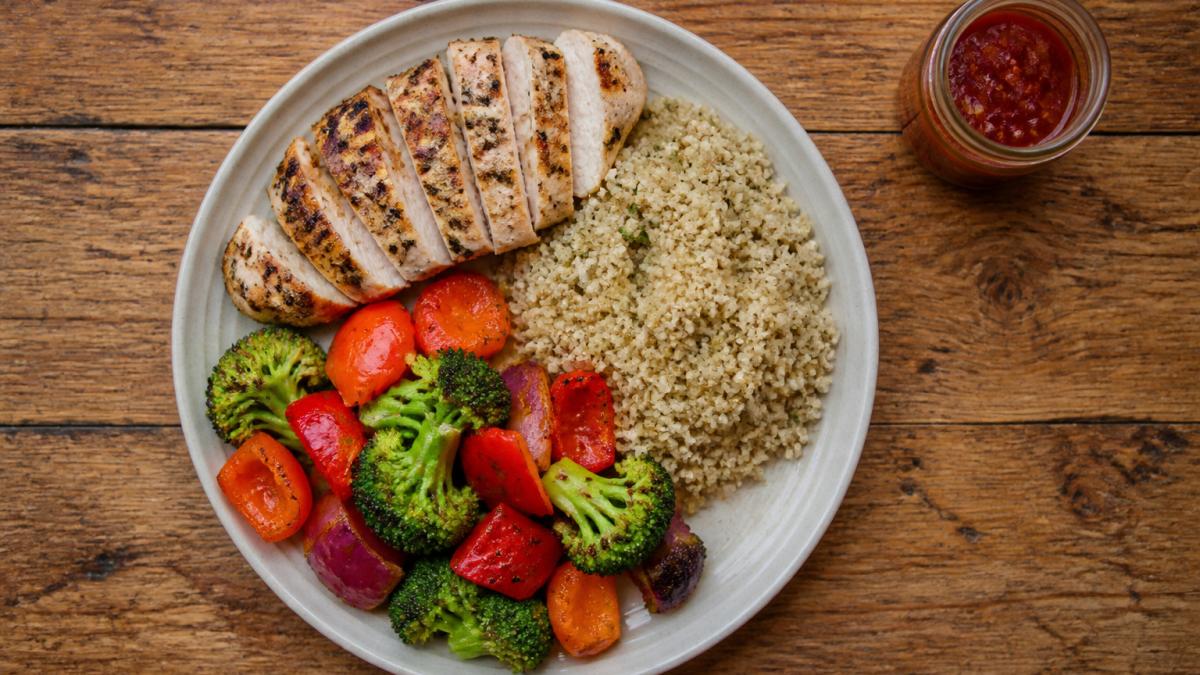
- Fill about a quarter of the plate with lean protein
- Fill about a quarter with whole grains or starchy vegetables
- Fill the rest with non-starchy vegetables
- Add a thumb-sized portion of healthy fat
Flavour matters too. Adding a bold condiment, such as a chilli sauce or a tangy vinegar, can turn plain chicken and vegetables into a meal you actually want to eat. You can find budget-friendly ways to make everyday meals gourmet with simple ingredients. A little goes a long way.
Step 4: Choose Nutrient-Dense Protein, Carbs and Fats
Quality matters as much as quantity. Pick whole foods where you can and limit heavily processed options.
Protein sources: lean meat, fish, eggs, Greek yoghurt, tofu, beans and lentils Carbohydrate sources: oats, brown rice, quinoa, wholegrain bread, potatoes and fruit Healthy fat sources: olive oil, avocado, nuts, seeds and oily fish
Keeping sauces and seasonings simple helps too. Look for short ingredient lists with no unnecessary additives. Our range is made with premium ingredients and offers flavour profiles from fiery heat to smoky sweetness.
Step 5: Add High-Protein Meal Ideas to Your Week
Protein is often the hardest macro to get right, so plan a few reliable options.
- Breakfast: scrambled eggs with spinach and wholegrain toast
- Lunch: chickpea salad bowl with feta and a spoon of chilli-lime dressing
- Dinner: salmon traybake with roasted vegetables and brown rice
- Snack: Greek yoghurt with nuts and berries
Batch cooking a protein source on Sunday, such as chicken thighs or lentils, makes weekday meals much faster to assemble.
Worked Example: Balancing Macros Across One Full Day
A worked example is the fastest way to see how the numbers behave in real meals. Say your target is about 2,000 calories split 30% protein, 40% carbohydrates and 30% fat. That works out to roughly 150g protein, 200g carbohydrates and 67g fat. The table below shows how those totals can be distributed across four eating occasions, using approximate portions and standard calorie values of 4 calories per gram for protein and carbohydrates and 9 calories per gram for fat.
| Meal | Main components and approximate portions | Protein (g) | Carbs (g) | Fat (g) | Calories |
|---|---|---|---|---|---|
| Breakfast | 60g rolled oats with 200ml semi-skimmed milk, 1 medium banana, 1 tbsp peanut butter | 18 | 55 | 14 | 418 |
| Lunch | 120g cooked chicken breast in a wholemeal wrap with mixed salad and 2 tbsp hummus | 40 | 45 | 12 | 448 |
| Snack | 150g Greek yoghurt with 80g berries and 1 tbsp mixed seeds | 17 | 18 | 9 | 221 |
| Dinner | 140g salmon fillet, 200g sweet potato, 150g green beans, 1 tbsp olive oil | 38 | 55 | 22 | 570 |
| Day total | , | 113 | 173 | 57 | 1,657 |
Notice that the day total sits below the 2,000-calorie target. That is normal: portions are approximate, and the gap is the space you fill with an extra snack, a larger portion at dinner or a drink. The point is not to hit the number exactly but to see the shape of the day. Protein is spread across all four meals rather than piled into one. Carbohydrates cluster around breakfast and dinner, and fat comes mostly from whole-food sources.
If you want to close the gap toward 2,000 calories, add a second snack such as an apple with 20g almonds (about 2g protein, 15g carbs, 11g fat, 170 calories) and increase the dinner sweet potato to 300g. That brings the day to roughly 1,900 calories without changing the structure.
A common pattern is to plan the protein anchor first, the chicken, salmon, yoghurt or lentils, then build carbohydrates and fats around it. That single habit makes the rest of the day fall into place far more easily than starting from a calorie number and working backwards.
Adapting Your Macros, Avoiding Pitfalls and Starting Your Next Meal
Tracking macros is useful, but it has limits. Many people find that logging every bite becomes tiring and hard to sustain. Use it as a learning tool for a few weeks, then rely more on the plate method. Treat any ratio as a starting point rather than a rule.
Common pitfalls to avoid:
- Chasing exact numbers to the gram instead of focusing on consistency across the week
- Forgetting sauces, dressings, oils and drinks, which can add several hundred calories a day without appearing on the plate
- Cutting out an entire food group without a clear reason, which makes it harder to meet vitamin and mineral needs
- Changing your plan every week before you have seen how your body responds
- Relying on label figures as exact:
Dietary restrictions are easy to work around with a few swaps. Vegans can use tofu, tempeh, lentils, chickpeas and fortified soy milk for protein, and should pay attention to vitamin B12, iron and omega-3 sources (Guidance on following a Vegan diet with young children). Those avoiding dairy can choose fortified plant yoghurts and calcium-set tofu. Gluten-free eaters can swap wholemeal wraps for gluten-free alternatives and use rice, quinoa and potatoes as carbohydrate bases. Budget-conscious shoppers can lean on eggs, tinned fish, beans, lentils, oats and frozen vegetables, which are among the most cost-effective sources of protein and fibre.
Personalisation matters more than any single ratio. Activity level, age, health conditions and goals all shift the balance. Someone training for a half-marathon will typically need more carbohydrate than someone who is mostly sedentary, while an older adult may benefit from a higher protein proportion to support muscle maintenance. A common pattern is to set protein first, then divide the remaining calories between carbohydrates and fats according to preference and training load.
When to seek professional advice: if you have diabetes, kidney disease, a history of disordered eating, are pregnant or breastfeeding, or are managing a medical condition that affects diet, speak to a registered dietitian or your GP before setting targets.
Pick one meal this week and build it using the plate method. Add a bold sauce for flavour. Shop now and make your next dinner the one that tastes best.
Frequently Asked Questions
What are the four main macronutrients?
The three main macronutrients are protein, carbohydrates and fats. Alcohol is sometimes counted as a fourth because it provides energy, but it has no essential nutritional role. Protein and carbohydrates each provide about 4 kcal per gram, while fat provides about 9 kcal per gram. Knowing these values helps you convert a calorie target into grams of each macro, which is the basis for balancing meals across the day.
How can I create a balanced meal?
Start with a palm-sized portion of lean protein, fill half the plate with vegetables or salad, add a fist-sized portion of wholegrain carbohydrates, and finish with a thumb-sized portion of healthy fat such as olive oil or avocado. Flavour from a sauce or seasoning, such as a chilli-based condiment, can add flavour to the meal. Adjust portion sizes to your daily targets.
How do I balance macros without counting calories?
You can use the plate method and portion guides instead of weighing food. Use your hand as a rough measuring tool: a palm for protein, a fist for carbohydrates, a cupped hand for vegetables and a thumb for fats. Over several weeks, watch whether your energy, hunger and body measurements change, and adjust the portions. This approach is less precise than tracking grams.
Should every meal have the same macronutrient ratio?
Not necessarily. Many people aim for a roughly consistent pattern across meals, with protein at each main meal, but the exact ratio can vary with activity, appetite and preference. Matching your daily totals matters more than hitting identical ratios at every sitting.
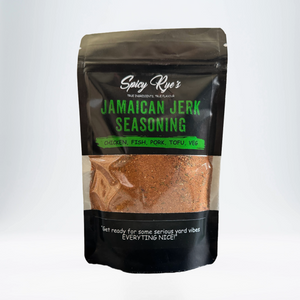
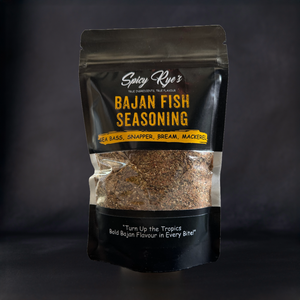
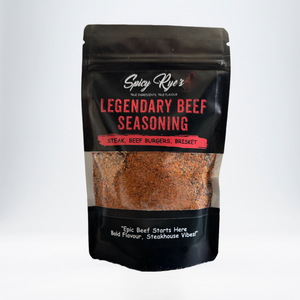
Spicy Rye's sauces and seasonings are designed to add bold flavour to your everyday meals, from fiery heat to smoky sweetness.