
Table of Contents
- Shelf Life of Artisanal Hot Sauce After Opening
- How Long Does Bottled Hot Sauce Last After Opening
- Does Hot Sauce Need to Be Refrigerated After Opening
- How to Tell If Hot Sauce Has Gone Bad
- How to Store Homemade Hot Sauce
- Best-By Dates Versus Food Safety
- Frequently Asked Questions
Last Updated: October 18, 2026
Shelf Life of Artisanal Hot Sauce After Opening
Artisanal hot sauce opened typically lasts 3 to 6 months when stored correctly, though many premium sauces stay safe and flavourful far longer. The timeline depends on three factors: acidity, fermentation, and storage.
At Spicy Rye's, we craft sauces designed to maintain their character over time. Understanding what happens to your opened bottle protects both food safety and the flavour investment you've made.
Artisanal sauces differ fundamentally from mass-produced versions. Commercial sauces often use preservatives; artisanal varieties rely on vinegar, salt, fermentation and the acidity of peppers. Your opened bottle's longevity therefore depends heavily on its recipe.

How Long Does Bottled Hot Sauce Last After Opening
Most opened hot sauce bottles stay fresh 3 to 6 months in the refrigerator. Acidic or fermented recipes can last a year or more; sauces with fresh ingredients and little preservation may decline within 2 to 3 weeks.
The range reflects real variation in artisanal production. One maker might ferment for months before bottling; another relies on vinegar and salt; a third uses fresh ingredients with minimal acid, which shortens the window significantly.
Vinegar and Acidity: The Key Preservation Factor
Vinegar is your sauce's primary preservative. High-acid environments (low pH) inhibit bacterial and mould growth, so the acidity fights back when opening exposes the sauce to air and contamination.
Sauces with vinegar as a main ingredient typically last 6 months or more. Check the ingredients list: vinegar near the top means strong preservation power; lower or absent means a considerably shorter shelf life.
Highly acidic sauces (pH below 3.5) create an environment where spoilage organisms struggle to survive. Less acidic varieties depend more heavily on refrigeration and careful handling.
Fermented Versus Non-Fermented Sauces
Fermented hot sauces benefit from active preservation at the microbial level. Fermentation produces lactic acid, which preserves the sauce and develops complex flavours, creating a hostile environment for spoilage organisms that often outlasts non-fermented versions.
Non-fermented sauces depend entirely on acid content, salt and storage conditions. They're not inferior, but they need more care after opening: one with minimal vinegar might last only 2 to 3 weeks, whilst a fermented variety might last a year.
Check the label or contact the maker to identify your type. Many artisanal producers state fermentation on their packaging because it signals both flavour depth and natural preservation.
Does Hot Sauce Need to Be Refrigerated After Opening
Yes, refrigeration is the single most effective thing you can do after an artisanal hot sauce opened. Cold slows the reactions that dull flavour and colour and suppresses yeasts, moulds and bacteria that acidity alone does not fully stop.
Follow any storage instruction printed on the label. Where the label is silent or ambiguous, the table below gives realistic working ranges for opened bottles. These are quality-led estimates, not guarantees, and assume clean handling (a clean spoon or a pour, never a dipped finger or a used utensil).
| Sauce style | In the fridge after opening | At room temperature after opening |
|---|---|---|
| Vinegar-forward, high-acid (vinegar high on the ingredient list, pH roughly below 3.5) | 6 to 12 months, often longer | 4 to 8 weeks with careful handling |
| Fermented (lactic-acid fermented peppers, no fresh herbs or fruit) | 6 to 12 months | 3 to 6 weeks |
| Fruit-based or fresh-ingredient sauces (mango, tomato, fresh garlic, herbs) | 1 to 3 months | A few days to 2 weeks at most |
| Low-acid, oil-based or fresh-herb sauces | 2 to 4 weeks | Not recommended beyond a day or two |
Three practical points sit behind those ranges. The fridge does not sterilise a sauce, only slows change: a fruit-based sauce kept cold will still darken and lose its bright top notes within weeks, even though it remains safe. The clock starts the moment you open the bottle, regardless of the best-by date.
Pantry Storage Versus Refrigerator Storage
Pantry storage is fine for unopened bottles, provided the space is cool, dark and dry. Heat and direct sunlight degrade an unopened sauce faster than a cupboard will. Once opened, pantry storage becomes a calculated risk: a few weeks on the shelf is usually tolerable for a vinegar-forward or well-fermented sauce, but fruit-based or fresh-herb sauces can show visible mould or gas within days in warm weather.
Refrigerator storage is the default for opened bottles of every style. It buys the upper end of the ranges above and protects flavour: the volatile compounds that give a good artisanal sauce its aroma are the first things to go at room temperature.
The practical rule: refrigerate after opening unless the maker's label explicitly says otherwise. If you keep it on the counter for convenience, treat that as short-term and discard at the first sign of change.
How to Tell If Hot Sauce Has Gone Bad
Opened hot sauce can decline in two ways. Quality decline is the gradual loss of colour, aroma and brightness that happens to almost every sauce over months. Spoilage is the growth of unwanted microorganisms or contamination that makes the sauce unsafe. Confusing the two leads either to throwing away good sauce or to using a bottle that has actually gone off.
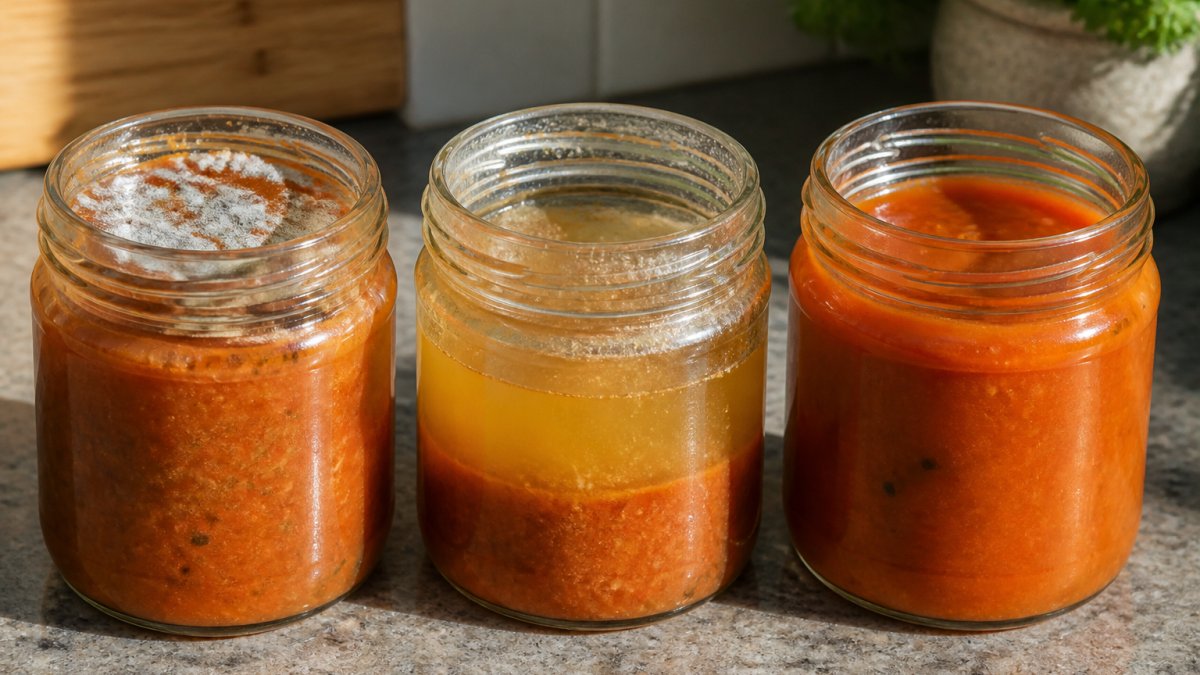
Spoilage Signs and What They Mean
Work through this checklist before using an opened bottle that has been sitting for a while.
Mould. Any visible mould, whether white, green, blue or black, on the surface, around the neck or under the cap, means the sauce is contaminated.
Off odour. A fermented sauce should smell tangy and savoury. It should not smell rotten, putrid, yeasty in a bread-like way, or sharply chemical. If the smell makes you recoil, trust that reaction.
Unusual texture or leakage. Sliminess, a thickened or ropey texture, or sticky residue around the cap and neck are all warning signs. Leakage suggests the seal has failed and air or contaminants have entered.
Colour and separation. Gradual fading or darkening is normal quality decline, and separation is normal in many artisanal sauces, usually resolving with a shake.
Taste. If the look and smell are fine but you are unsure, taste a small amount on a clean spoon and spit it out.
Food Safety Versus Quality: What Actually Matters
Acidity is a strong preservative but not a guarantee of safety. A sauce can suppress most bacteria and still support acid-tolerant yeasts and moulds once opened and exposed to air, moisture and kitchen contaminants. That is why mould or gas overrides everything else: it is direct evidence the preservation system has failed, whatever the pH or ingredient list suggests.
Equally, a sauce can be perfectly safe and past its best. Oxidation dulls colour and aroma long before any microorganism becomes a concern. If it looks and smells normal but tastes flat, that is a quality problem, not a safety problem.
When in doubt, discard. The cost of a bottle is trivial next to the cost of a foodborne illness. If you cannot account for how long it has been open, how it has been stored, or whether clean utensils were used, treat it as suspect.
How to Store Homemade Hot Sauce
Homemade sauces require more careful handling than commercial versions because they often lack commercial preservative power. You control the ingredients, so you also control the preservation strategy.
Start with cleanliness. Use sterilised jars and clean equipment before bottling; contamination at the start dramatically shortens shelf life.
Vinegar is your friend in homemade sauce: include it as a primary ingredient if you want your creation to last. Salt also helps by drawing moisture from ingredients and creating an inhospitable environment for spoilage organisms.
Consider fermentation for long-term storage without refrigeration. Fermented homemade sauces develop complex flavours whilst building natural preservation, paying dividends in both taste and shelf life.
Handling Practices That Extend Quality
Use clean utensils every time. Never dip a used spoon directly into your opened sauce bottle. Use a fresh spoon each time or pour sauce into a small dish.
Minimise air exposure. Every time you open the bottle you introduce oxygen, which degrades flavour and colour. Keep the cap sealed tightly; if it is loose, transfer the sauce to a container with a better seal.
Store in glass, not plastic. Glass is inert and doesn't interact with acidic sauces, whilst plastic can leach chemicals and allows more oxygen permeation. Consider transferring plastic-bottled sauce to glass for long-term storage.
Keep it cold. Refrigeration slows every process that degrades your sauce: oxidation, flavour breakdown and microbial growth. The fridge space pays back in months of usable sauce.
Label with the opening date. Write the date you opened the bottle directly on the label or on a piece of tape. This removes guesswork.
Best-By Dates Versus Food Safety
Artisanal hot sauce bottles often carry a best-by date rather than an expiration date. Understanding the difference protects your safety and your wallet.
A best-by date indicates when the manufacturer believes the sauce will taste optimal. It's a quality marker, not a safety cliff: the sauce may lose vibrancy of flavour or colour but is often still perfectly safe.
An expiration date (less common on sauces) indicates when the product becomes unsafe. UK food safety regulations distinguish between the two; for acidic foods like hot sauce, best-by dates are standard because acidity provides natural preservation.
A best-by date of 18 months from manufacture doesn't mean your opened bottle lasts 18 months; that date assumes the bottle remains sealed.
Trust the best-by date as a guideline for unopened bottles.
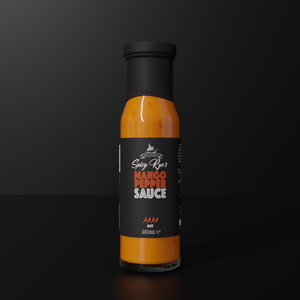
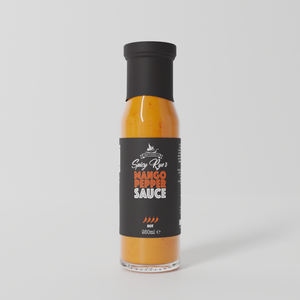
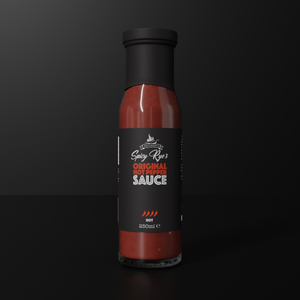
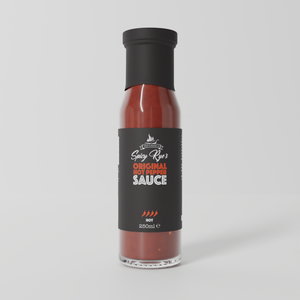
Opened artisanal hot sauce is an investment worth protecting. Our sauces at Spicy Rye's, from the bold Original Hot Pepper Sauce to the tropical Mango Pepper Sauce, are crafted to deliver flavour for months when stored correctly.

Frequently Asked Questions
How long does artisanal hot sauce last after opening?
Most artisanal hot sauces last 4 to 6 months after opening when stored properly in the refrigerator. High-acid, vinegar-based sauces can last up to a year. Shelf life depends on acidity level, ingredients, and whether the sauce contains fermented components. Always check the best-by date on the bottle and store in a cool place away from direct sunlight to maximise freshness and flavour retention.
Does hot sauce need to be refrigerated after opening?
Refrigeration extends the shelf life of opened hot sauce significantly, especially for artisanal varieties made with fresh ingredients and minimal preservatives. High-acid sauces can be stored in a cool pantry for several weeks, but refrigeration is recommended for best quality and food safety. Once opened, transfer the bottle to the coldest part of your fridge to slow bacterial growth and preserve flavour complexity that makes premium sauces worth buying.
How can you tell if opened hot sauce has gone bad?
Signs of spoilage include visible mould on the surface, cloudiness or unusual sediment, off-odours (sour or fermented smell beyond the sauce's normal profile), colour changes, or separation that doesn't return when shaken. Taste a tiny amount if you're unsure, spoiled sauce tastes noticeably sour or unpleasant. When in doubt, discard it. Spicy Rye's sauces are crafted with quality ingredients, so proper storage prevents waste and preserves the bold flavours you're paying for.
Should homemade hot sauce be stored differently than shop-bought?
Homemade hot sauce typically has fewer preservatives than commercial varieties, so refrigeration is essential. Store it in sterilised, airtight glass jars to prevent contamination. High-acid homemade sauces (made with vinegar or citrus) last longer than low-acid versions. Keep it in the coldest part of your fridge and use within 3 to 4 months for best quality. Freezing in ice-cube trays is an option for long-term storage if you make large batches.