
Table of Contents
- Understanding the Five Flavour Elements
- How to Balance Heat and Flavour in Cooking
- How to Balance Flavours in Cooking
- How to Balance Heat in Food
- How to Reduce Spiciness in Food
- How to Add Flavour to Bland Chicken
- Common Mistakes to Avoid
- Frequently Asked Questions
Last Updated: October 17, 2026
Understanding the Five Flavour Elements
To balance heat and flavour in cooking, you need to master five basic flavour elements: salt, fat, acid, sweetness, and heat. When one dominates, the others suffer; when they work in harmony, magic happens.
Salt amplifies other flavours. Fat carries flavour and creates richness. Acid brightens dishes and cuts through heaviness. Sweetness rounds out sharp edges. Heat adds warmth and complexity, but only when balanced correctly.
How salt, fat, and acid work together
Salt is your most powerful tool.
Fat carries flavour molecules to your palate. Without enough fat, even the best-seasoned dish tastes flat. Fat also mellows sharp edges and adds satisfaction.
Acid is your secret weapon for brightness. Lemon juice, vinegar, lime, or tomato cuts through richness and makes flavours pop. When a dish tastes boring or heavy, acid often fixes it faster than heat ever could.
These three work as a system: salt brings out flavour, fat carries it, and acid keeps things lively. This combination creates depth.
Heat as a flavour element, not just spice
Most people think of heat as purely about spice level. But heat is a flavour element that changes how your palate perceives everything else on the plate.
Heat makes you salivate and changes how you taste sweetness, salt, and acid. A small amount makes other flavours seem brighter and more complex; too much numbs your palate and drowns out everything else.
Heat works best when it arrives gradually. Your palate adapts: a sauce that seems impossibly hot on the first spoonful becomes manageable by the third. That's why adding heat slowly, and tasting as you go, matters.
How to Balance Heat and Flavour in Cooking
Balancing heat and flavour in cooking is a skill, not a mystery. Once you understand the mechanics, you can adjust any dish on the fly.
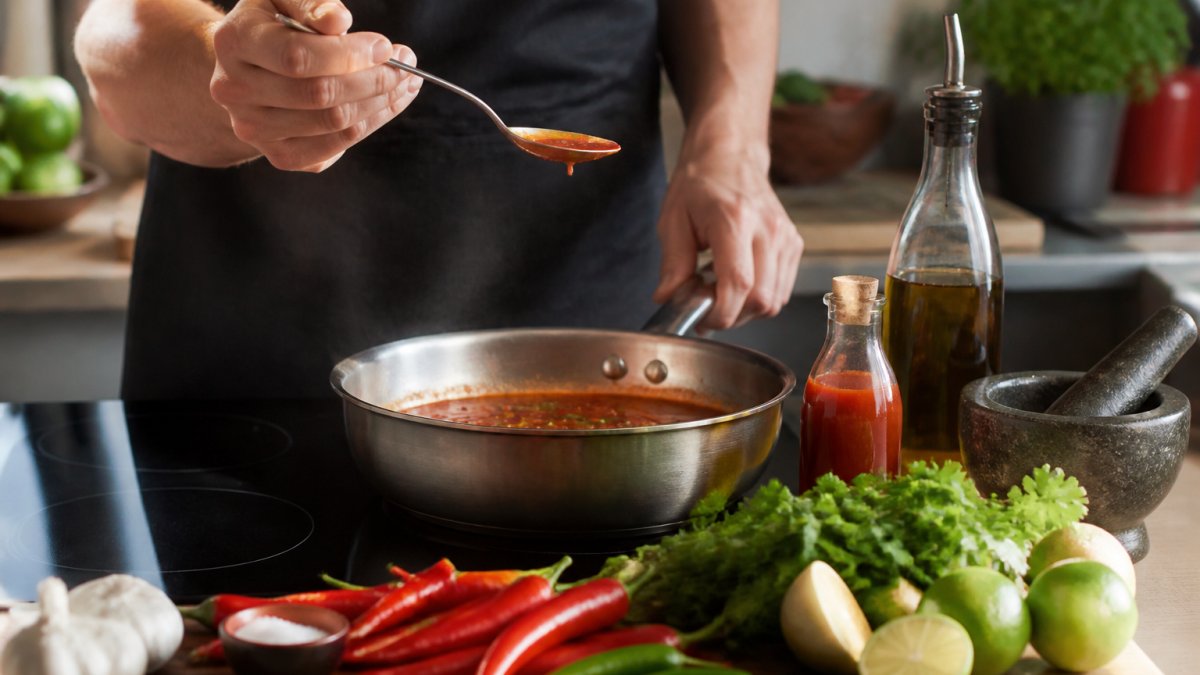
Adding chilli gradually and tasting as you go
Start conservative: add half of what you think you need, stir, wait one minute, then taste. This simple habit prevents disasters.
Chilli heat intensifies as it cooks. A fresh chilli added to a cold sauce tastes different than one simmered for ten minutes, and dried chilli takes even longer to release its heat. Added early, chilli mellows and integrates; added at the end, it hits harder.
Here's the practical rhythm:
- Add chilli at the start if you want background warmth that blends into the dish
- Add chilli halfway through if you want noticeable heat that's still integrated
- Add chilli at the end if you want sharp, immediate heat that sits on top
Always taste before serving. Your palate is the only instrument that matters. What tastes right to you is right, regardless of what any recipe says.
Timing: when to add heat during cooking
The moment you add chilli changes everything. Early additions mellow and marry with other flavours. Late additions stay sharp and pronounced.
For soups and stews, add chilli after the base flavours have developed, usually after building your soffritto (onions, garlic, celery) and adding main ingredients.
For sauces, add chilli once your acid and fat are in balance.
For quick dishes like stir-fries or pan-seared proteins, add chilli near the end. You want the heat to stay bright and distinct rather than cooking down into the background.
The rule: balance first, heat second. Get your salt, fat, and acid right. Then adjust heat to the level you want.
How to Balance Flavours in Cooking
Building balanced flavour means layering elements deliberately, step by step, rather than throwing everything in at once.
Building layers of flavour
Start with a strong base: cook aromatics (onions, garlic, ginger) in fat until soft and fragrant. This foundation carries everything that follows.
Add your main ingredients, whether chicken, tomatoes, or stock, and let them develop for a few minutes so they caramelize or break down.
Then taste. Adjust salt. Add acid if needed. This is your second flavour checkpoint.
Finally, add heat if the dish needs it. At this point you can taste how chilli will interact with your existing flavours rather than guessing.
This layered approach works for any dish:
- Soup: aromatics → stock and main ingredients → taste and adjust salt and acid → add heat if wanted
- Sauce: aromatics → tomatoes or base → simmer and develop → balance salt and acid → finish with heat
- Stir-fry: aromatics → protein → vegetables → sauce components → taste and adjust → heat at the end
Each layer builds on the last. You're tasting at every stage, not just at the end.
Using sweetness and acidity to counteract heat
Sweetness is heat's natural partner. A touch of honey, sugar, or sweet fruit mellows spice and rounds out sharp edges. This is why mango works so well with chilli peppers.
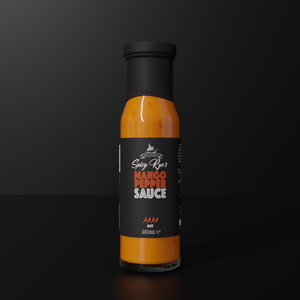
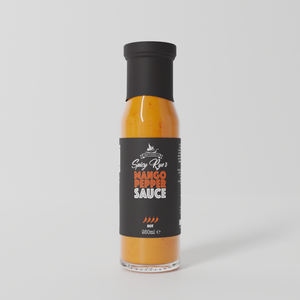
Our Mango Pepper Sauce (£7.95) demonstrates this principle perfectly. The tropical sweetness of ripe mango balances the peppery heat, creating complexity rather than just fire.

Acidity works differently. Acid doesn't reduce heat; it makes your palate perceive flavours more clearly, which can make heat feel sharper but also brightens everything around it. A squeeze of lime after adding chilli often makes the heat feel more interesting rather than less intense.
Sweetness softens, acid brightens, and heat adds depth. Together, they create a complete flavour experience.
How to Balance Heat in Food
Understanding different types of heat helps you balance them better. Not all chilli peppers taste the same, and not all heat feels the same on your palate.
Balancing spicy heat with richness
Fat is your best friend when dealing with heat. Rich, fatty foods, cream, butter, cheese, coconut milk, oil, coat your mouth and soften the perception of spice, which is why Indian curries often contain coconut milk or ghee.
When building a spicy dish, think about fat balance early. If you're using a lot of chilli, make sure you have enough fat to carry it.
This principle works in everyday cooking too. A spicy scrambled egg tastes better with butter or olive oil. A spicy soup tastes better with cream or coconut milk added at the end. The fat doesn't hide the heat; it gives it a home.
Understanding different types of chilli heat
Different chillies bring different flavours, not just heat levels: a habanero tastes fruity and bright, a jalapeño fresh and grassy, a scotch bonnet earthy, and Thai bird's eye chillies almost floral.
When choosing a chilli, think about what flavour you want to add, not just how hot you want the dish. Fruity heat calls for different peppers than earthy heat.
Fresh chillies bring brightness and immediacy; dried chillies develop deeper, more complex flavours as they cook.
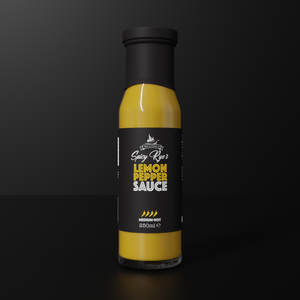
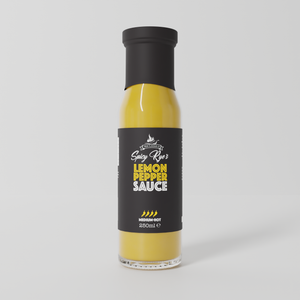
Our Lemon Pepper Sauce (£7.95) uses this principle. The habanero pepper brings fruity heat, while the lemon juice adds brightness and acidity. Together, they create heat that feels complex rather than just hot.
How to Reduce Spiciness in Food
Sometimes you add too much heat. It happens to everyone. Here's how to fix it.
Immediate fixes for overly spicy dishes
Add fat. Stir in cream, butter, coconut milk, or olive oil. Fat coats your mouth and softens heat perception. This is the fastest fix.
Add sweetness. A spoonful of honey, sugar, or jam mellows spice immediately.
Add acid. Squeeze of lemon or lime juice brightens the dish and makes heat feel less overwhelming.
Dilute the dish. Add more of your base ingredient, more broth for soup, more tomato sauce for pasta, more rice for curry.
Add starch. Rice, bread, or potatoes absorb spice and cool your mouth.
Never throw the dish away. Almost every over-spiced dish can be rescued with one of these fixes.
How to Add Flavour to Bland Chicken
Bland chicken is one of the most common cooking problems. The fix is simpler than you think: proper seasoning and the right sauce.
Seasoning and sauce pairings that work
Start with salt. Season your chicken generously before cooking. Salt penetrates the meat and brings out its natural flavour.
Add acid and fat to your sauce. This is where most bland chicken dishes fail. The chicken itself is fine; the sauce is too thin or too mild.
Our Hot Honey Pepper Sauce (£6.95) works beautifully on chicken. The honey brings sweetness and stickiness. The peppers bring heat.

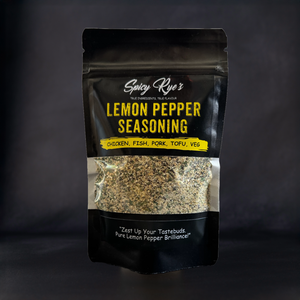
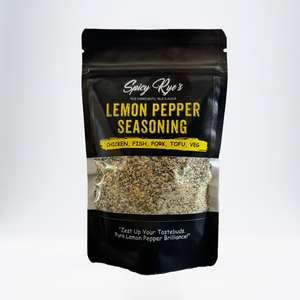
The Lemon Pepper Seasoning (£7.95) is equally effective. Sprinkle it generously over chicken before roasting or pan-searing. The lemon zest brings brightness. The cracked black pepper brings depth.
Consider these pairings:
- Roasted chicken + lemon and black pepper seasoning + fresh herbs
- Pan-seared chicken + hot honey glaze + lime juice squeezed at the end
- Grilled chicken + mango pepper sauce as a finishing drizzle
- Chicken soup + lemon pepper seasoning + fresh dill
Each combination balances heat, acid, fat, and salt differently. Taste as you build, and adjust based on what the dish needs.
Common Mistakes to Avoid
Adding all your chilli at once. This is the biggest mistake.
Forgetting to taste. You can't adjust flavour if you don't know what you're working with. Taste constantly throughout cooking.
Ignoring salt. Many bland dishes just need more salt.
Adding heat before balancing other flavours. Get your salt, fat, and acid right first. Then add heat.
Using the wrong type of chilli for the job. Fresh chillies, dried chillies, and chilli powders all behave differently.
Cooking chilli too long. Some chillies taste better when added late in cooking.
| Element | Role | How to Use |
|---|---|---|
| Salt | Amplifies flavour | Taste and adjust throughout cooking |
| Fat | Carries flavour, softens heat | Add early, use generously |
| Acid | Brightens, cuts richness | Add last, taste to balance |
| Sweetness | Mellows heat, rounds edges | Use sparingly, balance with acid |
| Heat | Adds depth and complexity | Add gradually, taste constantly |
Whether you're using our Mango Pepper Sauce for its fruity balance, our Lemon Pepper Sauce for brightness, or our Hot Honey Pepper Sauce for sweet-meets-heat complexity, each product is crafted to enhance your cooking rather than just add fire.

The skill of balancing heat and flavour takes practice. Start by tasting constantly. Build your flavours deliberately.
British Nutrition Foundation guidance on seasoning and salt
Food Standards Agency guidelines on food safety when tasting and adjusting
BBC Good Food cooking techniques resource
Frequently Asked Questions
What's the best way to balance heat and flavour without making a dish too spicy?
Add chilli and hot sauce gradually, tasting between additions. Start with a small amount, roughly one-quarter teaspoon of chilli powder or a dash of hot sauce, then build up. Salt, sweetness (honey or sugar), and acidity (lemon juice or vinegar) all counteract heat perception. Fat from oil, butter, or cream also buffers spice. Taste constantly as you cook so you catch the balance before it tips too far.
How do salt, fat, and acid affect the flavour of a dish?
Salt enhances and brightens all flavours, making spice feel more intense. Fat carries flavour and creates richness that softens perceived heat. Acid (from citrus or vinegar) cuts through richness and adds brightness, making a dish feel fresher and less overpowering. Together, they create balance: salt sharpens, fat rounds out, and acid lifts. This trio is essential when working with hot sauces and spicy ingredients.
Can I use Spicy Rye's sauces to add flavour to bland chicken?
Yes. Spicy Rye's Mango Pepper Sauce (£7.95) adds tropical sweetness and heat to grilled or roasted chicken. For a lighter touch, try Lemon Pepper Sauce (£7.95) as a marinade base mixed with olive oil. Hot Honey Pepper Sauce (£6.95) works beautifully as a glaze on baked or pan-fried chicken, balancing richness with sweet heat. Alternatively, use Lemon Pepper Seasoning (£7.95) as a dry rub before cooking to build flavour from the start.
What should I do if I've added too much chilli or hot sauce?
Dilute the heat by adding more of the base ingredient, more broth, sauce, or vegetables. Add sweetness (honey, sugar, or mango sauce) to mask heat perception. Increase fat (cream, oil, or butter) to coat the palate and reduce burn. Add acidity (lemon juice or vinegar) to brighten and distract from spice. If none of these work, serve the dish with a cooling element on the side: sour cream, yoghurt, or a mild sauce to eat alongside.