
Table of Contents
- What Fruits Go Well in Hot Sauce
- Mango Habanero Sauce for Chicken: A Tropical Foundation
- Hot Sauce for Chicken Wings: Heat Levels and Blending
- Balancing Sweet Heat: Fruit-to-Pepper Ratios
- How Long Does Homemade Hot Sauce Last in the Fridge
- Applying Fruity Hot Sauce to Chicken: Timing and Technique
- Common Mistakes to Avoid
- Frequently Asked Questions
Last Updated: October 19, 2026
What Fruits Go Well in Hot Sauce
The best fruity hot sauce recipes for chicken start with understanding which fruits complement heat. Tropical fruits work brilliantly because their sweetness balances spicy peppers. Mango, pineapple, peach, and passion fruit are classics for good reason.
Each fruit brings something different. Mango adds creamy sweetness and body. Pineapple provides bright acidity and tang. Peach delivers subtle earthiness. Passion fruit brings exotic tartness that cuts through richness.
The key is matching fruit intensity to your pepper choice. Mild peppers need bold fruits. Hot peppers pair better with delicate ones. This balance prevents your sauce from becoming one-dimensional.
The best fruity hot sauce recipes for chicken often combine at least two fruits. This creates complexity. Single-fruit sauces can taste flat by comparison. A mango-habanero blend, for example, layers sweetness with heat in ways neither ingredient achieves alone.
Mango Habanero Sauce for Chicken: A Tropical Foundation
Mango habanero is the foundation of most fruity hot sauce recipes for chicken because it delivers sweet heat without overwhelming complexity. The mango mellows the habanero's bite while the pepper gives the mango structure.


This combination works on grilled chicken, roasted thighs, and even chicken wings. The sauce caramelises beautifully when brushed on during cooking.
Ingredient Quantities and Selection
A basic mango habanero fruity hot sauce recipe for chicken needs:
- 2 medium ripe mangoes (about 400g total)
- 2-3 habanero peppers, depending on heat preference
- 3 garlic cloves, minced
- 1 small onion, diced
- 100ml white vinegar
- 30ml lime juice
- 1 teaspoon sea salt
- ½ teaspoon brown sugar
- Fresh black pepper to taste
Mango ripeness matters. Use fruit that yields slightly to pressure but isn't mushy. Underripe mangoes taste sour and thin. Overripe ones become cloying.
For habaneros, choose peppers with smooth skin and no soft spots. The colour doesn't matter much, orange, red, or yellow habaneros have similar heat levels. If you can't find habaneros, Scotch bonnets work identically.
Vinegar is essential. White vinegar provides clean acidity without competing flavours. Don't use balsamic or apple cider vinegar here, they'll muddy the tropical profile.
Step-by-Step Preparation
Step 1: Prepare your ingredients (5 minutes)
Peel and pit the mangoes. Cut flesh into rough chunks. Wear gloves when handling habaneros, the oils will burn your skin. Remove the seeds and white pith from inside the peppers. This reduces heat slightly. Keep seeds if you want maximum fire.
Mince the garlic finely. Dice the onion small so it blends smoothly.
Step 2: Blend the fruit base (3 minutes)
Add mango chunks, habaneros, garlic, and onion to a blender. Pour in vinegar and lime juice. Blend until completely smooth. No chunks should remain.
Stop and check texture. If it's too thick, add 50ml water. If too thin, let it sit, some liquid will separate.
Step 3: Strain if desired (5 minutes)
This step is optional. Straining removes pepper skin and creates silky texture. Pour the blended mixture through a fine-mesh sieve. Push solids through with the back of a spoon. Discard remaining pulp.
Most home cooks skip this. The sauce tastes identical either way.
Step 4: Season to taste (2 minutes)
Add salt and brown sugar. Taste. The sauce should be sweet, spicy, and tangy in balance. If it's too hot, add more mango or sugar. Too bland? More vinegar or salt.
Black pepper adds subtle depth. Start with ¼ teaspoon and adjust.
Hot Sauce for Chicken Wings: Heat Levels and Blending
Hot sauce for chicken wings needs different thinking than other chicken dishes. Wings are small, high-surface-area pieces. Sauce clings to them. This means heat intensity matters more here than with chicken breasts or thighs.
The best approach is building a fruity hot sauce recipe for chicken wings that's balanced but bold. Wings can handle aggressive seasoning because each piece is small enough to eat whole.
Adjusting Pepper Varieties for Your Heat Preference
Pepper choice determines everything. Here's how they rank by heat:
- Serrano peppers: Medium heat, bright flavour
- Habanero peppers: Hot, fruity undertones
- Scotch bonnet: Very hot, slightly smoky
- Ghost peppers: Extreme heat, lingering burn
For hot sauce for chicken wings aimed at most people, use 2-3 habaneros or 1-2 Scotch bonnets per 400g of fruit.
If you're cooking for mixed spice tolerance, make the base sauce mild. Then add hot peppers separately to half the batch. This lets guests choose their heat level.
Serrano peppers work well if you want fruity heat without overwhelming fire. They're gentler than habaneros but still deliver kick. Use 4-5 serranos where you'd use 2 habaneros.
Cooking and Thickening Your Sauce
Raw fruity hot sauce recipes for chicken taste fresh but thin. Cooking thickens it and deepens flavour.
Pour your blended sauce into a heavy-bottomed saucepan. Bring to a gentle simmer over medium heat. Do not boil hard, this concentrates heat and can scorch the bottom.
Simmer for 15-20 minutes, stirring occasionally. The sauce will darken slightly and thicken as water evaporates. You're looking for it to coat the back of a spoon without running off immediately.
If it thickens too much, add water 25ml at a time. If it stays thin after 20 minutes, keep simmering. Some sauces need 30 minutes.
Test thickness by dipping a spoon into the sauce and tilting it. The sauce should drip slowly, not pour.
Once it reaches the right consistency, remove from heat. Let it cool completely before storing. It will thicken further as it cools.
Balancing Sweet Heat: Fruit-to-Pepper Ratios
The sweet-heat balance is what separates good fruity hot sauce recipes for chicken from forgettable ones. Too much fruit tastes like dessert. Too much pepper tastes like punishment.
The ideal ratio is 3:1 fruit to pepper by weight. This means 300g mango to 100g habanero peppers. This creates sauce that's genuinely spicy but not one-note.
If you prefer milder sauce, go 4:1. If you like serious heat, try 2:1.
Taste as you build. Blend half the peppers first, taste, then add more if needed. It's impossible to remove heat once it's in.
Sweetness comes from fruit and brown sugar. Start with ½ teaspoon sugar per 400ml sauce. Taste. Add more if the heat overwhelms the fruit. Remember that sugar also helps the sauce thicken during cooking. Balancing these sugars requires careful attention when applying the glaze to meat over open flame cooking.
Acidity from vinegar and lime prevents the sauce from tasting cloying. Aim for 100ml vinegar plus 30ml citrus per 400ml finished sauce. This creates brightness that makes the fruit and heat pop.
How Long Does Homemade Hot Sauce Last in the Fridge
Homemade fruity hot sauce recipes for chicken last longer than most people expect. The high acid content preserves it naturally.
An unopened jar stored in a cool, dark cupboard can keep for an extended period. Once opened, refrigerate it. It generally stays good for several weeks in the fridge.
Signs your sauce has gone bad: mould on the surface, off smell, or cloudy liquid. Discard it if you see any of these.
Storage Best Practices and Shelf Life
Store your fruity hot sauce recipe for chicken in glass jars with tight-fitting lids. Sterilise jars before filling them by running them through a hot dishwasher or boiling them for 10 minutes.
Keep jars in the fridge after opening. Cold slows any microbial growth. The sauce will thicken slightly when cold, this is normal. It softens again when you use it.
Applying Fruity Hot Sauce to Chicken: Timing and Technique
How you apply fruity hot sauce recipes for chicken matters as much as what's in the sauce. Timing and method determine whether it clings, caramelises, or burns.
For grilled or roasted chicken, apply sauce in two stages. First, brush it on halfway through cooking. This lets the sauce set and develop flavour. Then brush again in the final 2-3 minutes. This creates a sticky glaze without burning.
For fried chicken, toss the cooked pieces in sauce immediately after frying. The residual heat helps it stick.
For chicken wings, toss raw wings in sauce before baking or grilling. This gives the sauce time to penetrate the meat. Bake at 200°C for 25-30 minutes until wings are cooked through and sauce has caramelised.
Don't apply sauce too early. If sauce sits on raw chicken for more than 30 minutes, the acid can start breaking down the meat surface, making it mushy.
For marinades, use fruity hot sauce recipes for chicken as part of a larger mixture. Combine sauce with oil (3 parts sauce to 1 part oil) and marinate chicken for 2-4 hours. This prevents over-marinating.
Common Mistakes to Avoid
Most people make the same errors with fruity hot sauce recipes for chicken. Knowing them saves time and ingredients.
Mistake 1: Using underripe fruit. Underripe mangoes taste sour and thin. Wait until mangoes yield slightly to pressure.
Mistake 2: Not wearing gloves with hot peppers. Habanero and Scotch bonnet oils stay on your skin for hours.
Mistake 3: Blending everything raw. Raw sauce tastes thin and lacks depth. Always cook it. Simmering for 15-20 minutes transforms the flavour.
Mistake 4: Adding too much sugar. Brown sugar is easy to overuse. It masks the fruit and pepper flavours.
Mistake 5: Skipping the vinegar. Vinegar isn't just for preservation, it's essential for balance. Without it, the sauce tastes flat and one-dimensional.
Mistake 6: Not tasting as you go. Every batch of fruit varies slightly. Taste after blending, after cooking, and after seasoning. Adjust at each stage.
Mistake 7: Storing in the wrong container. Plastic absorbs sauce colour and retains flavour. Use glass jars instead.
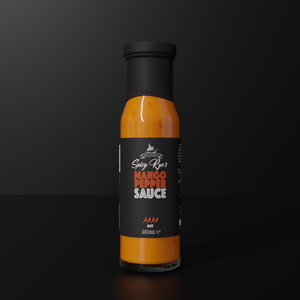
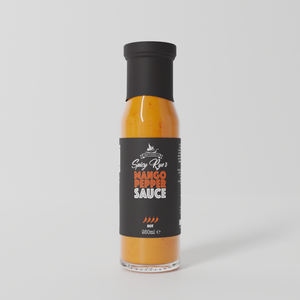
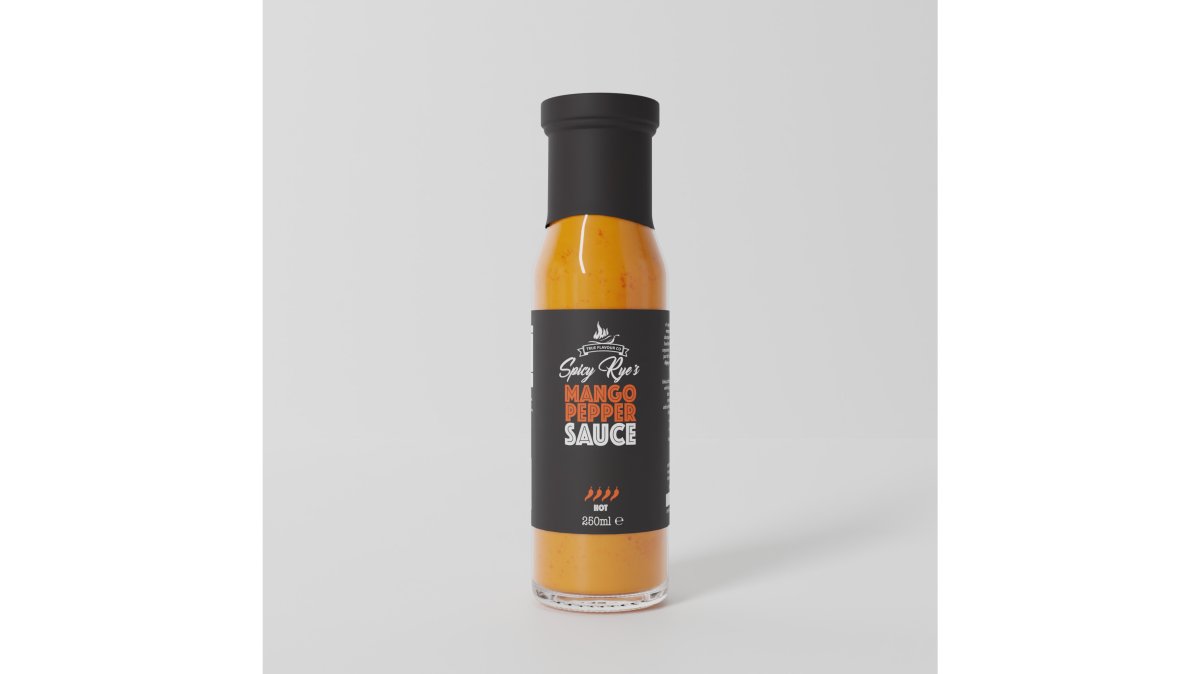
The Spicy Rye's Mango Pepper Sauce (£7.95) demonstrates how these principles come together.
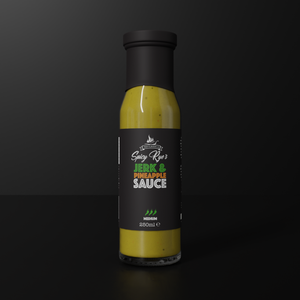
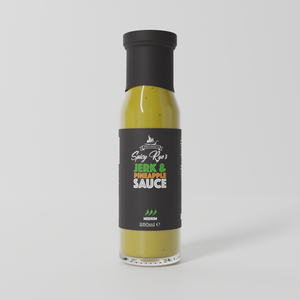
For something different, the Jerk & Pineapple Sauce (£7.95) shows how Caribbean spices work with tropical fruit.
Making fruity hot sauce recipes for chicken at home gives you control over heat, sweetness, and flavour that shop-bought sauces rarely match.
The best fruity hot sauce recipe for chicken is the one you'll actually make repeatedly. Each teaches you something new about balancing sweet heat.
Frequently Asked Questions
What fruits work best in fruity hot sauce recipes for chicken?
Mango, pineapple, peach, and passion fruit are the most popular choices for fruity hot sauce. Mango brings tropical sweetness and balances habanero heat beautifully. Pineapple adds brightness and pairs well with jerk spices. Peach offers subtle sweetness without overpowering the chilli pepper flavour. Passion fruit provides tartness and complexity. Mix fruit types to create depth: a base of mango with pineapple or passion fruit creates a more interesting sauce than single-fruit versions.
How long does homemade hot sauce last in the fridge?
Homemade hot sauce made with vinegar and cooked properly can last for several weeks in the fridge in a sealed jar. The vinegar acts as a natural preservative. Always use a clean spoon to remove sauce from the jar to prevent contamination. Store in glass jars rather than plastic.
How do I make mango habanero sauce for chicken?
Blend 400g fresh mango, 2-3 habanero peppers (seeds removed for less heat), 2 cloves garlic, and 60ml white vinegar until smooth. Simmer in a saucepan for 10-15 minutes, stirring occasionally. Add 1 tablespoon brown sugar and sea salt to taste. The sauce thickens as it cools. Use as a marinade for chicken breasts (30 minutes to 2 hours before grilling) or as a finishing glaze. This sauce works on grilled, roasted, or pan-fried chicken.
Can you use fresh or frozen fruit in homemade hot sauce?
Both work equally well. Fresh fruit gives you control over ripeness and flavour intensity. Frozen fruit is convenient and often equally flavourful, as it's frozen at peak ripeness. Thaw frozen fruit before blending to avoid excess liquid in your sauce. If using frozen fruit, you may need slightly less cooking time since it breaks down faster. Either option produces a sauce that stores well and maintains its fruity-hot balance.