

Table of Contents
- Why a Well-Stocked Pantry Changes How You Cook
- Essential Dry Goods and Grains Every Pantry Needs
- Best Flavour-Boosting Pantry Ingredients for Bold Cooking
- How to Organise a Small Kitchen Pantry for Maximum Efficiency
- Storage and Shelf-Life: Keeping Pantry Staples Fresh Longer
- Budget-Friendly Store Cupboard Meals You Can Make Tonight
- Pantry-to-Plate: Mapping Ingredients to Everyday Meals
- Conclusion
- Frequently Asked Questions
Last Updated: September 11, 2026
Why a Well-Stocked Pantry Changes How You Cook
The best weeknight cooks don't rely on talent. They rely on a pantry that's ready for anything. According to WRAP's food waste research, households throw away a significant share of the food they buy each year, and a disorganised cupboard is one of the quiet culprits. A well-stocked kitchen built on versatile pantry staples for home cooks solves that problem twice over: it cuts waste and it removes the "what's for dinner" panic. Home cooks can transform basic ingredients into bold meals simply by keeping the right jars on hand. Below, we'll show you exactly which staples earn their shelf space, how to add flavour to bland meals store them, and how to turn them into dinner tonight.
Essential Dry Goods and Grains Every Pantry Needs
Dry goods and whole grains form the shelf-stable backbone of any pantry inventory. They carry the bulk of a meal and absorb whatever flavour you throw at them, which is why they earn permanent shelf space in a well-run kitchen. The trick is choosing a small, high-rotation set rather than a museum of half-used bags.
The core set worth keeping on rotation:
- Long-grain rice (basmati or jasmine) for pilafs, fried rice and side dishes
- Short-grain or risotto rice for creamy, slow-stirred dishes
- Dried pasta in two shapes, a long one and a short one, so you can match sauce to surface
- Couscous or bulgur wheat for five-minute bases that need only boiling water
- Red lentils for soups and dhals that cook in 15-20 minutes without soaking
- Tinned chickpeas, butter beans and black beans for instant protein and body
Whole grains such as brown rice, pearl barley and oats add fibre and a nuttier flavour profile, but they take longer to cook and have a shorter shelf life than their refined cousins because the oils in the bran can turn rancid (peer-reviewed research). Buy them in smaller quantities and use them within a few months. Quick-cooking options like orzo, fine egg noodles and red lentils cut weeknight prep to minutes and are the ones most home cooks reach for on a Tuesday.
Cooking ratios worth memorising (so you never have to check a packet again):
| Grain | Liquid to grain | Typical cook time |
|---|---|---|
| Basmati rice | 1.5 : 1 | 10-12 minutes, rested |
| Brown rice | 2 : 1 | 35-40 minutes |
| Couscous | 1 : 1 (boiling water, off heat) | 5 minutes, steamed |
| Red lentils | 3 : 1 | 15-20 minutes |
| Pearl barley | 3 : 1 | 45-50 minutes |
Dietary-specific swaps. A generic pantry list assumes everyone eats the same way, but the most useful version of this section is the one that adapts. For a gluten-free pantry, keep rice, quinoa, buckwheat, polenta, tinned pulses and gluten-free pasta made from corn, rice or chickpea flour, and check that stock cubes, soy sauce and seasoning blends are certified gluten-free, because wheat hides in all three. For a plant-based pantry, lean harder on lentils, chickpeas, black beans, oats, nuts and seeds, and add nutritional yeast and a good plant milk for creaminess. The backbone stays the same; only the edges change.
Store everything in airtight containers away from heat and light, and decant into clear jars so you can see at a glance what needs restocking. A common mistake is buying giant sacks of grains you rarely use; buy smaller amounts of more varieties instead, and split bulk bags into smaller jars so you are not opening the same container every day. Whole grains keep for around six months in a cool cupboard; white rice and dried pasta will hold for a year or more if kept dry. If you spot weevils or a stale, dusty smell, bin the lot and wash the jar before refilling.
Best Flavour-Boosting Pantry Ingredients for Bold Cooking
If dry goods are the foundation, flavour enhancers are the architecture. The best flavour-boosting pantry ingredients do the heavy lifting so you don't have to: think aromatics, acidic components, and umami-rich condiments that turn plain rice or pasta into something worth talking about. Salt, good olive oil, tinned tomatoes, soy sauce, mustard and vinegar cover most bases. From there, a small collection of chilli vinegars and seasoning blends gives you range without clutter.
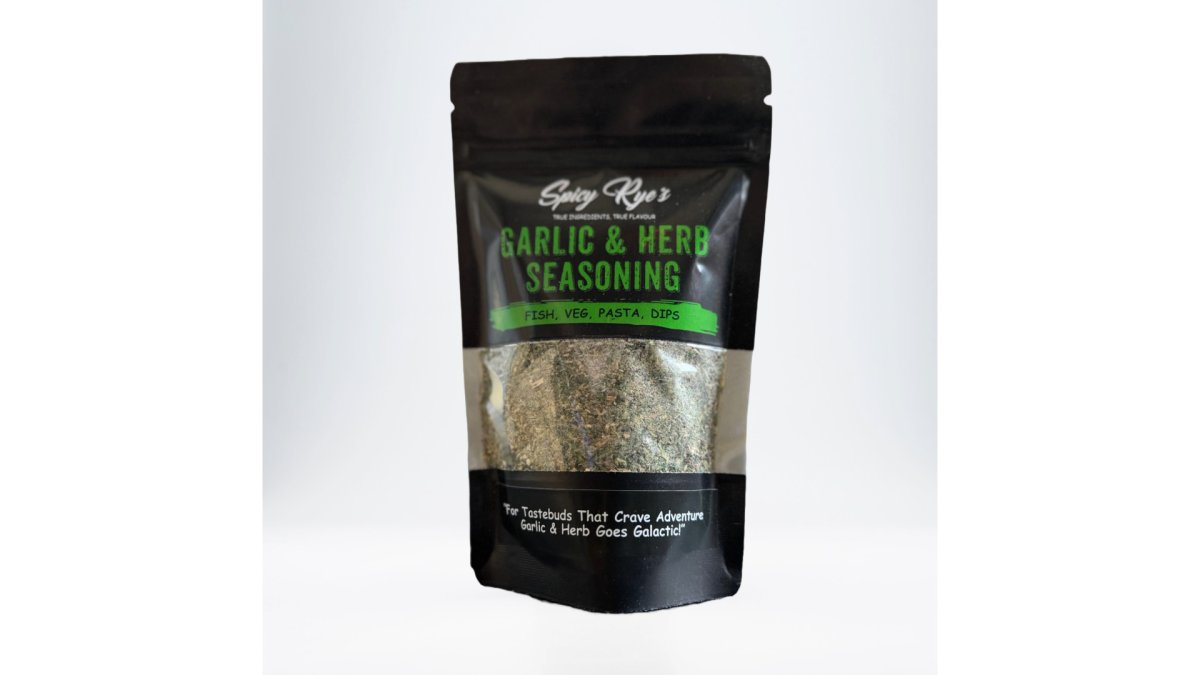
Seasoning Blends That Do the Heavy Lifting
A good blend replaces five single jars and delivers a complete flavour profile in one shake. Spicy Rye's Garlic & Herb Seasoning, at £5.56, layers garlic, oregano, basil, thyme and a citrus zing that works on chicken, roast veg and pasta alike. For something with more warmth, the Jamaican Jerk Seasoning (£5.65) brings scotch bonnet heat, allspice and thyme to a marinade in seconds. Our Sea Salt & Pepper Seasoning (£5.56) upgrades the most basic seasoning there is with three peppercorns and sea salt flakes. What most guides miss is that blends also cut decision fatigue: one jar, one flavour direction, no measuring.

Chilli Vinegars and Hot Sauces for Acid-Fat Balance
Acid is the most underrated element in home cooking, and chilli vinegars deliver it with heat attached. A splash of Spicy Rye's Jalapeño Vinegar (£6.95) lifts a salad dressing or marinade, while the Chipotle Vinegar (£6.95) adds smoky depth to grilled meats and roasted veg. For a classic condiment with a twist, our Tomato Ketchup (£7.95) is made from vine-ripened tomatoes and a touch of spice. The trick is acid-fat balance: a drizzle of vinegar over a rich, oily dish resets the palate and makes every bite taste brighter.
How to Organise a Small Kitchen Pantry for Maximum Efficiency
Organising a small kitchen pantry is about zones, not shelves. Group items by job: cooking fats, acids, dry goods, tins, and flavour boosters. Keep the things you reach for daily at eye level and the backup stock up high. Use stackable clear containers so you can see levels without digging, and decant spices into a single tiered rack so nothing hides at the back. Label everything with the date you opened it. A common mistake is storing oils and vinegars next to the hob, where heat degrades them faster; move them to a cool cupboard instead.
Storage and Shelf-Life: Keeping Pantry Staples Fresh Longer
Shelf-life comes down to three enemies: heat, light and air. Transfer opened dry goods into airtight containers, keep oils and vinegars in a dark cupboard, and store spices away from the steam of the kettle and hob. Whole spices hold their flavour far longer than ground ones, so grind as you go where you can. Once opened, most chilli vinegars and sauces keep well for months in a cool cupboard, but always check the label and use a clean spoon to avoid introducing bacteria. Bulk buying saves money, but only if you can store it properly; split large bags into smaller jars so you're not opening the same container every day.
| Staple | Store In | Keep Away From | Watch For |
|---|---|---|---|
| Whole grains | Airtight jars | Heat, damp | Weevils, stale smell |
| Ground spices | Small sealed jars | Light, steam | Faded colour, no aroma |
| Oils | Dark cupboard | Direct heat | Rancid, bitter smell |
| Chilli vinegars | Cool cupboard | Sunlight | Cloudiness, off smell |
| Tinned goods | Cool, dry shelf | Dents, damp | Dented or bulging tins |
Budget-Friendly Store Cupboard Meals You Can Make Tonight
Budget-friendly store cupboard meals start with what's already on your shelf, not a shopping list. But the real money-saving move most guides skip is the one that also cuts waste: building your pantry around a small number of multi-purpose staples and buying them in bulk where storage allows. That is the sustainability angle, less packaging, fewer emergency top-up shops, and less food binned because you actually know what is in the cupboard.
Four meal formulas that work from a bare pantry:
- Tomato and pulse pasta. Tin of tomatoes + tin of chickpeas or butter beans + garlic + dried pasta + a glug of olive oil and a splash of chilli vinegar. Ready in the time the pasta boils.
- Lentil soup. Red lentils + stock cube + onion + carrot + a teaspoon of a herby blend. Twenty minutes, freezes well, costs pennies per portion.
- Fried rice. Cooked rice + frozen peas + egg + soy sauce + a drizzle of chilli vinegar or hot sauce. Five minutes in a hot pan.
- Bean stew. Tinned beans + tinned tomatoes + smoked paprika or jerk seasoning + whatever veg is wilting. Simmer for 15 minutes and finish with acid.
The cost-effective pattern is to treat grains and pulses as your protein, then spend your budget on a few quality condiments that make everything taste finished. A bottle of Smoky Chipotle BBQ Sauce (£7.95) glazed over roasted veg or chicken thighs turns a basic tray bake into a proper meal, and one bottle stretches across many dinners, far better value per pound than a cupboard full of single-use jars.

Bulk buying without waste. Bulk buying saves money only if you can store it properly and will actually use it. Split large bags of rice, lentils and pasta into smaller airtight jars so you are not opening the same container every day, and keep a labelled 'use first' jar at the front of the shelf. Buy whole spices in bulk and grind as you go; they hold their flavour far longer than ground ones. For oils and vinegars, a larger bottle is only cheaper if you will finish it before it goes rancid; if you cook with chilli vinegar occasionally, a smaller bottle is the smarter buy.
Reducing waste as you cook. Keep a 'bits' container in the fridge for vegetable trimmings and wilting herbs, then blitz them into a stock or a sauce base at the end of the week. Stale bread becomes croutons or breadcrumbs; overripe tomatoes become a quick sauce; the last spoonful of a condiment gets loosened with oil and vinegar into a dressing. A pantry built this way does not just save money, it means fewer plastic bags, fewer half-used jars at the back of the cupboard, and a kitchen that genuinely runs on what you already own.
Pantry-to-Plate: Mapping Ingredients to Everyday Meals
Pantry-to-plate cooking means matching what you have to a format, then seasoning to taste. Use this simple mapping to stop staring into the cupboard:
- Pick a base: rice, pasta, couscous or potatoes.
- Add a protein: tinned beans, lentils, eggs, or leftover meat.
- Add veg: whatever's fresh, frozen or tinned.
- Choose a flavour direction: smoky, herby, or fiery.
- Finish with acid and fat: a chilli vinegar drizzle and a good oil.
A herby blend like Garlic & Herb Seasoning suits chicken and pasta; the Bourbon & Honey BBQ Sauce (£6.95) caramelises beautifully on grilled meat; and a Scotch Bonnet Vinegar (£6.95) brings Caribbean-inspired heat to stews and roasted veg. One pantry, several directions.
Conclusion
The real challenge isn't buying more staples, it's building a pantry you actually cook from every week. Spicy Rye's makes that easier with a versatile range of sauces, chilli vinegars and seasoning blends crafted from premium ingredients, spanning fiery heat to smoky sweetness. Whether you're glazing, dipping or drizzling, our products add unbeatable flavour to everyday meals. Get started with Spicy Rye's and turn your store cupboard into the most useful tool in your kitchen.

Frequently Asked Questions
What staples should you always have in your pantry?
A well-stocked kitchen covers five bases: dry goods (pasta, rice, lentils), tinned proteins (chickpeas, tuna, chopped tomatoes), cooking fats and oils, acid (vinegar, lemon juice), and flavour boosters (seasoning blends, hot sauce, stock cubes). With those five categories covered, you can build a meal from scratch on any weeknight without a trip to the shop. Start with the items you use most and expand from there.
How do I organise my pantry for maximum efficiency?
Group items by function rather than food type: baking, cooking, snacking, and flavouring. Keep the most-used items at eye level and decant dry goods into clear airtight containers so you can see what is running low. Use risers or stackable baskets to create layers in deep shelves, and keep a running list on the inside of the door. For small kitchens, a lazy Susan in corners and over-door racks free up serious space.
Which pantry ingredients help save money on grocery bills?
Dried lentils, tinned beans, whole grains, and tinned tomatoes deliver the most meals per pound spent. Buying seasoning blends and chilli vinegars in larger bottles also cuts cost per serving compared with single-use sachets. Plan two or three store cupboard meals each week around what you already have, and you will notice the difference in your food bill within a month. Bulk buying rice, pasta and dried spices works well if you store them properly.
What are some good long-term pantry staples?
White rice, dried pasta, tinned fish, honey, soy sauce, and distilled vinegar all keep for 12 months or more when stored in a cool, dark cupboard. Whole grains and ground spices lose potency faster, so buy those in smaller amounts and restock every three to six months. Seasoning blends and chilli vinegars typically carry a best-before date of 12 to 18 months unopened. Once opened, most sauces and vinegars stay good for several months in the fridge.
How do versatile pantry staples help with meal prep?
A core set of pantry staples lets you build meals in stages without improvising from nothing. Cook a batch of grains on Sunday, roast a tray of vegetables, and keep a few flavour boosters on hand to change the profile of each plate. One base can become a grain bowl, a stir-fry, or a soup depending on which seasoning blend or chilli vinegar you add. That flexibility is what makes meal prep sustainable rather than repetitive.