

Table of Contents
- Why Your Food Tastes Bland (And How to Fix the Root Cause)
- The 5-Step Flavor Rescue Method for Any Dish
- How to Fix Bland Chicken: A Step-by-Step Guide
- The Best Seasonings for Bland Food to Keep in Your Pantry
- How to Use Chilli Vinegar for Flavor That Cuts Through
- Common Mistakes That Kill Flavor (And How to Avoid Them)
- Flavor Mapping: Build Your Own Rescue Plan
- Conclusion: From Bland to Bold in Minutes
- Frequently Asked Questions
Last Updated: September 8, 2026
Why Your Food Tastes Bland (And How to Fix the Root Cause)
Bland food is rarely a lack of ingredients; it is almost always a lack of balance. When a dish tastes flat, one of the five core tastes, salty, sweet, sour, bitter, or umami, is missing or muted. Understanding how to add flavor to bland meals starts with diagnosing which element is absent rather than reaching for more spice.
Most home cooks underseason at the beginning and fail to adjust at the end. Seasoning is not a single event; it is a continuous process of tasting and layering. According to guidance from the UK Food Standards Agency on salt reduction, most people consume more salt than recommended, yet ironically, many dishes still taste under-seasoned because the salt is added too late or unevenly distributed.
The fix for a bland meal is rarely one ingredient; it is a sequence of additions that build depth, brightness, and texture. Below, we show you how to rescue any dish in under ten minutes using a simple five-step method.
The 5-Step Flavor Rescue Method for Any Dish
The most reliable way to add flavor to bland meals is to work through a structured sequence: salt, acid, umami, aromatics, and texture. This order matters because each layer prepares your palate for the next.
Step 1: Salt First, Then Everything Else
Salt is the foundation of flavour enhancement; without it, every other ingredient tastes muted. A common mistake is adding salt only at the end, which leaves the surface salty while the interior remains bland.
Season in layers: a pinch when you start cooking, another halfway through, and a final adjustment just before serving. If you are watching your sodium intake, remember that a squeeze of lemon or a splash of vinegar can create the perception of saltiness without adding more sodium.
Step 2: Add Acidity to Wake Up Dull Flavors
Acidity is the fastest way to fix a dish that tastes heavy or flat. Citrus zest, lemon juice, lime, or a good vinegar cut through richness and brighten the entire flavour profile. If a sauce tastes dull, the problem is often a lack of acid, not salt.
A splash of vinegar added in the final minute of cooking can transform an under-seasoned pan sauce. This is where a quality chilli vinegar earns its place in your kitchen. The heat and tang work together to lift everything from roasted vegetables to grilled fish.
Step 3: Introduce Umami-Rich Ingredients
Umami is the savoury, mouth-filling taste that makes food satisfying, the flavour of cooked meat, aged cheese, mushrooms, and soy sauce. When a dish tastes thin or watery, it is usually missing umami.
You do not need exotic ingredients to add it. A teaspoon of anchovy paste, a splash of soy sauce, a handful of grated parmesan, or a spoonful of tomato puree all deliver concentrated umami. For a quick fix, a dash of a high-quality condiment with fermented or roasted ingredients works instantly.
Step 4: Layer in Aromatics and Spices
Aromatics like garlic, onions, and ginger form the base of most savoury cooking. Fresh herbs added at the end provide brightness, while dried spices added early release their oils into the fat. Sautéing aromatics in oil or butter before adding other ingredients builds a flavour foundation that cannot be added later.
Step 5: Finish with Texture and Fresh Elements
Texture directly affects how we perceive flavour. A dish with no crunch or freshness can taste monotonous no matter how well seasoned it is. Finish with chopped fresh herbs, toasted nuts, crispy shallots, or a final drizzle of good oil.
How to Fix Bland Chicken: A Step-by-Step Guide
Bland chicken is the most common complaint in home kitchens, and the fix follows the same rescue method with a few specific techniques. If you are wondering how to fix bland chicken you have already cooked, the solution starts with a sauce or glaze rather than re-seasoning the meat itself.
The 5-Minute Stovetop Rescue
- Slice or shred the cooked chicken to increase surface area. Thin slices or pulled pieces will absorb a sauce far better than a whole breast or thigh.
- Warm a pan over medium-high heat with a tablespoon of butter or oil. Add the chicken in a single layer, do not crowd the pan, or it will steam.
- Add a splash of stock or water (about 50ml) and scrape up any browned bits. This deglazing step captures flavour that would otherwise be lost.
- Season with salt and pepper, then add a generous squeeze of lemon juice or a teaspoon of chilli vinegar. The acid will cut through any residual richness.
- Stir through a spoonful of your chosen sauce or chilli jam to coat every piece. Let it bubble for 30 seconds so the sauce clings rather than pooling.
- Finish with fresh herbs, parsley, chives, or coriander, and serve immediately.
Rescuing Chicken Cooked in an Air Fryer or Slow Cooker
Modern appliances often trap moisture, which dilutes flavour. Adjust the rescue method for each device:
- Air fryer: The rapid circulation dries the surface, so the meat can taste chalky. After cooking, toss the chicken in a warm sauce (butter, lemon juice, and a pinch of smoked paprika works well) and return it to the air fryer for 2 minutes at 200°C. This rehydrates the exterior and creates a sticky glaze.
- Slow cooker: The low, moist heat leaches flavour into the cooking liquid. If the chicken tastes bland, the liquid is where the flavour went. Remove the chicken, then reduce the liquid in a wide pan over high heat until it thickens into a sauce. Pour this back over the shredded meat. If you are short on time, stir in a teaspoon of miso paste or a dash of soy sauce to boost umami instantly.
- Instant Pot: Pressure cooking can mute delicate spices. After releasing the pressure, use the sauté function to boil off excess liquid and add a fresh hit of acid, lime juice or cider vinegar, to brighten the finished dish.
Marinating for Flavour Before Cooking
For chicken cooked from raw, the best defence is a marinade. A simple mix of oil, acid, salt, and aromatics left for at least 30 minutes transforms plain chicken breast. The acid (yogurt, buttermilk, or lemon juice) tenderises the proteins, while the salt seasons the interior, not just the surface.
A reliable ratio is 3 parts oil to 1 part acid, plus a teaspoon of salt per 500g of chicken. Add garlic, ginger, or a spice blend like smoked paprika and cumin. Avoid marinating for more than 12 hours with a high-acid mix, as the meat can turn mushy (usda.gov).
Searing it in a hot pan to achieve caramelization adds another layer of flavour that steaming or boiling cannot replicate. Pat the chicken dry before it hits the pan, moisture is the enemy of browning. Cook undisturbed for 4-5 minutes per side for a breast, or until the internal temperature reaches 74°C (usda.gov).
The Best Seasonings for Bland Food to Keep in Your Pantry
Building a pantry stocked with the best seasonings for bland food means you can rescue any meal without a trip to the shops. Focus on versatility rather than volume, a few high-quality staples outperform a shelf of dusty jars.
| Pantry Staple | What It Adds | Best Used On |
|---|---|---|
| Flaky sea salt | Salt balance and crunch | Finishing meats, salads, eggs |
| Citrus-heavy seasoning blend | Brightness and aromatics | Chicken, fish, pasta, vegetables |
| Chilli vinegar | Heat and acidity | Greens, sauces, marinades, roasted veg |
| Smoked paprika | Sweetness and smoke | Stews, rubs, roasted root vegetables |
| Quality hot sauce | Heat, acid, and umami | Eggs, grains, tacos, sandwiches |
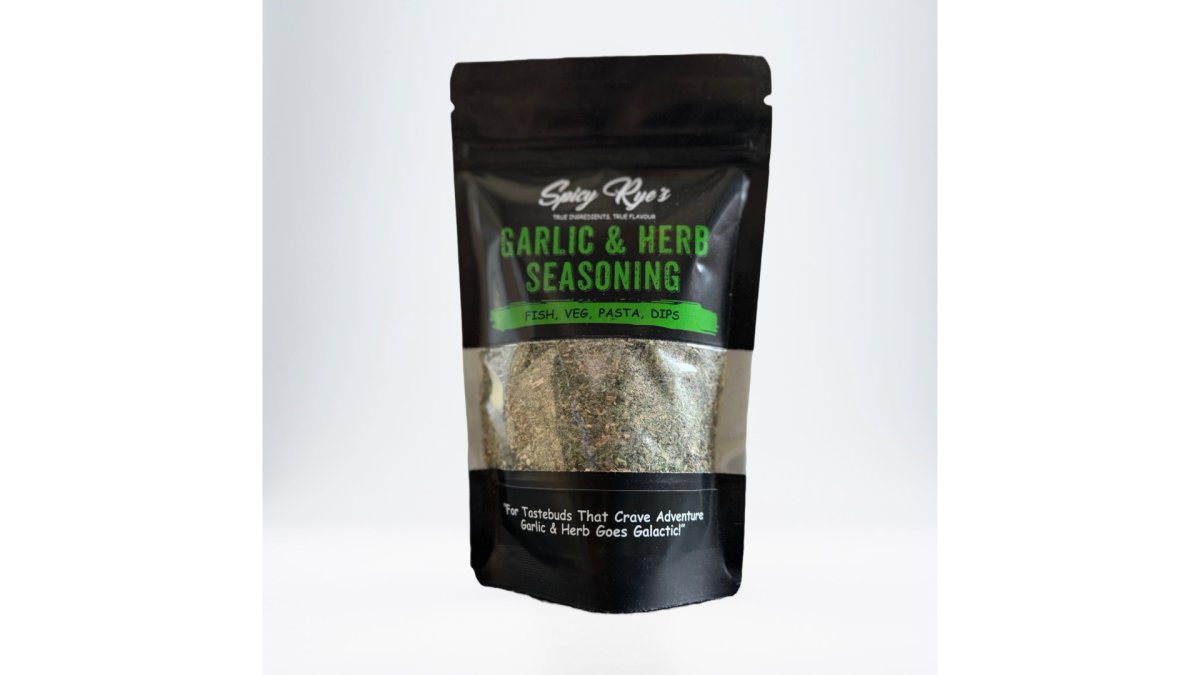
A blend like our Garlic & Herb Seasoning delivers garlic, herbs, and citrus zest in one shake, making it an easy win for weeknight dinners. For meat and seafood, a Sea Salt & Triple Pepper blend adds depth without overpowering the main ingredient.

How to Use Chilli Vinegar for Flavor That Cuts Through
Knowing how to use chilli vinegar for flavour is a skill that separates good home cooks from great ones. It is not just a condiment for chips; it is a finishing acid that adds heat and brightness in one move. Use it late in cooking so the vinegar's volatility does not cook off.
Add a splash to pan sauces after deglazing, drizzle it over roasted vegetables just before serving, or whisk it into a vinaigrette for salads. It also works brilliantly as a marinade base for meats, where the acid tenderises while the chilli infuses heat. A single bottle replaces several single-purpose ingredients.
Common Mistakes That Kill Flavor (And How to Avoid Them)
Many home cooks unknowingly sabotage their own dishes. One of the most common mistakes is cooking herbs and spices for too long, which drives off their volatile oils and leaves the dish flat. Add delicate fresh herbs in the final minutes, not the first.
Another frequent error is overcrowding the pan. When you pile food into a cold or crowded pan, it steams instead of searing, preventing the Maillard reaction that creates that desirable browned crust. Cook in batches and let the pan get properly hot before adding food.
Failing to taste as you cook is perhaps the biggest problem. Seasoning is a continuous dialogue with your dish, taste, adjust, and taste again. If you only season at the end, you miss the chance to build layers of flavour throughout cooking.
Flavor Mapping: Build Your Own Rescue Plan
Flavor mapping is a simple framework for diagnosing what a dish needs. When a meal tastes bland, identify what is missing by considering the five tastes and the role of texture. This helps you move beyond guesswork and build a repeatable rescue plan.
The Flavor Diagnostic Chart
Use this chart as a quick reference when a dish misses the mark. Taste the food first, then match the symptom to the fix.
| Symptom You Notice | Likely Missing | Immediate Fix | Longer-Term Adjustment |
|---|---|---|---|
| Tastes flat or one-dimensional | Salt | Add a pinch of flaky salt, stir, and taste | Season in layers from the start of cooking |
| Tastes heavy or greasy | Acidity | Squeeze of lemon or a splash of chilli vinegar | Balance rich ingredients with a bright element from the beginning |
| Tastes watery or thin | Umami | Stir in a teaspoon of miso, soy sauce, or tomato puree | Reduce the sauce or stock to concentrate flavour |
| Tastes sharp or harsh | Sweetness | Add a pinch of sugar or a drizzle of honey | Caramelise onions or add roasted vegetables for natural sweetness |
| Tastes boring texturally | Contrast | Top with toasted nuts, crispy shallots, or fresh herbs | Incorporate a crunchy element during cooking, such as breadcrumbs |
| Tastes bland after a few bites | Palate fatigue | Serve with a contrasting flavour, pickled vegetables, a sharp salsa, or a citrus wedge | Build in contrasting tastes and textures across the whole meal |
Why Food Tastes Bland After a Few Bites
A common frustration is a dish that tastes fine on the first forkful but goes dull by the third. This is palate fatigue, your taste receptors adapt to a constant stimulus and stop sending strong signals to the brain. It is not a flaw in your cooking; it is biology.
The fix is contrast. If your meal is predominantly savoury and rich, introduce a sharp or acidic element on the side. A spoonful of pickled red onions, a few cornichons, or a wedge of lemon lets diners reset their palate between bites. This is why many restaurant garnishes are functional, not just decorative.
A Beginner's Spice Pairing Guide
For novice cooks, the hardest part is knowing which spices work with which proteins or vegetables. This simple map removes the guesswork:
- Chicken: Pairs well with garlic, thyme, lemon zest, smoked paprika, and tarragon.
- Beef: Benefits from black pepper, bay leaf, rosemary, and a touch of anchovy or Worcestershire sauce for umami.
- Fish: Lighter spices work best, dill, chives, fennel seed, and citrus zest. Avoid heavy blends that mask the delicate flavour.
- Root vegetables (potatoes, carrots, parsnips): Take well to warm spices like cumin, coriander, and smoked paprika, plus a finishing hit of vinegar.
- Green vegetables (broccoli, green beans, spinach): Need acid and heat, chilli flakes, garlic, and a squeeze of lemon at the end.
Building Your Own Rescue Kit
Once you understand the map, assemble a small kit of rescue ingredients that covers every gap:
- Salt: Flaky sea salt for finishing, fine salt for cooking.
- Acid: A good white wine vinegar, a chilli vinegar, and a lemon or lime.
- Umami: Soy sauce, miso paste, or anchovy fillets.
- Sweetness: Honey or maple syrup for balancing sharp sauces.
- Texture: Toasted nuts, panko breadcrumbs, or crispy fried shallots.
With this kit, you can diagnose and fix any bland meal in under five minutes. The goal is to make this diagnostic process second nature, so you instinctively know whether a dish needs more salt, a squeeze of lemon, or a spoonful of something savoury.

Conclusion: From Bland to Bold in Minutes
Rescuing a bland meal does not require culinary training or a shelf full of obscure ingredients. It requires understanding the sequence of salt, acid, umami, aromatics, and texture, and having the right tools on hand. The difference between a forgettable dinner and a memorable one is often just a few minutes of focused seasoning at the end.
Our range, from a bright Lemon Pepper Sauce to a sweet-heat Mango Pepper Sauce, is crafted to deliver unbeatable flavour in a single pour or shake. Get started with Spicy Rye's and turn your weeknight meals from bland to bold in minutes.

Frequently Asked Questions
How can I add flavour to food without salt?
Skip the salt shaker and reach for acidity and aromatics instead. A squeeze of lemon juice, a splash of vinegar, or a spoonful of chilli vinegar brightens dull dishes instantly. Garlic, ginger, and onion add depth, while fresh herbs like parsley or coriander bring a clean finish. Try toasting whole spices before adding them to release their oils. Umami-rich ingredients like mushrooms, tomatoes, or a dash of soy sauce also deliver savoury satisfaction without a single grain of salt.
What are the best seasonings for bland food?
A quality seasoning blend does the heavy lifting for you. Look for one that combines salt, aromatics, and a touch of acid or citrus zest, like a garlic and herb blend. It should be versatile enough for chicken, vegetables, pasta, and eggs. For heat lovers, a blend with black pepper, white pepper, and red peppercorns adds complexity. Always taste before adding more, since seasonings vary in intensity. A good blend transforms a dull meal into something worth eating in seconds.
How do you fix a tasteless stew?
A tasteless stew usually needs three things: salt, acid, and umami. First, check your salt level and adjust it in small increments. Next, add a tablespoon of vinegar or a squeeze of citrus to brighten the heavy flavours. For depth, stir in a spoonful of chilli jam, tomato paste, or a dash of soy sauce. If the texture feels flat, a knob of butter or a swirl of cream adds richness. Let it simmer for five minutes, then taste again.
How do you make bland chicken taste better?
Fix bland chicken by building flavour in layers. If it's already cooked, shred it and toss it in a pan with a splash of chilli vinegar, a knob of butter, and a generous pinch of your favourite seasoning blend. The acid cuts through the dullness while the fat carries the spices. For raw chicken, marinate it for at least 30 minutes with oil, acid, and seasonings before cooking. Remember that white meat benefits from a final seasoning pass right before serving.