

Table of Contents
- What Makes Gourmet Vinegar Different from Supermarket Staples
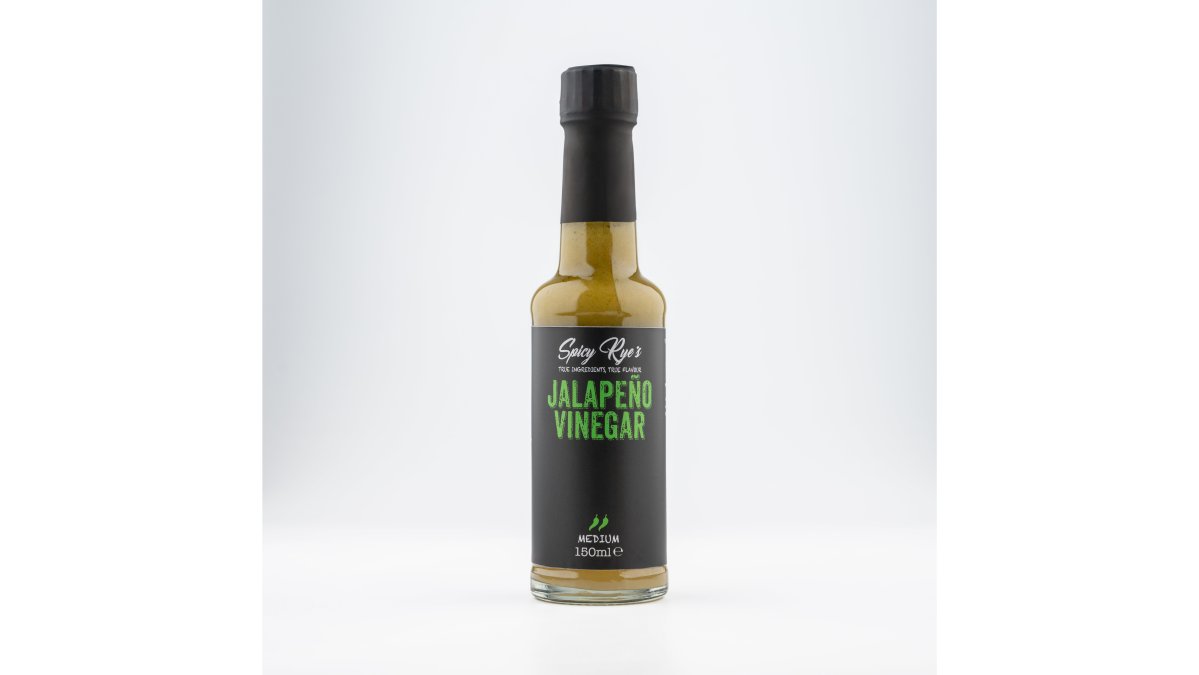
- 1. Jalapeño Vinegar: Fresh Green Heat for Everyday Dishes
- 2. Chipotle Vinegar: Smoky Depth for Marinades and Glazes
- 3. Scotch Bonnet Vinegar: Tropical Fire for Bold Flavours
- 4. Habanero Vinegar: Fruity Heat for Sauces and Dressings
- Best Vinegar for Salad Dressing and Emulsification
- How to Use Chilli Vinegar in Cooking: Practical Applications
- Storage, Shelf Life, and Pantry Essentials
- Frequently Asked Questions
Last Updated: September 4, 2026
Gourmet chilli vinegars deliver acidity, heat, and distinct flavour in a single pour, transforming home cooking far beyond standard supermarket bottles.
Spicy Rye's small-batch chilli vinegars function as finishing tools, delivering clean heat and true pepper character. This guide covers four varieties and their practical applications.
What Makes Gourmet Vinegar Different from Supermarket Staples
Gourmet vinegars differ in fermentation method, acidity level, and processing. Standard vinegars (4-5% acidity) are rapidly fermented and heavily filtered. Gourmet versions start with quality bases like wine or cider, infused with whole chillies and often retaining the mother of vinegar for aroma and complexity.
Understanding Acidity and pH
Acidity denatures proteins, which is why vinegar tenderises meat and brightens dishes. Choose vinegar strength based on cooking time and desired intensity.
Vinegar added to a hot pan breaks down fat-soluble flavour compounds, making them more volatile and aromatic. Traditional fermentation preserves these compounds better than industrial methods, which is why sourcing matters.
Fermentation Method and Flavour Retention
Pepper variety shapes flavour: fresh jalapeño brings green, vegetal notes; smoked chipotle adds barbecue-like depth. Fermentation method determines whether those flavours survive to your plate.
Mass-produced versions often add chilli extract after fermentation, which tastes flatter and fades faster than infusions into slowly fermented bases.
The presence of the mother, a cellulose layer formed during fermentation, is a visible marker of minimal processing. It is harmless and actually a sign that beneficial bacteria remain in the bottle, which some home cooks prefer for gut health, though this is not a primary cooking consideration. If you want to understand how acidity functions in food and what to look for in ingredient lists, the UK Food Standards Agency guidance on food labelling and ingredients offers a useful reference.
Practical Implications for Home Cooking
For everyday cooking, 5-6% vinegar is ideal. Aged vinegars (12+ months) develop rounder acidity; young vinegars (under 6 months) are more assertive for marinades and gastriques.

1. Jalapeño Vinegar: Fresh Green Heat for Everyday Dishes
Jalapeño vinegar is the most approachable entry point, with polite heat and fresh, grassy quality. It is ideal for salad dressing when you want brightness without overwhelming other ingredients.
Use it to finish guacamole, splash into vinaigrette, or deglaze a pan after searing chicken. The green heat cuts through fat and pairs well with avocado, crema, and soft cheeses.
2. Chipotle Vinegar: Smoky Depth for Marinades and Glazes
Chipotle vinegar carries deep, earthy smokiness that standard vinegars cannot replicate. Reach for it when you want barbecue flavour without firing up the grill.
For marinades, combine chipotle vinegar with a little brown sugar and oil, then coat pork, chicken, or firm vegetables like halloumi. The acidity tenderises the protein while the smoke builds a crust during cooking. It also works as a glaze: reduce it gently with honey and brush over grilled meats in the final minutes. The Soil Association organic standards for food production highlight why sourcing quality ingredients matters, and it shows in the depth of a properly smoked chilli infusion.
3. Scotch Bonnet Vinegar: Tropical Fire for Bold Flavours
Scotch bonnet vinegar brings serious heat with fruity, apricot-like sweetness. It excels in Caribbean-inspired dishes, adding fire and tropical lift.

Use it in rice and peas, pepper sauce, or coconut curries to balance richness. The fruitiness works well in mango or pineapple salsas.
4. Habanero Vinegar: Fruity Heat for Sauces and Dressings
Habanero vinegar leans citrus-forward with orange and apricot notes. The intense, quick-building heat rewards careful measuring. It is the most versatile for sauces and dressings, complementing both savoury and slightly sweet applications.

Whisk it into honey-mustard dressing or add to pan sauce after roasting pork. It makes an exceptional gastrique: simmer with sugar until syrupy, then spoon over duck or grilled stone fruit.
| Vinegar | Heat Level | Flavour Profile | Best Use |
|---|---|---|---|
| Jalapeño | Mild | Fresh, green, vegetal | Salad dressings, salsas, finishing |
| Chipotle | Medium | Smoky, earthy, rich | Marinades, glazes, barbecue |
| Scotch Bonnet | High | Fruity, tropical, intense | Caribbean dishes, curries, pepper sauce |
| Habanero | Very High | Citrus, fruity, sharp | Sauces, gastriques, dressings |
Best Vinegar for Salad Dressing and Emulsification
Jalapeño vinegar is ideal for salad dressing, emulsifying cleanly. Use roughly three parts oil to one part vinegar with mustard or honey as binder. Whisk vinegar with mustard first, then add oil slowly. For creaminess, blend in yoghurt or crème fraîche.
How to Use Chilli Vinegar in Cooking: Practical Applications
Using chilli vinegar effectively means matching intensity to ingredient weight. Think of it as a seasoning tool with three roles: tenderiser, brightener, and flavour builder.
Pairing Vinegar to Protein and Vegetables
Match vinegar intensity to ingredient richness. Jalapeño suits delicate proteins (white fish, chicken, prawns) and raw vegetables. Chipotle or habanero work with medium proteins (pork, salmon) and roasted vegetables. Scotch bonnet or habanero handle rich proteins (beef, duck, lamb) and starchy vegetables.
Marinades: Timing and Acidity
A 5-6% vinegar softens protein in 2-4 hours; longer than 8 hours risks over-tenderising. For quick marinades, use higher-acid vinegars; for overnight, use milder ones. Basic ratio: 1 part vinegar, 2 parts oil, 1 part liquid, plus aromatics. Oil slows penetration; liquid balances acidity.
Deglazing and Pan Sauces
Splash chilli vinegar into a hot pan after searing to dissolve fond. Add 50-100 ml, bubble for 30 seconds, then whisk in butter or cream. Add honey or soy sauce to balance acidity. Jalapeño suits light proteins; chipotle or habanero suit heavier ones.
Gastriques: Vinegar-Based Sauces
A gastrique is vinegar reduced with sugar until syrupy. Melt 50g sugar until amber, add 100 ml vinegar carefully, simmer until halved. Habanero pairs with duck or stone fruit; chipotle suits pork or grilled vegetables; scotch bonnet works with Caribbean dishes.
Finishing and Brightening
Add chilli vinegar at the end of cooking to preserve pepper aromas. Stir into braised greens before removing from heat, dash into soups before serving, or toss with roasted vegetables. Start with a teaspoon and taste; vinegar is forgiving in small amounts but overpowering in large ones.
Storage, Shelf Life, and Pantry Essentials
Chilli vinegar is remarkably shelf-stable thanks to its acidity, which naturally inhibits bacterial growth. An unopened bottle will keep for years in a cool, dark cupboard. Once opened, it retains peak flavour for six to twelve months, though you will likely finish it long before then.
Store it away from direct sunlight and heat, which can dull the pepper's brightness over time. The NHS guidance on food storage and kitchen safety offers practical advice on keeping pantry items at their best. A sediment forming at the bottom is normal and actually a good sign; it is pepper solids settling, not spoilage. Give the bottle a shake before each use to redistribute the flavour.
Frequently Asked Questions
What makes gourmet vinegar different from standard white vinegar you'd find in a supermarket?
Gourmet vinegar is crafted with premium ingredients and intentional fermentation processes that develop complex flavour profiles. Standard supermarket vinegars are often distilled and lack the depth that comes from quality sourcing and ageing. Chilli-infused varieties add layers of heat, fruitiness, and umami that transform simple dishes into restaurant-quality meals. The difference shows immediately when you taste it, gourmet vinegars brighten dressings, balance acidity naturally, and work harder in marinades.
How do I choose the best vinegar for salad dressing?
For salad dressing, select a vinegar that complements your greens and other ingredients. Jalapeño Vinegar works well with lighter salads and fish, while Habanero Vinegar suits hearty greens and roasted vegetables. Look for vinegars with balanced acidity that won't overpower delicate leaves. The key is matching the vinegar's heat level and flavour profile to your dish, milder dressings benefit from fresher, green-forward vinegars, while rich salads handle smoky or fruity varieties better. Quality vinegars also emulsify more effectively with oils, creating smoother, more cohesive dressings.
Can I use chilli vinegar in everyday cooking, or is it just for spicy dishes?
Chilli vinegar works brilliantly in everyday cooking when you understand how to balance its heat and acidity. Use it sparingly in neutral dishes, a splash deglazes a pan beautifully, adds complexity to soups, or brightens grilled vegetables without overwhelming them. The trick is treating it as a seasoning rather than a main ingredient. Even non-spice enthusiasts appreciate the flavour depth it adds to marinades, barbecue sauces, and pickling brines. Start with small amounts and adjust to your taste preference.
How long does gourmet vinegar last once opened, and how should I store it?
Premium vinegars have excellent shelf life, typically 18-24 months or longer when stored properly. Keep bottles in a cool, dark cupboard away from direct sunlight and heat sources, which can degrade the flavour profile and acidity. A sealed bottle maintains quality far longer than an open one. Once opened, vinegar remains stable for months as long as you keep the cap tight. Unlike fresh ingredients, vinegar doesn't spoil easily; the acidity naturally preserves it. Proper storage ensures your investment delivers consistent flavour every time you use it.
What's the difference between aged and young vinegars, and which should I buy?
Young vinegars are bright, sharp, and deliver immediate punch, ideal for dressings and quick marinades where you want assertive acidity. Aged vinegars develop deeper, more complex flavours through extended fermentation and can include subtle sweetness, umami, and smoothness. For home cooking, young chilli vinegars offer versatility and bold flavour that works across most dishes. Aged varieties suit refined applications like finishing sauces or special occasion cooking. Your choice depends on how you plan to use it; versatile home cooks benefit most from quality young vinegars that work across multiple applications.
Choosing the right gourmet vinegar for home cooking transforms everyday meals from routine to remarkable. Spicy Rye's chilli vinegars are crafted with premium ingredients and no artificial additives, giving you a versatile range from fresh green heat to deep smoky sweetness. Add the jalapeño for dressings, the chipotle for marinades, and the habanero for sauces, and your pantry will never feel limited again. Get started with Spicy Rye's and bring restaurant-level acidity and heat to your table.
This article was written using GrandRanker