
Table of Contents
- What Is Lemon Pepper Seasoning?
- Homemade Lemon Pepper Seasoning Ingredients
- How to Use Lemon Pepper Seasoning on Chicken
- Lemon Pepper Seasoning Substitutes
- Storage, Shelf Life, and Troubleshooting
- Global Culinary Applications and Flavour Science
- Frequently Asked Questions
Last Updated: September 23, 2026
What Is Lemon Pepper Seasoning?
Lemon pepper seasoning is a dry blend of dried lemon zest, cracked black pepper, salt, and supporting aromatics used to add sharp citrus and heat to cooked and raw dishes alike. At Spicy Rye's, we treat it as one of the most versatile blends a home kitchen can hold, because it works as a dry rub, a finishing dust, and a marinade base without any extra effort. The blend earns its place on the spice rack for one reason: it delivers a bright, zesty punch that plain black pepper simply cannot. That is why the exact phrase lemon pepper seasoning shows up in so many weeknight recipes, and why it deserves a proper breakdown rather than a one-line definition.

The key distinction most guides skip: commercial blends vary wildly in quality. Some lean heavily on citric acid for a sour hit with almost no real citrus oil. Others bury the pepper under cheap salt. Understanding what goes into the blend, and how to make your own, is the difference between a flat dusting and a genuinely vibrant seasoning.
Homemade Lemon Pepper Seasoning Ingredients
A reliable homemade lemon pepper seasoning comes down to four core components: dried lemon zest, cracked black pepper, salt, and a small amount of aromatic support. Get the ratio right and the blend will outperform most supermarket jars within a single meal, but it helps to understand exactly what you are beating, and why.

The standard starting ratio is roughly equal parts dried lemon zest and cracked black pepper, then adjust salt to taste. From there, build in layers:
- Dried lemon zest for the citrus backbone
- Cracked black pepper for heat and bite
- Sea salt for seasoning and preservation
- Garlic granules and onion powder for savoury depth
- Citric acid for a sharp, shelf-stable sour note
- Dried thyme and parsley for herbal lift
A common mistake is grinding the pepper too fine. A coarse grind keeps the blend from turning into powder and gives each bite a proper hit of heat.
Homemade Versus Commercial: What You Are Actually Comparing
Most supermarket lemon pepper blends are built to a different brief than a home blend. Three differences matter more than the rest.
Sodium load. Salt is the cheapest ingredient in any commercial blend, so it is usually the largest by weight. A typical jar lists salt first on the ingredients panel, ahead of pepper and lemon. That means you are paying for salt you could add yourself, and you lose control over how much seasoning you can apply before a dish turns salty.
Dried Lemon Zest: The Heart of the Blend
Dried lemon zest is what separates real lemon pepper seasoning from a pepper shaker with a sour aftertaste. The zest holds the lemon's essential oils, and those oils carry the aromatic citrus notes that survive drying far better than juice ever could.
Balancing Act: Pepper, Salt, and Aromatics
Balance is where most homemade blends fail. Too much salt and the citrus disappears. Too little and the blend won't keep. A practical approach is to start with your zest and pepper as the base, then add salt in small increments, tasting as you go.
How to Use Lemon Pepper Seasoning on Chicken
The best way to use lemon pepper seasoning on chicken is as a dry rub applied before cooking, then finished with a fresh squeeze of lemon after. This two-stage approach gives you both the concentrated citrus from the blend and the fresh brightness that heat destroys.

Lemon Pepper Seasoning Substitutes
When you're out of lemon pepper seasoning, the closest substitute is a mix of freshly cracked black pepper, a pinch of lemon zest if you have it, and a small amount of citric acid or lemon juice powder. If you have none of those, a combination of black pepper and a squeeze of fresh lemon over the finished dish gets you most of the way there.
Here's how the common options compare:
| Substitute | Closest Match | Best For | Watch Out For |
|---|---|---|---|
| Cracked pepper + fresh lemon | High | Finishing cooked dishes | Won't work as a dry rub |
| Lemon zest + pepper + salt | Very high | Homemade replacement | Needs fully dried zest |
| Pepper + citric acid | Medium | Dry rubs and marinades | Lacks citrus aroma |
| Plain black pepper | Low | When nothing else is available | No citrus note at all |
| Lemon pepper sauce | High | Glazing and drizzling | Adds moisture, not a dry rub |
Storage, Shelf Life, and Troubleshooting
Store lemon pepper seasoning in an airtight jar away from heat, light, and moisture, where it will hold its flavour for around six months before the citrus notes begin to fade. The pepper and salt will last far longer, but the essential oils in the zest are the first thing to go.
Three common problems and how to fix them:
- Blend clumps in the jar: moisture has got in. Add a few grains of rice or a food-safe desiccant packet to absorb it.
- Citrus flavour has faded: the oils have oxidised. Revive the blend with a small amount of fresh dried zest, or finish dishes with fresh lemon instead.
- Blend tastes too salty: you used a salted commercial blend plus added salt. Cut back on added salt in the recipe itself.
Global Culinary Applications and Flavour Science
Lemon pepper seasoning shows up across far more cuisines than most cooks realise, and understanding why it works helps you use it more confidently. The flavour profile rests on a simple principle: fat-soluble citrus oils from the zest dissolve into the fats in your food, while the pepper's piperine delivers heat that the acid in the lemon sharpens rather than masks.
The Chemistry Behind the Blend
The interaction is worth spelling out, because it explains why the blend behaves the way it does. Lemon zest's aromatic oils, limonene, citral, and citronellal, are non-polar molecules, which means they dissolve readily in fat but barely at all in water. That is why the seasoning clings to and flavours oily fish, butter, olive oil, and rendered chicken fat so effectively, and why it can taste muted on a plain steamed vegetable with no fat to carry it.
Where It Works Across Cuisines
- Mediterranean: Dusted over grilled sea bass or bream, then finished with olive oil and a squeeze of lemon. The zest's oils dissolve into the fish's natural fats, and the pepper stands up to the char from the grill.
- Middle Eastern and North African: Used as a dry rub on roast cauliflower, aubergine, or courgette before they go into a hot oven. The blend caramelises slightly against the vegetables' natural sugars, adding a savoury, almost umami depth.
- North American: The classic pairing on roast or fried chicken, and stirred into melted butter as a finishing glaze. The butter carries the citrus oils across the surface and gives a glossy crust.
- East and Southeast Asian fusion: Sprinkled over rice bowls, noodles, or grilled prawns in place of plain pepper, where the citrus note cuts through soy, sesame, and chilli.
- Everyday snacks: On chips, popcorn, or mixed into breadcrumbs for a zesty coating on schnitzel or fishcakes.
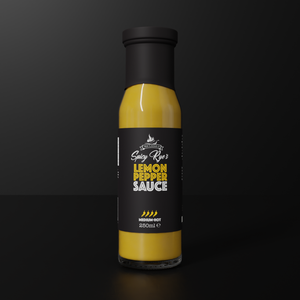
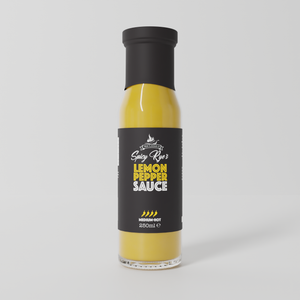
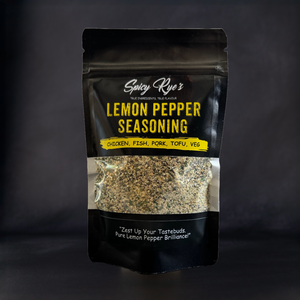
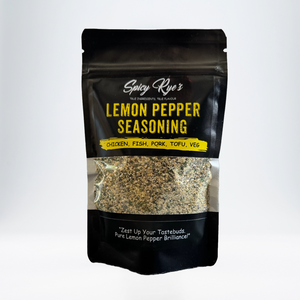
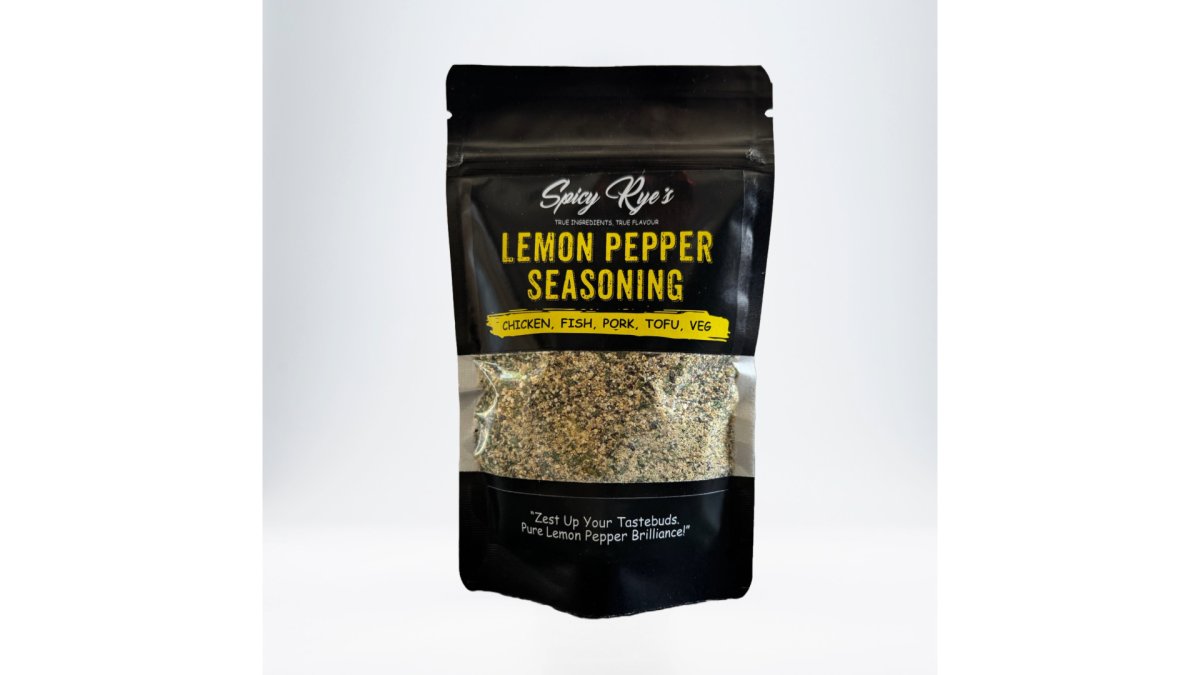
If you'd rather skip the guesswork of blending your own, Spicy Rye's lemon pepper seasoning is built on 30% lemon zest powder with cracked black pepper, sea salt, garlic, onion, citric acid, and dried herbs, so the citrus stays front and centre. For glazing and drizzling, their lemon pepper sauce and honey and lemon pepper sauce carry the same bright, peppery character in a pourable form.
Frequently Asked Questions
Can you get lemon pepper seasoning in the UK?
Yes, lemon pepper seasoning is available in most UK supermarkets and online. For a premium option, Spicy Rye's offers a Lemon Pepper Seasoning made with real lemon zest powder, cracked black pepper, and no artificial additives. It costs £5.65 and delivers a bright, zesty punch that supermarket blends often lack. You can also make your own using dried lemon zest and common spices.
What is a good substitute for lemon pepper seasoning?
If you're out of lemon pepper seasoning, combine equal parts cracked black pepper and dried lemon zest, then add a pinch of salt and garlic powder. For a quick fix, mix freshly ground black pepper with a squeeze of lemon juice, but only use this in wet dishes as the juice can make dry rubs soggy. Alternatively, try Spicy Rye's Lemon Pepper Sauce for a tangy, ready-made substitute.
How do you make your own lemon pepper spice at home?
To make homemade lemon pepper seasoning, dry lemon zest until brittle, then grind it with cracked black pepper, sea salt, garlic granules, and onion powder. For extra depth, add a pinch of citric acid and dried thyme. Store in an airtight jar away from light. This blend keeps for up to six months, and you can adjust the pepper-to-zest ratio to suit your taste.
Which dishes pair best with lemon pepper seasoning?
Lemon pepper seasoning shines on chicken, fish, and roasted vegetables. Try it on potato wedges before roasting for citrusy fries, or mix it into breadcrumbs for a zesty coating on fish or schnitzel. It also works as a dry rub for grilled meats, a popcorn topping, or a finishing touch for salads. For a bold twist, use Spicy Rye's Lemon Pepper Sauce as a marinade for wings or a drizzle over seafood.