
Table of Contents
- Quick Comparison: Chilli Vinegar for Seafood
- How We Selected the Best Chilli Vinegar for Seafood
- 1. Jalapeño Vinegar: Best for Fish and Chips
- 2. Scotch Bonnet Vinegar: Best for Sushi
- 3. Habanero Vinegar: Best for Oysters
- 4. Chipotle Vinegar: Best for Grilled Seafood
- How to Use Chilli Vinegar with Seafood
- Storage, Shelf Life and Food Safety
- Frequently Asked Questions
Last Updated: October 10, 2026
Quick Comparison: Chilli Vinegar for Seafood
When it comes to pairing chilli vinegar with seafood, the best chilli vinegar seafood depends entirely on what you're cooking. A jalapeño vinegar brings bright, grassy heat to fish and chips. Scotch bonnet offers fruity fire for sushi and raw preparations. Habanero delivers intense, tropical warmth for oysters and delicate shellfish. Chipotle adds smoky depth to grilled fish and prawns.

At Spicy Rye's, we've crafted four distinct infused vinegars, each designed to elevate seafood dishes in different ways. Rather than a one-size-fits-all condiment, we believe the best chilli vinegar for seafood should match both the cooking method and the fish itself.
| Chilli Vinegar | Heat Level | Flavour Profile | Best Seafood Pairing | Price |
|---|---|---|---|---|
| Jalapeño Vinegar | Medium | Fresh, grassy, bright | Fish and chips, battered fish | £6.95 |
| Scotch Bonnet Vinegar | High | Fruity, tropical, fiery | Sushi, ceviche, raw fish | £6.95 |
| Habanero Vinegar | Very High | Fruity, intense, complex | Oysters, scallops, delicate shellfish | £6.95 |
| Chipotle Vinegar | Medium-High | Smoky, earthy, rich | Grilled fish, salmon, prawns | £6.95 |
How We Selected the Best Chilli Vinegar for Seafood
Choosing the right chilli vinegar requires understanding three core factors: the heat level you can handle, the flavour profile that complements your fish, and the cooking method you're using.
Heat tolerance matters more than you might think. A vinegar that's too aggressive will overpower delicate white fish. Too mild, and it disappears entirely. We tested each of our four chilli vinegars across different seafood types to identify which pairings create harmony rather than conflict.
Flavour profiles are equally critical. A fresh, green jalapeño works beautifully with crispy batter because it echoes the brightness of lemon. Fruity Scotch bonnet complements raw fish because it adds complexity without heat dominating. Smoky chipotle pairs with grilled preparations because both share caramelised, charred notes.

The cooking method shapes everything. Fried fish needs acidity to cut through richness. Raw preparations benefit from vinegars that add complexity. Grilled seafood pairs with smoky, deeper flavours. We've organised our recommendations around these real-world cooking scenarios.
1. Jalapeño Vinegar: Best for Fish and Chips
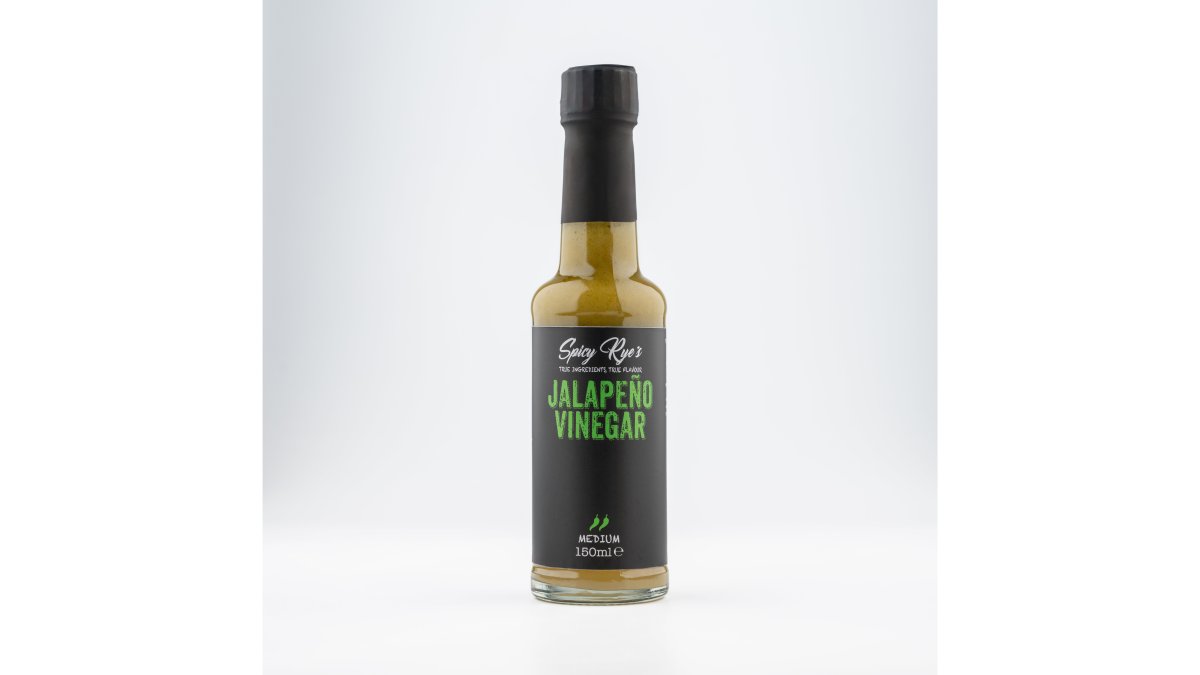
Jalapeño vinegar is the gateway chilli vinegar for seafood lovers. Its fresh, green heat and tangy brightness cut through rich, battered fish without overwhelming delicate white meat. The jalapeño pepper brings a grassy complexity that echoes traditional lemon pairings while adding genuine spice.
This is our recommendation for anyone new to chilli vinegar for seafood. It's forgiving, versatile, and genuinely elevates the classic fish and chips experience. A light drizzle over hot chips brings warmth without harshness. Splashed into tartar sauce, it transforms a standard condiment into something memorable.
What makes jalapeño work so well here is the balance between heat and flavour. Jalapeños deliver medium spice without the fruity sweetness of hotter peppers. They won't dominate your fish. Instead, they sharpen the existing flavours and add a subtle kick that makes people ask what you've done differently.
The Spicy Rye's Jalapeño Vinegar (£6.95) works equally well as a finishing drizzle, a marinade base, or mixed into mayo for a spicy tartare. Its versatility means you'll use it beyond seafood, it's excellent on salads, roasted vegetables, and even as a dipping sauce for grilled meats.
2. Scotch Bonnet Vinegar: Best for Sushi
Scotch bonnet vinegar transforms raw fish preparations. Its fruity undertones and fiery punch complement sushi, ceviche, and crudo without overpowering the delicate texture of raw seafood. The Scotch bonnet pepper brings tropical warmth, think Caribbean heat with mango and citrus notes underneath.
This is where chilli vinegar for seafood becomes genuinely sophisticated. Raw fish demands a vinegar that adds complexity rather than simple heat. Scotch bonnet delivers both. The fruitiness echoes the sweetness of fresh fish. The heat arrives as a lingering warmth rather than an immediate burn.
Use Scotch bonnet vinegar as a drizzle across sushi rolls, mixed into soy dipping sauce, or splashed over ceviche before serving. A small amount goes a long way. The intensity means you'll use less vinegar overall, which preserves the delicate flavours of your raw fish.
For sushi specifically, Scotch bonnet works because it doesn't compete with wasabi and soy sauce. Instead, it adds a third layer of heat that feels complementary rather than redundant. Many sushi enthusiasts prefer it to traditional chilli oil because the acidity brightens the entire dish.
The Spicy Rye's Scotch Bonnet Vinegar (£6.95) carries the authentic fruity character of Caribbean peppers. It's equally at home in marinades for fish tacos or drizzled over grilled tropical fruit.
3. Habanero Vinegar: Best for Oysters
Habanero vinegar is the connoisseur's choice for delicate shellfish. Oysters, scallops, and other raw or lightly cooked molluscs benefit from habanero's intense heat and fruity complexity. The habanero pepper delivers genuine fire, this is a vinegar for experienced heat seekers, but it's never one-dimensional.

What separates habanero from other hot peppers is the fruity depth underneath the burn. Habaneros carry notes of apricot, mango, and citrus. These flavours enhance rather than mask the briny sweetness of oysters. A single drop on a fresh oyster creates an extraordinary combination: the cool, mineral brininess against warm, fruity heat.
This is not a beginner's chilli vinegar for seafood. If you're comfortable with medium heat, start with jalapeño or Scotch bonnet first. Habanero demands respect and an appreciation for genuine spice. But for oyster lovers and heat enthusiasts, it's transformative.
The Spicy Rye's Habanero Vinegar (£6.95) works beautifully in seafood cocktails, as a finishing touch on ceviche, or mixed into mignonette sauce for oysters. Its tropical heat pairs exceptionally well with shellfish preparations that include citrus or coconut.
4. Chipotle Vinegar: Best for Grilled Seafood
Chipotle vinegar is the smoky bridge between raw and cooked seafood preparations. When you're grilling fish, smoking prawns, or searing scallops, chipotle vinegar adds depth that matches the caramelised, charred flavours already present in your dish. The chipotle pepper brings earthy, smoky warmth without excessive heat.
This is where chilli vinegar for seafood becomes genuinely versatile for everyday cooking. Chipotle works across multiple cooking methods. Brush it onto salmon before grilling. Mix it into butter for basted fish. Drizzle it over grilled prawns. The smoky character complements the cooking process itself.
What makes chipotle special is the balance between heat and flavour. It's medium-hot, warmer than jalapeño, less intense than habanero, but the smoky undertones give it personality that pure heat never delivers. You're not just adding spice. You're adding complexity.
The Spicy Rye's Chipotle Vinegar (£6.95) is equally excellent in marinades for grilled fish, mixed into barbecue sauces, or used as a finishing drizzle on smoked salmon. Its versatility makes it a staple for cooks who grill frequently.
How to Use Chilli Vinegar with Seafood
Using chilli vinegar with seafood is straightforward, but technique matters. The best approach depends on whether you're working with raw fish, fried preparations, or grilled seafood.
For raw fish and sushi, use chilli vinegar as a finishing element. Add it just before serving, a light drizzle across the plate or mixed into your dipping sauce. The acidity brightens the dish, and the heat arrives as a warming contrast to cold fish.
For fried seafood like fish and chips, splash chilli vinegar directly onto hot food. The heat carries the flavour into the crispy coating. Alternatively, mix it into tartar sauce or mayo for a spicy condiment. The richness of fried fish needs the acidity to feel balanced.
For grilled or pan-seared preparations, chilli vinegar works as both marinade and finishing touch. Use it before cooking to add flavour depth, then drizzle again after cooking for brightness.
A common mistake is using too much vinegar too early. Start with a light drizzle. Taste. Add more if needed. Chilli vinegar is potent, a little goes further than you expect. This restraint preserves the delicate flavours of your seafood rather than masking them.
Many cooks create compound butters by mixing softened butter with chilli vinegar, then placing a dollop on hot grilled fish. The butter melts, carrying the vinegar's heat and acidity across the fish. This technique works beautifully for salmon, halibut, and other substantial white fish.
For marinades, use chilli vinegar as 25-30% of your liquid base. Combine it with oil, garlic, and herbs. Marinate fish for 15-30 minutes before cooking. Longer marinating times risk the acidity beginning to cure the fish, which changes texture and flavour in ways you may not want.
Storage, Shelf Life and Food Safety
Chilli vinegar has a long shelf life because vinegar itself is a preservative. The acidity creates an environment where harmful bacteria cannot thrive (pubmed.ncbi.nlm.nih.gov).
When using chilli vinegar with seafood, apply basic food safety practices. Don't let raw fish sit at room temperature for extended periods before cooking. If you're marinating raw fish with chilli vinegar, keep the bowl refrigerated.
For cooked seafood, the same rules apply as any other prepared dish. Use chilli vinegar as a finishing touch rather than a preservation method. Don't leave cooked fish sitting at room temperature for more than 2 hours.
Finding the best chilli vinegar for seafood transforms how you cook fish and shellfish at home. Each of our four Spicy Rye's vinegars, Jalapeño, Scotch Bonnet, Habanero, and Chipotle, brings distinct heat levels and flavour profiles that elevate different seafood dishes. Start with Jalapeño Vinegar if you're new to spiced condiments, then explore the others as your palate develops. Shop now and discover how premium, naturally crafted chilli vinegar becomes an essential pantry staple for seafood lovers.
Frequently Asked Questions
What's the best chilli vinegar for fish and chips?
Jalapeño Vinegar works beautifully with fish and chips because its fresh, green heat complements the richness of battered fish without overpowering it. The tangy profile cuts through the oil and adds brightness to every bite. Drizzle it over hot chips or use it as a dipping sauce for a spicy twist on the classic.
Can chilli vinegar be used as a seafood marinade?
Yes. Chilli vinegar works as a marinade base for prawns, scallops, and firm white fish. Mix it with oil and aromatics like garlic and basil to create a balanced marinade. The acidity tenderises the flesh while the chilli heat infuses flavour. Marinate for 30 minutes to 2 hours depending on the thickness of your seafood.
Which chilli vinegar goes best with oysters?
Habanero Vinegar pairs exceptionally well with oysters because its fruity undertones and intense heat complement the briny, delicate flavour of raw oysters. A few drops on each oyster heighten the natural sweetness without masking it. The tropical notes add complexity without overwhelming the seafood's subtle character.
How long does chilli vinegar last once opened?
Chilli vinegar is a condiment with excellent shelf life. Always use a clean spoon or pour directly from the bottle to avoid contamination.
Is chilli vinegar suitable if I don't like intense heat?
Yes. Jalapeño Vinegar offers milder heat with bright, fresh flavour, making it ideal for those who prefer subtlety. You can also dilute any chilli vinegar with a neutral vinegar or water to reduce heat intensity while keeping the flavour profile intact. Start with small amounts and adjust to your preference.