
Table of Contents
- What Drives Artisanal Hot Sauce Pricing
- Small-Batch Hot Sauce Prices by Heat Level
- Artisan Chilli Sauce Ingredients That Justify Premium Costs
- Bottle Size, Multipacks, and Value Comparison
- How to Store Hot Sauce After Opening for Maximum Shelf Life
- Premium Hot Sauce Gift Sets and Bundle Options
- Is Artisanal Hot Sauce Worth the Cost?
- Frequently Asked Questions
Last Updated: October 10, 2026
What Drives Artisanal Hot Sauce Pricing
Understanding what artisanal hot sauce cost in the UK reveals why these products cost more than supermarket alternatives due to premium ingredients, small-batch production, and craft sourcing. Understanding these drivers helps you decide whether the premium price delivers genuine value. At Spicy Rye's, the cost difference becomes clear once you compare what's actually in the bottle.
Premium ingredients and sourcing
The single biggest cost driver is ingredient quality. Mass-produced sauces use commodity peppers and fillers; artisanal producers source hand-selected chilli varieties from specialist growers who prioritise flavour over yield.
Heritage chillies cost 3-4 times more per kilogram because they're grown in smaller batches, harvested at peak ripeness, and handled carefully. Adding fresh mango, lemon, and coriander makes the ingredient bill substantial.
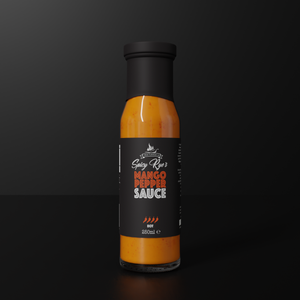
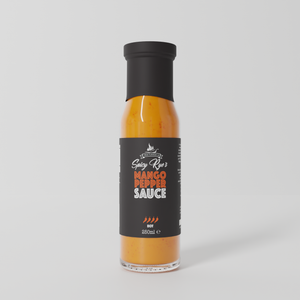
Spicy Rye's sources ingredients for flavour complexity. Our Mango Pepper Sauce combines ripe mango with carefully selected peppers to create tropical sweetness balanced by heat, impossible with bulk commodity ingredients.

Small-batch production methods
Small-batch production is labour-intensive compared to industrial manufacturing. A factory producing 50,000 litres daily spreads equipment and labour costs across enormous volume; a producer making 500 litres daily bears the same fixed costs across a tenth of the output.
Artisanal producers invest in quality control industrial operations skip: hand-checking batches, adjusting recipes for seasonal variation, and small-pot cooking that preserves delicate flavours. Industrial standardisation cuts cost but also cuts complexity.
Small-batch producers cannot negotiate ingredient prices like large manufacturers and pass these efficiency losses to consumers.
Small-Batch Hot Sauce Prices by Heat Level
Heat level influences pricing non-linearly. Understanding cost structure requires normalising prices by volume across budget tiers, which retailers often obscure.
Budget tiers and typical UK price ranges
The artisanal hot sauce cost in the UK market divides into three clear price bands, each reflecting ingredient complexity and chilli rarity:
Entry-level (£6.50-£8.50 per 150 ml bottle): Mild to medium heat sauces using accessible chilli varieties (jalapeños, habaneros). Cost: 4.3-5.7p per millilitre. Premium sourcing with no fillers, but chillies are easier to source year-round. Appeals to newcomers and everyday cooking.
Mid-range (£8.50-£10.50 per 150 ml bottle): Hot to extra-hot sauces with multiple chilli varieties or specialty ingredients (tropical fruits, smoked peppers, fermented bases). Cost: 5.7-7.0p per millilitre. Smaller batches, selective sourcing, higher complexity. Sweet spot for serious home cooks.
Premium (£10.50-£14.95+ per 150 ml bottle): Extreme heat sauces using rare peppers (Carolina Reaper, Trinidad Scorpion, Bhut Jolokia) or unusual ingredients. Cost exceeds 7.0p per millilitre, sometimes 10p+. Often sold in smaller 100 ml bottles, pushing per-millilitre cost higher. Production runs typically under 200 bottles per batch.
Cost per 100 ml: the true value metric
Retailers rarely highlight cost per volume, but normalising by 100 ml reveals actual value differences:
- 150 ml bottle at £7.95 = 5.3p per 100 ml
- 100 ml bottle at £8.95 = 8.95p per 100 ml (33% more expensive by volume)
- 250 ml bottle at £11.95 = 4.78p per 100 ml (10% cheaper than the 150 ml equivalent)
This matters because artisanal sauces are concentrated; you use less per meal. A 150 ml bottle may last 4-6 months, whereas a 250 ml supermarket bottle lasts 2-3 months.
Heat level and ingredient cost correlation
Heat level does drive price, but not uniformly. The relationship is steeper at the extreme end:
- Mild to medium (jalapeño, habanero): Ingredient cost increase of 15-25% over supermarket baseline
- Hot (ghost pepper, Scotch bonnet blends): Ingredient cost increase of 50-100%
- Extreme (Carolina Reaper, multi-reaper blends): Ingredient cost increase of 150-300%
Extreme-heat peppers are grown in smaller quantities with lower yields. Carolina Reaper peppers cost £18-£25 per kilogram wholesale versus £4-£6 for habaneros. A 150 ml bottle may contain 40-60 grams of fresh peppers, meaning ingredient cost alone is £1.20-£1.80 per bottle.

| Heat Level | Typical Price Range (150 ml) | Cost per 100 ml | Chilli Types | Ingredient Cost Driver |
|---|---|---|---|---|
| Mild to Medium | £6.50-£8.50 | 4.3-5.7p | Jalapeño, Habanero, Bell Pepper | Accessibility; year-round availability |
| Hot | £8.50-£10.50 | 5.7-7.0p | Ghost Pepper, Habanero blends, Scotch Bonnet | Rarity; smaller growing regions |
| Extreme Heat | £10.50-£14.95+ | 7.0-10.0p+ | Carolina Reaper, Trinidad Scorpion, Bhut Jolokia | Extreme rarity; specialist cultivation |
Why bottle size matters more than heat level
Larger bottles cost less per millilitre than smaller ones, spreading packaging costs across more product. However, artisanal producers rarely offer 250 ml or 500 ml formats because:
- Shelf life: Without artificial preservatives, larger bottles increase the risk of spoilage after opening.
- Perceived value: Smaller bottles feel more premium and justify higher per-unit prices.
- Production efficiency: Small-batch producers work with smaller equipment; scaling to 250 ml requires different bottling lines.
Expect to pay a premium for smaller bottles. The entry-level tier (£6.50-£8.50) represents genuine value; anything below £6.50 typically indicates mass production or inferior sourcing.
Artisan Chilli Sauce Ingredients That Justify Premium Costs
The ingredients list is where artisanal hot sauce separates from supermarket alternatives. Premium sauces use whole, recognisable ingredients. Cheap sauces use fillers, thickeners, and preservatives that extend shelf life and reduce production cost.
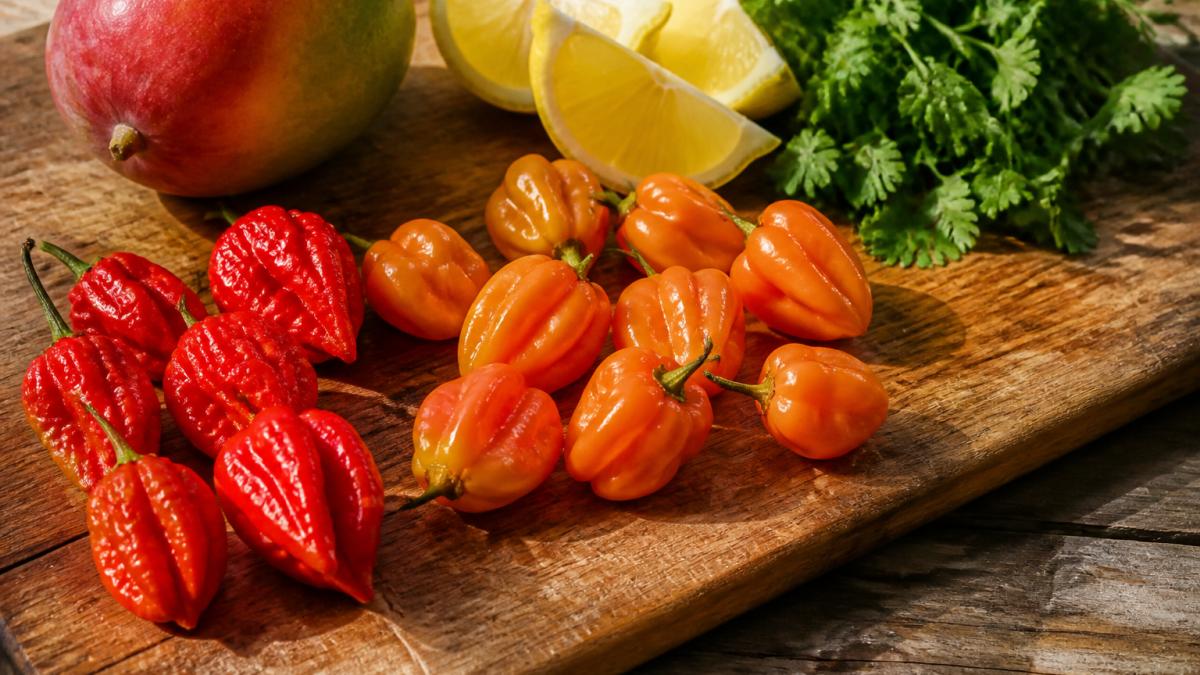
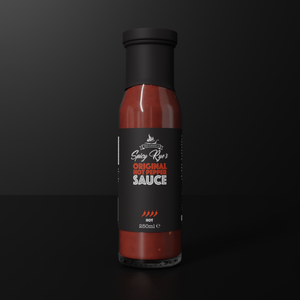
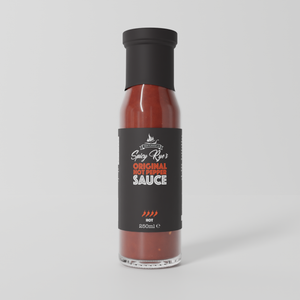
Artisanal producers prioritise ingredients you can taste. Spicy Rye's sauces feature whole peppers, fresh fruit, and spices, not extracts. The Original Hot Pepper Sauce uses real peppers; the Mango Pepper Sauce uses actual ripe mango.

Preservative-free formulations are standard in premium sauces but require more careful sourcing and production. Without artificial preservatives, the producer must use natural preservation methods: high acid content, salt, or refrigeration. This limits shelf life but delivers cleaner flavour and appeals to health-conscious consumers.
A supermarket hot sauce tastes flat because it's engineered for shelf stability. An artisanal sauce tastes alive because ingredients are chosen for flavour first.
Bottle Size, Multipacks, and Value Comparison
Bottle size affects cost per millilitre, but true cost depends on shipping, bundle discounts, and order thresholds, factors retailers rarely highlight.
Single-bottle purchases and shipping impact
A single 150 ml bottle at £7.95 plus £4.95 delivery costs £12.90 total (62% markup). Cost per 100 ml rises from 5.3p to 8.6p. Single-bottle purchases are poor value; retailers offer free delivery on orders over £25-£30 to incentivise multipacks.
Multipack discounts and bundle pricing
Multipacks (3-4 bottles) offer 8-16% off single-bottle price, with free or £1.99 delivery. Less generous than mass-market brands (20-30% discounts), but free delivery on multipacks increases effective savings.
Bundles (curated sets) follow the same discount structure but add perceived value through presentation. A gift bundle costs £20-£23 versus £19.95-£21.95 for a plain multipack; the 5-15% premium reflects packaging and curation.
Total basket cost and delivery thresholds
Retailers use delivery thresholds to encourage larger orders:
| Order Value | Delivery Cost | Effective Cost per Bottle (3-bottle order) |
|---|---|---|
| Under £15 | £4.95 | £9.63 per bottle |
| £15-£29.99 | £2.95 | £8.93 per bottle |
| £30-£49.99 | Free | £7.32 per bottle |
| £50+ | Free | £6.63 per bottle |
A customer buying three bottles (£23.85) pays £26.80 with delivery, but reaches free delivery at £30 by adding a fourth bottle (£31.80 total). The fourth bottle effectively costs nothing, reducing per-bottle cost across the order.
Seasonal and promotional discounts
Seasonal promotions occur: summer (10-15% BBQ sauces), autumn (15-20% multipacks), winter (gift sets), spring (20% clearance). Subscription models offer 10-15% recurring discounts for monthly or quarterly deliveries on sauces priced £8.95+.
Build-your-own selections and custom bundles
Some retailers allow custom multipacks, choosing any combination at multipack prices (10-15% discount). This removes friction of buying unwanted sauces to reach discount thresholds and is increasingly available through direct-to-consumer retailers.
Calculating true cost per use
Cost per use is the final value metric. An artisanal sauce is concentrated; a tablespoon delivers more impact than three tablespoons of mass-produced sauce. Artisanal: 16 uses per month at 50p per use. Mass-market: 48 uses per month at 3p per use. However, if you use premium sauce in cooking (marinades, glazes, dips) rather than just as condiment, perceived value shifts significantly.
How to Store Hot Sauce After Opening for Maximum Shelf Life
Discard if you notice off smell, mould, or slimy texture. Colour changes are normal.
Premium Hot Sauce Gift Sets and Bundle Options
Gift sets offer 10-15% savings versus single-bottle purchases. A typical set includes mild, medium, and hot sauces, giving recipients variety. Spicy Rye's Mango Pepper Sauce (tropical), Original Hot Pepper Sauce (classic), and Ghost Pepper Sauce (extreme) create a natural progression. Presentation in a gift box adds perceived value for quality-conscious recipients.
Is Artisanal Hot Sauce Worth the Cost?
The answer depends on what you cook and how you approach flavour. If you use hot sauce occasionally as a condiment, supermarket alternatives deliver adequate heat at lower cost. If you cook regularly and care about flavour complexity, artisanal sauces justify their premium price.
Artisanal sauces deliver three things mass-produced alternatives cannot: flavour depth, ingredient transparency, and versatility in cooking. A premium sauce works as a finishing glaze, a marinade base, a dip ingredient, and a simple condiment, because the flavour is complex enough to work in multiple contexts.
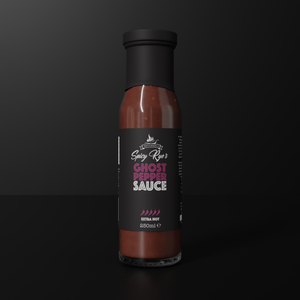
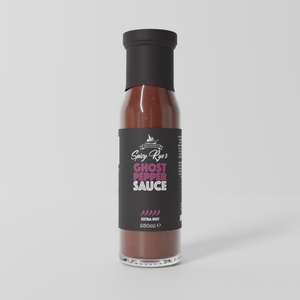
The cost-per-use calculation often favours premium sauces. You use less because the flavour is more concentrated. A bottle of Spicy Rye's Ghost Pepper Sauce lasts longer in your kitchen than a larger bottle of generic hot sauce because a small amount delivers the heat and flavour you're after.
For gift-giving, artisanal sauces are unquestionably worth the premium. A bundle of three quality sauces signals thoughtfulness and respect for the recipient's taste, something a supermarket hot sauce cannot convey.
The one scenario where artisanal sauces don't justify the cost: if you're buying them as a novelty or status symbol rather than actually using them. A premium sauce sitting unopened in your cupboard is a waste. If you cook regularly and use hot sauce as a core ingredient, the premium cost becomes an investment in better meals.
Choosing artisanal hot sauce means paying for quality ingredients, careful production, and genuine flavour. Spicy Rye's range, from the tropical balance of Mango Pepper Sauce to the extreme intensity of Very Hot Pepper Sauce, demonstrates how premium sourcing and small-batch methods deliver sauces that transform everyday cooking. Whether you're building a gift set or stocking your pantry, investing in quality sauce means investing in meals that actually taste like something. Start with our core range and discover which heat level and flavour profile becomes your kitchen staple.
Frequently Asked Questions
What makes artisanal hot sauce cost more than supermarket brands?
Artisanal hot sauce typically costs more due to hand-selected, premium ingredients, small-batch production methods, and minimal additives. Craft producers prioritise flavour depth and ingredient quality over volume, which increases per-bottle costs. Many also source rare chilli varieties like habanero, Scotch bonnet, and ghost chilli, which command higher prices than mass-market peppers.
How should I store hot sauce after opening to keep it fresh?
Always use a clean spoon or dispenser to avoid contamination, and ensure the lid is tightly closed between uses. Check for off-odours or discolouration before use.
What's the typical price range for small-batch artisanal hot sauce?
Small-batch artisanal hot sauces typically range from £7.95 to £9.95 per bottle in the UK. Standard heat varieties sit at the lower end, while extreme-heat blends with multiple rare chilli peppers cost slightly more. Prices reflect handmade production, natural ingredients, and limited quantities. Buying multipacks or bundles can offer modest savings compared to single-bottle purchases.
Are premium hot sauces with no weird additives actually preservative-free?
True artisanal hot sauces made with natural ingredients and proper production methods can be preservative-free. Check the ingredient list for salt, vinegar, and natural acid (like lemon), which act as natural preservatives. Avoid products listing artificial additives or vague terms like 'flavourings' or 'spice blends' without specifics. Reputable small-batch makers list every ingredient clearly.