

Table of Contents
- Why Storage Matters for Artisanal Hot Sauce
- Refrigeration vs. Pantry Storage: Which Works Best
- Understanding Hot Sauce Shelf Life
- Signs Hot Sauce Has Gone Bad
- Refrigerating Hot Sauce: Best Practices
- Protecting Your Sauce from Oxidation and Sunlight
- Storage Tips for Homemade vs. Commercial Sauce
- Conclusion
Last Updated: August 26, 2026
Why Storage Matters for Artisanal Hot Sauce
Artisanal hot sauce is a carefully crafted product. Unlike mass-produced condiments loaded with preservatives, premium sauces depend on proper storage to maintain their heat, flavour, and character. Understanding how to store artisanal hot sauce isn't just about preventing waste, it's about protecting an investment in quality ingredients and craftsmanship.

The difference between a sauce that tastes vibrant six months after opening and one that's faded flat comes down to three factors: temperature stability, light exposure, and air contact. Each one degrades your sauce differently. Temperature fluctuations accelerate oxidation, breaking down the complex pepper compounds that give artisanal sauces their depth. Direct sunlight degrades the pigments and accelerates chemical breakdown. Oxygen exposure creates off-flavours and changes the sauce's colour and consistency over time.
Proper storage is straightforward once you know what you're protecting against.
Refrigeration vs. Pantry Storage: Which Works Best
The choice between refrigerating hot sauce and keeping it in the pantry depends on what your sauce contains and how quickly you'll use it.
Pantry storage works best for unopened bottles. An unopened, sealed bottle in a cool, dark cupboard will stay shelf-stable for months or even years, depending on the sauce's acidity and preservative content. Vinegar-based sauces, those with high acidity, are naturally more stable at room temperature because the acidic environment inhibits bacterial growth. If your artisanal sauce is vinegar-forward, the pantry is your friend for unopened bottles.
Refrigeration is the safer choice once you've opened the bottle. The moment air enters, oxidation begins. Cold temperatures slow this process dramatically. A refrigerated opened bottle will maintain its flavour profile and consistency far longer than one left at room temperature. Most home cooks find that opened artisanal hot sauce stays fresh in the fridge for two to three months, sometimes longer depending on the recipe.
The critical distinction is between fermented and vinegar-based sauces. Fermented sauces, those made by allowing peppers and other ingredients to break down naturally over weeks or months, have their own built-in preservation system through the fermentation process itself. These can sometimes tolerate pantry storage even after opening, though refrigeration is still the conservative choice. Vinegar-based sauces rely on acidity for preservation, which is stable either way, but refrigeration extends the window where the sauce tastes its best.
Think of it this way: pantry storage is fine for sealed bottles and acceptable for opened vinegar-based sauces if you use them regularly. Refrigeration is the universal safe choice for opened bottles of any type, especially if you're not using the sauce daily.
Understanding Hot Sauce Shelf Life
The shelf life of artisanal hot sauce depends on three variables: the base (fermented vs. vinegar-based), whether the bottle is sealed, and storage conditions.
An unopened bottle of commercial artisanal sauce typically lasts 12 to 18 months in the pantry, sometimes longer ([EXTERNAL_LINK: research on food preservation | pmc.ncbi.nlm.nih.gov]). The exact timeline depends on the sauce's pH level, a measure of acidity. Lower pH (more acidic) means longer shelf life. Many artisanal hot sauces have pH levels between 2.5 and 3.5, which creates an environment hostile to bacterial growth.
Once opened, the timeline shrinks. A refrigerated opened bottle typically stays fresh for 2-3 months. Some sauces last longer; others shorter. The variables that matter most are the sauce's original pH, whether it contains added preservatives (most premium artisanal sauces don't), and how often you expose it to air.
Homemade hot sauce has a shorter shelf life than commercial versions. Without the benefit of commercial pasteurisation or added preservatives, a homemade sauce left at room temperature might last only a few weeks before signs of spoilage appear. Refrigerated, it can last 4-6 weeks. The lack of preservatives is a selling point for artisanal quality, but it means you need to be more vigilant about storage.
The best-by date on a commercial artisanal bottle is a conservative estimate. Many sauces remain perfectly good weeks or even months beyond that date if stored properly. The date isn't a hard expiration, it's the manufacturer's guarantee of peak quality. Once you open the bottle, you're working on a different timeline based on storage conditions, not the printed date.
Signs Hot Sauce Has Gone Bad
Spoilage in hot sauce is usually obvious once you know what to look for. The most reliable indicators are colour change, mold growth, off-smell, and consistency degradation.
Mold growth is the clearest warning sign. If you see any fuzzy growth or discolouration on the surface or inside the cap, discard the bottle. Mold thrives in warm, moist environments, and a compromised seal or warm storage location creates ideal conditions. Don't try to scoop around it, mold can penetrate deeper than visible.
Colour change signals oxidation or bacterial activity. A sauce that was deep red when you opened it but has faded to a dull brown has oxidised. This doesn't necessarily mean it's unsafe, but it indicates flavour degradation. More concerning is a sudden darkening or cloudiness, which can indicate unwanted microbial activity.
Off-smell is your nose's warning system. Open the bottle and take a careful sniff. A sour, vinegary smell beyond what you'd expect, or any musty or rotten odour, means bacteria have colonised the sauce. Trust your nose, it's remarkably good at detecting spoilage.
Consistency changes matter too. If your sauce has become noticeably thinner, thicker, or separated in a way it didn't before, something has changed chemically. Fermentation can cause slight separation, which is normal. But dramatic changes suggest degradation.
Taste is the final check, but only if other signs are absent. If the colour, smell, and appearance all seem fine, a tiny taste will tell you if the flavour has degraded. A flat, off, or unpleasant taste means the sauce has lost its integrity. Spit it out and toss the bottle.
The key point: if you're uncertain, throw it out. Artisanal hot sauce is relatively inexpensive compared to the risk of foodborne illness.
Refrigerating Hot Sauce: Best Practices
Refrigerating your artisanal hot sauce extends its life and preserves its flavour profile. But not all refrigerator storage is equal.
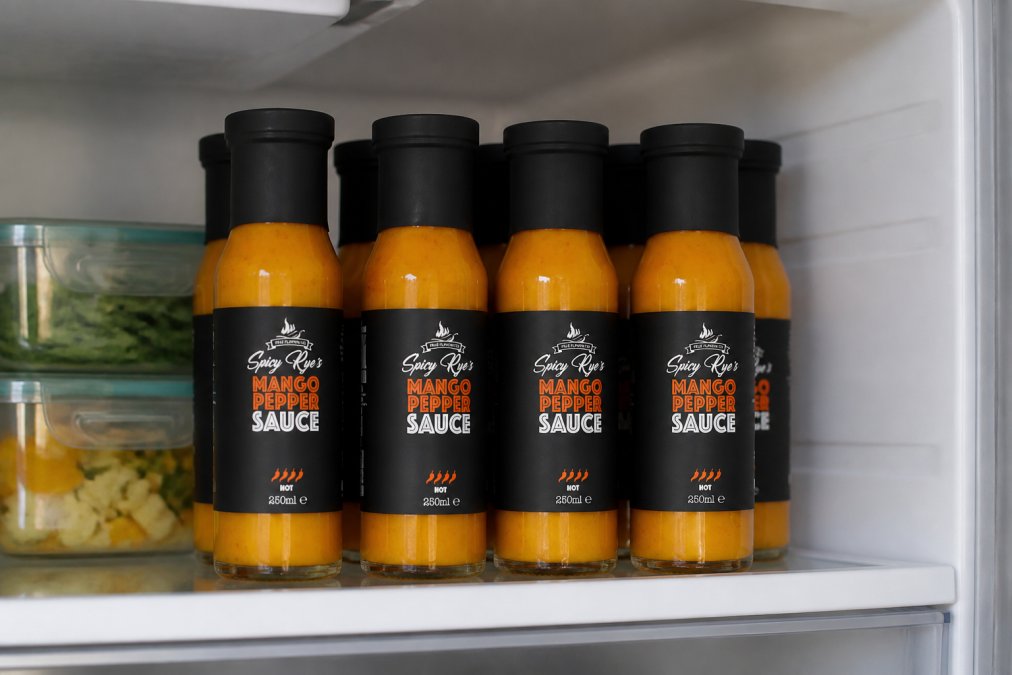
Temperature consistency matters most. Keep your sauce in the coldest, most stable part of your fridge, typically the back of a middle shelf, away from the door. The door experiences temperature fluctuations every time you open it, warming the sauce slightly each time. Over months, these small temperature swings accelerate oxidation. A steady 4°C is ideal; avoid anywhere warmer.

Airtight storage is essential. The original cap is usually sufficient if it seals properly. If the cap is damaged or doesn't seal tightly, transfer the sauce to a smaller airtight container. The less air space above the sauce, the slower oxidation occurs. Some people use vacuum-seal containers for maximum protection, though the original bottle works fine if the seal is intact.
Keep the bottle upright. Storing hot sauce on its side or upside down increases the surface area of sauce exposed to air in the headspace. Upright storage minimises this exposure.
Don't store near the back wall or freezer. Temperatures at the very back of a fridge can dip below 0°C, potentially freezing the sauce. While freezing won't ruin the sauce, it can change the texture and consistency. The goal is consistent cold, not fluctuating temperatures.
Label opened bottles with the date. A simple sticker or marker note helps you track how long the bottle has been open. Most opened sauces stay good for 2-3 months, but tracking the date removes guesswork.
Protecting Your Sauce from Oxidation and Sunlight
Oxidation and light exposure are the two silent killers of artisanal hot sauce flavour. Both happen slowly, making them easy to ignore until the damage is done.
Oxidation begins the moment air touches the sauce. Oxygen breaks down the chemical compounds responsible for the sauce's colour, heat intensity, and flavour complexity. You can't stop oxidation entirely once the bottle is open, but you can slow it dramatically through proper storage. Refrigeration slows oxidation by roughly 50% compared to room temperature. Minimising air exposure slows it further.
Direct sunlight accelerates degradation significantly. UV light breaks down the pigments in peppers, causing the sauce to fade. It also speeds up chemical reactions that degrade flavour compounds. Never store artisanal hot sauce on a sunny windowsill or in direct light. A dark cupboard or the interior of your fridge is ideal.
Indirect light still matters. Even fluorescent kitchen lighting can gradually degrade your sauce over months. If you store bottles in a cupboard, keep that cupboard door closed. If you refrigerate, avoid the door and upper shelves where light from the fridge's interior light is strongest.
Bottle material makes a difference. Dark glass, amber or opaque bottles, provides better light protection than clear glass. If your artisanal sauce came in a clear bottle, consider transferring it to a dark glass container for long-term storage. Plastic bottles are more permeable to oxygen, so glass is preferable.
Temperature fluctuations compound the problem. Warm storage accelerates oxidation, while cold slows it. But more importantly, fluctuating temperatures, warm during the day, cool at night, create additional stress on the sauce's chemical stability. Consistent cool storage beats inconsistent room temperature every time.
Storage Tips for Homemade vs. Commercial Sauce
Homemade and commercial artisanal sauces have different storage needs because they're made differently.
Commercial artisanal sauces are usually pasteurised. This heat treatment kills bacteria and extends shelf life. Most commercial sauces also contain some level of preservatives, even if minimal, often just salt and vinegar, but sometimes citric acid or other stabilisers. This means unopened commercial bottles can sit in the pantry for 12-18 months without issue.
Homemade sauces lack this protection. Without pasteurisation or added preservatives, homemade hot sauce is more vulnerable to bacterial growth and spoilage. Room temperature storage is risky. A homemade sauce left on the counter might stay good for a few weeks if it's very acidic (high vinegar content), but refrigeration is the safer bet. Most home cooks find homemade sauce lasts 4-6 weeks in the fridge.
Fermented homemade sauces are an exception. If you've made a sauce by fermenting peppers for weeks, the fermentation process itself creates preservation through lactic acid production. These sauces are more stable than quick vinegar-based homemade versions. They can tolerate pantry storage better, though refrigeration still extends their peak flavour window.
Freezing is an option for homemade sauce. If you've made a large batch and can't use it quickly, freezing extends the timeline significantly. Pour the sauce into ice cube trays or small containers, freeze, and store in the freezer for up to 6 months. Thaw in the fridge before use. The texture might change slightly, the sauce may become slightly thinner, but the flavour remains intact.
Canning is possible but requires care. If you're interested in long-term storage of homemade sauce, proper canning using water-bath or pressure-canning methods can create shelf-stable jars. This requires following tested recipes and procedures carefully to prevent botulism risk. It's beyond casual home cooking, but it's an option for serious preservers.
The practical difference: buy commercial artisanal sauces like those from Spicy Rye's for reliability and consistency, and store unopened bottles in the pantry. Once opened, refrigerate. For homemade sauces, refrigerate from day one unless you're fermenting or canning.
Conclusion
How to store artisanal hot sauce comes down to protecting three things: the sauce's heat, its flavour complexity, and its safety. Unopened bottles thrive in cool, dark pantries. Opened bottles belong in the refrigerator, preferably toward the back away from the door. Avoid direct sunlight and temperature fluctuations. Watch for signs of spoilage, mold, off-smell, colour change, or consistency degradation, and discard without hesitation if you spot them.
The shelf life of your artisanal hot sauce is only as good as your storage. A premium sauce stored carelessly will fade faster than a decent sauce stored well. Small decisions about where you place that bottle compound over weeks and months.
Frequently Asked Questions
How long does artisanal hot sauce last once opened?
Most artisanal hot sauces last 2-3 months after opening when refrigerated in an airtight container. Vinegar-based sauces with high acidity tend to last longer than fermented varieties. Unopened bottles stored in cool, dark conditions can remain shelf-stable for 1-2 years. Always check the best-by date and inspect for signs of spoilage before use, as homemade versions without preservatives may degrade faster than commercial alternatives.
What's the difference between refrigerating hot sauce and storing it in the pantry?
Refrigeration slows oxidation and bacterial growth, extending shelf life significantly. Pantry storage works for sealed, unopened bottles in cool, dry places away from direct sunlight, but once opened, refrigeration is recommended for artisanal sauces. Temperature fluctuations, heat, and light exposure accelerate flavour degradation and can compromise the sauce's integrity. Fermented sauces are more stable at room temperature than vinegar-based alternatives, but both benefit from cool storage after opening.
How can I tell if my artisanal hot sauce has gone bad?
Look for colour changes, cloudiness, or mould growth on the surface. Off-smells, unusual consistency, or a fizzy appearance indicate spoilage. Taste a tiny amount if appearance seems normal; off-flavours or a sour taste beyond the sauce's intended profile suggest bacterial growth. Check that the cap seal remains intact and the sauce hasn't separated abnormally. Commercial sauces with preservatives resist spoilage longer than homemade versions without additives.
Should I store superhot sauces differently from regular artisanal hot sauce?
Superhot sauces with extremely high Scoville ratings benefit from the same core storage principles: cool, dark, airtight containers. However, their intense concentration of capsaicin can sometimes mask early signs of oxidation. Refrigeration is especially important for superhots to preserve their potency and prevent flavour flattening. Store them in small bottles to minimise air exposure, as the high heat content makes them prone to oxidation when repeatedly opened. Keep them away from direct sunlight and heat sources.
Premium sauces like Spicy Rye's Original Hot Pepper Sauce and Mango Pepper Sauce are crafted to deliver bold, uncompromised flavour. Proper storage ensures every drop tastes as intended. Refrigerate opened bottles, keep unopened bottles in a cool cupboard, and you'll preserve the quality that made you choose artisanal in the first place. Shop now and store with confidence.
This article was written using GrandRanker