

Table of Contents
- What Makes a Hot Sauce About Flavour, Not Heat
- Quick Comparison: Our Top 7 Sauces Ranked
- 1. Lemon Pepper Sauce: Citrus-Forward Brightness
- 2. Honey & Lemon Pepper Sauce: Sweet Tangy Balance
- 3. Mango Pepper Sauce: Tropical Depth
- 4. Jerk & Pineapple Sauce: Aromatic Caribbean Fusion
- 5. Hot Honey Pepper Sauce: Sweet-Heat Harmony
- 6. Bourbon & Honey BBQ Sauce: Smoky Gourmet
Last Updated: August 22, 2026
What Makes a Hot Sauce About Flavour, Not Heat
The best hot sauce for flavour prioritizes aromatic, umami-forward elements, citrus notes, sweetness, fermentation complexity, over pure burn intensity. A 50,000 Scoville sauce built around vinegar and garlic aromatics delivers far more culinary satisfaction than a 100,000-unit sauce that's nothing but pepper extract and capsaicin.
When choosing a hot sauce for flavour, look for real ingredients: actual mango, honey, fermented pepper mash. Acidity matters too, a tangy, vinegar-based sauce with balanced sweetness feels less aggressive than a thin, one-note burn. The aftertaste tells you everything: does the heat linger unpleasantly, or fade into pleasant warmth that lets you taste what came before?
Below are seven ranked options that prove the best hot sauce for flavour exists at the intersection of culinary application, ingredient integrity, and thoughtful heat balance.
Quick Comparison: Our Top 7 Sauces Ranked
| Sauce | Price | Heat Level | Flavour Profile | Best For |
|---|---|---|---|---|
| Lemon Pepper Sauce | £7.95 | Mild | Citrus-forward, zesty | Seafood, salads, grilled dishes |
| Honey & Lemon Pepper Sauce | £6.95 | Mild | Sweet, tangy, balanced | Chicken marinades, dressings |
| Mango Pepper Sauce | £7.95 | Mild | Tropical, fruity, peppery | Fish tacos, exotic dips, salads |
| Jerk & Pineapple Sauce | £7.95 | Moderate | Caribbean spiced, aromatic | Grilled meats, stir-fries, sandwiches |
| Hot Honey Pepper Sauce | £6.95 | Moderate | Sweet-heat fusion, sticky | Fried chicken, pizza, cheese boards |
| Bourbon & Honey BBQ Sauce | £6.95 | Mild | Smoky, gourmet, sweet | Ribs, burgers, grilled meats |
| Smoky Chipotle BBQ Sauce | £7.95 | Moderate | Rich, smoky, classic BBQ | Brisket, vegetables, burgers |
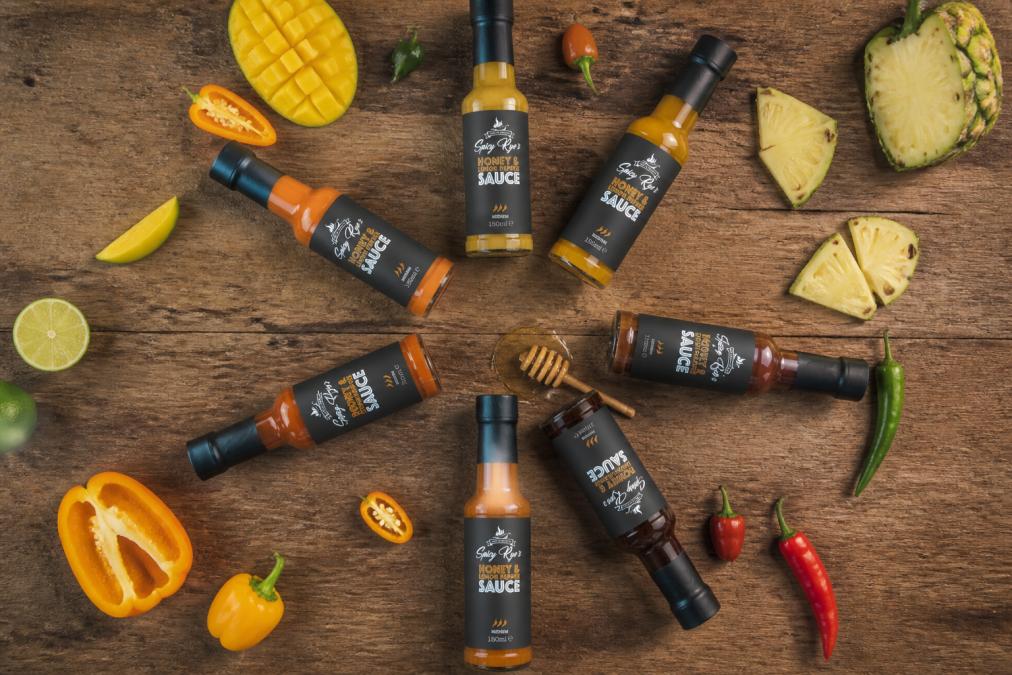
1. Lemon Pepper Sauce: Citrus-Forward Brightness
The Lemon Pepper Sauce is ideal if your priority is brightness and aromatic lift. Fresh lemon juice gives acidity and zest, cracked black pepper adds peppery aromatics, and habanero heat sits in the background, enhancing rather than dominating. You taste the sauce before feeling the heat.


This sauce excels on grilled fish or shrimp, where citrus cuts through richness while mild heat awakens your palate. Mix it with olive oil and honey for a zesty vinaigrette, or use it in chicken marinades. At £7.95, the ingredient quality shows immediately, real lemon, not lemon flavouring.
Best for: Home cooks seeking a mild, flavour-forward sauce for seafood and light proteins.
Shelf life: Once opened, keeps 8-10 weeks in the fridge.
2. Honey & Lemon Pepper Sauce: Sweet Tangy Balance
This is the most versatile sauce in the range because it bridges condiment and glaze. Smooth honey provides natural sweetness and body, fresh lemon adds tangy brightness, and bold pepper brings aromatic warmth. The result tastes more like a premium glaze than a traditional hot sauce.
Use it as a marinade where honey caramelizes beautifully under heat, creating a sticky crust on roasted chicken. Whisk it with olive oil and vinegar for a complex vinaigrette, or brush it on baked fish in the final minutes of cooking. At £6.95, real honey and actual lemon juice create a sauce that tastes twice as expensive.
Best for: Grilled chicken marinades, salad dressings, seafood glazes.
Culinary application: Works at any temperature, cold as a dressing, warm as a glaze, or at room temperature as a dipping sauce.
3. Mango Pepper Sauce: Tropical Depth
This sauce proves fruit-based condiments deliver serious culinary value when the fruit is real and balance is intentional. Tropical sweetness from ripe mango provides the foundation, while pepper adds complexity and gentle warmth that prevents one-dimensionality. The aftertaste is where sophistication emerges, the pepper lingers pleasantly rather than aggressively.
Use it on fish tacos where tropical sweetness complements delicate fish and bright lime. Create exotic dips by mixing with cream cheese or Greek yoghurt. Whisk into tropical salad dressings with lime juice and olive oil. At £7.95, you're paying for real mango, not concentrate or flavouring.
Best for: Seafood applications, tropical salad dressings, exotic dips.
Storage tip: Store in the fridge and use within 10-12 weeks of opening for optimal flavour intensity.
4. Jerk & Pineapple Sauce: Aromatic Caribbean Fusion
This sauce shows how aromatic spices do the heavy lifting rather than pure capsaicin. Jerk spices, allspice, thyme, garlic, ginger, create a complex, layered profile. Pineapple brightness cuts through warmth, preventing heaviness. You taste spice complexity first and heat second.
Use it as a marinade for grilled chicken, pork, or beef, where spices penetrate while pineapple caramelizes. Transform stir-fries with island flavour, or use as a sandwich spread for cold cuts or grilled chicken. At £7.95, this proves heat-to-flavour ratio matters more than Scoville units.
Best for: Grilled meats, tropical stir-fries, sandwich spreads, fusion cuisine applications.
Culinary pairing: Works exceptionally well with coconut-based dishes, lime-heavy preparations, and grilled vegetables.
5. Hot Honey Pepper Sauce: Sweet-Heat Harmony
This sauce reaches genuine equilibrium between sweet and spicy. Golden honey provides natural sweetness and body, fiery peppers bring moderate warmth. The magic happens in the middle: sweetness makes heat feel less sharp, while heat prevents sweetness from becoming cloying. Neither element dominates.
The thick, sticky texture makes it ideal as a glaze or drizzle. Brush it on fried chicken in the final minutes of cooking, where honey caramelizes while pepper warmth comes through. Drizzle on pizza or cheese boards, where the sweet-heat combination works with both mild and sharp cheeses. At £6.95, real honey and quality peppers mean every pound goes toward actual flavour.
Best for: Fried chicken, pizza toppings, cheese board accompaniments, grilled meats as a finishing glaze.
Versatility note: Works cold, warm, or at room temperature. The consistency remains pourable whether chilled or at ambient temperature.
6. Bourbon & Honey BBQ Sauce: Smoky Gourmet
This sauce proves a hot sauce for flavour doesn't need to be spicy, it needs to be thoughtfully constructed. Real bourbon provides warmth and subtle oak notes, honey adds natural sweetness and body, and smoky undertones create depth. The heat is minimal, but the flavour profile is sophisticated enough that you won't miss aggressive spice.
Use it as a glaze for ribs where bourbon caramelizes and honey creates a sticky finish. Brush on grilled chicken or pork chops, serve as a dipping sauce for appetisers, or use on burgers and brisket sandwiches. At £6.95, you're paying for real bourbon and honey, not corn syrup and artificial smoke flavouring.
Best for: Grilled meats, burgers, brisket, sophisticated appetiser dips.
Contains mustard: Check the label if you have allergies.
7. Smoky Chipotle BBQ Sauce: Rich Classic Depth
This sauce sits at the moderate end of the heat spectrum while delivering rich, classic BBQ flavour. Chipotle peppers, smoked jalapeños, provide both heat and smoky depth built in rather than added. The result tastes genuinely smoky rather than like smoke flavouring was sprinkled in. The heat is moderate, adding complexity without dominating.
Use it on brisket where smokiness complements the meat's natural depth, on ribs where rich flavour enhances without overwhelming, or on grilled vegetables for a smoky twist. At £7.95, real chipotle peppers and quality ingredients create a sauce that tastes like it came from a proper BBQ restaurant.
Best for: Brisket, ribs, grilled vegetables, burgers.
Contains mustard: Check the label if you have allergies.
How to Use Hot Sauce in Cooking for Maximum Flavour
Understanding when and how to apply hot sauce is where most home cooks miss the mark. Timing, temperature, and application method all affect how the sauce contributes to your final dish.
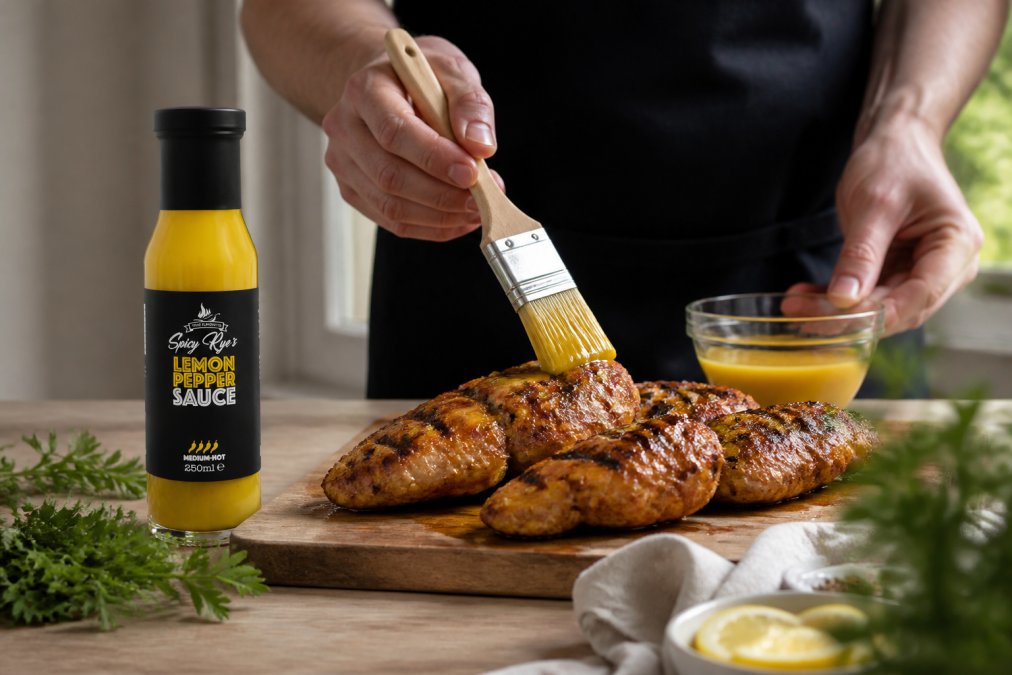
Marinades vs. Finishing Sauces: Use acidic, vinegar-based sauces as marinades, the acidity tenderizes protein while flavours penetrate. Use honey-based or thick sauces as finishing glazes, applied in the final minutes so honey caramelizes and flavours stay bright.
Temperature Matters: Apply sauces to warm (not piping hot) food. Heat releases aromatics and helps flavours meld without cooking off delicate volatile compounds that make a sauce interesting.
Layering for Complexity: Create depth by applying different sauces at different cooking stages. Marinate in one, glaze with another, finish with a third. This approach builds the complex flavour profiles that make dishes memorable.
Dilution and Dressing Applications: Most sauces work better diluted for dressings. Mix a spoon of hot sauce with olive oil, vinegar, and honey to create complex salad dressings that add depth without overwhelming delicate greens.
Storage and Shelf Life: Once opened, most hot sauces keep 8-12 weeks in the fridge. The acidity and heat act as natural preservatives. If your sauce separates slightly, shake it before use, this is normal for preservative-free sauces with real ingredients.
Choosing the Right Sauce for Spice-Averse Eaters
The biggest misconception is that hot sauce is only for people who enjoy intense heat. The best hot sauce for flavour is often the gateway sauce for people who've avoided spicy food entirely.
Spice-averse eaters have a lower heat tolerance, but their palates aren't less sophisticated. Start with the Lemon Pepper Sauce or Honey & Lemon Pepper Sauce, both deliver compelling flavour with minimal heat intensity. The citrus brightness and honey sweetness give your palate something to focus on besides warmth.

Build tolerance gradually. Use a quarter-teaspoon of sauce in a dressing, then increase over weeks. Your palate adapts, and what feels hot initially becomes pleasant warmth. Pair sauces with fatty or creamy foods, capsaicin is fat-soluble, so it bonds with fats. Eating hot sauce with cheese, cream, or fatty proteins reduces perceived heat while amplifying flavour. This is why Hot Honey Pepper Sauce works so well on cheese boards.
Preservative-Free Hot Sauce: What It Actually Means
A truly preservative-free sauce relies on natural preservation: acidity, salt, and heat. Vinegar-based sauces preserve themselves through acidity, the low pH prevents bacterial growth. Honey acts as a preservative through osmotic pressure, while capsaicin has antimicrobial properties. Combine these and you have a naturally stable product without added sodium benzoate or potassium sorbate.
This matters because preservative-free sauces taste brighter and more complex, they're not fighting against chemical preservatives that dull flavour. Every pound spent goes toward actual flavour.
The trade-off is shelf life. Preservative-free sauces typically last 8-12 weeks once opened, rather than 6-12 months for sauces with chemical preservatives. For home cooks using sauce regularly, this isn't a practical concern. Spicy Rye's sauces are all preservative-free, relying on natural preservation through ingredient choice and formulation.
Heat-to-Flavour Ratio: Understanding the Balance
A 30,000 Scoville sauce built around garlic-forward aromatics and fermented pepper mash delivers more culinary satisfaction than a 100,000-unit sauce built around pepper extract ([EXTERNAL_LINK: American Chemical Society | pubs.acs.org]). The heat-to-flavour ratio tells you whether the sauce was designed for actual cooking or just for proving heat tolerance.
Look at ingredient lists. If the first ingredients are real peppers, fruit, honey, or aromatics, you're looking at a flavour-first sauce. If ingredients include "pepper extract" or "capsicum extract," the sauce maker is using shortcuts to achieve heat without building flavour. These extracts taste harsh and one-dimensional.
A well-balanced sauce builds heat gradually, allowing you to taste underlying flavours before warmth arrives. A poorly balanced sauce hits you with immediate, aggressive heat that numbs your palate. When evaluating a hot sauce, ignore the Scoville number. Instead, taste it on plain rice or a cracker and ask: what do I taste before the heat arrives? If the answer is citrus brightness, tropical sweetness, smoky depth, or aromatic complexity, you've found a sauce built for actual cooking.
Choosing a hot sauce for flavour means prioritising ingredients, balance, and culinary applications over pure Scoville intensity. The sauces in this guide prove that the most interesting, versatile condiments are often those that don't prioritise aggressive heat. Whether you're elevating weeknight dinners or exploring fusion cuisine, Spicy Rye's range offers sauces that deliver unbeatable flavour in every application. Shop now and discover how premium, preservative-free ingredients transform your home cooking from ordinary to extraordinary.
Frequently Asked Questions
What is the best hot sauce for flavour if I don't like intense heat?
Look for sauces built on fruit, honey, or citrus bases rather than pure capsaicin intensity. Lemon Pepper Sauce and Honey & Lemon Pepper Sauce deliver complex flavour profiles with mild heat, using tangy citrus and natural sweetness to create depth without burn. These sauces let the supporting flavours, pepper, aromatics, and acidity, do the work, making them ideal for spice-averse palates.
How do I use hot sauce in cooking beyond just pouring it on food?
Incorporate sauce as a marinade base for meats, mixing with olive oil and vinegar for salad dressings, or brushing as a glaze during grilling. Honey-based sauces like Hot Honey Pepper caramelise beautifully on heat, adding mouthfeel and complexity. You can also whisk sauces into soups, stews, or stir-fries to build layered umami flavours throughout the dish rather than applying heat at the end.
Are preservative-free hot sauces really better for flavour?
Yes. Preservatives can mask or dull natural flavour profiles, whereas preservative-free sauces rely on quality ingredients and proper fermentation to develop complexity. Without additives clouding the palate, you taste the full spectrum of citrus notes, pepper aromatics, and sweetness. This clarity is especially important when choosing sauces focused on flavour over heat, the subtle nuances become the main event.
What makes a good hot sauce gift set for someone who loves flavour?
A strong gift set includes variety in flavour profiles: one citrus-forward option, one honey-based, and one with exotic spices like jerk. Include a card explaining the heat level and best uses for each sauce. Pair sauces with complementary items like gourmet crackers or a grilling guide. Sets from artisanal makers emphasising ingredient quality and balanced heat-to-flavour ratios appeal to serious home cooks more than generic supermarket collections.
This article was written using GrandRanker