

Table of Contents
- Why Preservative-Free Chilli Sauce Stands Apart
- Health Benefits of Capsaicin in Natural Hot Sauce
- Artisanal Hot Sauce vs Mass-Produced Alternatives
- How to Store Preservative-Free Hot Sauce Properly
- Reading Labels: What to Look For and What to Avoid
- How to Use Preservative-Free Chilli Sauce in Everyday Cooking
- Conclusion
Last Updated: August 18, 2026
Why Preservative-Free Chilli Sauce Stands Apart
Most supermarket hot sauces rely on sodium benzoate, potassium sorbate, or citric acid to extend shelf life indefinitely. A preservative-free chilli sauce depends on careful ingredient selection, proper fermentation, and thoughtful storage to maintain quality naturally. When you remove synthetic preservatives, you're left with something that actually tastes like chillies, garlic, and spices rather than a stabilised approximation. The flavour profile shifts, and the heat develops differently.
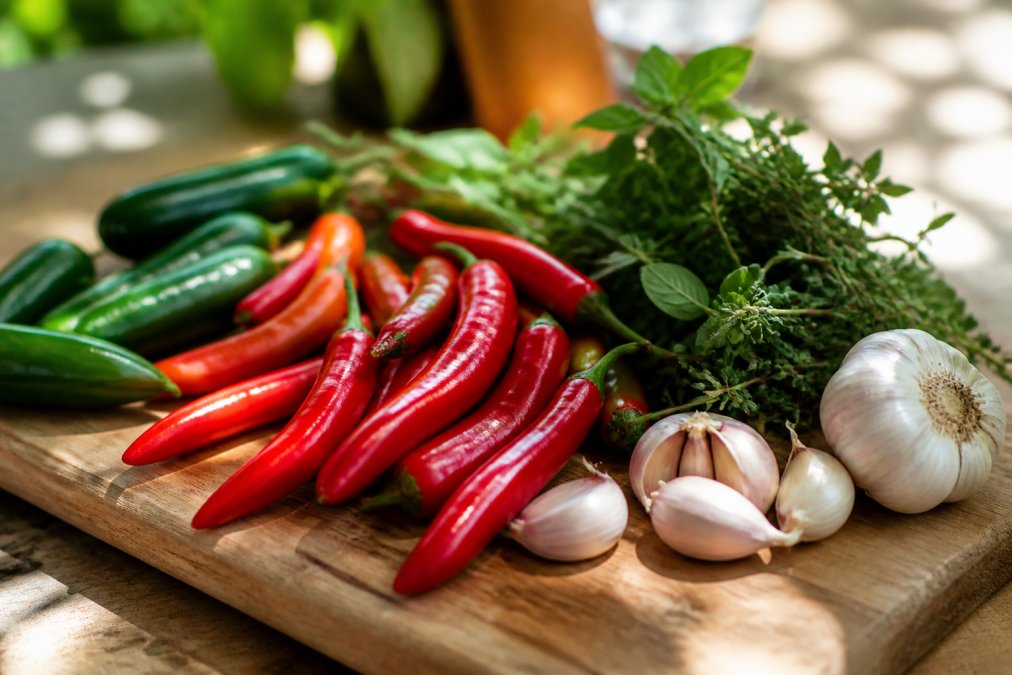
Preservatives are functional: sodium benzoate stops mould, potassium sorbate prevents fermentation, citric acid adjusts pH. But when you eliminate these, you gain authenticity. A preservative-free sauce ferments naturally over time, developing complexity that a shelf-stable formula never achieves. The capsaicin compounds remain active and potent rather than degraded by extended storage. For health-conscious consumers, you're not consuming synthetic additives. For flavour enthusiasts, the trade-off is straightforward: slightly shorter shelf life in exchange for noticeably better taste.
Health Benefits of Capsaicin in Natural Hot Sauce
Capsaicin is the alkaloid compound that makes chillies hot, and it's been used in traditional medicine for centuries. When you consume a preservative-free chilli sauce rich in capsaicin, you're introducing a compound with measurable physiological effects.
Metabolism and thermogenic effects
Capsaicin triggers thermogenesis, the process by which your body generates heat through metabolic activity. When you eat chillies, your body temperature rises slightly, and your metabolic rate increases to cool you back down. This effect is real but modest, it's not a weight-loss miracle, but it does contribute to overall energy expenditure.
The thermogenic boost typically lasts 20-30 minutes after consumption and affects how your body processes fat oxidation. Your body preferentially burns stored fat during this period. If you use a preservative-free chilli sauce as a regular condiment, adding it to eggs at breakfast, lunch, and evening meals, you're creating a cumulative thermogenic stimulus throughout the day.
Anti-inflammatory and antioxidant properties
Capsaicin activates pain receptors in a way that triggers anti-inflammatory responses. Your body interprets the heat signal and responds by releasing endorphins and activating anti-inflammatory pathways. Over time, regular capsaicin consumption appears to modulate inflammatory markers.
Chillies are dense in vitamin C and other antioxidants. A single fresh chilli contains more vitamin C than an orange, gram for gram. A preservative-free sauce made from fresh chillies retains these antioxidants without the degradation that occurs in heavily processed alternatives. The antioxidant compounds, including flavonoids and carotenoids, help neutralise free radicals in your body, reducing oxidative stress implicated in aging and chronic disease.
Cardiovascular and immune support
Capsaicin supports healthy blood pressure regulation and cardiovascular function by promoting vasodilation, which improves blood flow and reduces strain on the heart. Regular consumption appears to support healthy cholesterol profiles and blood pressure levels.
A preservative-free sauce that's low in added sodium gives you the cardiovascular benefits of capsaicin without the sodium burden that can work against those benefits. For immune system support, the vitamin C and antioxidants in chillies are essential for immune cell function. The antimicrobial properties of capsaicin also contribute, chillies have been used to preserve food and prevent spoilage for thousands of years.
Artisanal Hot Sauce vs Mass-Produced Alternatives
The gap between artisanal and mass-produced hot sauce comes down to ingredient sourcing, processing methods, and shelf stability requirements.
Ingredient quality and processing methods
An artisanal preservative-free chilli sauce starts with whole chillies, fresh or fermented, rather than chilli powder or concentrate. A fresh chilli contains the full spectrum of volatile compounds that create flavour and heat. Once dried, powdered, and stored for months, many compounds degrade.
Artisanal producers ferment their sauces or use fresh ingredients processed quickly to preserve nutrient density. Fermentation creates beneficial compounds like probiotics and enhances nutrient bioavailability. Mass-produced sauces typically skip fermentation because it's time-consuming and creates variability.
When chillies are fresh-processed, capsaicin compounds remain intact. Heat processing, necessary for shelf stability, can degrade some compounds. A preservative-free sauce using cold-pressing or minimal heat processing retains more original potency and flavour.
Artisanal sauces include fresh garlic, ginger, and herbs added days or weeks before bottling. Mass-produced alternatives use garlic powder, dried herbs, and flavouring compounds that provide consistency but lack depth.
Additives and artificial ingredients to avoid
A preservative-free chilli sauce should contain chillies, salt, and perhaps vinegar or fermentation cultures. Common additives to avoid include thickeners (xanthan gum, guar gum), flavour enhancers (monosodium glutamate, yeast extract), artificial colours, added sugars, and emulsifiers.
A genuinely preservative-free sauce made from whole ingredients won't need most of these. The most honest labels list 5-8 ingredients you'd recognise: chillies, salt, vinegar, garlic, spices. If a sauce requires a chemistry degree to understand the ingredient list, it's engineered for shelf stability and cost efficiency, not quality.
How to Store Preservative-Free Hot Sauce Properly
A preservative-free chilli sauce requires more intentional storage than a shelf-stable alternative, but the difference is manageable with the right approach.
Storage conditions and shelf life
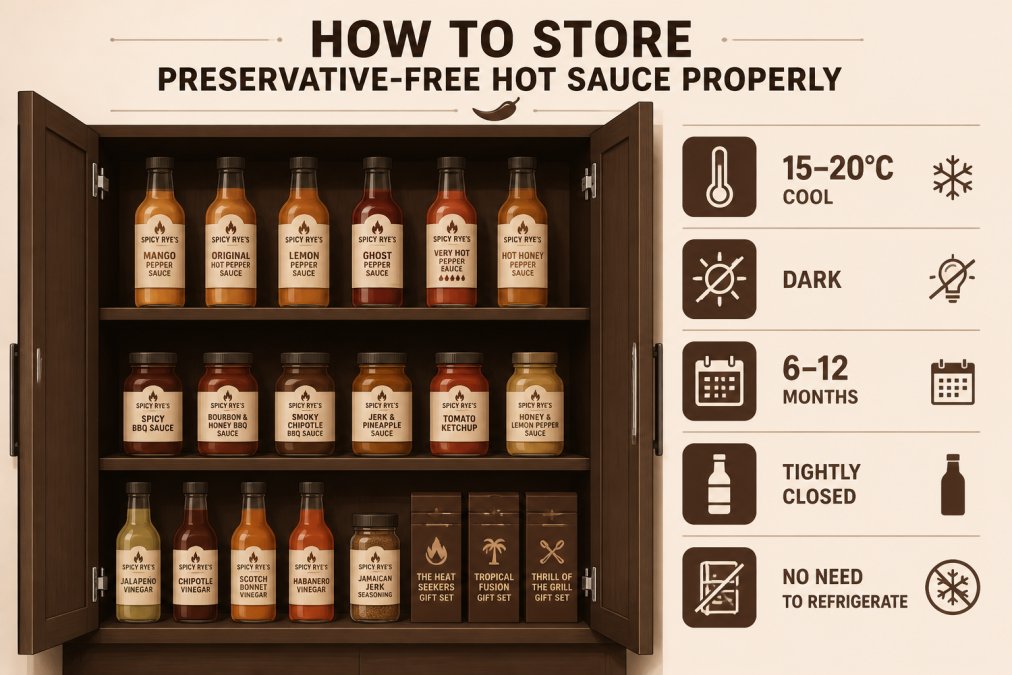
Temperature is the primary factor. Preservative-free sauces keep longest in a cool environment, ideally between 10-15°C. A kitchen cupboard away from direct sunlight and heat sources is ideal. Avoid storing above the cooker or near windows where temperature fluctuates.
An unopened jar typically keeps for 12-18 months in cool storage. Once opened, refrigerate on a shelf rather than the door, where temperature fluctuates. Most preservative-free sauces remain safe and flavourful for 6-8 weeks refrigerated. Freezing extends shelf life further, portion into ice-cube trays, then transfer frozen cubes to a freezer bag.
Signs of spoilage and food safety
A preservative-free sauce will show clear signs before it becomes unsafe. The first indicator is usually smell, if it develops a vinegary, off, or distinctly unpleasant odour, discard it. Visual changes include mould growth (discard immediately), cloudiness, or separation that doesn't recombine with stirring.
A tiny taste can tell you if flavour has shifted dramatically or if there's an off note. A properly stored preservative-free sauce tastes consistent with how it did when opened. A sauce that shows its age is a sauce made from real ingredients.
Reading Labels: What to Look For and What to Avoid
The ingredient list is your primary tool for identifying a genuinely preservative-free chilli sauce. Ingredients are listed by weight, so the first few items make up the bulk of the product.
A quality preservative-free sauce should list chillies (fresh or fermented) as the first ingredient. Salt should appear early but not dominantly. Vinegar or fermentation cultures indicate a naturally preserved product. Red flags include any preservative name (sodium benzoate, potassium sorbate, sodium nitrite), thickeners in the top three ingredients, added sugars in the top five, and artificial colours or flavours.
Check the acidity level if listed. A pH below 3.8 indicates sufficient acidity to inhibit spoilage naturally. Transparency about sourcing is a bonus, if the label tells you where chillies come from and whether they were fermented, you're getting information from a producer who cares about quality.
How to Use Preservative-Free Chilli Sauce in Everyday Cooking
A preservative-free chilli sauce is versatile because it's made from real ingredients. Start with breakfast, a spoonful on eggs adds complexity without requiring extra seasoning. For lunch, use it as a sandwich spread or dipping sauce for crudités. The acidity and heat cut through rich proteins and pair well with cheese, cold meats, and roasted vegetables.
For dinner, stir it into soups during the last minute of cooking, use it as a finishing sauce for grilled fish or chicken, or mix it into rice bowls. Add it late in the cooking process rather than early, long cooking degrades the volatile compounds that make the sauce interesting.
Portion control matters with heat-based sauces. A preservative-free sauce made from real chillies tends to be more potent than a diluted mass-market alternative. Start with a teaspoon and adjust upward. Use a clean spoon each time rather than dipping directly from the jar to prevent introducing bacteria that could accelerate spoilage.
A preservative-free chilli sauce isn't a compromise, it's a deliberate choice for flavour and ingredient integrity. The shorter shelf life is a feature, not a flaw, because it reflects what you're actually getting: real chillies, real spices, and nothing designed to extend shelf life artificially. When you're looking to elevate your everyday cooking with genuine heat and depth, Spicy Rye's preservative-free sauces deliver exactly that. Explore our range of natural chilli sauces and discover how real ingredients transform simple meals into something memorable. Food Standards Agency guidance on food labelling and preservation
Frequently Asked Questions
Is preservative-free chilli sauce actually healthier than supermarket versions?
Preservative-free chilli sauce eliminates artificial additives and sodium-heavy preservatives, making it a cleaner choice for daily consumption. The primary health benefit comes from capsaicin, the compound responsible for heat, which boosts metabolism and provides anti-inflammatory benefits. Mass-produced sauces often contain synthetic preservatives and excess sodium that can offset these natural advantages. Reading ingredient labels carefully helps you identify truly preservative-free options versus those with hidden additives.
What are the main health benefits of capsaicin in hot sauce?
Capsaicin triggers thermogenic effects, increasing your metabolic rate and promoting fat oxidation. It also acts as a natural anti-inflammatory agent, helping reduce joint pain and supporting digestive health. Additionally, chilli peppers are rich in vitamin C and antioxidants, which strengthen your immune system and support cardiovascular health by helping regulate blood pressure. These benefits are most pronounced when consuming fresh or minimally processed hot sauce without artificial additives.
How long does preservative-free hot sauce last once opened?
Shelf life depends on storage conditions and ingredients. Most preservative-free chilli sauces last 3-6 months in the refrigerator after opening, though fermented varieties may last longer due to natural acidity creating a hostile environment for bacteria. Store in a cool, dark place away from direct sunlight, and always use a clean spoon to avoid contamination. Check for signs of spoilage such as mould, off-smells, or cloudiness before each use. Freezing unopened jars extends shelf life significantly.
How can you tell if a chilli sauce is truly preservative-free?
Check the ingredients list for common preservatives like sodium benzoate, potassium sorbate, or sodium nitrite. Genuine preservative-free sauces rely on natural preservation methods such as fermentation, high acidity (vinegar or citrus), or salt content. Look for certifications or clean label claims, though these aren't legally required in the UK. If a sauce has an unusually long shelf life without refrigeration and no preservatives listed, it likely contains hidden additives, contact the maker directly to confirm ingredient sourcing and processing methods.
This article was written using GrandRanker