

Table of Contents
- Why Artisanal Vinegar Transforms Your Salads
- Types of Vinegar for Salad Dressings
- How to Choose the Right Artisanal Vinegar for Your Salad
- How to Make a Vinaigrette with Artisanal Vinegar
- Chilli Vinegar Salad Dressing Ideas
- Gourmet Pantry Essentials for Salads
- Acidity, Ageing, and Emulsification: What Matters
- Troubleshooting Broken Vinaigrettes
Last Updated: August 19, 2026
Why Artisanal Vinegar Transforms Your Salads
The difference between a forgettable salad and one you crave comes down to one ingredient: artisanal vinegar. Built on fermentation processes that take time, quality ingredients, and patience, artisanal vinegars are far more complex than mass-produced alternatives. At Spicy Rye's, we've seen firsthand how the right vinegar elevates everything from simple greens to composed salads worthy of a proper dinner party.
Best artisanal vinegar for salad dressings doesn't mask flavours, it amplifies them. A well-chosen vinegar balances the bitterness of radicchio, complements the earthiness of beetroot, and transforms simple lettuce into something memorable.
Types of Vinegar for Salad Dressings
White Wine Vinegar vs. Red Wine Vinegar
White wine vinegar is the workhorse of the salad world, crisp, clean, and unobtrusive. Red wine vinegar brings more body and subtle fruitiness that pairs beautifully with heartier greens and roasted vegetables. White wine vinegar comes from white grapes and retains a bright, floral character. Red wine vinegar develops deeper notes from red grape skins, giving it more tannins and complexity.
For delicate lettuces, white wine vinegar is your baseline. For composed salads with cooked elements or bitter greens, red wine vinegar adds necessary weight.
Aged Balsamic Vinegar Characteristics
Aged balsamic vinegar is a luxury finishing element, not an everyday vinaigrette base. True balsamic comes from Modena or Reggio Emilia in Italy and undergoes years of barrel ageing. Younger versions (10-12 years) are syrupy and sharp; older expressions (25+ years) become almost molasses-like with natural sweetness from evaporation.
Authentic aged balsamic coats a spoon and pours slowly. Check ingredient lists carefully, real balsamic contains only grape must and possibly a culture starter. Many bottles labelled "balsamic vinegar" are actually regular vinegar with caramel colouring and added sugar. Use aged balsamic as a finishing touch on warm salads or bitter greens where its sweetness provides balance.
Chilli-Infused Vinegars for Bold Flavour
Chilli-infused vinegars transform ordinary salads into something with genuine heat and character. Unlike hot sauce, infused vinegar integrates into the dressing itself, building flavour layers rather than just adding fire.
Heat level depends on the chilli used. Jalapeño vinegar brings bright, fresh spice ideal for citrus-based vinaigrettes and seafood salads. Habanero vinegar delivers tropical fruitiness alongside genuine heat, perfect for warm salads with roasted vegetables. Scotch bonnet vinegar brings Caribbean intensity for root vegetables and hearty greens. Chipotle vinegar adds smoky depth for salads with charred elements or smoked meats.

The beauty of chilli-infused vinegars is versatility. A small amount of Jalapeño Vinegar in a simple vinaigrette adds complexity without overwhelming mild palates. Remember that heat intensifies as dressing sits, start with less than you think you need.
Sherry Vinegar and Cider Vinegar Applications
Sherry vinegar brings sophistication to salad dressings, aged in wooden barrels and developing complex, slightly sweet character. It works brilliantly with autumn salads, warm grain bowls, and anything involving nuts or dried fruit. With lower acidity (around 4%), it won't overpower delicate ingredients.
Cider vinegar is earthier, with slight apple sweetness that complements raw vegetables and bitter greens. It's less refined than sherry or wine vinegars, but that rusticity is exactly what some salads need. Cider vinegar works particularly well in vinaigrettes that include mustard or honey.
| Vinegar Type | Acidity Level | Flavour Profile | Best For |
|---|---|---|---|
| White Wine | 5-7% | Crisp, clean, floral | Delicate greens, light vinaigrettes |
| Red Wine | 5-7% | Fruity, tannic, deeper | Hearty greens, roasted vegetables |
| Aged Balsamic | 4-6% | Sweet, complex, syrupy | Finishing touch, warm salads |
| Sherry | 4-5% | Complex, slightly sweet | Autumn salads, nuts, dried fruit |
| Cider | 4-5% | Earthy, apple notes | Raw vegetables, bitter greens |
| Chilli-Infused | 4-7% | Heat + fruit/smoke notes | Warm salads, grilled proteins |
How to Choose the Right Artisanal Vinegar for Your Salad
Choosing the right best artisanal vinegar for salad dressings comes down to three factors: your greens, your other ingredients, and your personal heat tolerance.
Start with your greens. Delicate lettuces like butter lettuce need gentle vinegars; white wine or sherry work perfectly. Strong greens like kale or radicchio can handle bolder vinegars with higher acidity. Bitter greens benefit from slightly sweet vinegars like aged balsamic or sherry, which provide balance.
Next, consider what else is in your salad. Warm ingredients, roasted vegetables, and grilled proteins pair well with aged balsamic, sherry, or chilli-infused vinegars. Cold salads with raw vegetables and fresh herbs pair better with crisp white wine or cider vinegars.
Your dressing ratio also influences which vinegar to choose. A classic vinaigrette uses 1:3 vinegar to oil. If you're using this ratio, you need vinegar with enough personality to stand up to the oil. Aged balsamic or sherry vinegar work beautifully. If you're using a lighter ratio (1:4 or 1:5), a more assertive vinegar like red wine or chilli-infused varieties prevents the dressing from becoming bland.
How to Make a Vinaigrette with Artisanal Vinegar
A proper vinaigrette is simple, which is exactly why technique matters. Get it right, and you elevate everything.
The foundation is emulsification, vinegar and oil don't naturally blend. A proper vinaigrette holds together through vigorous whisking, which breaks oil into tiny droplets suspended in the vinegar.
Step 1: Start with vinegar and mustard. Pour your chosen artisanal vinegar into a bowl, about 1 tablespoon. Add 1 teaspoon of Dijon mustard as an emulsifier. Whisk together for about 30 seconds.
Step 2: Add salt and pepper. Season with sea salt and freshly ground black pepper. Salt dissolves better in vinegar than oil, so add it now. Whisk for another 15 seconds.
Step 3: Add your aromatics. If using minced shallot, garlic, or fresh herbs, add them now. Let this mixture sit for 1-2 minutes if time allows.
Step 4: Add oil slowly while whisking constantly. Start with just a few drops of good olive oil, whisking continuously. As the mixture begins to emulsify, add oil in a thin stream while whisking. Continue until you've incorporated all your oil and the vinaigrette is cohesive and slightly thick.
Step 5: Taste and adjust. Your vinaigrette might need more salt, more vinegar for sharpness, or a touch more oil if it's too acidic.
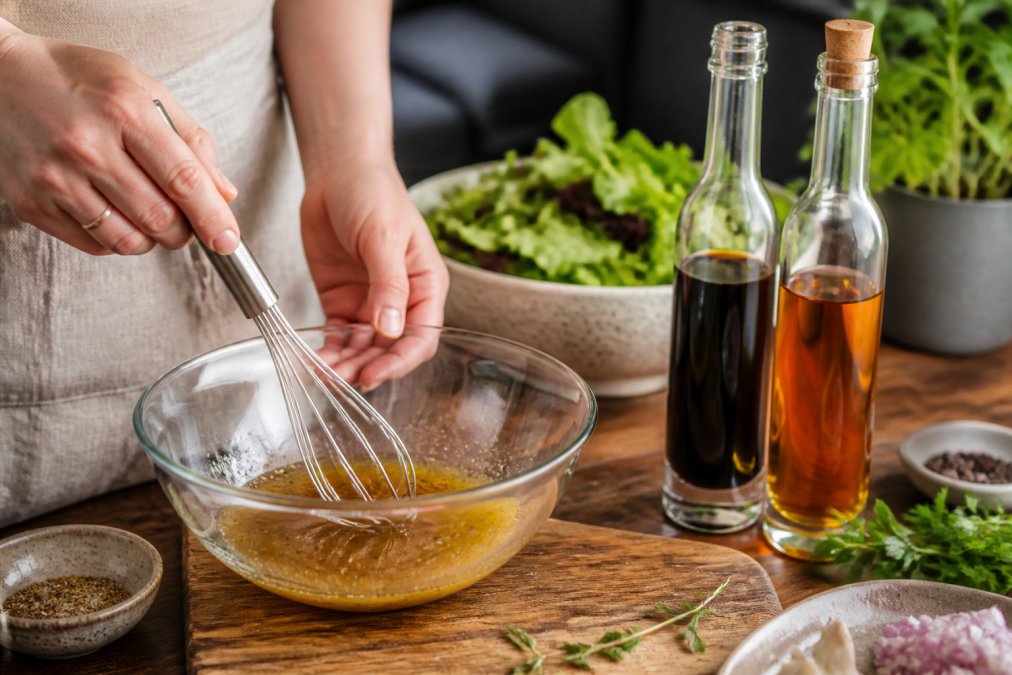
The ratio that works for most palates is 1 part vinegar to 3 parts oil. However, if you're using a particularly sharp vinegar, try 1:2.5. If your vinegar is milder, go 1:4. These ratios are starting points, not rules.
Emulsification requires vigorous, continuous whisking. If your vinaigrette breaks, start over with a clean bowl, fresh mustard, and whisk the broken vinaigrette into the new base a tablespoon at a time.
When using chilli-infused vinegars from Spicy Rye's, remember that heat intensifies over time. Make it fresh before serving, or account for this intensification when seasoning.
Chilli Vinegar Salad Dressing Ideas
Warm Roasted Vegetable Salad with Habanero Vinegar. Roast beetroot, parsnip, and Brussels sprouts until caramelised. Toss while still warm with a vinaigrette made from Habanero Vinegar, olive oil, and a touch of honey. Top with crumbled goat's cheese and toasted walnuts.

Grilled Chicken and Charred Corn with Chipotle Vinegar. Grill chicken breast and corn until both have char marks. Build a salad with mixed greens, the grilled elements, diced red onion, and fresh coriander. Dress with a vinaigrette made from Chipotle Vinegar, lime juice, and olive oil.
Fresh Mozzarella and Tomato with Jalapeño Vinegar. Layer fresh mozzarella, heirloom tomatoes, and fresh basil. Dress simply with Jalapeño Vinegar, excellent olive oil, sea salt, and black pepper.
Bitter Greens and Roasted Beets with Scotch Bonnet Vinegar. Combine radicchio, endive, and rocket with roasted beetroot. A vinaigrette made from Scotch Bonnet Vinegar brings fruity heat that stands up to these powerful greens. Add toasted pumpkin seeds for texture.
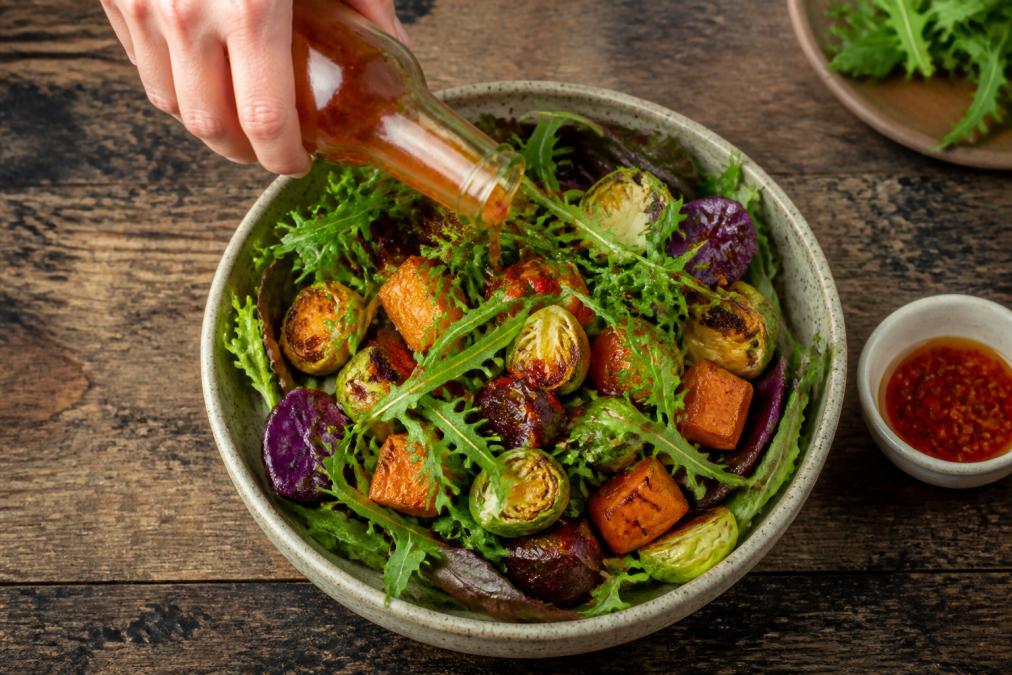
The key with chilli vinegars is balance. Pair them with substantial greens, cooked elements, and flavourful toppings. A chilli vinegar dressing on plain iceberg lettuce will feel overwhelming. The same dressing on kale with roasted vegetables feels perfectly calibrated.
Gourmet Pantry Essentials for Salads
Beyond vinegar, you need quality extra virgin olive oil, the difference between supermarket oil and genuinely good oil is staggering.
Dijon mustard is your emulsifier. Wholegrain mustard adds texture and complexity. Keep both on hand.
Vinegars deserve dedicated shelf space. Beyond the basics, explore sherry, cider, and chilli-infused varieties. Spicy Rye's offers Jalapeño, Chipotle, Scotch Bonnet, and Habanero Vinegars at £6.95 each, transforming simple salads into something memorable. Start with Jalapeño Vinegar if you're new to chilli vinegars.

Sea salt dissolves better than table salt. Keep both fine sea salt for dressings and coarser salt for finishing. Fresh pepper from a mill, not pre-ground, is essential.
Honey or maple syrup adds balance to acidic dressings. Fresh shallots and garlic are your aromatics. Fresh herbs, nuts, and seeds add texture and richness.
This pantry gives you the foundation to make salads that rival restaurant quality.
Acidity, Ageing, and Emulsification: What Matters
Acidity is measured as a percentage of acetic acid. Most table vinegars are 5% acidity. Artisanal vinegars range from 4-8%. Higher acidity doesn't automatically mean better, it depends on your application. A 4% sherry vinegar is perfect for delicate greens. A 7% red wine vinegar cuts through rich dressings beautifully.
Fermentation creates vinegar. Bacteria convert alcohol into acetic acid over time. Longer fermentation means more complex flavours develop.
Ageing in wooden barrels adds another layer of complexity. The vinegar absorbs flavours from the wood, developing notes absent in vinegars aged in steel or glass.
Emulsification is the mechanical process of suspending tiny oil droplets in vinegar. This is why whisking matters. Mustard helps because it contains natural emulsifiers that stabilise these droplets. This is why Dijon mustard isn't optional in a proper vinaigrette.
Temperature affects emulsification. A warm vinaigrette emulsifies more easily than a cold one. If your vinaigrette breaks, try whisking it at room temperature.
Troubleshooting Broken Vinaigrettes
A broken vinaigrette is fixable. If it broke immediately, you added oil too quickly without whisking hard enough. Start over with fresh mustard and a tablespoon of the vinegar mixture, then add the broken vinaigrette back in a few tablespoons at a time, whisking constantly.
If it broke after sitting for a few hours, this is normal. Vinaigrettes are temporary emulsions. Give it a quick whisk before using.
If your vinaigrette is too acidic, add more oil to dilute the acidity, a few tablespoons at a time, whisking constantly. Alternatively, add a tiny amount of honey to round out the sharpness.
If it's too oily and tastes flat, you haven't used enough vinegar. Add vinegar in small amounts, a teaspoon at a time, whisking constantly.
If it tastes bitter, you've either over-whisked or your ingredients are old. Use fresh oil and stop whisking once the vinaigrette is emulsified and thick.
If using chilli-infused vinegar and the heat is overwhelming, you've used too much vinegar or the dressing has been sitting too long. Heat intensifies in chilli vinegars over time. Start with less than you think you need. Make the dressing fresh before serving rather than preparing it hours ahead.
Building a best artisanal vinegar for salad dressings collection transforms how you approach everyday eating. The difference between a supermarket vinegar and a thoughtfully crafted artisanal option is the difference between a salad you eat because it's healthy and one you actually crave. Spicy Rye's chilli vinegars bring genuine heat and complexity to your kitchen. Explore the range at spicyryes.com and discover how the right vinegar elevates your salads from ordinary to exceptional.
Frequently Asked Questions
What is the difference between artisanal vinegar and mass-produced vinegar?
Artisanal vinegars are crafted in small batches using traditional fermentation methods, often from premium ingredients, delivering complex flavour profiles and higher acidity levels that create better emulsification in vinaigrettes. Mass-produced vinegars are made quickly at scale using industrial processes, resulting in one-dimensional taste and lower-quality condiments. Artisanal options like those from Spicy Rye's (£6.95) retain the authentic character of their base ingredients, whether chilli, fruit, or aged balsamic, whereas commercial alternatives often rely on additives and shortcuts.
What are the best vinegar-to-oil ratios for a classic vinaigrette?
The traditional ratio is 1 part vinegar to 3 parts oil, though this shifts based on acidity level and personal palate. Higher-acidity vinegars (5-7% acidity) work well at 1:4 ratios, while aged balsamic (6-8% acidity) suits 1:3 or even 1:2.5 for richer dressings. Start with the 1:3 base, then adjust based on your vinegar's sharpness. Artisanal vinegars often have complex notes that require less volume to flavour a salad effectively, so you may need less than you'd expect with standard supermarket versions.
Can you use chilli-infused vinegar in salad dressings?
Yes, chilli vinegar works brilliantly in salad dressings when paired thoughtfully. Milder chilli vinegars (jalapeño, habanero) add tartness and gentle heat without overwhelming greens, while bolder options (Scotch Bonnet) suit robust salads with grains, beans, or charred vegetables. Start with 1 tablespoon per 4-person salad and taste as you go. Spicy Rye's chilli vinegars (£6.95 each) are designed for drizzling and dressing, so they balance heat with acidity perfectly for everyday meals, not just spice-focused dishes.
How do you store artisanal vinegar to maintain its quality?
Store artisanal vinegar in a cool, dark place, a kitchen cupboard away from direct sunlight works well. Keep the bottle sealed tightly to prevent oxidation and evaporation, which can concentrate acidity and dull complex notes. Aged balsamic and infused vinegars last 6-12 months once opened if stored properly; the high acidity and fermentation process act as natural preservatives. Avoid storing near heat sources or above the cooker, as temperature fluctuations can degrade flavour. Most artisanal vinegars don't require refrigeration unless the bottle has been left open for extended periods.
Which vinegar is best for a light summer salad dressing?
White wine vinegar and fruit-infused vinegars are ideal for light summer salads because they have delicate, floral notes that don't overpower tender greens. Their acidity level (typically 5-6%) is balanced enough for citrus-forward dressings. Aged balsamic works too if you use it sparingly, its sweetness and viscosity complement stone fruit and soft cheeses beautifully. Avoid heavy, smoky vinegars like chipotle for delicate salads; save those for hearty grain bowls or roasted vegetable plates instead.
This article was written using GrandRanker