

Table of Contents
- Why Spicy Jams Transform Meat Dishes
- How to Make a Sticky Glaze with Spicy Jam
- Using Pepper Jelly as a Meat Marinade
- How to Add Flavour to Bland Chicken with Spicy Jam
- Spicy Jam as a Dipping Sauce and Condiment
- Pairing Spicy Jams with Specific Proteins
- Common Mistakes When Glazing Meat with Spicy Jam
- Conclusion
Last Updated: August 21, 2026
Why Spicy Jams Transform Meat Dishes
Spicy jams are culinary catalysts that layer multiple flavour dimensions: natural fruit sweetness, chilli heat, and the complexity of caramelised sugar. When jam meets hot meat, the pectin breaks down, sugars caramelize, and chilli compounds intensify, this is transformation, not decoration. A bland chicken breast becomes memorable; a standard pork chop gains depth.
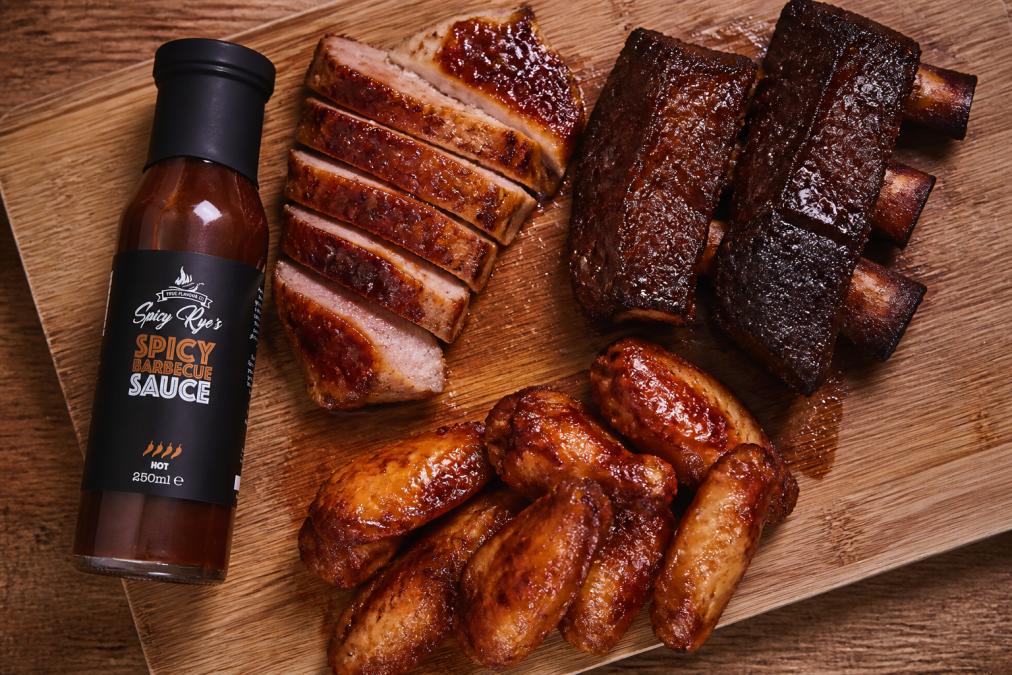
What distinguishes this approach from simply pouring hot sauce is timing and technique. Glazes applied during cooking create a sticky, caramelised crust. Dipping sauces applied after create contrast. Marinades started hours before allow flavours to penetrate the meat itself. Each method delivers different results.
At Spicy Rye's, we've seen home cooks transform weeknight dinners by understanding how to apply spicy jams properly. The difference often isn't better ingredients, but applying them at the right moment.
How to Make a Sticky Glaze with Spicy Jam
A proper glaze is more than heated jam. It's a balanced mixture that clings to meat, caramelises evenly, and builds layers of flavour. The foundation is simple: spicy jam, a liquid component, and sometimes an acid. The liquid thins the jam enough to brush easily. The acid (vinegar or citrus) cuts through richness and prevents cloying sweetness. The ratio matters more than the ingredients themselves.
Glaze-to-Meat Ratios
For a standard protein serving (150-200g), aim for approximately 2-3 tablespoons of finished glaze per piece. For whole chickens or large briskets, scale proportionally, roughly 1 tablespoon per 100g of meat.
When mixing your glaze base, use a 3:1 ratio of spicy jam to liquid. This gives you a consistency thick enough to coat but thin enough to brush without tearing. If adding vinegar or citrus juice, reduce the liquid slightly. A typical batch: 150ml spicy jam, 50ml chicken stock, and 15ml vinegar.
Test consistency before glazing. The mixture should coat the back of a spoon and slowly drip off, not run like syrup or sit like paste. If too thick, warm gently and add stock a teaspoon at a time. If too thin, simmer uncovered for 2-3 minutes to reduce.
Application Techniques for Even Coverage
How you apply the glaze determines whether you get an even, caramelised finish or patchy, burnt spots. Use a silicone pastry brush with natural bristles, never synthetic ones that can melt.
For grilled or roasted meats, apply your first coat when the meat is about three-quarters cooked. This allows the glaze to set and caramelize without burning while the inside finishes cooking. Brush in long, even strokes following the grain. A thin, even layer works better than a thick one.
Wait 3-4 minutes, then apply a second coat. This builds depth and creates a glossy, professional finish. If cooking longer than 15 minutes after glazing, add a third coat in the final 5 minutes.
For grilling, keep glaze away from direct flame, sugars will char rather than caramelize. Move the meat to a cooler zone, apply glaze, and let it set. For oven roasting, indirect heat is forgiving; you can glaze more liberally.
Using Pepper Jelly as a Meat Marinade
Pepper jelly as a marinade works differently than as a glaze. Instead of creating a crust, it penetrates the meat, tenderising it and infusing flavour throughout. Natural enzymes in jam help break down muscle fibres, making marinated meats often feel more tender than glazed ones.

Marinades need more liquid than glazes. Use a 1:2 ratio of pepper jelly to liquid. This creates a pourable mixture that fully coats the meat and allows flavours to circulate.
For the liquid component, choose something that complements your heat level. Citrus juice brightens the marinade and adds acid for tenderising. Olive oil carries fat-soluble flavour compounds. Stock adds umami depth. A combination works best: 100ml pepper jelly, 50ml olive oil, 50ml citrus juice, 50ml stock, plus garlic and additional spices. Whisk until the jam dissolves fully.
Marinade Timing and Temperature Control
Marinating time depends on the protein and thickness. Thin cuts like chicken breasts or pork chops need 2-4 hours. Thicker cuts like beef brisket or pork shoulder benefit from 8-12 hours. Beyond 24 hours, acidity can break down the meat's texture, making it mushy (usda.gov).
Always marinate in the refrigerator, never at room temperature. Cold slows bacterial growth and allows flavours to infuse gradually.
When ready to cook, remove the meat 20-30 minutes before cooking to bring the internal temperature closer to room temperature, ensuring even cooking. Pat dry with kitchen paper before cooking, excess marinade creates steam, which prevents proper browning.
Reserve a small amount of raw marinade before adding the meat if you plan to use it as a finishing sauce. Once meat has marinated in it, that marinade is no longer safe to consume unless boiled for at least 1 minute.
How to Add Flavour to Bland Chicken with Spicy Jam
Chicken is the blank canvas of protein. It absorbs flavour readily but has little of its own. Spicy jams solve this by delivering concentrated flavour that penetrates the meat and builds a caramelised exterior.
The challenge is that chicken dries out easily. Lean cuts like breast meat have almost no fat to keep them moist during cooking. Spicy jam glazes become invaluable, the sugar and pectin create a moisture barrier that seals the surface while chilli adds complexity.
Basting and Caramelisation During Cooking
Basting, repeatedly brushing glaze onto meat as it cooks, transforms bland chicken into something memorable. Each coat adds flavour and builds the caramelised layer.
Start with chicken at room temperature. Pat it dry, season lightly with salt and pepper, then place in a preheated oven at 200°C.
After 15 minutes, apply your first coat of spicy jam glaze using a pastry brush. Make sure the glaze is warm so it flows smoothly. Brush evenly across the skin, getting into crevices where thighs meet the body.
Baste again every 8-10 minutes. Each coat should be thin and even. The glaze will darken as it caramelises, this is what you want. If it's turning black rather than deep brown, your glaze is too concentrated or your oven too hot. Lower the temperature by 10°C and baste less frequently.
The final glaze goes on in the last 3-4 minutes of cooking, just before the chicken reaches an internal temperature of 75°C (measured at the thickest part of the thigh, not touching bone) (usda.gov). This final coat won't have time to burn but will set into a glossy finish.
Rest the chicken for 5 minutes after it comes out of the oven. This allows juices to redistribute. Cutting immediately causes juices to run out onto the plate, taking flavour with them.
Spicy Jam as a Dipping Sauce and Condiment
Not every application of spicy jam on meats requires cooking. Some of the best uses happen after the meat is already cooked, as a dipping sauce or finishing condiment that adds brightness and heat.
For dipping, warm your spicy jam gently in a water bath for 2-3 minutes. The warmth carries flavour compounds more effectively than cold jam and feels more luxurious.
Pair warm jam with proteins that benefit from sweetness and heat: grilled pork chops, roasted chicken wings, smoked duck breast, or beef carpaccio. The jam should complement the protein's natural flavours, not overpower them.
As a cold condiment on charcuterie boards, spicy jam works brilliantly. The sweetness balances cured meats' saltiness. The heat cuts through rich fats. The jammy texture makes it easy to spread on crackers alongside sliced meat.
Pairing Spicy Jams with Specific Proteins
Different meats have different fat content, texture, and natural flavour profiles. The best spicy jam pairings consider these characteristics.
Pork, Beef, and Game Meat Combinations
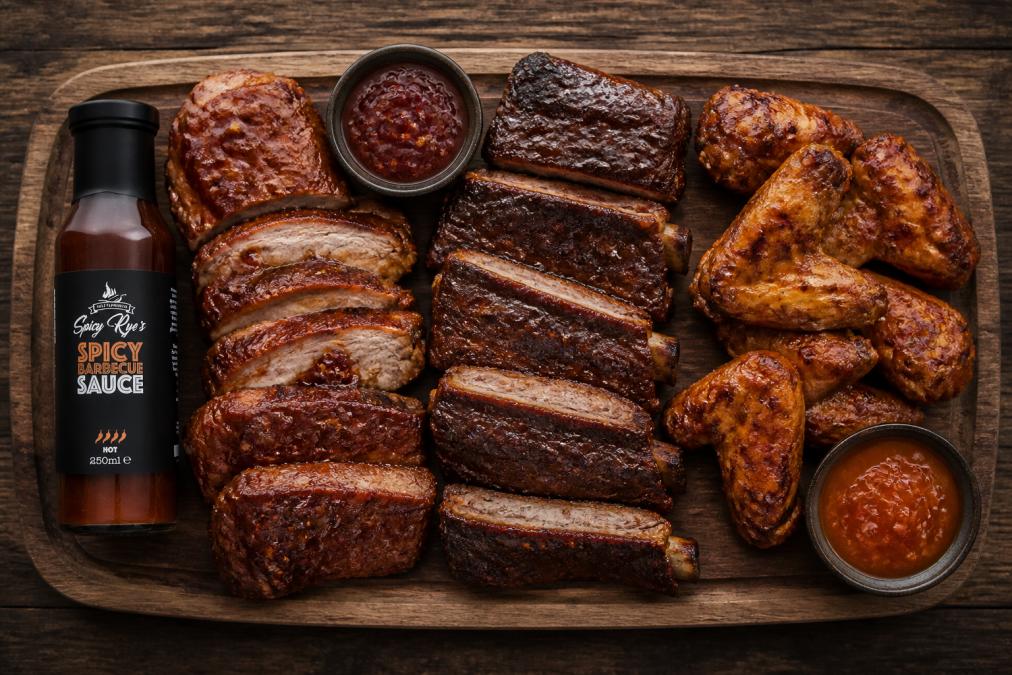
Pork is the most forgiving protein for spicy jam applications. Pork's fat content means it can handle bold, sweet-and-spicy glazes without becoming cloying. Pork chops benefit from a pepper jelly glaze applied in the final 5 minutes of cooking. Pork shoulder and belly, being fattier, can support heavier glazes with more chilli heat. A spicy jam marinade on pork shoulder for pulled pork adds complexity that plain rubs can't match.
Beef requires a different approach. Lean cuts like sirloin or fillet can dry out under heavy glazing, so use spicy jam sparingly. A thin glaze in the final 2-3 minutes works better than multiple coats. Fattier cuts like brisket or short ribs can handle more aggressive glazing. With beef, consider chilli heat carefully. A medium-heat pepper jelly complements beef's umami depth without overwhelming it.
Game meats like venison, duck, and pheasant have strong, distinctive flavours that actually benefit from bold, spicy jam pairings. The jam's sweetness and heat balance the meat's intensity, creating a complex dish where both elements shine.
Balancing Heat, Sweetness, and Savoury Notes
The best spicy jam applications create balance between heat from chilli, sweetness from fruit, and savoury depth from the meat itself.
If your spicy jam is very sweet, pair it with proteins that have strong savoury notes: beef, pork shoulder, game meats. If very hot, use it with milder proteins like chicken breast or balance it with fatty cuts that can absorb the heat.
The ideal ratio for most applications is 60% fruit, 30% chilli heat, and 10% acidity. This creates a glaze that's interesting without being one-dimensional. Spicy Rye's range of BBQ sauces and pepper jams reflects this balance, each delivering distinct heat and sweetness profiles suited to different cooking methods and proteins.
Remember that heat intensifies as sugars caramelize. A medium-heat jam at room temperature becomes noticeably spicier after 15 minutes on a 200°C chicken. Account for this when choosing your jam and applying coats.
Common Mistakes When Glazing Meat with Spicy Jam
Applying glaze too early is the most common mistake. If you brush spicy jam onto raw or barely-cooked meat, sugars burn before the protein cooks through. Wait until the meat is at least 60% cooked.
Using glaze that's too thick creates an uneven finish. Thick glaze sits in clumps rather than coating evenly and burns more easily. Thin your glaze properly, it should flow off a brush in a thin stream.
Not resting the meat after cooking means the glaze stays on the surface rather than allowing juices to settle. Rest for at least 5 minutes before serving.
Choosing the wrong jam-to-protein ratio results in either bland meat or overwhelming sweetness. Match the quantity to the surface area.
Ignoring the marinade's acidity affects texture. Too much acid makes meat mushy; too little minimises the tenderising effect. Aim for roughly 10% of the liquid component to be acid.
Forgetting to reserve raw marinade if you want to use it as a finishing sauce means serving a sauce that's been in contact with raw meat. Always reserve a portion before adding the protein, or boil the used marinade for 1 minute before serving.
Spicy jams transform everyday proteins into something worth cooking. The techniques are straightforward, glazing, marinating, basting, caramelising, but results depend on understanding when to apply the glaze, how much to use, and which proteins benefit from which approaches. Start with a single technique on your next meal.
At Spicy Rye's, our range of BBQ sauces and pepper jams are designed specifically for these applications. The Spicy BBQ Sauce works brilliantly as a glaze, apply it in the final 10 minutes of cooking for a sticky, caramelised finish. The Hot Honey Pepper Sauce balances heat and sweetness perfectly for marinades or dipping. For something smokier, the Smoky Chipotle BBQ Sauce adds depth to beef and pork without overpowering them. Each product delivers the flavour complexity that transforms spicy jams on meats from a simple condiment into a technique that elevates your entire approach to cooking protein.


Frequently Asked Questions
Can you use spicy jam as a marinade for grilled meats?
Yes. Spicy jams work excellently as marinades because their pectin and natural sugars penetrate meat fibres while adding heat and flavour. Mix one part jam with two parts oil and acid (vinegar or citrus juice) to create a balanced marinade. Marinate chicken for 4-6 hours, pork for 8-12 hours, and beef for 12-24 hours at 4°C. The pectin helps the marinade cling to the meat's surface, creating a flavour-locked glaze during cooking.
What is the difference between a spicy jam glaze and a BBQ sauce?
Spicy jams are whole-fruit preserves with natural pectin that creates viscosity through fruit solids, while BBQ sauces typically contain added thickeners and vinegar-based acidity. Jam glazes caramelise faster on meat due to higher sugar content, creating a sticky, glossy finish. BBQ sauces offer more liquid consistency for basting. Both work on meats, but jams excel for sticky glazing on roasting or grilling, whilst sauces suit slower cooking and longer basting applications.
How do you use spicy jam as a glaze for roast chicken?
Brush spicy jam onto chicken during the final 15-20 minutes of roasting at 200°C. Start with a thin layer to prevent burning, then add a second coat 5 minutes before the meat reaches 75°C internal temperature. The jam's sugars will caramelise, creating a glossy, sticky exterior. For best results, thin the jam slightly with a tablespoon of water or oil to improve brushing consistency. Let the coated chicken rest for 5 minutes after cooking so the glaze sets.
What are the best meats to pair with spicy chilli jam?
Spicy chilli jams pair exceptionally well with pork chops, chicken thighs, beef brisket, and duck. Fattier cuts like pork belly and beef short ribs benefit from the acidity and heat cutting through richness. Lean proteins like chicken breast need the jam's sweetness and moisture to prevent drying. Game meats such as venison and pheasant gain complexity from spicy jam's umami notes. The key is matching the jam's heat level to the meat's fat content: higher-fat cuts tolerate fiercer heat, whilst lean proteins suit milder, sweeter-forward jams.
This article was written using GrandRanker