

Table of Contents
- Quick Comparison: 5 Best Seasoning Blends for Beginners
- 1. Jamaican Jerk Seasoning: Best for Bold, Smoky Heat
- 2. Garlic & Herb Seasoning: Best All-Rounder for Weeknight Cooking
- 3. Smoky Barbecue Seasoning: Best for Low-and-Slow Flavour
- 4. Lemon Pepper Seasoning: Best for Bright, Zesty Dishes
- 5. Veggie Rockstar Seasoning: Best for Plant-Based Meals
- How to Store Spices Properly to Keep Blends Fresh
- Simple Seasoning Recipes for Beginners
- Frequently Asked Questions
Last Updated: September 24, 2026
Quick Comparison: 5 Best Seasoning Blends for Beginners
The best seasoning blends for beginners are simple, versatile, and forgiving. If you're building your first spice collection, the five blends below cover almost every weeknight meal you'll cook, from roast chicken to crispy potatoes. This guide from Spicy Rye's breaks down what each one does well, how to use it, and where it falls short.
Quick Picks:
- Best for Bold, Smoky Heat: Jamaican Jerk Seasoning
- Best All-Rounder: Garlic & Herb Seasoning
- Best for Low-and-Slow Flavour: Smoky Barbecue Seasoning
- Best for Bright, Zesty Dishes: Lemon Pepper Seasoning
- Best for Plant-Based Meals: Veggie Rockstar Seasoning
Below, we'll show you exactly how to use each blend, plus how to store spices properly so they stay fresh for months.
| Blend | Best For | Price | Key Ingredients |
|---|---|---|---|
| Jamaican Jerk | Bold, smoky heat | £5.65 | Scotch bonnet, allspice, thyme |
| Garlic & Herb | Weeknight all-rounder | £5.56 | Garlic, oregano, parsley, basil |
| Smoky Barbecue | Low-and-slow cooking | £5.65 | Smoked paprika, molasses, chipotle |
| Lemon Pepper | Bright, zesty dishes | £5.65 | Lemon zest, black pepper, sea salt |
| Veggie Rockstar | Plant-based meals | £5.56 | Smoked paprika, nutritional yeast |
1. Jamaican Jerk Seasoning: Best for Bold, Smoky Heat
Jamaican jerk seasoning is a smoky, savoury blend built on scotch bonnet heat, earthy allspice, and warm spices like cinnamon and nutmeg. It's the boldest option on this list, and that's exactly why beginners should try it early.
The Spicy Rye's Jamaican Jerk Seasoning combines allspice, smoked paprika, brown sugar, scotch bonnet powder, and a chorus of thyme, ginger, and citrus. It delivers real island punch without overwhelming your palate.
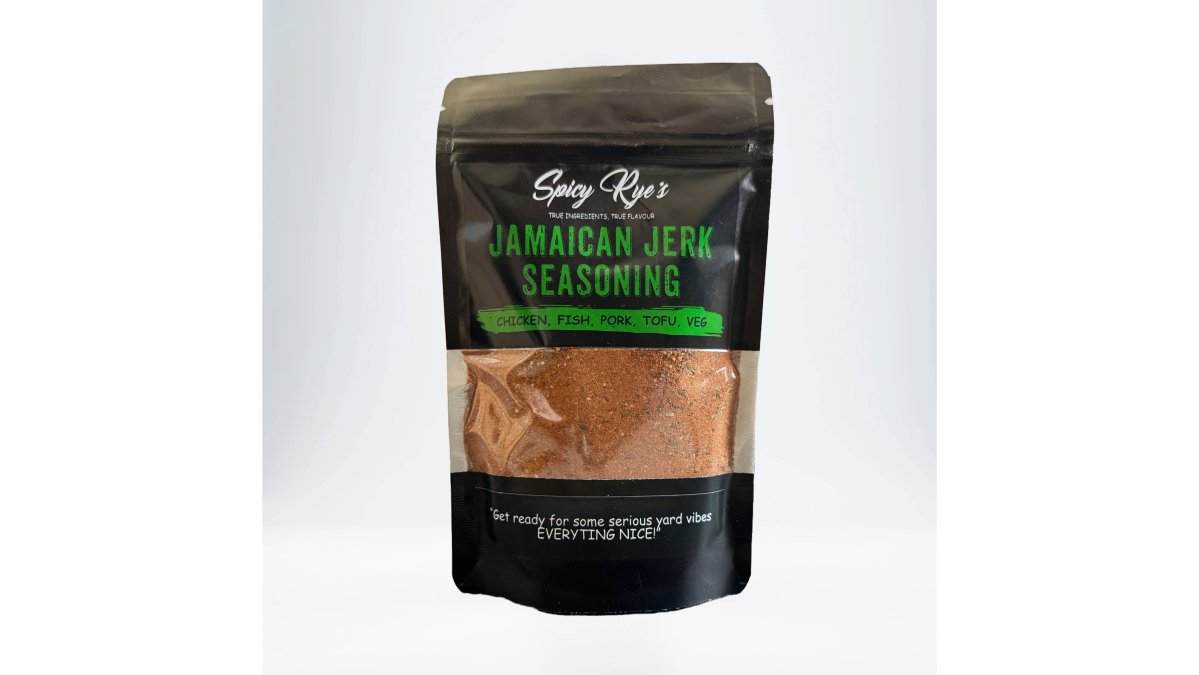
How to Use Jamaican Jerk Seasoning on Chicken, Pork, and Veg
Rub it generously onto chicken, pork, tofu, or veg, then marinate for at least 30 minutes. Overnight gives the deepest flavour. Cook over charcoal, in the oven, or in a jerk pan, and finish with a squeeze of fresh lime juice.

A common mistake is using too little. Jerk needs a heavy hand to build that signature crust. Start with one to two teaspoons per portion and adjust from there.
2. Garlic & Herb Seasoning: Best All-Rounder for Weeknight Cooking
Garlic and herb seasoning is the workhorse of any beginner's spice rack. It works on chicken, vegetables, pasta, and even popcorn, which makes it the safest first purchase.
Spicy Rye's Garlic & Herb Seasoning blends garlic granules, onion powder, oregano, parsley, basil, thyme, and lemon zest powder with nutritional yeast for a savoury, almost cheesy depth. It's punchy, fresh, and hard to overdo.
Sprinkle it over roasted vegetables before they go in the oven. Toss it through pasta with olive oil and a splash of pasta water. Dust it on chicken before pan-searing.
3. Smoky Barbecue Seasoning: Best for Low-and-Slow Flavour
Smoky barbecue seasoning is built for ribs, brisket, and anything that benefits from a sweet, smoky crust. It's less about heat and more about depth.
The Spicy Rye's Smoky Barbecue Seasoning balances smoked paprika, molasses-rich dark brown sugar, demerara sugar, and a whisper of chipotle heat. A touch of coffee powder deepens the colour and builds a rich, dark bark.
Rub it on ribs, brisket, pork shoulder, jackfruit, or corn. Let it rest for 30 minutes to overnight. For bark-building, lightly oil the meat, apply the rub generously, and cook low and slow.
This blend also works as a finishing dust. Sprinkle it on popcorn, roasted nuts, or sweet potato wedges for an instant flavour upgrade.
4. Lemon Pepper Seasoning: Best for Bright, Zesty Dishes
Lemon pepper seasoning is the fastest way to add brightness to a dish without reaching for fresh citrus. It's sharp, tangy, and pairs with almost any protein.
Spicy Rye's Lemon Pepper Seasoning leads with lemon zest powder at 30%, backed by cracked black pepper, sea salt, garlic, and a touch of thyme and parsley. It's bright rather than sour, with a savoury kick that keeps you coming back.
Sprinkle it over chicken, fish, or roasted veg. Toss potato wedges in it before roasting for citrus fries. Mix it into breadcrumbs for a zesty fish coating.
5. Veggie Rockstar Seasoning: Best for Plant-Based Meals
Veggie Rockstar Seasoning is designed to make vegetables taste like something you'd order at a restaurant. It's the blend to reach for when you're cooking plant-based meals and want real depth.
The Spicy Rye's Veggie Rockstar Seasoning combines smoked paprika, garlic, onion, oregano, parsley, and nutritional yeast for an umami hit that mimics savoury richness. Lemon zest powder adds a fresh finish.
Sprinkle it over chopped veg before roasting. Toss it into air-fried chips. Dust it over popcorn or avocado toast for a savoury snack.
How to Store Spices Properly to Keep Blends Fresh
Storing spices properly means keeping them away from heat, light, moisture, and air. Do those four things and blends can stay flavourful for an extended period.
Here's how to store your seasoning blends:
- Keep them in a cool, dark cupboard, not above the hob or beside the oven
- Transfer pouches to airtight glass jars once opened
- Label each jar with the date you opened it
- Use a dry spoon, never a wet one, to scoop out seasoning
- Store away from the kettle or dishwasher where steam builds up
- Check smell before use: if it smells flat, it's time to replace it
A common mistake is decanting spices into clear jars on an open shelf. It looks good, but light degrades flavour compounds quickly. Amber or opaque jars work better.
According to guidance from the Food Standards Agency on food storage, keeping dry goods away from moisture and heat helps maintain both quality and safety. That applies to spice blends as much as it does to flour or rice.
Simple Seasoning Recipes for Beginners
Simple seasoning recipes for beginners start with three things: a base blend, a fat, and a protein or vegetable. Get that ratio right and you can season almost anything.
Here are three starter combinations using the blends above:
Jerk chicken thighs: 2 tsp Jamaican Jerk Seasoning, 1 tbsp olive oil, 4 chicken thighs. Rub, marinate 30 minutes, roast at 200°C for 25 minutes.
Lemon pepper roast potatoes: 1.5 tsp Lemon Pepper Seasoning, 1 tbsp oil, 500g potato wedges. Toss, roast at 200°C for 35 minutes, turning once.
Garlic herb pasta: 1 tsp Garlic & Herb Seasoning, 2 tbsp olive oil, 200g cooked pasta. Toss while hot, add a splash of pasta water, finish with grated cheese.
For more detail on how to use Jamaican jerk seasoning specifically, the key is patience. Give it at least 30 minutes to sit on the meat before cooking. That's when the flavours really develop.
The NHS Eatwell Guide recommends building meals around a variety of vegetables and lean proteins. Seasoning blends make that easier by adding flavour without extra salt or fat.
If you're coming from a supermarket spice rack, you may notice a difference. Fresher blends can smell stronger and taste brighter.
Building a spice collection from scratch can feel overwhelming, especially when every shelf is packed with blends that all look the same.
Frequently Asked Questions
What are the most versatile seasoning blends for a beginner cook?
Garlic & Herb Seasoning and Lemon Pepper Seasoning are the most versatile starting points. Garlic & Herb works on chicken, pasta, roast veg, and even popcorn. Lemon Pepper suits fish, chips, and salads. Both cost £5.56 to £5.65 and cover a wide range of everyday meals, so you get more use from fewer jars. Start with one all-rounder, then add a smoky or spicy blend once you know what you cook most.
How should I store my seasoning blends to keep them fresh?
Keep blends in airtight containers away from heat, moisture, and direct sunlight. A cupboard near the hob is the worst spot because steam and warmth degrade flavour fast. Decant only what you need into a small jar for daily use and keep the main pouch sealed. Whole spices last longer than ground, but blends can stay flavourful for an extended period when stored properly. Label each jar with the date you opened it.
Can I use seasoning blends for both meat and vegetables?
Yes. Most blends work across proteins and plants. Garlic & Herb Seasoning suits chicken, pasta, and roasted veg. Veggie Rockstar Seasoning is built for vegetables but also works on popcorn and avocado toast. Smoky Barbecue Seasoning shines on ribs and jackfruit alike. The key is adjusting quantity: vegetables need a lighter dusting than meat, and oil helps the blend stick and caramelise during roasting.
What is the difference between a rub and a seasoning blend?
A rub is a seasoning blend applied directly to meat before cooking, often patted on dry or mixed with a little oil to form a crust. A seasoning blend is the broader term for any pre-mixed combination of spices, herbs, and salt you sprinkle on food before, during, or after cooking. Many blends, like Smoky Barbecue Seasoning, work as both: use it as a dry rub on ribs or sprinkle it on popcorn.
How do I start building a spice collection?
Begin with two or three versatile blends rather than a cupboard full of single spices. A Garlic & Herb blend and a Lemon Pepper blend cover most weeknight cooking. Add a smoky option like Smoky Barbecue Seasoning once you want deeper flavour. Buy small quantities first, store them properly, and replace when the aroma fades. This approach keeps costs low and prevents jars from going stale before you use them.