

Table of Contents
- What Is a Scotch Bonnet Chilli Pepper?
- Heat Level and Scoville Scale Explained
- Flavour Profile and Culinary Applications
- Growing Scotch Bonnet Peppers in the UK
- Scotch Bonnet vs Habanero: Key Differences
- Harvesting, Storage, and Preservation
- Using Scotch Bonnet Peppers in Your Kitchen
- Frequently Asked Questions
Last Updated: September 25, 2026
What Is a Scotch Bonnet Chilli Pepper?
The scotch bonnet chilli pepper is a fiery tropical fruit native to the Caribbean, belonging to the Capsicum chinense species. Unlike milder peppers, this variety packs serious heat alongside a distinctive fruity flavour profile that sets it apart from other super-hot peppers. If you're building a serious spice collection, understanding what makes a scotch bonnet unique is essential before you start cooking or growing them.

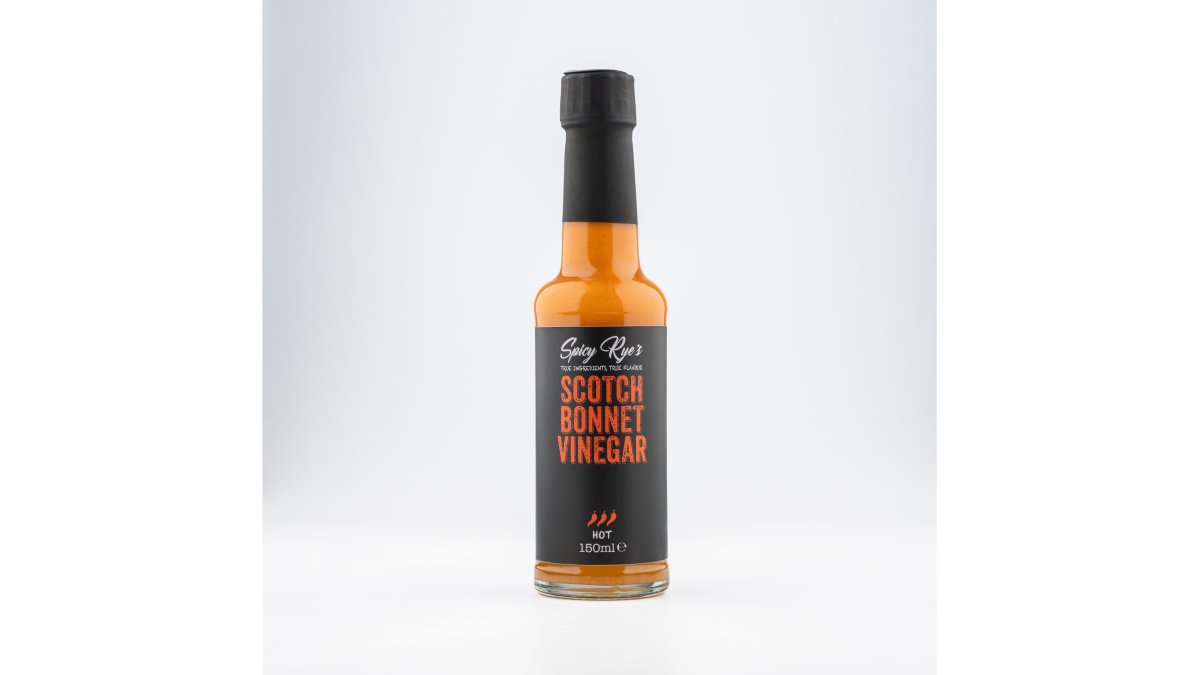
At Spicy Rye's, we've crafted products that capture their authentic heat and tropical character. The pepper's wrinkled, lantern-like appearance is instantly recognisable once you've seen one in person.
Botanical Classification and Origins
Scotch bonnets belong to Capsicum chinense, the same species as habaneros and ghost peppers. This classification matters because it determines their growing habits, flavour compounds, and heat intensity. The pepper originated in the Caribbean, where it's been cultivated for centuries and remains a cornerstone of regional cooking.
The name itself comes from the pepper's resemblance to a Scottish tam o'shanter hat. You'll find them thriving in warm climates across Jamaica, Trinidad, and other Caribbean islands where the growing season aligns perfectly with their needs. The botanical classification tells you something important: these peppers demand warmth, consistent moisture, and patience during cultivation.
Distinctive Pod Shape and Appearance
What makes a scotch bonnet instantly recognisable is its wrinkled, bonnet-shaped pod. Unlike the smooth, tapered shape of a habanero, scotch bonnets have a bumpy, crinkled surface that catches light in distinctive ways. The pods typically measure between 2.5 and 5 cm across and develop in shades of red, orange, yellow, or even green depending on ripeness and variety.
The texture of the pod skin is crucial. That wrinkled surface isn't just aesthetic; it indicates the pepper's maturity and capsaicin concentration. Fresh scotch bonnet peppers feel slightly waxy to the touch, and their stems remain bright green when properly harvested. Identifying true scotch bonnet varieties matters when you're sourcing seeds or fresh peppers, as several look-alikes exist in the marketplace.
Heat Level and Scoville Scale Explained
Scotch bonnets rank among the world's hottest peppers on the Scoville scale, measuring between 100,000 and 350,000 Scoville Heat Units (SHU). To put that in perspective, a jalapeño sits around 2,500-8,000 SHU, making scotch bonnets roughly 40 times hotter. This heat level places them firmly in the "extreme" category alongside habaneros and Thai chillies.
Understanding Scoville Heat Units
The Scoville scale measures capsaicin concentration, the compound responsible for heat sensation. Higher SHU values mean more capsaicin molecules triggering pain receptors in your mouth and throat. Scotch bonnets' position on this scale means they're not entry-level peppers; they demand respect and careful handling.
What's interesting about Scoville ratings is that they measure pure heat intensity, not flavour. A scotch bonnet's 100,000-350,000 SHU range tells you about the burn, but it doesn't explain why these peppers are prized by chefs. The heat is real and sustained, but it arrives alongside fruity, tropical notes that make the experience more complex than simple fire.
How Scotch Bonnets Compare to Other Peppers
Habaneros sit in a similar heat range (100,000-350,000 SHU), but scotch bonnets tend toward the higher end of that spectrum. The key difference lies in flavour profile and pod shape rather than raw heat. Habaneros taste more citrusy and straightforward, while scotch bonnets deliver that characteristic fruity sweetness alongside the burn.
Thai chillies (50,000-100,000 SHU) are noticeably milder. Ghost peppers (800,000-1,000,000 SHU) are significantly hotter, making them the choice for extreme-heat seekers. Carolina Reapers push beyond 2 million SHU, territory where heat overwhelms everything else. Scotch bonnets occupy a sweet spot: hot enough to demand attention, flavourful enough to enhance rather than obliterate a dish.
Flavour Profile and Culinary Applications
This is where scotch bonnets shine beyond their heat rating. The flavour is fruity, tropical, and slightly sweet, think mango, papaya, and citrus notes layered beneath the fire. This complexity is what separates them from purely hot peppers that exist only to burn.
Fruity and Tropical Notes
The fruity character comes from volatile compounds that develop as the pepper ripens. A fully mature scotch bonnet, deep red or orange rather than green, delivers maximum sweetness alongside maximum heat.
When you taste a fresh scotch bonnet, the initial sensation is heat, but within seconds you'll notice the fruity undertones. It's not a subtle flavour; it's bold and present, making these peppers useful for more than just adding fire to a dish. They contribute actual flavour depth.
Caribbean Cooking and Jerk Seasoning
Scotch bonnets are essential to authentic jerk seasoning, the iconic flavour profile of Caribbean cuisine. Traditional jerk marinades combine scotch bonnets with allspice, thyme, ginger, and garlic to create a complex, fiery paste. The pepper's fruity notes complement these spices rather than competing with them.
Jerk chicken, jerk pork, and jerk fish all rely on scotch bonnets for their signature heat and flavour. Beyond jerk, these peppers appear in Caribbean hot sauces, pepper sauces, and condiments.
Growing Scotch Bonnet Peppers in the UK
Growing scotch bonnets in the UK requires understanding their tropical origins and creating conditions that mimic a warm, humid climate. These aren't outdoor-all-season peppers in British conditions; they need protection and careful timing.
Sowing and Germination Requirements
Start scotch bonnet seeds indoors in February or early March to give plants enough time to mature before summer. Seeds germinate best at soil temperatures between 21-29°C, which means using a heated propagator or warm windowsill. Germination typically takes 10-21 days, though some seeds may take longer.
Soil Temperature, Sunlight, and Growing Season
Scotch bonnets demand warmth. Once seedlings develop their first true leaves, keep daytime temperatures around 18-21°C and nighttime temperatures above 15°C. They'll tolerate lower temperatures but grow more slowly, delaying fruiting. They require at least 6-8 hours of direct sunlight daily.
Common Pests and Disease Management
Indoors, spider mites and whitefly are the primary threats. Check the undersides of leaves weekly for webbing or tiny insects. Spray with water to dislodge pests, or use organic neem oil if infestations develop. Good air circulation helps prevent both pests and fungal diseases.
Scotch Bonnet vs Habanero: Key Differences
These two peppers are often confused because they occupy the same heat range and share Caribbean origins. Understanding their differences helps you choose the right pepper for your needs.
Heat, Flavour, and Pod Shape
Habaneros typically measure 100,000-350,000 SHU, overlapping with scotch bonnets, but habaneros often lean toward the lower end of that range. More importantly, habaneros taste distinctly citrusy and sharp, lacking the fruity sweetness of scotch bonnets. Pods are generally lantern-shaped, while scotch bonnets are more wrinkled and bonnet-shaped.
Growing Conditions and Cultivation
Both peppers demand warmth and light, but habaneros are slightly more forgiving in cooler conditions. In the UK, habaneros will tolerate outdoor growing more readily than scotch bonnets, making them the better choice if you want to avoid greenhouse cultivation.
Harvesting, Storage, and Preservation
Timing your harvest correctly determines both flavour intensity and shelf life. Scotch bonnets can be picked green, but waiting for full colour development, red, orange, or yellow depending on variety, maximises sweetness and heat.
When and How to Harvest
Peppers are ready to harvest when they feel firm and have reached full size, typically 60-90 days after flowering. Use a sharp knife or secateurs to cut the pepper from the plant rather than pulling, which can damage branches. Harvesting regularly encourages more fruit production throughout the season.
Preserving Fresh Peppers and Making Vinegar
Drying scotch bonnets concentrates their flavour and heat. Hang whole peppers in a warm, dry location or use a dehydrator set to 50-60°C. Dried peppers store for years in an airtight container. Rehydrate them in hot water before use, or grind into powder for seasoning blends.
Using Scotch Bonnet Peppers in Your Kitchen
Scotch bonnets work in far more applications than many people realise. Their fruity heat makes them suitable for everything from marinades to desserts, though the latter requires a delicate hand.
Preparing Peppers Safely and Cooking Methods
Always wear gloves when handling raw scotch bonnets. The capsaicin oil is potent and will burn your eyes and skin if you're not careful. Remove seeds and the white membrane inside if you want to reduce heat; most of the capsaicin concentrates there.
Versatile Everyday Applications
Beyond traditional jerk seasoning, scotch bonnets work in stir-fries, curries, and rice dishes. A single finely diced pepper can season a pot of soup for four people. They're excellent in hot sauces alongside vinegar and spices; our Scotch Bonnet Vinegar at Spicy Rye's captures this balance perfectly, delivering fruity heat you can use on roasted vegetables, in dressings, or drizzled over fish.
Frequently Asked Questions
How hot is a Scotch bonnet chilli pepper on the Scoville scale?
Scotch bonnet peppers rank between 100,000 and 350,000 Scoville Heat Units (SHU), making them significantly hotter than jalapeños (2,500-8,000 SHU) but milder than superhot varieties like Carolina Reapers. Their heat level sits in the super-hot range, delivering intense pungency alongside fruity flavour. The exact heat depends on growing conditions, soil temperature, and variety.
Can you grow Scotch bonnet peppers in the UK?
Scotch bonnets are tropical peppers that require warm, controlled conditions to grow successfully. They need consistent warmth, plenty of sunlight, and a long growing season. In the UK, this often means starting them indoors and potentially using a greenhouse or polytunnel for optimal results.
What's the difference between Scotch bonnet and habanero peppers?
Scotch bonnets and habaneros are closely related (both Capsicum chinense) but differ in pod shape and flavour. Scotch bonnets have a distinctive bonnet-like cap and fruity, tropical taste, whilst habaneros are lantern-shaped with a slightly different flavour profile. Heat levels overlap (100,000-350,000 SHU), but Scotch bonnets are often preferred in Caribbean cooking for their unique fruity notes and culinary versatility.
How do I use Scotch bonnet peppers in everyday cooking?
Scotch bonnets work brilliantly in marinades, hot sauces, stews, and Caribbean jerk seasoning recipes. Finely chop or blend them into salsas, add to soups for depth, or infuse into vinegar for a condiment. Start with small amounts; their heat builds quickly. Our Scotch Bonnet Vinegar (£6.95) offers an easy way to add their fruity heat to dressings, roasted vegetables, and marinades without the preparation.