

Table of Contents
- What Is Jamaican Jerk Seasoning?
- Key Ingredients in Authentic Jerk
- Dry Rub vs. Wet Marinade: Which Works Best
- Authentic Jerk Marinade Recipe
- How to Use Jerk Seasoning Powder in Your Kitchen
- Jerk Chicken Cooking Time and Best Proteins
- Storage, Shelf Life, and Quality Markers
- Troubleshooting Common Seasoning Mistakes
Last Updated: August 16, 2026
What Is Jamaican Jerk Seasoning?
Jamaican jerk seasoning is a bold spice blend combining scotch bonnet peppers, allspice, and fresh aromatics to create a flavour profile that's simultaneously smoky, zesty, and complex. The term "jerk" refers both to the seasoning and the traditional cooking method, slow-cooked over charcoal or wood fires.

What distinguishes authentic jamaican jerk seasoning is the balance between three distinct flavour layers: fiery heat, warming spice notes, and bright herbaceous aromatics. This layering creates complexity rather than simple burn.
At Spicy Rye's, we craft our Jamaican Jerk Seasoning to capture this authentic balance, combining premium ingredients without artificial additives. The blend works equally well as a dry rub or wet paste, making it versatile for weeknight cooking or special occasions. Whether you're char-grilling chicken, slow-cooking beef, or experimenting with plant-based proteins, this seasoning delivers unbeatable flavour.
Key Ingredients in Authentic Jerk
Authentic jamaican jerk seasoning relies on specific ingredients that work together to create its signature character. Each component serves a purpose: some deliver heat, others provide warmth and depth, and still others contribute aromatic brightness.
The Heat: Scotch Bonnet Peppers
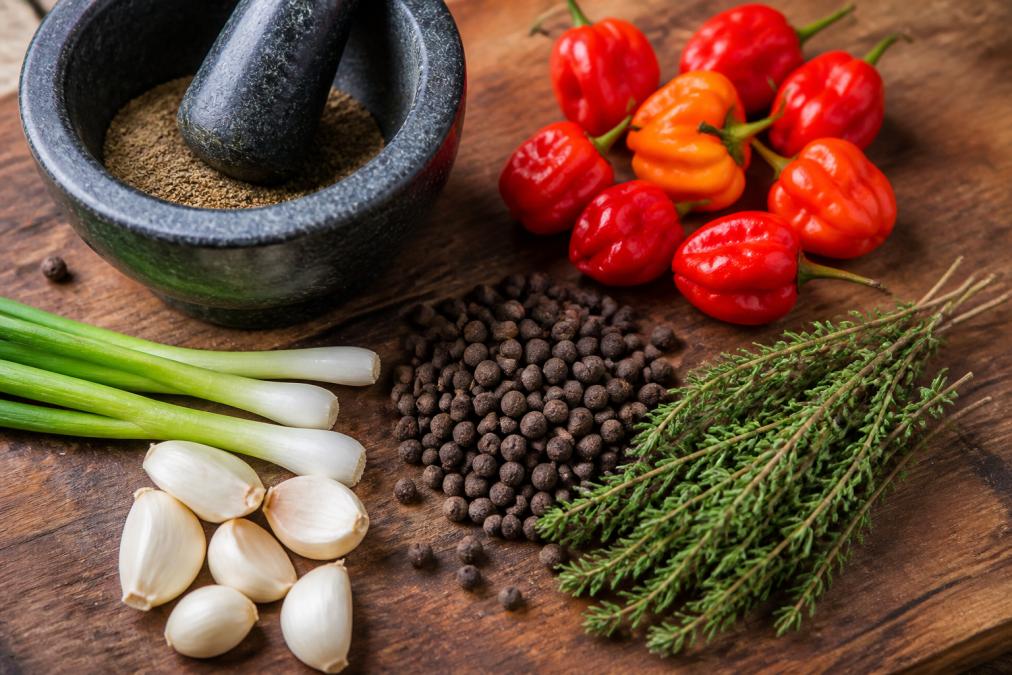
Scotch bonnet peppers are the foundation of authentic jamaican jerk seasoning's heat profile. These small, wrinkled peppers pack serious intensity, typically 100,000 to 350,000 Scoville units, but are valued for their fruity, slightly sweet undertone beneath the heat. When blended with other ingredients, they create cohesive heat that distributes throughout the dish rather than creating isolated hot spots.
For heat-sensitive cooks, scotch bonnet content can be reduced or replaced with milder alternatives like habaneros, though this shifts the flavour profile slightly.
The Warmth: Allspice and Pimento Berries
Allspice is the signature warm spice in authentic jamaican jerk seasoning, delivering notes that taste like a combination of cinnamon, nutmeg, and clove. Allspice berries are the dried fruit of the pimento tree, native to Jamaica, making this ingredient historically central to jerk cooking. The combination creates subtle sweetness that balances the heat of scotch bonnets and prevents the seasoning from feeling purely aggressive.
The Aromatics: Thyme, Garlic, and Escallion
Thyme brings subtle herbaceous notes, while garlic powder (or fresh garlic in wet pastes) contributes savoury depth. Escallion, a Caribbean term for spring onion, adds a sharp, fresh bite. Together, these aromatics create the "savoury backbone" of the seasoning, grounding the blend in umami-forward territory rather than pure spice.
Dry Rub vs. Wet Marinade: Which Works Best
A dry rub applies seasoning directly to the protein's surface without liquid, creating a concentrated, crusty exterior when the meat hits a hot grill. This method works beautifully for grilling and is faster to prepare.
A wet marinade combines seasoning with liquid components like lime juice, coconut milk, oil, or vinegar. This allows flavours to penetrate deeper into the protein over 4 to 24 hours. The liquid distributes spices more evenly, creating uniform flavour throughout. Wet marinades are ideal for slow-cooked dishes and tougher cuts.

Many cooks use a hybrid approach: marinate in a wet paste for several hours, then pat dry and apply additional dry rub before grilling. This combines deep flavour penetration with intense surface caramelization.
Authentic Jerk Marinade Recipe
This recipe creates a wet paste version of authentic jamaican jerk seasoning for marinating proteins or as a base for slow-cooked dishes. The recipe yields enough for approximately 1.5 kilograms of protein.
Ingredients:
- 4-6 fresh scotch bonnet peppers, roughly chopped (reduce to 2-3 if you prefer less heat)
- 2 tablespoons ground allspice
- 1 tablespoon fresh thyme leaves (or 1 teaspoon dried)
- 4 garlic cloves, minced
- 2 escallions, roughly chopped
- 1 teaspoon ground ginger
- ½ teaspoon ground cinnamon
- ½ teaspoon ground nutmeg
- 3 tablespoons olive oil
- 2 tablespoons lime juice
- 1 tablespoon soy sauce
- Salt and black pepper to taste
Method:

-
Combine wet ingredients first. Add scotch bonnet peppers, escallions, garlic, and thyme to a food processor. Pulse until roughly combined, you want a chunky paste, not a smooth purée.
-
Add dry spices. Sprinkle in allspice, ginger, cinnamon, and nutmeg. Pulse to distribute evenly.
-
Incorporate oils and acids. Add olive oil, lime juice, and soy sauce. Pulse until the mixture reaches a paste-like consistency with visible texture.
-
Season to taste. Add salt and black pepper gradually, tasting as you go.
-
Apply to protein. Coat your chosen protein thoroughly, rubbing the paste into crevices.
-
Marinate. Cover and refrigerate for at least 4 hours, ideally overnight. For tougher cuts, 24 hours is ideal; for thinner cuts, 6-8 hours is sufficient.
-
Cook. Remove from refrigerator 30 minutes before cooking.
How to Use Jerk Seasoning Powder in Your Kitchen
Jamaican jerk seasoning powder is more versatile than many home cooks realize. While traditionally associated with grilled chicken, the seasoning works across a wide range of cooking methods and proteins.
Grilling and Char-Grilling
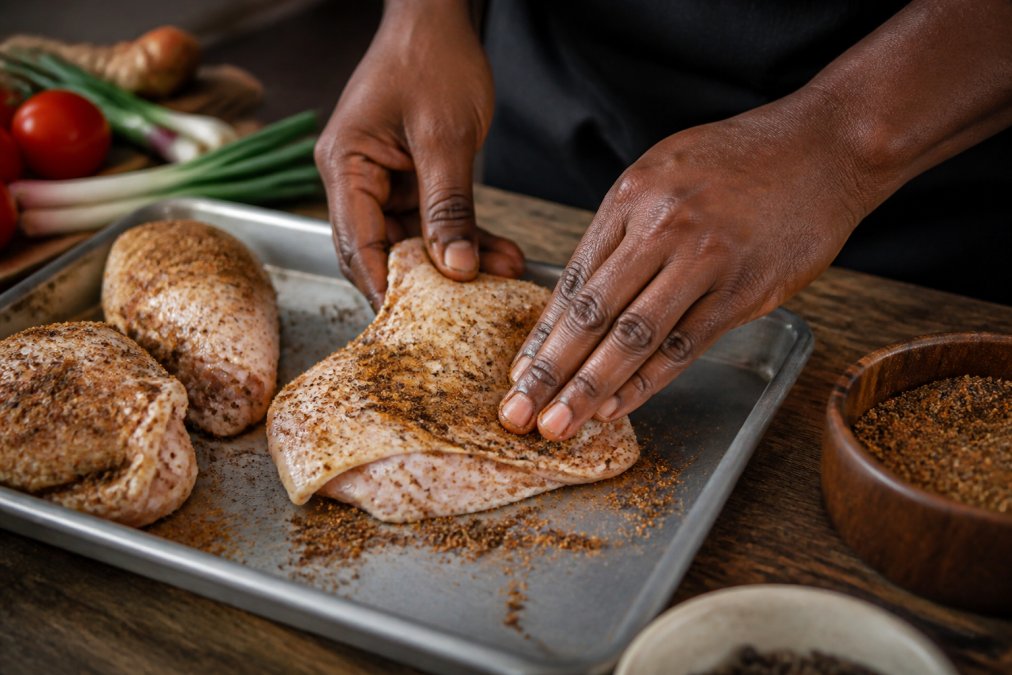
Grilling is where jamaican jerk seasoning truly shines. The dry rub approach works beautifully because high, direct heat creates intense caramelization that locks the seasoning onto the protein's surface. Pat your protein dry, apply seasoning generously, and grill over medium-high to high heat.
Fish and seafood also respond well to jerk seasoning on the grill, though they require shorter cooking times. Vegetables like peppers, courgettes, and aubergines can be rubbed with jerk seasoning and char-grilled as well.
Slow-Cooked and Oven-Roasted Dishes
Slow-cooking with jamaican jerk seasoning produces entirely different results than grilling. Extended cooking time allows spices to fully dissolve into braising liquid, creating a complex sauce that becomes part of the dish. Oven-roasting at moderate temperatures (around 180°C) falls between grilling and slow-cooking, allowing the seasoning to caramelize on the protein's surface while the bottom braises slightly.
Jerk Chicken Cooking Time and Best Proteins
Cooking time varies based on cut, thickness, and cooking method. For grilled chicken breasts with jamaican jerk seasoning, expect 6-8 minutes total (3-4 minutes per side) over medium-high heat. Chicken thighs require 8-12 minutes depending on thickness. Bone-in, skin-on pieces take 12-15 minutes.
Whole chickens roasted in the oven at 190°C take approximately 1 hour 20 minutes to 1 hour 40 minutes, depending on size. Pork shoulder becomes incredibly tender when slow-cooked with jerk seasoning for 6-8 hours. Beef brisket requires 8-12 hours depending on size.
Fish and seafood require significantly shorter cooking times. Whole fish like mackerel or snapper need just 12-15 minutes in a moderate oven or 4-6 minutes per side on a grill. Prawns cook in just 3-4 minutes per side.
Plant-based proteins like tofu and tempeh also respond well to jerk seasoning. Press tofu to remove excess moisture, then marinate in a wet jerk paste for at least 2 hours before grilling or pan-frying.
Storage, Shelf Life, and Quality Markers
Dry jerk seasoning powder should be stored in an airtight container in a cool, dark place. Under these conditions, quality dry rub remains potent for 6-12 months. After this point, volatile oils fade and the seasoning loses intensity.
Wet jerk marinades or pastes require refrigeration and have a shorter shelf life. A fresh paste made with raw peppers and aromatics typically lasts 3-5 days when refrigerated in an airtight container. Freezing extends the life to 2-3 months.
Quality markers for authentic jamaican jerk seasoning include visible texture from whole spices, a strong, complex aroma that smells like warmth and heat rather than just "spicy," and vibrant colour from peppers and allspice. If the seasoning smells musty, looks faded, or has lost its aromatic punch, it's past its prime.
When purchasing pre-made jerk seasoning, check the ingredient list for artificial additives, preservatives, or fillers.
Troubleshooting Common Seasoning Mistakes
The seasoning tastes one-dimensional or flat. This usually means the balance between heat, warmth, and aromatics has been lost. Adding fresh lime juice or a pinch more thyme can restore balance. If using pre-made seasoning, ensure you're not cooking at too-low temperatures.
The heat overwhelms everything else. This is common when too much scotch bonnet pepper is used. For future attempts, reduce pepper content by 25-30% and increase cooking temperature slightly. Balance heat with cooling elements: lime juice, coconut milk, or yoghurt-based marinades all temper intensity.
The exterior burns before the interior cooks through. This indicates cooking temperature is too high or time is too short. For grilling, move the protein to indirect heat once the exterior has developed colour. For oven-roasting, lower the temperature by 10-20°C and extend cooking time.
The seasoning doesn't stick to the protein. Moisture is the culprit. Pat the protein completely dry before applying dry rub.
The flavour tastes artificial or chemical. Check the ingredient list for artificial flavourings, MSG, or excessive salt. If using your own blend, ensure spices are fresh.
Working with authentic jamaican jerk seasoning transforms everyday proteins into something genuinely memorable. The key is understanding how different components work together, the heat, warmth, and aromatics, and how to balance them based on your cooking method and personal preference.
Spicy Rye's Jamaican Jerk Seasoning is crafted to deliver authentic taste without compromise. Our blend combines premium scotch bonnet peppers, allspice, and hand-selected aromatics to create a seasoning that works across multiple cooking methods and proteins. At £5.65 per jar, it's an investment in better meals, the kind of seasoning that sits at the front of your spice rack because you reach for it constantly. Shop now and discover why authentic flavour matters.
Frequently Asked Questions
What are the three main ingredients that define jerk flavour?
The core trio is scotch bonnet peppers (providing fiery heat), allspice (delivering warm, slightly sweet notes), and thyme (adding earthy aromatics). These three create the distinctive spice profile you recognise in authentic jerk seasoning. Other ingredients like garlic, onion, and ginger build complexity, but those first three are non-negotiable for genuine jerk character.
How long should I marinate meat in authentic jerk marinade recipe for best results?
For chicken, 4-6 hours yields balanced flavour without over-seasoning. Overnight (8-12 hours) works well for tougher cuts like pork shoulder or beef. If using a dry rub alone, 30 minutes to 1 hour before cooking is sufficient. The longer marination time allows the spices and aromatics to penetrate deeper, creating more intense caramelisation on the grill.
Is store-bought jerk seasoning as good as homemade?
Quality varies significantly. Premium blends made with whole spices and natural ingredients rival homemade versions, particularly if you're short on time. Many supermarket options contain fillers, excess salt, or artificial flavourings that dilute the authentic taste. Look for brands using real scotch bonnet peppers, allspice, and thyme without preservatives, these deliver the smoky, zesty character you're after without the hassle of blending your own.
Can I use jerk seasoning powder if I don't like extremely hot food?
Yes. Heat level depends on how much seasoning you apply and whether you include the peppers. Start with half the recommended amount and adjust upwards. You can also remove seeds from scotch bonnet peppers before grinding to reduce heat while keeping the fruity flavour. Many people find the allspice, thyme, and aromatic notes are just as appealing as the chilli kick, you're not sacrificing flavour by dialling back the fire.
This article was written using GrandRanker