
Table of Contents
- Why Premium Sauces Matter for Everyday Cooking
- How to Use Chilli Sauce in Everyday Meals
- Best Sauces for Everyday Cooking
- Sauce Pairings for Chicken and Vegetables
- How to Use Chilli Vinegar for Depth and Complexity
- Flavour Balance: The Real Value of Quality Ingredients
- Storage, Shelf Life, and Getting the Most from Your Sauces
- Frequently Asked Questions
Last Updated: October 16, 2026
Why Premium Sauces Matter for Everyday Cooking
Understanding why use premium sauces for everyday meals starts with how they transform ordinary meals into something memorable.
Here's what separates premium sauces from supermarket staples: quality ingredients.
At Spicy Rye's, we've built our range around a simple idea: why use premium sauces for everyday meals comes down to the fact that everyday meals deserve better ingredients.
The real value isn't about being fancy. It's practical. A single jar of quality sauce can elevate ten different meals. Chicken tastes better. Vegetables become craveable. Burgers feel special.
How to Use Chilli Sauce in Everyday Meals
Chilli sauce works harder than most home cooks realise. It's not just heat, it's a building block for marinades, glazes, dressings, and finishing touches.

Marinades and Glazes for Proteins
A good chilli sauce becomes a marinade with one simple addition: time. Coat your protein, chicken, pork, beef, and let it sit for 30 minutes to 2 hours.
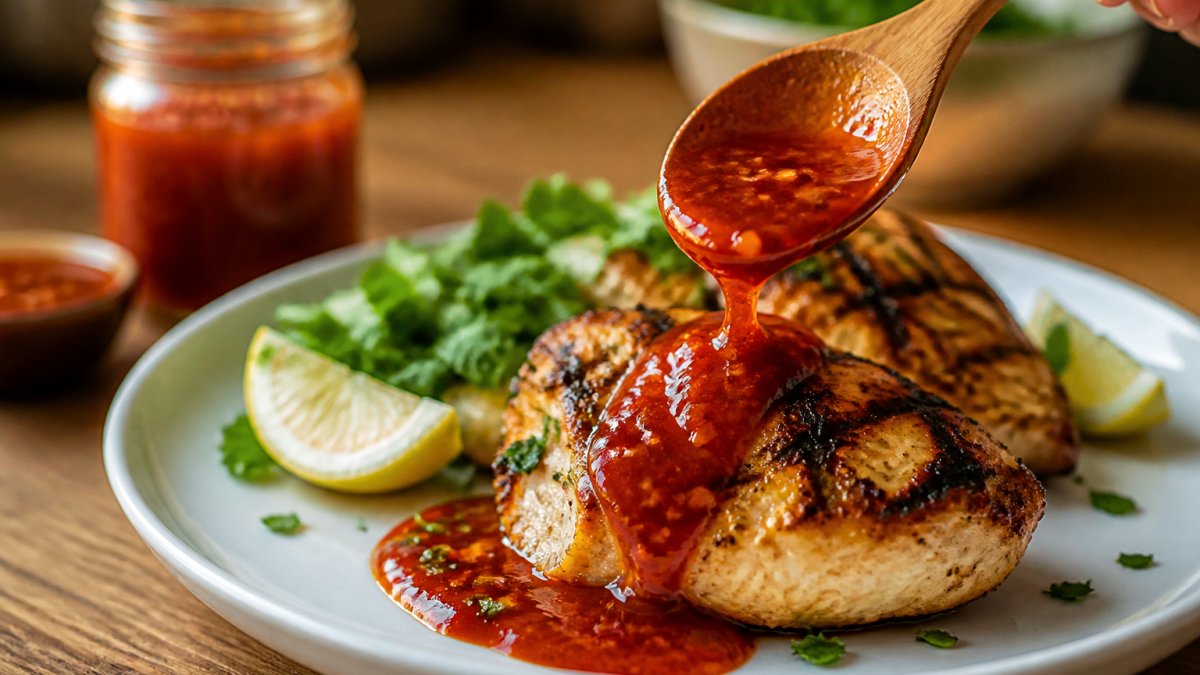
For grilling, brush chilli sauce onto meat during the final stages. This prevents burning while building a glossy, flavourful exterior.
Try this approach:
- Coat chicken thighs with premium chilli sauce
- Let sit 45 minutes at room temperature
- Grill over medium-high heat, brushing every few minutes
- Rest 5 minutes before serving
The result tastes like you spent all afternoon cooking. You spent 45 minutes.
Dressings and Finishing Touches
Chilli sauce doesn't belong only in hot dishes. Mix it with olive oil and vinegar to create a dressing for grilled vegetables, salads, or roasted beetroot. The heat balances acidity.
As a finishing touch, a spoonful of quality chilli sauce transforms:
- Roasted sweet potato
- Grilled fish
- Scrambled eggs
- Soup (just a drizzle)
- Cheese and crackers
The key is restraint. Premium sauces are concentrated. A little goes a long way.
Best Sauces for Everyday Cooking
Not all sauces suit every meal. The best approach is matching sauce to cooking method and ingredient.
Smoky and Sweet Profiles for Grilled Dishes
Smoky sauces belong on the grill. They complement charred flavours and caramelised edges.
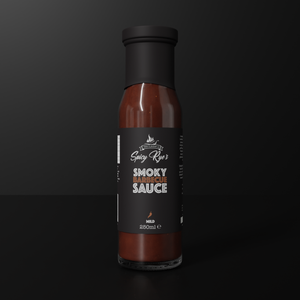
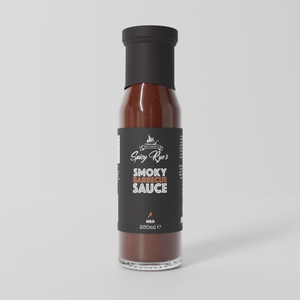
Our Smoky Chipotle BBQ Sauce (£7.95) works brilliantly here. Brush it on ribs, brisket, or grilled vegetables.
For something different, try Bourbon & Honey BBQ Sauce (£6.95). The bourbon adds sophistication. The honey caramelises beautifully.
Grilled dishes need sauces that can handle heat and char. Delicate sauces wash away. Premium sauces with real depth stand up to fire.
Balanced Flavour for Lighter Meals
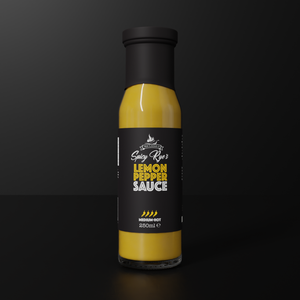
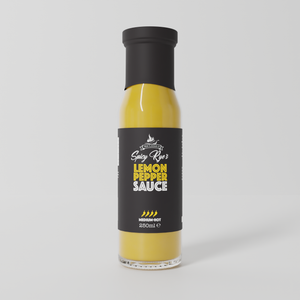
Not every meal needs heat. Honey & Lemon Pepper Sauce (£6.95) proves that premium doesn't mean extreme. It's tangy, slightly sweet, and perfectly balanced.

Use this on:
- Grilled chicken breast
- Baked fish
- Roasted vegetables
- Salad dressings (mix with olive oil)
- Seafood marinades
Balanced sauces work because they don't demand attention. They enhance without overwhelming. This is where premium ingredients show their worth, quality honey tastes like honey, not sugar syrup. Real lemon gives brightness, not harshness.
Sauce Pairings for Chicken and Vegetables
Chicken and vegetables are the workhorses of weeknight cooking, but the same two ingredients can taste completely different depending on which sauce you reach for. The practical skill is matching sauce style to cooking method and to the natural character of the ingredient, rather than defaulting to one bottle for everything.
Roasted Chicken and Poultry
Roasted chicken needs a sauce with enough body to coat and cling. Thin sauces slide off; premium sauces with real depth stick around and caramelise into a glaze.
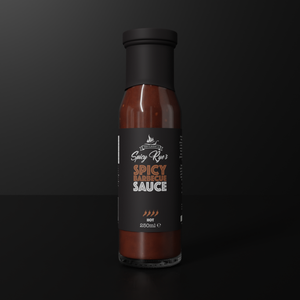
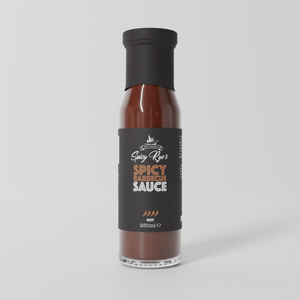
Spicy BBQ Sauce (£7.95) works beautifully here. Brush it on during the last 15 minutes of roasting.
The technique matters as much as the sauce. Apply premium sauce near the end of cooking, not at the start. This prevents burning and keeps flavours bright.
Grilled and Roasted Vegetables
Vegetables benefit from sauce more than almost any other ingredient because they are neutral canvases. Brush them with sauce before grilling or roasting, courgettes, peppers, aubergine, mushrooms and corn all work, and the sauce caramelises on the surface, creating texture and depth.
A useful rule is to match sauce weight to vegetable density. Dense vegetables such as aubergine and mushrooms absorb and hold a thicker, smoky sauce well, while lighter vegetables such as courgettes and peppers do better with a thinner, brighter glaze so they do not become cloying.
Everyday Pairings Beyond Chicken and Vegetables
The pairing gap most guides leave open is the rest of the weekly menu. These combinations are practical starting points rather than rules:
- Eggs: a spoonful of smoky chipotle BBQ sauce over scrambled eggs or a frittata adds depth without overpowering the egg; honey and lemon pepper suits poached eggs and spinach.
- Grains: stir a little chilli sauce through rice, couscous or quinoa with olive oil and lemon for a fast grain bowl; a balanced honey and lemon sauce works better with delicate grains such as couscous.
- Sandwiches and wraps: use BBQ sauce sparingly as a spread on the bread rather than pouring it over the filling, so the bread does not go soggy; mix chilli sauce with a little yogurt or mayonnaise for a quick spread.
- Proteins other than chicken: pork chops and salmon take a bourbon and honey glaze well; white fish prefers the lighter honey and lemon pepper sauce.
- Leftovers: leftover roast vegetables and grains are the best candidates for a finishing sauce, because the sauce replaces the moisture and flavour lost on reheating. Add it at the table rather than before reheating to keep the texture intact.
How to Use Chilli Vinegar for Depth and Complexity
Chilli vinegar is the secret weapon most home cooks ignore. It's not a condiment you eat by the spoonful, it's an ingredient that adds layers.
A splash of quality chilli vinegar does this:
- Brightens heavy dishes (adds acidity without thinning)
- Deepens flavour in soups and stews
- Balances richness in grilled meats
- Adds complexity to salad dressings
- Finishes roasted vegetables
Use it like salt: a little at a time, tasting as you go. A teaspoon can transform a dish. A tablespoon can ruin it.
Chilli vinegar works especially well in:
- Braised dishes (add in final minutes)
- Marinades (1-2 tablespoons per cup of liquid)
- Finishing grilled fish
- Drizzling over roasted root vegetables
The complexity comes from the combination of heat, acidity, and depth. Premium chilli vinegar uses real chillies and quality vinegar, not shortcuts. You taste the difference immediately.
Flavour Balance: The Real Value of Quality Ingredients
This is where premium sauces prove their worth: balance.
Cheap sauces rely on salt, sugar, or heat to create impact. They're one-note.
Real spices taste different from spice extracts. Natural honey tastes different from corn syrup.
When you use premium sauces, you're not paying for a label. You're paying for ingredients that actually taste like something.
This balance is why premium sauces work across so many dishes.
Home cooks who switch to premium sauces report the same thing: their everyday meals suddenly taste intentional. Not fancy.
Storage, Shelf Life, and Getting the Most from Your Sauces
A jar of premium sauce only delivers value if you use it before it loses quality, and the practical details of storage are where most guides stay vague. The following approach is a sensible default; always check the jar's own label, because oil-based, vinegar-based and dairy-containing sauces behave differently.
Before and After Opening
Unopened jars keep best in a cool, dark cupboard away from the hob, where heat and light degrade flavour faster than time does. Once opened, the general pattern is:
- Vinegar- and sugar-based sauces (most BBQ and chilli sauces): refrigerate after opening and aim to use within the period stated on the label, typically a few months. Refrigeration slows flavour loss and mould growth.
- Oil-based sauces and dressings: refrigeration is usually recommended once opened, and separation is normal; shake before use.
- Fresh or dairy-containing sauces: treat as perishable and follow the label's short opened-shelf-life guidance strictly.
A common mistake is storing opened jars next to the stove because they are used often. The warmth speeds up flavour degradation and can encourage spoilage.
Food Safety and Cross-Contamination
The Food Standards Agency's guidance on food storage and safety is the practical reference here: keep raw and ready-to-eat foods separate, and never double-dip a utensil that has touched raw meat back into a jar. If you are using sauce as a marinade, reserve a portion in a separate bowl before the raw meat goes in, or boil the used marinade briefly if you intend to serve it.
Other practical points:
- Use a clean spoon each time rather than the cooking utensil.
- Wipe the jar rim before resealing so residue does not attract mould.
- Check for changes in smell, colour or texture before use; when in doubt, discard.
- Do not decant into unlabelled bottles, because you lose the date and storage instructions.
Getting Value From Every Jar
The key to getting value from premium sauces is actually using them. A jar that sits unopened for a year is not an investment, it is waste. A jar you use twice a week for six months is money well spent. This is why starting with one versatile sauce makes sense: use it on grilled chicken, roasted vegetables, burgers and salads, learn how it behaves, then add a second sauce that covers different ground.
Food Standards Agency guidance on food storage and safety
Frequently Asked Questions
What makes a premium sauce different from supermarket alternatives?
Premium sauces are crafted with high-quality, often natural ingredients without unnecessary additives or preservatives. They deliver more complex flavour profiles, richer texture, and better nutritional value than mass-produced options. A premium sauce like Spicy Rye's uses real bourbon, honey, or smoky chipotle rather than artificial flavourings, meaning you taste genuine depth in every spoonful. You're paying for ingredient quality and the skill behind the blend, not just convenience.
Are premium sauces worth the extra cost for everyday cooking?
Yes, when you consider cost per serving and versatility. A 250ml jar of premium sauce (around £6.95-£7.95) can enhance 8-12 meals, bringing the cost to roughly 60-90p per dish. Premium sauces transform simple ingredients, grilled chicken, rice, vegetables, into memorable meals without extra effort or expense. They also reduce food waste by making leftovers taste fresh and exciting, and their concentrated flavour means you use less per serving than cheaper alternatives.
How do I know if a sauce is truly preservative-free and made with quality ingredients?
Check the ingredients list carefully. Preservative-free sauces typically contain only real food items: spices, vinegar, honey, bourbon, or chilli peppers. Avoid terms like 'natural flavours' (vague), sodium benzoate, or potassium sorbate (chemical preservatives). Reputable brands like Spicy Rye's list every ingredient transparently. If shelf life is a concern, remember that vinegar and salt can act as natural preservatives.
Can I use premium sauces if I don't like very spicy food?
Absolutely. Premium sauces come in many flavour profiles beyond heat. Spicy Rye's Bourbon & Honey BBQ Sauce (£6.95) and Honey & Lemon Pepper Sauce (£6.95) deliver bold, sophisticated flavour without overwhelming spice. Even their spicy options can be used strategically: mix a small amount into dressings, use as a glaze (heat mellows during cooking), or add to marinades where spice distributes evenly. Start with a teaspoon and adjust to taste.