

Table of Contents
- Why Vinegar Transforms Your Cooking
- Best Types of Vinegar for Cooking and Their Uses
- How to Balance Acidity in Cooking
- Using Chilli Vinegar in Recipes
- Vinegar in Baking and Preservation
- Common Mistakes to Avoid
- Frequently Asked Questions
Last Updated: August 31, 2026
Why Vinegar Transforms Your Cooking
Vinegar is a fundamental culinary tool that brightens flavours, tenderizes meat, preserves ingredients, and adds complexity to dishes. Understanding how to use vinegar transforms your ability to balance a plate and build depth in everything from simple salads to slow-cooked stews.
Acidity is the key. When you introduce acetic acid into a dish, it amplifies existing flavours, cuts through richness, and creates contrast. A squeeze of vinegar over roasted vegetables makes them taste more like themselves. A splash in a pan after searing meat lifts the fond and builds a sauce. A teaspoon in cake batter reacts with baking soda to create lift and tenderness (peer-reviewed research).
At Spicy Rye's, we've spent years exploring how different vinegars behave in the kitchen. Each type brings its own character: some are bold and fruity, others delicate and floral, still others smoky and complex. Choosing the right vinegar for your dish is the difference between competent cooking and cooking that impresses.

Best Types of Vinegar for Cooking and Their Uses
Not all vinegars are created equal. The type you choose determines how a dish will taste, how ingredients will behave, and what flavour profile you're building toward.
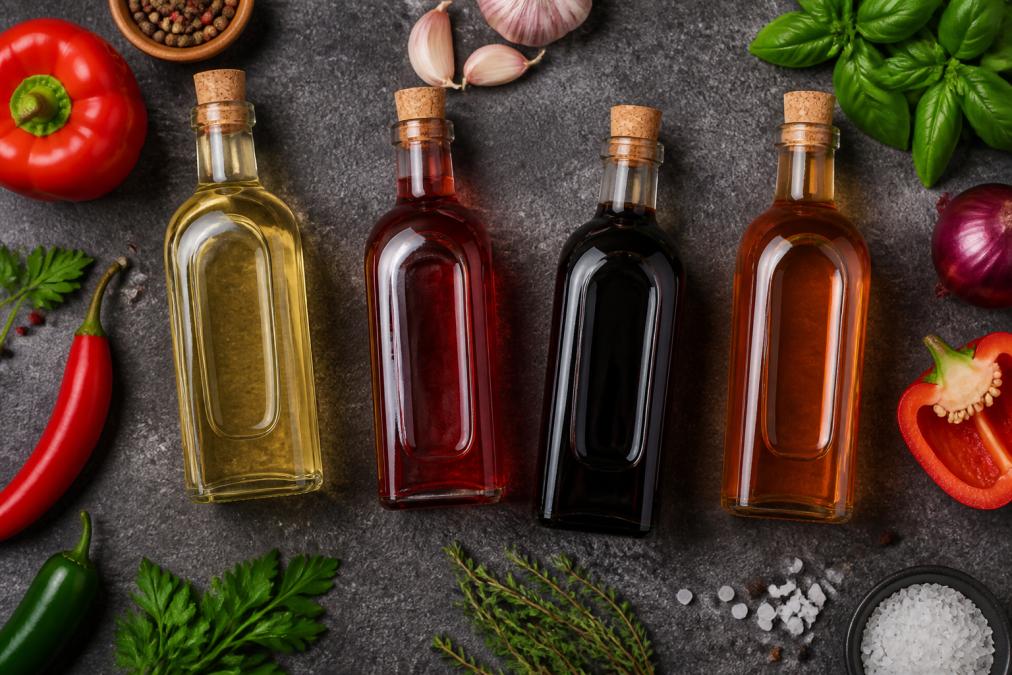
Balsamic vinegar for depth and richness
Balsamic vinegar is thick, dark, and intensely sweet with underlying complexity. Made from Trebbiano grape must and aged in wooden barrels, it adds richness and subtle sweetness that rounds out savoury dishes without sharp sourness (europa.eu).
Use balsamic sparingly: drizzle it over roasted vegetables just before serving, finish a beef stew with a teaspoon, or glaze chicken in the final minutes of cooking. It works particularly well in reductions, where its natural sugars caramelize and intensify.
Red wine and white wine vinegars for brightness
Red wine vinegar has a sharp, tangy character with subtle fruity notes. White wine vinegar is lighter in colour and flavour, with more delicate acidity. Both are workhorses in the kitchen, bringing brightness and balance without dominating the dish.
Red wine vinegar pairs beautifully with strong flavours: beef, game, and hearty vegetables. White wine vinegar is more versatile, working with fish, chicken, and lighter preparations. Use these vinegars to deglaze pans after searing meat, to brighten vinaigrettes, or to add a final note of acidity to soups and stews.
Rice vinegar for delicate dishes
Rice vinegar is mild, slightly sweet, and delicate. Because its acidity is gentler than wine vinegars, it won't overpower subtle dishes, making it ideal for seafood, light broths, and dishes where you want brightness without aggression (peer-reviewed research). Its lower acidity level means you can use slightly more of it without making a dish too sour.
Cider vinegar for strong flavours
Cider vinegar is made from fermented apple juice and has a warm, fruity character with subtle sweetness. It works particularly well with pork, poultry, root vegetables, and warm spices like cinnamon or clove. The apple notes complement autumn and winter cooking, and it's excellent in braises, stews, and pickling.
How to Balance Acidity in Cooking
Adding vinegar is easy. Using it correctly requires understanding balance. Too much vinegar makes food taste sour and one-dimensional. The right amount creates harmony, lifts flavours, and adds complexity.
Acidity should never be the dominant flavour. It should be a supporting player that makes everything else taste more like itself. When a dish feels flat or muted, acidity is often the answer. When it feels sharp or sour, you've gone too far.
Start conservatively. Add vinegar a few drops at a time, tasting between additions. This trains your palate to recognize what acidity does to a dish. A general guideline: if you can taste the vinegar as a distinct flavour, you've likely used too much.
Consider what else is in the dish. Fatty foods need more acidity to cut through richness. Sweet dishes need less, or you'll create an unpleasant sour-sweet clash. Umami-rich foods like beef, mushrooms, and aged cheeses become more pronounced when acidity is added.
Temperature also plays a role. Vinegar added to a cold dish tastes sharper than vinegar added to a hot dish. Heat can soften the perception of acidity slightly. This is why you might need to adjust seasoning after a dish cools.
Using Chilli Vinegar in Recipes
Chilli vinegar combines the brightness of vinegar with the heat and complexity of chilli peppers. When done well, it adds layers: initial heat, fruity undertones, and a lingering warmth. It's versatile enough to work in marinades, dressings, and as a finishing touch.
The beauty of chilli vinegar is that it delivers heat without the bulk of whole chillies. You get the flavour and the spice in liquid form, which means you can control the intensity more precisely.
Marinades and meat tenderising
Chilli vinegar in a marinade tenderizes the meat and infuses it with flavour. The acetic acid breaks down the protein structure, making the meat more tender and allowing it to absorb surrounding flavours more effectively.
A basic marinade combines chilli vinegar with oil, garlic, and spices. A general guideline is one part vinegar to three parts oil, though this varies depending on marinating time and the cut of meat. Tougher cuts benefit from longer marinating times: beef chuck or pork shoulder can marinate for 4-8 hours or overnight, while chicken breast needs only 30 minutes to an hour.
Spicy Rye's Jalapeño Vinegar (£6.95) works beautifully in Latin-inspired marinades for chicken or pork. The Chipotle Vinegar (£6.95) brings complex flavour alongside heat, particularly effective with beef.

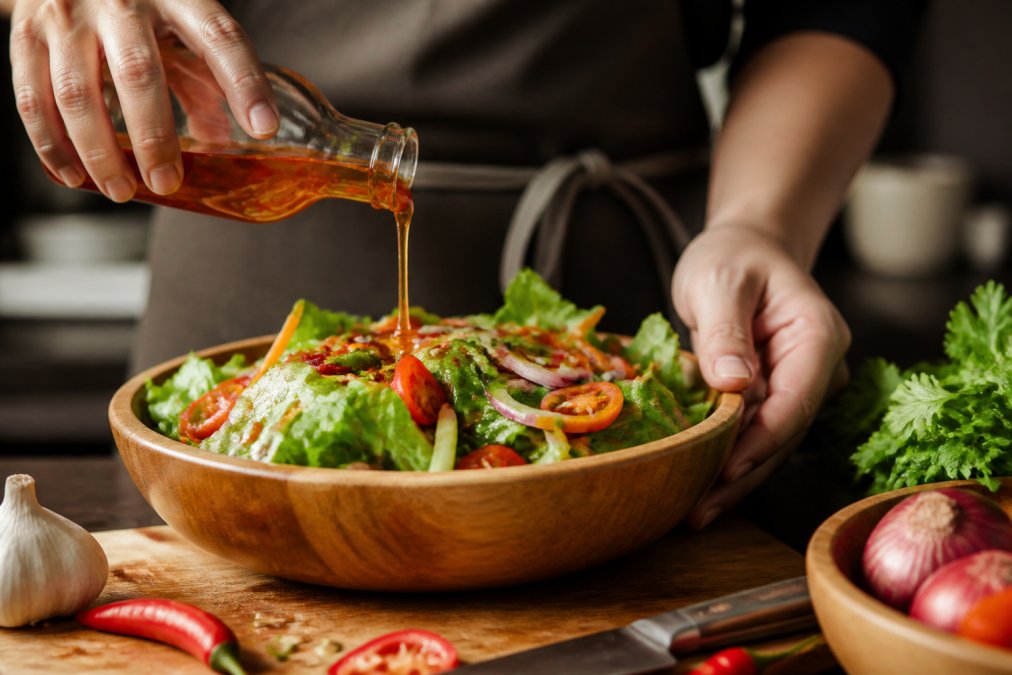
Salad dressings and vinaigrettes
A vinaigrette is fundamentally a balance of acid, oil, and emulsifiers. Chilli vinegar replaces the traditional vinegar component and adds an extra layer of interest. The classic ratio is one part acid to three parts oil. With assertive chilli vinegars, you might adjust to one part vinegar to four parts oil, allowing the oil to temper the heat.
Emulsify your vinaigrette by whisking vigorously or using an immersion blender. Add mustard or egg yolk as an emulsifier if the dressing refuses to come together.
The Habanero Vinegar (£6.95) brings fruity heat to vinaigrettes and pairs well with bitter greens like radicchio or endive. The Scotch Bonnet Vinegar (£6.95) works beautifully in Caribbean-inspired salads with mango, avocado, and black beans.
Deglazing pans and finishing sauces
Deglazing is one of the most powerful techniques in cooking. When you sear meat or vegetables in a hot pan, proteins and sugars caramelize on the bottom, creating fond, pure flavour. Deglazing means adding liquid to the hot pan to dissolve the fond and create the base for a sauce.
Chilli vinegar deglazes effectively because it's acidic enough to cut through fat and lift the fond, while the chilli adds depth and heat. Pour the chilli vinegar into the hot pan, scrape with a wooden spoon, and let it reduce by half. The result is a complex, spicy sauce ready to serve over the meat.
Vinegar in Baking and Preservation
In baking, vinegar is a chemical agent. When combined with baking soda, it creates a reaction that produces carbon dioxide gas, the bubbles that make cakes, biscuits, and quick breads rise. Mix your dry ingredients, combine your wet ingredients (including the vinegar), then fold them together just before baking. If you wait too long, the gas escapes and your baked good won't rise properly.
Any vinegar works for this purpose, though white vinegar is most common because its flavour is neutral. The amount is typically small, a teaspoon or two per cup of flour, so the vinegar's flavour doesn't register.
In preservation, vinegar is the preservative. The high acidity creates an environment where bacteria cannot survive, which is why pickled vegetables last for months in a jar. The pickling process involves heating vinegar with spices and salt, then pouring it over vegetables. As it cools, the vinegar penetrates the vegetables and preserves them naturally.
Common Mistakes to Avoid
Adding vinegar too early. If you add vinegar at the start of cooking, much of it will evaporate or become muted by other ingredients. Add it near the end, when you can taste its effect and adjust accordingly. The exception is long braises or stews, where you want the vinegar's acidity to work on the meat over hours.
Using too much. A little vinegar brightens a dish. A lot makes it taste sour and one-dimensional. Start with less than you think you need, taste, and add more if necessary.
Choosing the wrong type. Balsamic doesn't belong in a light Asian-inspired dressing. Rice vinegar doesn't work well in a hearty beef stew. Match the vinegar to the dish's character.
Forgetting that temperature matters. Vinegar tastes sharper when cold and softer when hot. Adjust your seasoning accordingly, or taste the final dish at serving temperature before deciding if more adjustment is needed.
Not considering what else is in the dish. Vinegar amplifies umami, can clash with sweetness if not balanced carefully, and cuts through fat but needs restraint with delicate flavours. Think about the complete picture before adding vinegar.
Vinegar is one of the most underutilized tools in home cooking. Most people use it only when a recipe demands it, missing countless opportunities to elevate everyday meals. Learning how to use vinegar for better cooking, understanding which types work where, how much to use, and when to add it, transforms your ability to build balanced, complex dishes.
The best way to develop this skill is through practice and tasting. Start experimenting with small amounts. Notice what happens when you add vinegar to a soup, a sauce, a salad. Build your intuition gradually.
Spicy Rye's range of premium chilli vinegars, including our Jalapeño, Chipotle, Scotch Bonnet, and Habanero varieties, gives you the foundation to explore how to use vinegar for better cooking with confidence. Each brings distinct character and heat, allowing you to experiment with different flavour profiles across your cooking. Start with our Jalapeño Vinegar (£6.95) if you're new to cooking with chilli vinegar; it's versatile and approachable. Move to the Chipotle Vinegar (£6.95) when you're ready for deeper, smokier complexity. Shop now and begin transforming your kitchen.

Frequently Asked Questions
What do you use vinegar for when cooking?
Vinegar serves multiple culinary purposes: it tenderises meat in marinades by breaking down proteins, brightens salad dressings and sauces with tangy acidity, deglazes pans to lift caramelised bits into flavourful pan sauces, and acts as a leavening agent in baking. It also enhances the flavour profile of soups, stews, and pickled vegetables. The key is matching the vinegar type to your dish, balsamic for rich reductions, red wine vinegar for bold marinades, and rice vinegar for delicate Asian dishes.
How to balance acidity in cooking without overpowering dishes?
Start with small amounts and taste as you go. A teaspoon or two often suffices to brighten a dish. If you've added too much, neutralise excess acidity by adding fat (butter or oil), sweetness (honey or sugar), or alkaline ingredients like baking soda (use sparingly). Remember that acidity mellows as food cools, so taste warm dishes before adjusting. Diluting vinegar with water or stock before adding it also gives you better control over the final flavour balance.
Can using chilli vinegar in recipes replace traditional hot sauce?
Chilli vinegar works differently from hot sauce. It delivers heat and acidity without the body or thickness that sauce provides. Use it to add a spicy kick to marinades, dressings, and soups, or as a finishing drizzle on grilled meats and vegetables. For applications where you need sauce consistency, like dipping or coating, traditional hot sauce is better. However, chilli vinegars like our Jalapeño, Chipotle, Habanero, and Scotch Bonnet varieties offer versatility that lets you control both heat and flavour intensity in everyday cooking.
Is it healthy to cook with vinegar?
Yes, vinegar offers several health benefits. It contains acetic acid, which may help regulate blood sugar levels and support digestion. Vinegar is also preservative-free and adds flavour without added sodium or sugar. The fermentation process in many vinegars creates beneficial compounds. However, vinegar is acidic, so use it in moderation and avoid consuming it undiluted. If you have acid reflux or dental sensitivity, consult your healthcare provider about your intake.
This article was written using GrandRanker