
Last Updated: October 31, 2026
Quick Summary
To learn how to pair hot sauce with gourmet cheese, match the sauce's character to the cheese's texture, intensity and age, using texture, fat and acidity as your three levers. The firmer and older the cheese, the more heat and acidity it can take, while softer, milder cheeses suit sweetness, fruit or gentle herbal notes.
- Soft, creamy cheeses need a sauce with some snap, while firm aged cheeses can carry bigger heat.
- Fiery peppery sauces suit aged hard cheeses such as mature cheddar, comté and aged gouda.
- Sweet-heat sauces suit soft bloomy cheeses such as brie, camembert and triple-cream styles.
- Build a board with three to five cheeses and two or three sauces, served at room temperature.
- Taste from mild to bold, sipping water between pairings to reset your palate.
Table of Contents
- Start with a Simple Pairing Framework
- The Best Hot Sauce for Cheese Styles
- Cheese and Hot Sauce Pairings That Work
- How to Build a Cheese Board with Hot Sauce
- How to Taste and Serve Your Pairings
- Common Pairing Mistakes and How to Fix Them
- Pick Your First Bottle and Start Pairing
- Frequently Asked Questions
Start with a Simple Pairing Framework
Learning how to pair hot sauce with gourmet cheese comes down to one idea: match the sauce's character to the cheese's texture, intensity and age. Get that right and even a modest bottle transforms a cheeseboard. Every good pairing rests on three levers: texture, fat and acidity. Below, we'll show you exactly how to use them.
Match by Texture, Intensity and Age
Start with texture. Soft, creamy cheeses need a sauce with some snap. Firm, aged cheeses can carry bigger heat.
Then look at intensity. A mild cheese disappears under a fierce sauce. A bold, aged cheese drowns a delicate one.
Age matters too. Older cheeses taste nuttier and saltier. Those notes love a fruity or smoky sauce.
A simple rule: the firmer and older the cheese, the more heat and acidity it can take.
Balance Heat with Fat and Acidity
Fat is your heat buffer. Creamy cheese coats the tongue and softens chilli burn.
Acidity does the opposite job. It cuts through richness and stops a heavy cheese feeling cloying. That's why a bright, tangy sauce works so well on buttery cheeses.
For a deeper look at this balance, our guide on balancing heat and flavour in cooking breaks down how fat, acid and heat interact.
- Rich cheese + acidic sauce = fresher, lighter bite
- Mild cheese + gentle sauce = clean, clear flavour
- Bold cheese + big heat = a fair fight
- Sweet sauce + salty cheese = contrast that pops
The Best Hot Sauce for Cheese Styles
The best hot sauce for cheese depends on the cheese style, not the other way around. Match sauce style to cheese style and the pairing works every time. A more useful approach is to read a sauce by its pepper, acidity, sweetness, smoke and heat level, then read a cheese by its texture, intensity and age. That gives you a repeatable method rather than a handful of examples.
Here is how we group sauces by style, and which cheeses each style suits:
- Fiery and peppery sauces (cayenne, bird's eye, habanero) suit aged, hard cheeses such as mature cheddar, comté and aged gouda. The firm, salty, nutty body of the cheese can carry serious heat without the flavour collapsing.
- Sweet-heat sauces (honey, mango, pineapple, carrot-based) suit soft, bloomy cheeses such as brie, camembert and triple-cream styles. The sweetness plays off the butterfat and the gentle warmth stops the cheese feeling heavy.
- Citrus and herbal sauces (lime, coriander, jalapeño, green chilli) suit fresh, mild cheeses such as mozzarella, burrata, feta and young goat's cheese. The acidity lifts the dairy and keeps the bite clean.
- Smoky sauces (chipotle, smoked paprika, ancho) suit blue and washed-rind cheeses such as stilton, gorgonzola and époisses. Smoke and funk are both big, savoury flavours, so they meet as equals rather than one burying the other.
- Vinegar-forward sauces (classic cayenne and vinegar styles) suit rich, buttery cheeses such as double cream and mascarpone. The sharp acidity cuts the fat and resets the palate.
Read the Sauce Before You Read the Cheese
When you pick up a bottle, ask five questions in order:
- What is the pepper? Cayenne is clean and sharp; habanero is fruity and fierce; chipotle is smoky and mild; jalapeño is grassy and gentle.
- How acidic is it? Vinegar-led sauces cut richness; lime-led sauces brighten; tomato-based sauces are softer and rounder.
- How sweet is it? Sugar and honey buffer heat and flatter bloomy rinds, but too much sweetness on a sweet cheese turns cloying.
- Is there smoke? Smoke is a strong flavour. Pair it with strong cheese or leave it for the grill.
- What is the heat level? Mild, medium and hot are not standardised, so taste a dab before you commit a whole board.
Match the Sauce Style to the Cheese Style
| Sauce style | Best cheese styles | Why it works | Watch out for |
|---|---|---|---|
| Fiery and peppery | Aged hard cheeses | Firm, salty body carries heat | Overpowering a young, mild cheddar |
| Sweet-heat | Soft, bloomy cheeses | Sweetness flatters butterfat | Double sweetness on honeyed cheeses |
| Citrus and herbal | Fresh, mild cheeses | Acidity lifts dairy | Curdling very soft fresh cheese if over-applied |
| Smoky | Blue and washed-rind cheeses | Savoury meets savoury | Competing smoke with smoked cheese |
| Vinegar-forward | Rich, buttery cheeses | Acidity cuts fat | Harshness on delicate fresh cheese |
A simple rule: the firmer and older the cheese, the more heat and acidity it can take. The softer and milder the cheese, the more you want sweetness, fruit or a gentle herbal note. If you are unsure, taste the cheese first, then add a small dab of sauce and adjust.
Cheese and Hot Sauce Pairings That Work
Some matches just work. These are the ones we return to again and again, built on the framework above.
Aged Cheddar plus Original Hot Pepper Sauce
Aged cheddar is salty, nutty and firm. It can handle serious heat without falling apart.
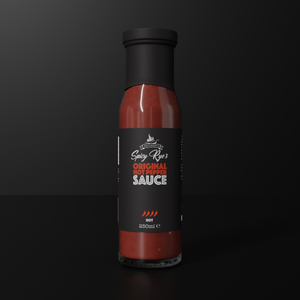
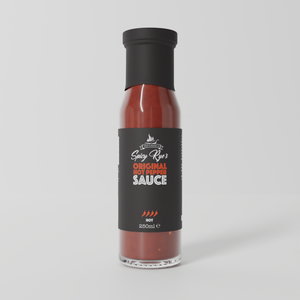
Our Original Hot Pepper Sauce is a bold and fiery classic with serious heat and a robust flavour. The sharpness of the cheddar and the punch of the sauce meet as equals.
Shop the Original Hot Pepper Sauce

Brie plus Hot Honey Pepper Sauce
Brie is soft, buttery and mild. It needs contrast, not competition.
Hot Honey Pepper Sauce combines golden honey with fiery peppers for a sticky, sweet and spicy drizzle.
Shop the Hot Honey Pepper Sauce

How to Build a Cheese Board with Hot Sauce
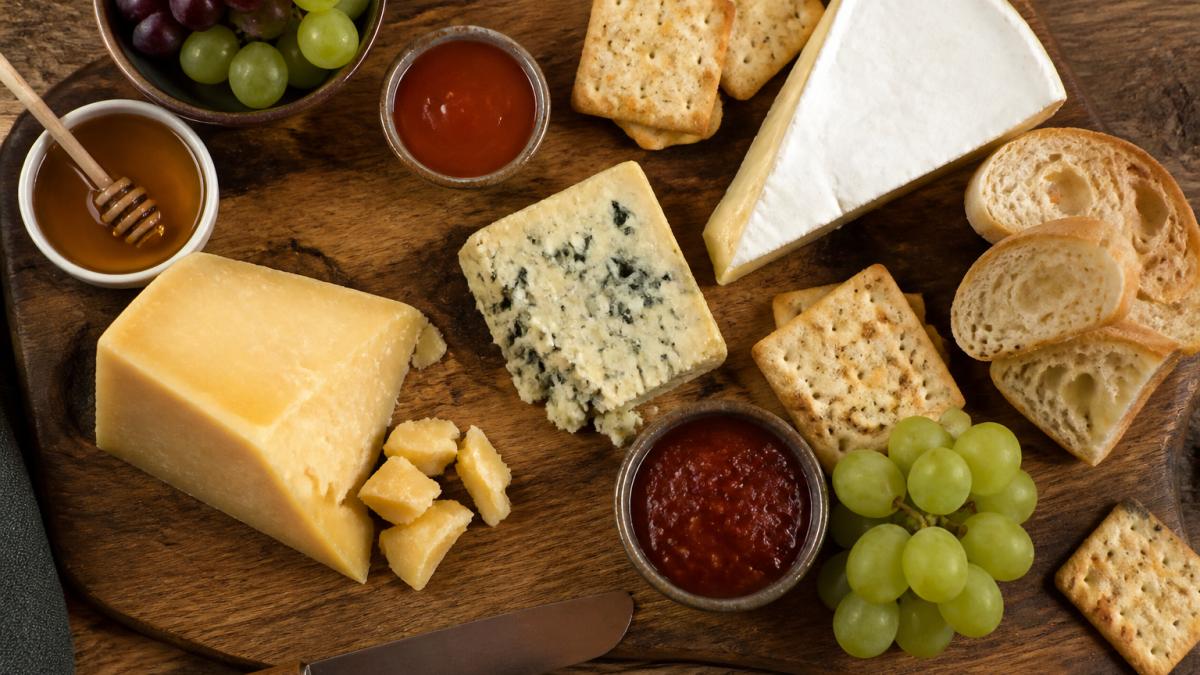
A good cheese board with hot sauce balances three to five cheeses with two or three sauces. Keep it simple and let each pairing do the talking. The difference between a board that works and one that overwhelms is planning: choose the cheeses, choose the sauces, then choose the accompaniments and palate cleansers that keep the whole thing readable.
Plan the Board in Layers
Build it in this order:
- Pick one soft cheese, one hard cheese and one blue. For example, brie, mature cheddar and stilton. This gives you three textures and three intensity levels.
- Add two sauces: one fiery, one sweet. A peppery sauce for the cheddar and a hot honey for the brie leaves the blue to be paired with either, or with a smoky sauce if you add a third.
- Fill gaps with crackers, fruit and nuts. Plain crackers, sliced apple, pear, grapes, walnuts and a small dish of honey give guests neutral vehicles and palate resets.
- Label each pairing so guests know what to try. A small card beside each cheese and sauce removes guesswork and slows the tasting down.
- Serve sauces in small bowls with spoons. This controls portions and stops one enthusiastic guest drowning a delicate cheese.
Choose Accompaniments and Palate Cleansers
Accompaniments should support the pairing, not compete with it. Plain water crackers, sourdough and oatcakes are neutral. Fruit brings acidity and sweetness: apple and pear for hard cheeses, grapes for blue, figs for soft bloomy rinds. Nuts add texture and fat.
Palate cleansers matter more than most boards allow. Still water, plain crackers and a slice of apple between pairings reset the tongue so the next sauce tastes fresh.
Serve Several Pairings Together
If you are serving more than one sauce-and-cheese combination, sequence them from mild to bold. Start with fresh cheese and a citrus-herbal sauce, move to soft bloomy cheese with a sweet-heat sauce, then finish with aged hard cheese and a fiery sauce, or blue cheese and a smoky sauce. Keep the heat levels varied so no guest hits a wall early. Serve sauces at room temperature, with a small spoon or drizzle bottle for control.
How to Taste and Serve Your Pairings
Taste in a set order so your palate stays sharp. Start mild and work up to bold.
- Begin with the mildest cheese and sauce
- Take a small bite of cheese, then a dab of sauce
- Let both sit for a moment before judging
- Sip water between pairings
- Save the hottest sauce for last
Serve sauces at room temperature. Cold dulls aroma and flavour. A small spoon or drizzle bottle keeps portions controlled.
Watch out: piling sauce onto a delicate cheese hides its flavour. A little goes a long way.
Common Pairing Mistakes and How to Fix Them
Most pairing problems come from imbalance, not bad ingredients. Here's how to spot and fix them.
| Mistake | Why It Fails | The Fix |
|---|---|---|
| Too much heat on a mild cheese | Buries delicate flavour | Use a sweet or fruity sauce |
| Sweet sauce on a sweet cheese | Cloying, one-note | Add acidity or heat |
| Same heat level throughout | Palate goes numb | Vary mild to hot |
| Sauce straight from the fridge | Muted aroma | Serve at room temperature |
| Drowning the cheese | Texture lost | Dab, don't pour |
A common mistake is treating hot sauce as a topping rather than a pairing. Treat it as a partner and the whole board improves.
Pick Your First Bottle and Start Pairing
Start with one sauce that covers the most ground. A versatile bottle lets you test several cheeses before buying more.
If you're new to artisanal sauces, our guide on what makes a hot sauce artisanal covers the signs to look for before you choose.
Our advice: begin with the Original Hot Pepper Sauce for hard cheeses and the Hot Honey Pepper Sauce for soft ones.
Then taste, adjust and build from there. Pairing is a skill, and it sharpens fast with practice.
Frequently Asked Questions
What cheeses pair best with hot sauce?
Softer, milder cheeses like mozzarella benefit from a fruity sauce rather than a fiery one. As a rule, the stronger and saltier the cheese, the more assertive the hot sauce it can carry.
How do you match hot sauce heat with cheese?
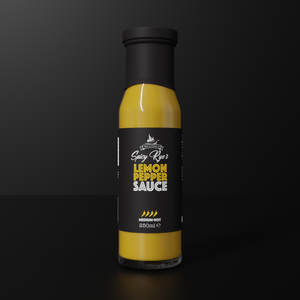
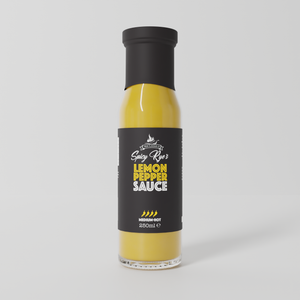
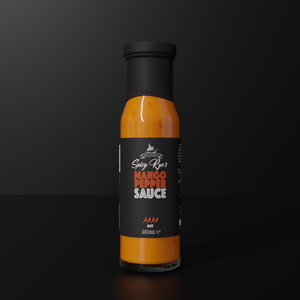
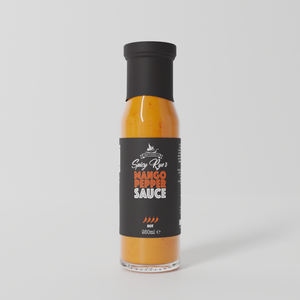
Start mild and build up. A gentle sauce like a mango or lemon pepper style suits delicate cheeses such as brie or fresh goat's cheese, while a bold original pepper sauce stands up to aged cheddar or blue cheese. If you are heat-sensitive, serve the sauce on the side and add a little at a time. A spoonful of honey or a few grapes on the board also gives your palate a quick reset between bites.
Does hot sauce go well with cheddar?
Yes, and it is one of the most reliable cheese and hot sauce pairings. Cheddar's sharpness and saltiness cut through a punchy pepper sauce without either flavour disappearing. Try a mature cheddar with a few drops of original hot pepper sauce on a cracker, or drizzle hot honey pepper sauce over a grilled cheese sandwich for a sweet-spicy contrast. The fat in the cheddar keeps the heat in check.
Should you drizzle hot sauce directly onto cheese?
For a cheese board, keep sauces in small bowls or drizzle them lightly over firmer wedges just before serving so the cheese does not go soggy. For sandwiches and grilled cheese, drizzle inside the sandwich or glaze the top after cooking. Always taste a small amount first: a few drops usually go further than you expect, and you can always add more.
Ready to put these pairings to the test? Spicy Rye's crafts premium sauces with real ingredients and bold flavour, from fiery heat to smoky sweetness. Explore the range, find your favourite, and elevate every cheeseboard. Get started with Spicy Rye's and taste the difference a proper pairing makes.