

Table of Contents
- Why Chilli Vinegar Tenderizes Meat
- Best Vinegar for Tenderising Meat
- Getting Your Meat Ready for Marinating
- Meat Marinade Ratio: The Right Balance of Chilli Vinegar and Oil
- How Long to Marinate Meat in Vinegar
- Vinegar Marinade for Steak and Tough Cuts
- Removing Meat from the Marinade and Cooking
- Food Safety and Handling Used Marinade
- Frequently Asked Questions
Last Updated: October 14, 2026
Why Chilli Vinegar Tenderizes Meat
The acidity in chilli vinegar breaks down the muscle fibres and connective tissue in meat. This is why how to use chilli vinegar to tenderize meat works so effectively. Vinegar contains acetic acid, which penetrates the meat's surface and softens tough fibres over time.
When acid works on protein, it unfolds the muscle structure. Think of it like loosening tight knots. The longer the acid sits, the more it breaks down those fibres. This is especially useful for tough cuts that need help becoming tender.
Chilli vinegar adds another layer. The heat from the peppers infuses flavour whilst the acid does the work. You're not just tenderizing, you're building layers of taste at the same time.
Best Vinegar for Tenderising Meat
Not all vinegars work the same way. The type you choose changes both the tenderizing speed and the final flavour. Chilli vinegars vary in heat level and depth, so matching the right one to your meat matters.
Jalapeño Vinegar for Bright Heat
Jalapeño vinegar delivers fresh, green heat without overwhelming the meat's natural flavour. The peppers are milder, making this a good starting point if you're new to spicy marinades.
The flavour stays bright and clean. You taste the meat first, then the heat follows. This works well for chicken, fish, and leaner cuts that don't need aggressive tenderizing.
Spicy Rye's Jalapeño Vinegar (£6.95) brings vibrant flavour to any marinade. It's zesty enough to tenderize without overpowering delicate proteins. Drizzle it over salads or use it as a marinade base, the versatility is what makes it a kitchen staple.
Chipotle Vinegar for Smoky Depth
Chipotle vinegar brings something different: smoke. These peppers are jalapeños that have been dried and smoked, creating a rich, earthy character. The heat is moderate, but the flavour runs deep.
This vinegar works beautifully on beef. The smoky notes complement grilled meat perfectly. If you're marinating steak for the barbecue, chipotle vinegar creates a tenderizing liquid that adds complexity.
The Spicy Rye's Chipotle Vinegar (£6.95) captures that smoky intensity without being harsh. It's bold enough for tough cuts but refined enough for everyday cooking.
Habanero and Scotch Bonnet for Maximum Punch
Habanero vinegar brings serious heat. You're looking at real fire here, plus fruity undertones that balance the burn.

Habanero works on thick, heavily marbled cuts. The intense acid and heat penetrate deep. Beef brisket, pork shoulder, and game meats all respond well to this level of tenderizing.
Scotch Bonnet vinegar is even hotter with tropical fruit notes. It's the choice for adventurous cooks and those who love genuine heat. The fruity character keeps it interesting even at high temperatures.
Both Spicy Rye's Habanero Vinegar and Scotch Bonnet Vinegar (£6.95 each) deliver the punch. These are for people who understand spice and want flavour that matches their heat tolerance. Use them on tough cuts that need aggressive tenderizing and bold seasoning.
Getting Your Meat Ready for Marinating
Before the marinade touches your meat, prepare it properly. This step determines how well the acid penetrates and how evenly the flavour develops.
Pat the meat dry with kitchen paper. Moisture on the surface creates a barrier that slows acid penetration. You want the vinegar to reach the meat directly.
Trim excess fat if you're working with a fatty cut. Leave some marbling, that fat carries flavour, but remove thick external layers. Thick fat blocks the marinade from reaching the muscle underneath.
Score the surface lightly with a sharp knife. Make shallow cuts across the top, about 3mm deep. This creates channels for the marinade to flow into. Don't cut too deep, you're opening pathways, not carving the meat.
Let the meat sit at room temperature for 20-30 minutes before marinating. Cold meat absorbs liquid more slowly. Bringing it closer to room temperature speeds up the tenderizing process.
Meat Marinade Ratio: The Right Balance of Chilli Vinegar and Oil
Getting the ratio right is crucial. Too much vinegar and the meat becomes mushy. Too little and you won't get enough tenderizing or flavour.
The foundation is a 1:2 ratio of chilli vinegar to oil. This means for every 100ml of vinegar, use 200ml of oil. This balance lets the acid work without overwhelming the meat.
Here's why it matters. Pure vinegar would tenderize too aggressively. Oil slows the acid's penetration, giving you control over the process. The oil also carries fat-soluble flavours and prevents the marinade from drying out the meat's surface.
For a basic marinade:
- 150ml chilli vinegar
- 300ml olive oil
- 3-4 garlic cloves, crushed
- 1 teaspoon salt
- ½ teaspoon black pepper
This ratio works for most cuts. If you're marinating a particularly tough piece, you can push it to 1:1.5 (more vinegar, less oil), but not lower than that. Beyond 1:1, the risk of over-tenderizing increases sharply.
Walnut oil or another neutral oil works if you prefer. The oil type doesn't matter much for tenderizing, what matters is the volume. Stick to the 1:2 ratio and you'll get consistent results.
How Long to Marinate Meat in Vinegar
Timing is everything. Vinegar works fast, and leaving meat too long creates problems.
For tough cuts like flank steak or chuck roast, marinate for 4-8 hours. This gives the acid enough time to break down tough fibres without over-tenderizing. Most of the work happens in the first 4 hours.
For medium cuts like sirloin or pork chops, 2-4 hours is sufficient. These are already somewhat tender, so they need less time.
For delicate proteins like chicken breast or fish, 30 minutes to 1 hour is plenty. The acid works quickly on these, and longer marinating risks mushy texture.
Never marinate longer than 12 hours, even with tough cuts. Beyond that point, the acidity starts breaking down the meat's structure too aggressively. The exterior becomes soft and loses its integrity.
The exact time depends on:
- Meat thickness: Thicker cuts need longer. A 5cm steak needs more time than a 2cm cutlet.
- Vinegar strength: Habanero and Scotch Bonnet vinegars are more aggressive. Jalapeño is gentler.
- Temperature: Meat at room temperature marinates faster than cold meat.
- Marinade ratio: Higher acid content speeds up the process.
Check the meat after half the recommended time. Press it gently with your finger. It should feel softer than when you started, but still firm. If it's already very soft, remove it early.

| Cut Type | Marinating Time | Best Vinegar |
|---|---|---|
| Flank steak | 4-8 hours | Chipotle or Habanero |
| Chuck roast | 6-8 hours | Habanero or Scotch Bonnet |
| Sirloin | 2-4 hours | Jalapeño or Chipotle |
| Pork chops | 2-3 hours | Jalapeño or Chipotle |
| Chicken breast | 30 minutes-1 hour | Jalapeño |
| Fish fillets | 15-30 minutes | Jalapeño |
Vinegar Marinade for Steak and Tough Cuts
Steak benefits from aggressive tenderizing. Tough cuts respond best to longer marinating times and stronger vinegars.
For flank steak, combine Chipotle or Habanero Vinegar with the oil ratio above. Flank has tight muscle fibres that need time to break down. The smoky or intense heat also complements beef's richness.
Chuck roast is tougher still. This cut comes from the shoulder and has significant connective tissue. Marinate for 6-8 hours using Scotch Bonnet or Habanero Vinegar. The aggressive acid penetration is exactly what this cut needs.
Add aromatics to your marinade: crushed garlic, bay leaves, and thyme. These don't tenderize, but they build flavour layers. The Spicy Rye's vinegars already bring heat and character, so these additions round out the taste profile.
For a complete marinade:
- 150ml Chipotle or Habanero Vinegar from Spicy Rye's
- 300ml olive oil
- 4 garlic cloves, crushed
- 2 bay leaves
- 1 sprig fresh thyme
- 1 teaspoon salt
- ½ teaspoon black pepper
Mix everything together and submerge the steak completely. Use a glass bowl or container, metal can react with the acid. Cover and refrigerate.
Turn the steak halfway through marinating. This ensures even acid penetration on both sides. If you're marinating for 8+ hours, turn it once at the 4-hour mark.
Removing Meat from the Marinade and Cooking
When marinating time is up, remove the meat carefully. Don't rush this step, how you remove it affects the final result.
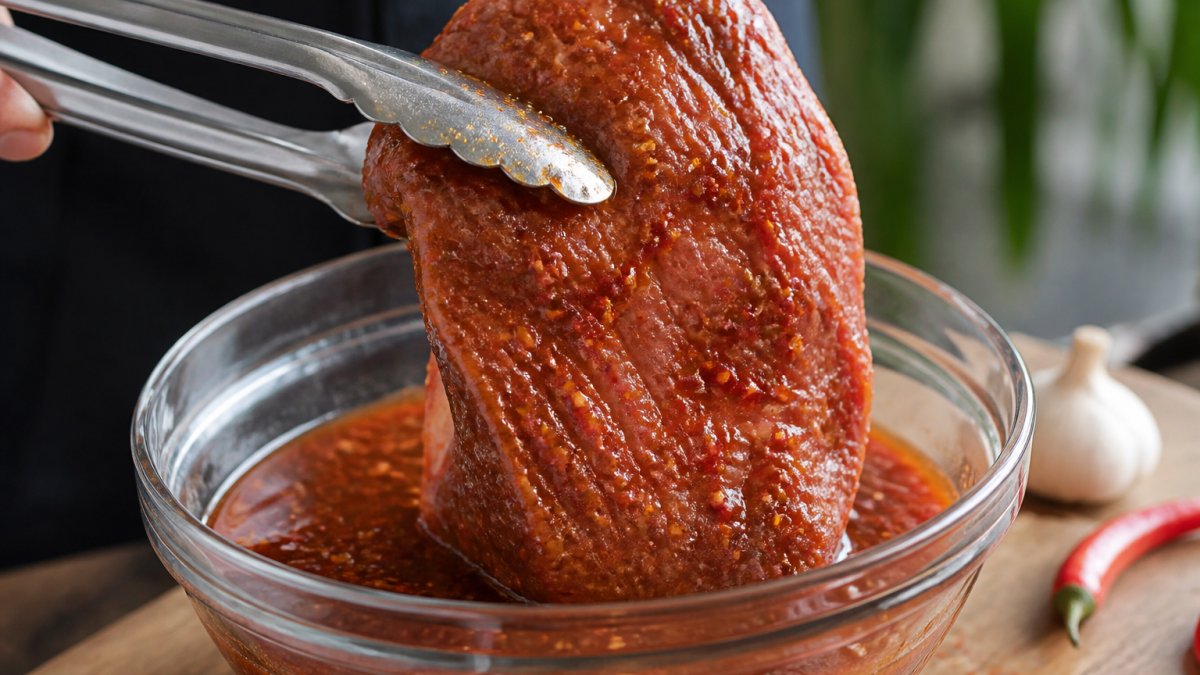
Lift the meat with tongs or a slotted spoon. Let excess marinade drip back into the bowl.
Pat the meat dry with clean kitchen paper. This is crucial for grilling. Wet meat steams instead of searing.
Let the meat rest at room temperature for 15-20 minutes before cooking. This allows the muscle fibres to relax after the acid exposure.
Don't discard the leftover marinade.
Season the meat lightly with salt and black pepper just before cooking. The marinade has already delivered flavour, so you're just enhancing, not seasoning from scratch.
Grill or pan-sear over high heat. Marinated meat cooks quickly because it's already partially broken down.
Cook to your preferred doneness:
- Rare: 50-55°C internal temperature
- Medium-rare: 55-60°C
- Medium: 60-65°C
- Medium-well: 65-70°C
Rest the cooked meat for 5 minutes before cutting. This allows juices to redistribute through the muscle.
Food Safety and Handling Used Marinade
Raw meat marinades require careful handling. The vinegar slows bacterial growth, but it doesn't eliminate the risk entirely.
Never reuse marinade that's touched raw meat unless you boil it first. If you want to use it as a finishing sauce, transfer a portion to a separate container before adding raw meat.
Store the marinade in the coldest part of your fridge, usually the back of the bottom shelf. Keep it below 4°C. At this temperature, you can safely marinate for up to 12 hours.
If you're marinating at room temperature (not recommended, but some recipes call for it), limit it to 2 hours maximum. Room temperature accelerates bacterial growth. Cold marinating is always safer.
Wash your hands, utensils, and work surfaces thoroughly after handling raw meat. Use hot soapy water. Don't let raw meat juices touch other foods, especially those that won't be cooked.
If you've boiled the leftover marinade, store it in a clean jar in the fridge. It keeps for up to 1 week.
The Spicy Rye's vinegars are crafted with high-quality ingredients. Follow these guidelines and you'll have delicious, safe meals every time.
Using chilli vinegar to tenderize meat transforms tough cuts into something special. When you're ready to elevate your home cooking, Spicy Rye's chilli vinegars deliver the bold, natural flavour that makes the difference. Shop now and discover how the right marinade transforms your next meal.
Frequently Asked Questions
How does chilli vinegar tenderize meat?
The acid in chilli vinegar breaks down the protein fibres in meat, softening tough muscle tissue and making it more tender. The higher the acidity, the faster this happens. This is why vinegar marinades work particularly well on tough cuts like flank steak and chuck roast. The heat from the chilli peppers also adds flavour that complements the tenderizing effect.
How long should you marinate meat in chilli vinegar?
Most meats benefit from 4 to 8 hours of marinating in chilli vinegar. Avoid marinating for longer than 12 hours, as the acid can over-tenderize the meat, making it mushy and affecting texture.
What's the best ratio of chilli vinegar to oil in a marinade?
The foundation is a 1:2 ratio of chilli vinegar to oil. This balance allows the acid to tenderize effectively whilst the oil keeps the meat moist and prevents it from becoming too acidic. You can adjust this ratio slightly depending on how tender you want the meat and how strong you prefer the flavour, but avoid exceeding a 1:1.5 ratio of vinegar to oil.
Which chilli vinegar works best for tenderizing meat?
Jalapeño Vinegar offers bright, fresh heat and is ideal for everyday marinades. Chipotle Vinegar brings smoky depth perfect for grilled meats. Habanero and Scotch Bonnet vinegars deliver intense heat and fruity notes for those who want maximum punch. All tenderize effectively; choose based on your preferred flavour profile and heat tolerance.

