

Table of Contents
- Why Natural Chilli Seasoning Blends Beat the Supermarket Shelf
- Chilli Seasoning Blends: Heat-Level Calibration Guide
- The Spicy Rye's Range: 10 Blends to Shop Now
- Chilli Seasoning Ingredients to Avoid
- Best Salt-Free Chilli Seasoning Options
- How to Use Chilli Seasoning in Recipes
- Storage and Shelf-Life: Keep Your Blends Fresh
- Conclusion
Last Updated: August 14, 2026
Supermarket spice racks are full of blends padded with anti-caking agents, excess salt, and flavourings that have no business being in a seasoning. At Spicy Rye's, we've built a range of natural chilli seasoning blends that start with real ingredients and nothing else: ground spices, culinary herbs, dried chillies, and honest flavour. This guide covers everything you need to buy natural chilli seasoning blends online with confidence, from heat-level calibration to storage tips that most brands never explain.
If you've ever bought an artisanal spice blend and let it gather dust at the back of the cupboard, you know the real question isn't whether it tastes good, it's whether it's versatile enough to earn a permanent spot in your kitchen. Below, we'll show you exactly which blends work for which occasions, what ingredients to watch out for, and how to get the most out of every pinch.
Why Natural Chilli Seasoning Blends Beat the Supermarket Shelf
The difference between a hand-blended, preservative-free seasoning and a mass-produced supermarket equivalent comes down to what's left out. Premium chilli seasoning blends use ground spices and dried chillies in meaningful proportions. Supermarket versions frequently use salt as the first ingredient, diluting actual spice content and masking inferior sourcing with sodium.
Natural chilli seasoning blends are dry spice mixes made from real dried chillies, culinary herbs, and aromatic ground spices, with no artificial preservatives, flavour enhancers, or fillers. The result is a more complex flavour profile that develops properly during cooking rather than hitting a flat, salty note.
When a blend is made from quality ingredients in controlled small-batch conditions, the heat intensity is consistent jar to jar. Mass-market blends often vary because they use lower-grade chilli sources with inconsistent Scoville heat units. For home cooks who want to calibrate their cooking, that inconsistency matters.
Buying online offers incomparably wider range, full ingredient lists before purchasing, and direct access to producers with a reputational stake in every pouch. According to the Food Standards Agency guidance on food labelling, all pre-packed food sold in the UK must display a full ingredient list in descending order by weight, so checking what's in your blend before you buy is both easy and your right.
Chilli Seasoning Blends: Heat-Level Calibration Guide
Choosing the right heat level is the single most important decision when buying chilli seasoning blends. The reality is a spectrum, and the best approach is matching heat intensity to your cooking context, not your ego.
Mild to Medium: Flavour Without the Fire
Mild to medium chilli seasoning blends deliver aromatic complexity and warmth without overwhelming the palate. The Moroccan Harissa Seasoning (£5.56) uses Aleppo chilli flakes, which are notably milder than cayenne and carry a fruity, slightly oily warmth. Combined with caraway, cumin, coriander, and rose petals, the flavour complexity is high while heat stays approachable. This works for weeknight roasted vegetables, couscous, or stirring through hummus.

The Garlic & Herb Seasoning (£5.56) is the mildest in the range: black pepper provides gentle warmth, but there's no chilli heat. It's the right entry point for anyone who wants flavour enhancement without fire.
Medium to Hot: The Everyday Spice Sweet Spot
The Peri Peri Seasoning (£5.65) combines cayenne pepper and chilli flakes with smoked paprika, lemon zest, and garlic granules. The heat builds gradually, making it ideal for marinating chicken or prawns where cooking mellows the intensity. The Thai Sriracha Seasoning (£5.65) also belongs here: its cayenne and red chilli powder deliver tangy heat, balanced by garlic powder, tomato powder, and vinegar powder.
Fiery: For Serious Heat Seekers
The Jamaican Jerk Seasoning (£5.65) uses scotch bonnet powder, which sits significantly higher on the Scoville heat unit scale than cayenne. Scotch bonnet chillies typically register between 100,000 and 350,000 Scoville units. The Bajan Fish Seasoning (£5.65) also includes scotch bonnet powder, though thyme, allspice, and citrus notes temper the heat into something more aromatic than aggressive.
For serious heat seekers, use these blends as dry rubs with a fat component: oil, butter, or yoghurt. Fat carries capsaicin and distributes heat more evenly, making fiery blends more enjoyable rather than just painful.
The Spicy Rye's Range: 10 Blends to Shop Now
Every blend in the Spicy Rye's range is made from natural ingredients with no artificial preservatives. All are priced at £5.56 or £5.65 per pouch.
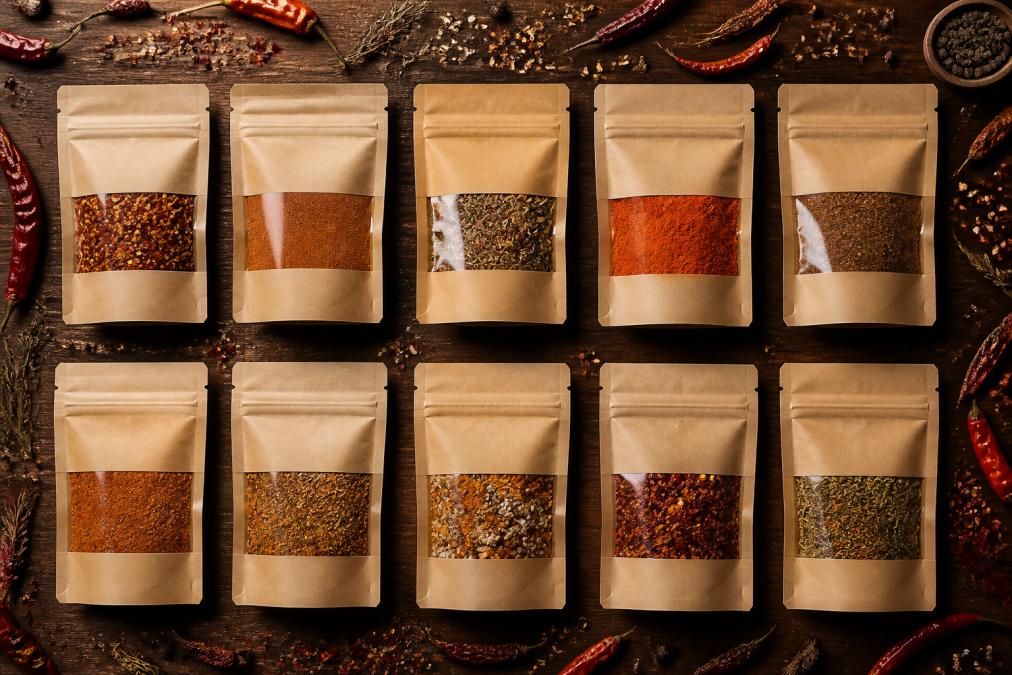
| Blend | Price | Heat Level | Best For |
|---|---|---|---|
| Jamaican Jerk Seasoning | £5.65 | Fiery | Chicken, pork, tofu, charcoal grilling |
| Bajan Fish Seasoning | £5.65 | Fiery | Fish fillets, prawns, grilled veg |
| Smoky Barbecue Seasoning | £5.65 | Medium | Ribs, brisket, jackfruit, corn |
| Peri Peri Seasoning | £5.65 | Medium-Hot | Chicken, prawns, roasted sweet potato |
| Thai Sriracha Seasoning | £5.65 | Medium-Hot | Wings, tofu, noodles, popcorn |
| Lemon Pepper Seasoning | £5.65 | Mild | Fish, chicken, potato wedges |
| Moroccan Harissa Seasoning | £5.56 | Mild-Medium | Lamb, couscous, roasted veg, dips |
| Bad Bwoy Fish Seasoning | £5.56 | Mild | Seafood, pasta, light fish dishes |
| Garlic & Herb Seasoning | £5.56 | Mild | Chicken, pasta, vegetables |
| Sea Salt & Pepper Seasoning | £5.56 | Mild-Medium | Steaks, seafood, eggs, table use |
Starter recommendation: Buy the Peri Peri, Moroccan Harissa, and Jamaican Jerk as a trio. Between them, you cover three distinct international spice profiles, three heat levels, and enough culinary application range to cover most meals for a month.


The Smoky Barbecue Seasoning deserves special mention for its BBQ credentials. The combination of smoked paprika, chipotle powder, and coffee powder builds layered umami depth that most commercial BBQ rubs lack. It works equally well on jackfruit as on ribs, making it one of the most versatile blends for meat-free cooking.
The Bad Bwoy Fish Seasoning is often overlooked. Its lemon zest, dill, and fennel seed combination is clean and coastal, exceptional stirred through seafood pasta or used as a finishing seasoning on pan-fried sea bass.
Chilli Seasoning Ingredients to Avoid
Not every "natural" or "artisanal" label means what it implies. The ingredient list is the only reliable guide to what you're actually getting.
Silicon dioxide (E551): An anti-caking agent that signals the blend contains high salt content, which absorbs moisture and clumps. Quality blends with lower salt rarely need it.
Maltodextrin: A starch-derived filler used to bulk out blends. It adds carbohydrates without contributing flavour, suggesting the blend has been extended with cheap filler rather than actual spice.
"Flavouring" or "natural flavouring": Under UK food labelling regulations, this term covers a wide category of substances. In a spice blend, it typically means the flavour profile is being augmented artificially rather than achieved through the spices themselves.
Excessive salt as the first ingredient: When salt appears first in the ingredient list, it's the dominant ingredient by weight. That's a flavour shortcut, not a quality indicator.
Best Salt-Free Chilli Seasoning Options
The best salt-free chilli seasoning gives you full control over sodium in your cooking, which matters for anyone managing blood pressure or preferring to season their food to taste at the end.
Most of the Spicy Rye's range includes sea salt as an ingredient. For those seeking salt-free options, use the blends as a base and apply them to food before adding any additional salt during cooking. Because the spice-to-salt ratio is weighted towards actual flavour rather than sodium, the salt content per serving is considerably lower than mass-market equivalents.
According to NHS guidance on salt and your health, adults should consume no more than 6g of salt per day. Many commercial seasoning blends contribute significantly to that in a single serving. Blends where salt appears mid-list or lower are the better choice for anyone monitoring intake.
The Moroccan Harissa Seasoning and Garlic & Herb Seasoning offer the most complex flavour relative to their salt content, making them most effective at reducing the need for additional seasoning.
How to Use Chilli Seasoning in Recipes
Chilli seasoning blends are more versatile than most people use them. The common mistake is treating them as single-purpose rubs. That's leaving most of the value on the table.
Dry Rub Techniques for Meat, Fish, and Veg
A dry rub works by drawing moisture from the surface, then reabsorbing it as a flavour-rich crust during cooking.
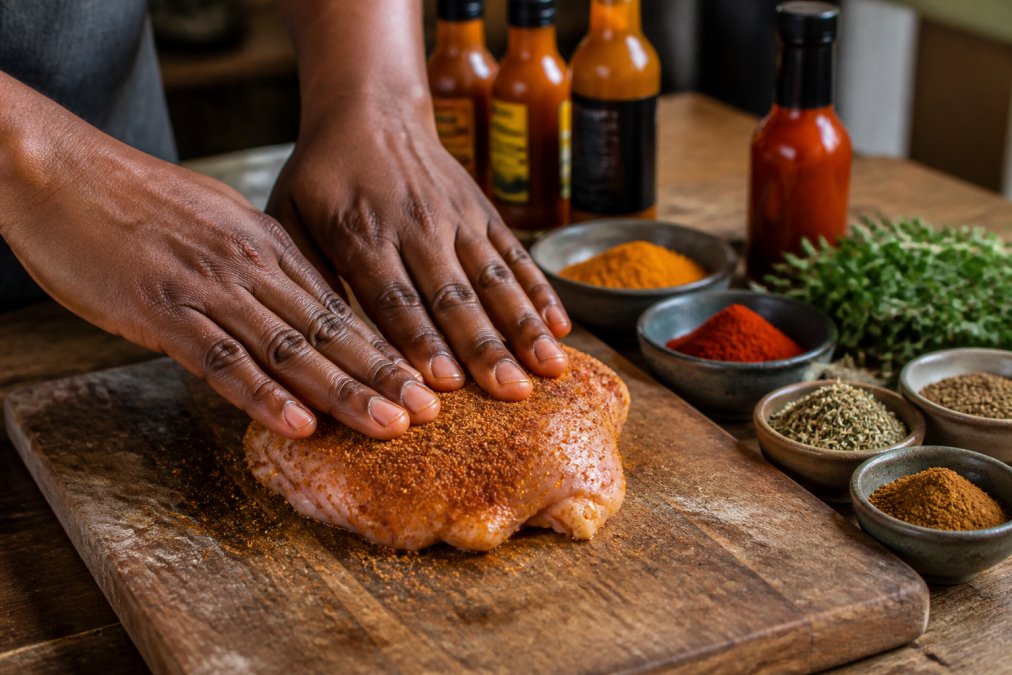
For meat: Pat the surface completely dry with kitchen paper before applying the rub. Apply the rub, press it in firmly with your palm, and allow it to rest for at least 30 minutes. Overnight in the fridge is better for larger cuts.
For fish: Fish has a shorter marinating window because acid components in many blends will begin to denature the protein if left too long. Thirty minutes is the practical maximum for most fish fillets. Apply lightly and handle gently.
For vegetables: Toss cut vegetables in a small amount of oil first, then apply the rub. The oil acts as a carrier, helping aromatic compounds penetrate the vegetable surface and preventing the dry blend from burning before the veg cooks through.
Dietary-Specific Pairing Guide
The Smoky Barbecue Seasoning is the standout for vegan and plant-based cooking. Its chipotle and coffee notes create the depth and umami that plant-based proteins like jackfruit and tempeh need to feel satisfying. The Jamaican Jerk Seasoning works brilliantly on tofu and grilled corn.
For high-protein, low-carb cooking, the Peri Peri Seasoning and Bajan Fish Seasoning are ideal on lean proteins like chicken breast, white fish, and prawns.
All Spicy Rye's blends are formulated without gluten-containing ingredients, though all carry a "may contain traces" advisory due to shared production environment.
The Lemon Pepper Seasoning and Garlic & Herb Seasoning are the most universally appealing for everyday family cooking. Neither has heat that would put off children or sensitive palates, and both add genuine flavour enhancement to simple roasted vegetables, pasta, or grilled chicken.
As noted by British Dietetic Association guidance on healthy eating, using herbs and spices as a primary flavour tool reduces reliance on salt and processed condiments, which supports better overall dietary patterns.
Storage and Shelf-Life: Keep Your Blends Fresh
Storage is where most people lose the most value from quality spice blends. A well-made, preservative-free seasoning can degrade significantly within months if stored incorrectly.
The three enemies of spice quality are heat, light, and moisture. Heat accelerates oxidation of volatile aromatic compounds. Light degrades colour pigments. Moisture causes clumping and can introduce mould.
The practical rules:
- Store blends in a cupboard away from the hob and oven, not in a rack mounted above or beside them
- Keep pouches sealed between uses; decant into airtight glass jars if you use them frequently
- Never tap the pouch directly over a steaming pot; moisture will enter and degrade the remaining blend
- Whole spice blends retain potency longer than finely ground ones
Shelf life in practice: Most quality dry spice blends retain full flavour intensity for 12-18 months from production when stored correctly. After opening, aim to use them within 6-9 months for best results. The printed best-before date is a quality indicator, not a safety cutoff.
Most home cooks already have a spice rack. The challenge isn't access to seasoning, it's finding blends that are genuinely worth using. Spicy Rye's offers a range of natural chilli seasoning blends built from real ingredients, with flavour profiles spanning mild aromatics to fiery scotch bonnet heat, covering international cuisine from Jamaica to Morocco to Barbados. Every blend is preservative-free, honestly labelled, and priced at under £6. Shop the full range and find the blends that will actually earn a permanent place in your kitchen.
Frequently Asked Questions
Can I buy salt-free chilli seasoning blends online?
Yes. Several blends in the Spicy Rye's range are naturally low in salt or can be used in smaller quantities to control sodium intake. The Garlic & Herb and Moroccan Harissa seasonings both rely on aromatic spices for their flavour complexity rather than salt as a base. Always check the full ingredients list before purchasing, as salt content varies across blends. Buying online means you can read every ingredient before it arrives at your door.
How do I choose the right chilli seasoning for my spice level?
Match the blend to its key chilli source. Blends built around smoked paprika and Aleppo chilli flakes, like the Moroccan Harissa, deliver warmth without aggressive heat. Blends featuring cayenne or scotch bonnet powder, such as the Jamaican Jerk or Bajan Fish, sit higher on the heat scale. If you enjoy flavour without intense heat, start with Lemon Pepper or Garlic & Herb, then work up. Scoville heat units vary significantly between chilli varieties, so the base chilli ingredient is your clearest guide.
Are natural chilli seasoning blends vegan and gluten-free?
Most natural, preservative-free seasoning blends are suitable for plant-based and meat-free cooking, as they contain no animal-derived ingredients. The Spicy Rye's range works across vegan and vegetarian dishes, from roasted jackfruit to grilled tofu. However, all blends carry an allergen advisory noting they may contain traces of gluten, nuts, and seeds due to shared production environments. Anyone with a confirmed coeliac diagnosis or severe allergy should check the full allergen information on each product page before purchasing.
What is the difference between chilli powder and a chilli seasoning blend?
Chilli powder is typically a single ground spice, sometimes pure dried chilli or a basic mix with cumin and oregano. A chilli seasoning blend is a more complex, hand-blended combination of ground spices, culinary herbs, aromatics, and flavour enhancers designed for a specific cuisine or culinary application. Blends like Peri Peri or Thai Sriracha Seasoning include layers of garlic, citrus, paprika, and heat that would take multiple individual spices to replicate. The result is greater flavour balance with a single sprinkle.
How should I store natural spice blends to keep them fresh?
Keep blends in a sealed container away from direct heat, light, and moisture. A cool, dark cupboard away from your hob is ideal. Avoid storing above the cooker, where steam and heat degrade ground spices quickly. Most natural, preservative-free blends retain their best flavour for 12 months when stored correctly. Once opened, reseal tightly after each use. Ground spices lose aromatic intensity faster than whole spices, so buying in quantities you will use within a year gives the best results.
This article was written using GrandRanker