
Table of Contents
- Quick Comparison Table
- Best Hot Sauce for Fish: Lemon Pepper Sauce
- Spicy Seafood Dipping Sauce: Mango Pepper Sauce
- Hot Sauce Seafood Marinade: Honey & Lemon Pepper Sauce
- Chilli Vinegar for Seafood: Jerk & Pineapple Sauce
- The Complete Range: All 8 Hot Sauces for Seafood
- How We Selected These Sauces
- Matching Heat Levels to Your Seafood Dish
- Frequently Asked Questions
Last Updated: October 15, 2026
Quick Comparison Table
| Sauce | Heat Level | Best Use | Price | Key Flavour |
|---|---|---|---|---|
| Lemon Pepper Sauce | Medium | Grilled fish, prawns | £7.95 | Citrus, zesty |
| Mango Pepper Sauce | Medium-Hot | Fish tacos, ceviche | £7.95 | Tropical, fruity |
| Honey & Lemon Pepper Sauce | Mild-Medium | Baked seafood, glaze | £6.95 | Sweet, tangy |
| Jerk & Pineapple Sauce | Medium-Hot | Grilled fish, kebabs | £7.95 | Caribbean spice, sweet |
| Original Hot Pepper Sauce | Hot | Bold seafood dishes | £7.95 | Strong, fiery |
| Ghost Pepper Sauce | Extra Hot | Heat-seekers only | £7.95 | Intense, pure heat |
| Hot Honey Pepper Sauce | Medium | Drizzle, glaze | £6.95 | Sweet heat, sticky |
| Very Hot Pepper Sauce | Extreme | Dips, marinades | £9.95 | Complex, searing |
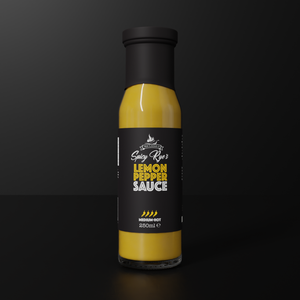
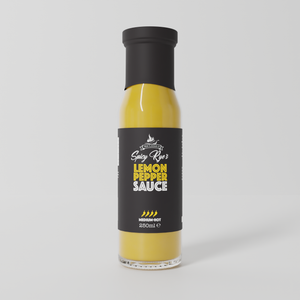
Best Hot Sauce for Fish: Lemon Pepper Sauce
Delicate fish needs a sauce that enhances rather than overwhelms, and the Lemon Pepper Sauce from Spicy Rye's brings that balance. Fresh lemon brightens seafood whilst cracked black pepper adds depth without drowning subtle flavours.

It works beautifully on grilled fish fillets, where the habanero's heat cuts through the richness of the flesh. Brush it on whilst grilling or serve it alongside as a dip, the citrus adds complexity, making the seafood taste better, not just spicier.
At £7.95, it's a versatile pantry addition: beyond seafood, it works as a salad dressing base or a chicken wing marinade.
Spicy Seafood Dipping Sauce: Mango Pepper Sauce
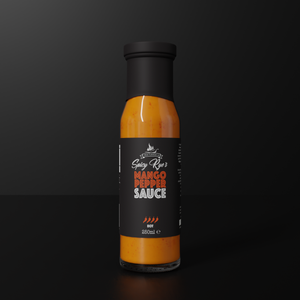
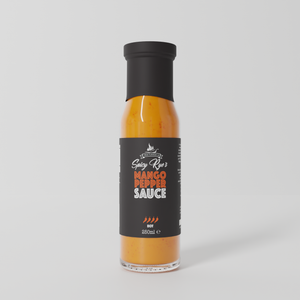
Tropical fruit and spicy heat are natural partners, and the Mango Pepper Sauce proves it.

Fish tacos benefit most: the fruity notes complement delicate white fish whilst the spice wakes up your palate.
What sets it apart from generic hot sauce is restraint: the pepper enhances the mango rather than obliterating it.
At £7.95, it's an investment in flavour. Use it on grilled prawns, drizzle it over fish cakes, or whisk it into a tropical salad dressing.
Hot Sauce Seafood Marinade: Honey & Lemon Pepper Sauce
Not every seafood dish needs aggressive heat. When you want sweetness that caramelises on the grill, the Honey & Lemon Pepper Sauce delivers: smooth honey, fresh lemon, and bold pepper create a glaze that transforms baked or grilled fish.

It shines as a marinade for scallops or prawns: the honey caramelises into a sticky, golden crust that locks in moisture, the lemon stops it becoming cloying, and the pepper adds just enough bite.
At £6.95, it's one of the more affordable options in Spicy Rye's range. Use it on grilled seafood or baked fish fillets, or thin it with olive oil as a salad dressing.
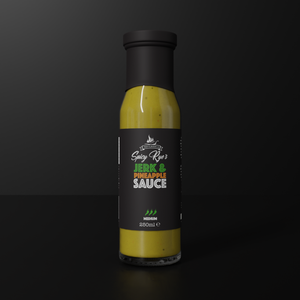
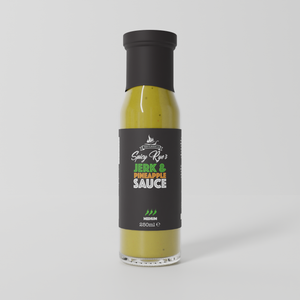
Chilli Vinegar for Seafood: Jerk & Pineapple Sauce
Caribbean jerk spices bring warmth and complexity most seafood marinades lack. The Jerk & Pineapple Sauce combines those bold spices with pineapple's brightness for something genuinely different from standard hot sauces.
Grilled fish takes on new life with this marinade. Pineapple adds sweetness and acidity, preventing the spices from becoming one-dimensional.
Marinate for 30 minutes before grilling so the sauce caramelises and builds layers of flavour.
At £7.95, it's a conversation starter, most people don't expect Caribbean jerk flavours on seafood, but once they taste it they understand why it works.
The Complete Range: All 8 Hot Sauces for Seafood
Spicy Rye's offers eight distinct sauces, each with its own character. Beyond the four we've covered, there are three more worth knowing about, plus one for the genuinely fearless.
Original Hot Pepper Sauce
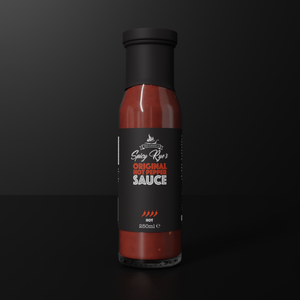
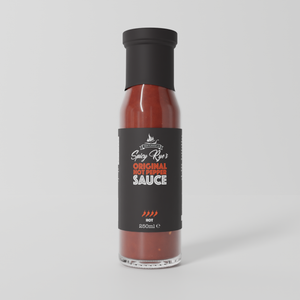
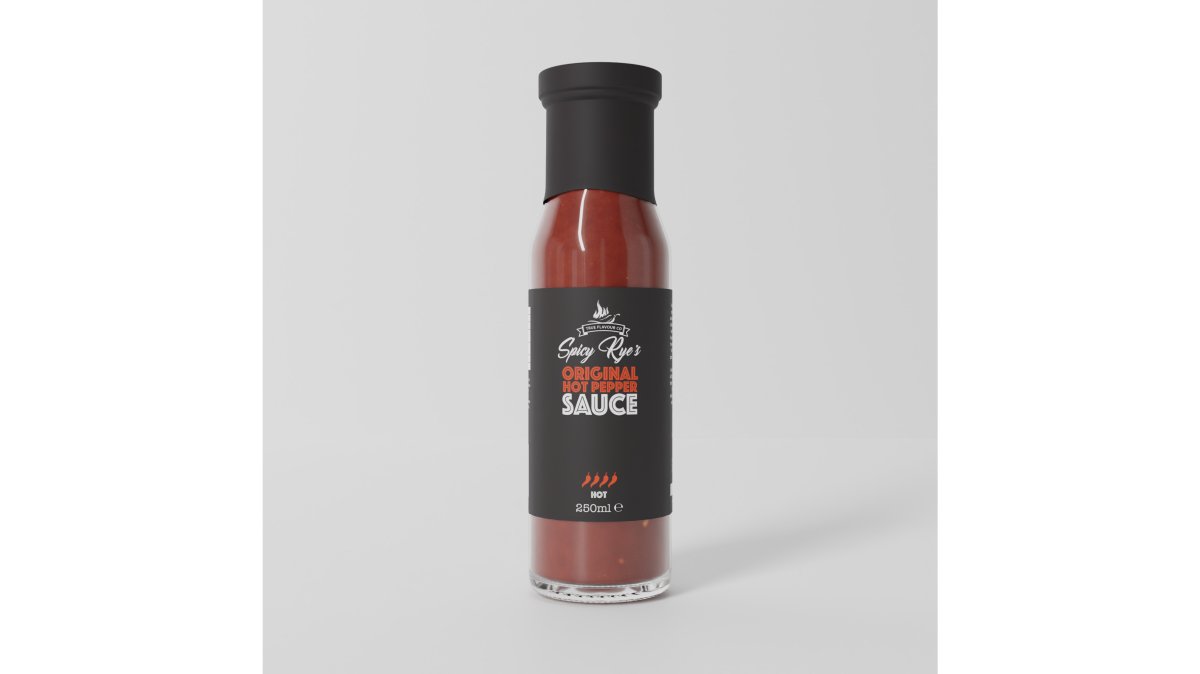
The Original Hot Pepper Sauce is a bold, fiery classic that brings serious heat without pretence, pure pepper punch for people who want their food to announce itself.
For seafood, use it sparingly, a small amount goes a long way. Drizzle it on grilled fish for genuine heat, or dip prawns where the intensity won't overwhelm delicate flesh. At £7.95, it's a staple for spice enthusiasts.
Ghost Pepper Sauce
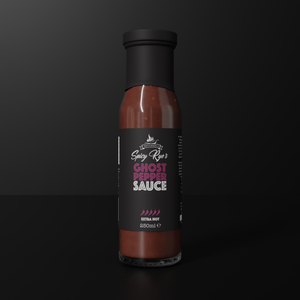
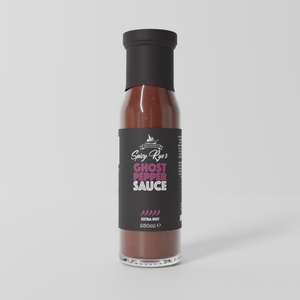
The Ghost Pepper Sauce sits at the extreme end of the heat spectrum, delivering intense, lingering heat that builds over time. It's not for casual use, it's for those who've developed their heat tolerance.
For seafood, treat it as a challenge sauce rather than a flavour enhancer: a few drops in a dip or a tiny brush on grilled fish creates an unforgettable sensation.
Hot Honey Pepper Sauce
The Hot Honey Pepper Sauce splits the difference between sweetness and heat: golden honey plus fiery peppers makes a sticky, spicy drizzle that works on almost anything.
For seafood, brush it onto fish during grilling or use it as a finishing glaze on prawns. The sweetness keeps it accessible even for people who don't love extreme heat, and at £6.95 it's one of the better values in the range.
Very Hot Pepper Sauce
The Very Hot Pepper Sauce combines Carolina Reaper, Ghost Pepper, Habanero, and Scotch Bonnet into one formidable blend for the seasoned spice aficionado. Each drop packs genuine punch.
Use it in marinades for bold seafood dishes, or add a few drops to a dip for the ultimate heat challenge. At £9.95 it's the premium option, and rightly so given the intensity.
How We Selected These Sauces
Most hot sauce roundups rank bottles by Scoville rating alone, then bolt on a vague seafood note at the end.
Our selection criteria were:
- Seafood compatibility first. Each sauce had to complement at least two of the following: white fish, oily fish (salmon, mackerel), prawns, scallops, crab, oysters, or mussels. A sauce that only worked on one type was cut.
- Heat-to-delicacy ratio. Delicate proteins such as sole, plaice, and scallops have almost no fat to buffer capsaicin. We favoured sauces whose heat arrives after the flavour, not before it.
- Ingredient transparency. We flagged common allergens and dietary triggers, including mustard (present in the Ghost Pepper Sauce), added sugar (Honey & Lemon Pepper, Hot Honey Pepper), and vinegar content, so readers with dietary needs can choose safely.
A quick note on heat scales: Scoville ratings measure capsaicin concentration in a lab, not how a sauce tastes on a piece of fish.
If you cook seafood often, one homemade base plus two or three bought bottles covers almost every dish in this article.
Matching Heat Levels to Your Seafood Dish
Heat tolerance varies between people, but the bigger variable is the seafood itself. A sauce that sings on grilled prawns can ruin a raw oyster, not because of heat alone, but because of how the preparation interacts with acid, sugar, and fat.
Match the sauce to the cooking method
Raw and ceviche-style. Raw fish and shellfish have no Maillard crust or added fat to buffer heat.
Steamed and poached. These methods keep the protein mild and moist, so the sauce carries the whole dish. Mild-Medium sauces such as Honey & Lemon Pepper or Hot Honey Pepper work best, served on the side rather than poured over, so diners control the dose.
Grilled and barbecued. Char and smoke already add bitterness and intensity, so the sauce needs to cut through rather than pile on.
Fried. Battering and frying adds fat, which mutes capsaicin. This is the one preparation where Hot and Extreme sauces earn their place.
A practical heat scale for seafood
- Mild (Honey & Lemon Pepper, Hot Honey Pepper): poached fish, scallops, crab, raw oysters. Safe for most diners.
- Medium (Lemon Pepper, Mango Pepper): grilled white fish, prawns, fish tacos, ceviche. The sweet spot for most home cooks.
- Medium-Hot (Jerk & Pineapple): oily fish, kebabs, grilled prawns. Bold enough to stand up to smoke.
Milder substitutions and dietary notes
If a sauce is too hot for your dish or your guests, you do not need to buy a different bottle. Whisking a hot sauce with Greek yoghurt, mayonnaise, or crème fraîche at roughly one part sauce to three parts dairy drops the perceived heat by around half while keeping the flavour.
Watch for common allergens and dietary triggers:
- Mustard appears in the Ghost Pepper Sauce. Check labels if you or a guest has a mustard allergy.
- Added sugar is significant in the Honey & Lemon Pepper and Hot Honey Pepper sauces. If you are managing blood sugar, use them as a finishing drizzle rather than a marinade.
- Vinegar is the base of most classic hot sauces. If you are following a low-acid diet, choose a fruit-based sauce such as Mango Pepper instead.
If you are cooking for a mixed group, serve sauces on the side and start everyone with the mildest option. It is far easier to add heat at the table than to remove it once it is on the plate.
The best approach is keeping two or three sauces on hand rather than one. A grilled fish dinner becomes more interesting when people choose their own heat level, and a prawn platter becomes memorable when each piece can be paired with the preferred sauce. If you cook seafood regularly, a mild citrus sauce, a medium fruity sauce, and one hot vinegar-based sauce cover almost every dish in this article.
Frequently Asked Questions
What is the best hot sauce for seafood?
The best hot sauce for seafood depends on your heat tolerance and flavour preference. Citrusy sauces like Lemon Pepper Sauce work brilliantly with grilled fish and prawns, whilst fruity options such as Mango Pepper Sauce complement delicate seafood with sweet and spicy notes. For those seeking intense heat, Ghost Pepper Sauce delivers fiery complexity. Consider the cooking method, marinades benefit from honey-based sauces that caramelise on the grill, whilst dipping sauces work best with bright, acidic profiles.
Can you use hot sauce in a seafood marinade?
Yes, hot sauce makes an excellent seafood marinade base. Honey & Lemon Pepper Sauce at £6.95 works particularly well as it combines sweetness with citrus and heat, creating a balanced marinade that caramelises beautifully when grilled. Mix it with olive oil and a touch of vinegar to thin it out, then marinate fish, prawns, or scallops for 30 minutes to 2 hours. The acidity in the sauce helps tenderise the seafood whilst infusing deep flavour.
How much hot sauce should you add to seafood?
Start with a light hand. For marinades, use 2-3 tablespoons of hot sauce per 500ml of oil and vinegar base. For dipping sauces, a tablespoon or two mixed into a larger sauce works well. If you're new to spicy seafood, begin with milder sauces like Honey & Lemon Pepper Sauce (£6.95) or Lemon Pepper Sauce (£7.95), then gradually increase to hotter varieties. Ghost Pepper Sauce and Very Hot Pepper Sauce should be used sparingly, just a few drops can transform a dish.
What sauce goes well with fish?
Citrus-forward sauces pair exceptionally well with fish. Lemon Pepper Sauce (£7.95) brightens grilled or baked white fish with its zesty citrus and cracked black pepper. For richer fish like salmon or mackerel, Mango Pepper Sauce (£7.95) adds tropical sweetness that cuts through the fat. Honey & Lemon Pepper Sauce (£6.95) works beautifully as a glaze for roasted fish, whilst Jerk & Pineapple Sauce (£7.95) brings Caribbean warmth to baked or grilled preparations.
Are these sauces made with natural ingredients?
Yes, Spicy Rye's sauces are crafted with premium, high-quality ingredients designed to deliver authentic flavour without unnecessary additives. Each sauce combines real peppers, fruits, and spices, from habanero and ghost pepper to fresh mango and lemon, to create complex, satisfying heat and flavour profiles. The range spans from fiery intensity to smoky sweetness, all built on natural foundations. This commitment to quality means your seafood dishes benefit from genuine, unadulterated spice rather than artificial heat or fillers.
Seafood deserves sauces that respect its delicate nature whilst adding genuine flavour. The 10 best hot sauce for seafood recipes from Spicy Rye's span from subtle enhancements to bold challenges, giving you options for every meal and every palate. Whether you're grilling prawns on a Tuesday night or hosting friends for something special, the right sauce transforms good seafood into something genuinely memorable. Shop now and discover which flavour profile becomes your kitchen staple.