
Last Updated: October 25, 2026
Quick Summary
Sauce is the fastest flavor booster for leftover chicken: whisk a sharp, sweet or smoky sauce with olive oil and lime juice and toss it through cold shredded meat, or brush it on and grill for three to four minutes. Season cooked chicken more heavily than raw, and reheat gently in 30-second bursts with a splash of water.
- Cold roast chicken has a firmer texture than freshly cooked meat, so it holds dressings and rubs without going mushy.
- Two parts sauce to one part oil makes an instant dressing for chicken salad or pasta salad.
- Microwave single portions in 30-second bursts, usually 60-90 seconds, covered with one to two tablespoons of liquid.
- Oven reheat at 160°C fan for 12-15 minutes until the thickest piece reads at least 74°C.
- Cooked chicken keeps for two days in the fridge and freezes well for up to three months.
Table of Contents
- Why Leftover Chicken Is a Flavour Blank Canvas
- The Fastest Fix: Sauces for Leftover Chicken
- Spices for Cooked Chicken That Wake It Up
- How to Reheat Chicken Without Drying It Out
- Quick Leftover Chicken Recipes Under 30 Minutes
- Flavour Pairings by Cuisine: Thai, Mexican, BBQ and Jerk
- Storing Cooked Chicken Safely in the Fridge
- Building Your Leftover Chicken Flavour Kit
- Frequently Asked Questions
Why Leftover Chicken Is a Flavour Blank Canvas
Cooked chicken is one of the most underrated ingredients in a home kitchen.
Stop treating leftovers as a lesser meal. Cold roast chicken has a firmer texture than freshly cooked meat, so it holds dressings and rubs without going mushy.
If you want a wider set of ideas to work from, our guide to flavour boosters for weeknight meals covers the pantry staples worth keeping within arm's reach.
The Fastest Fix: Sauces for Leftover Chicken
Sauce is the single highest-return upgrade you can make. A spoonful of something sharp, sweet or smoky rescues dry meat in seconds, no recipe needed.
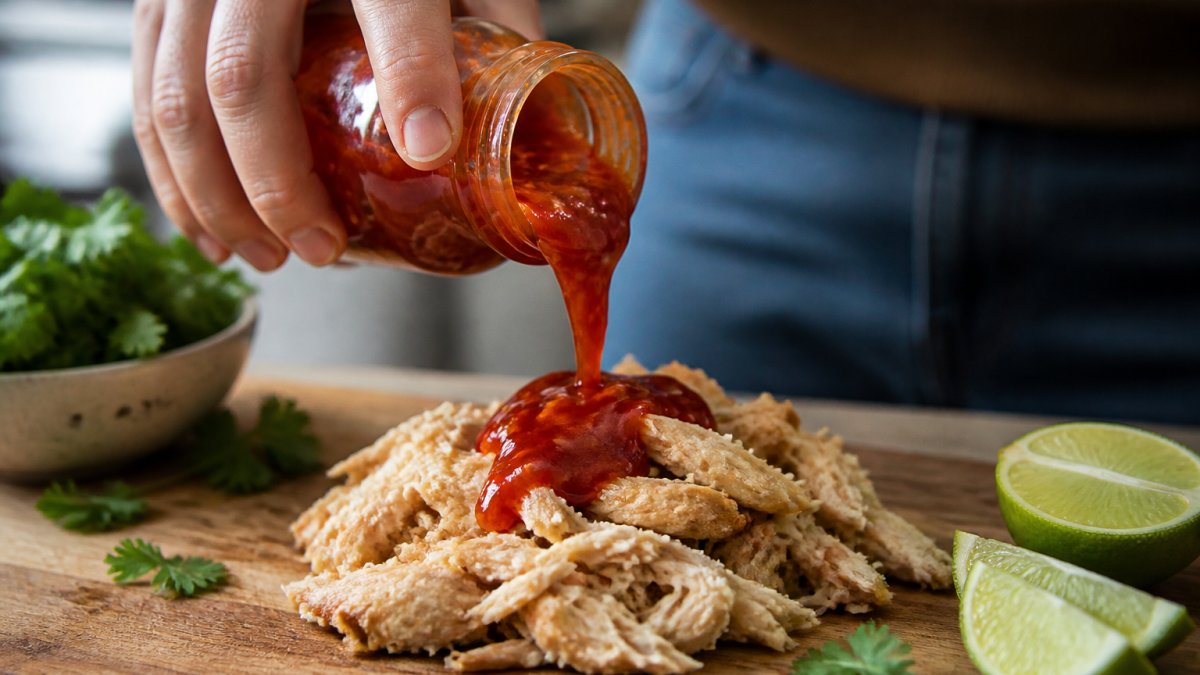
Here is how we would rank the options by effort:
- Drizzle and serve cold. Whisk a sauce with a little olive oil and lime juice, toss through shredded chicken, and pile it into a wrap or on top of leaves. No heat required.
- Glaze under the grill. Brush sauce onto chicken pieces and grill for three to four minutes until sticky. Watch it closely, because sugary sauces catch fast.
- Loosen into a dressing. Two parts sauce to one part oil makes an instant dressing for a chicken salad or pasta salad.
- Stir through a hot pan. Add sauce at the very end of a stir-fry or fried rice so the flavour stays bright.
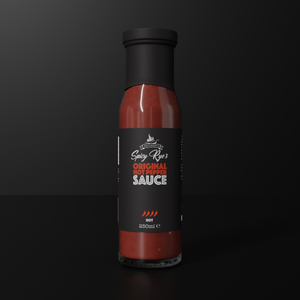
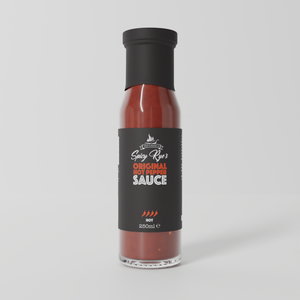
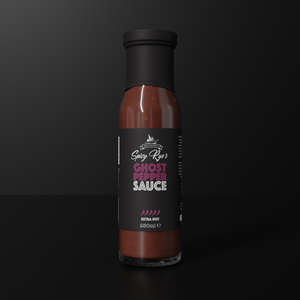
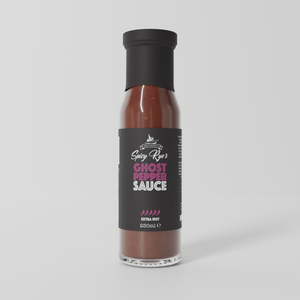
For chicken specifically, our flavourful hot sauce range is built around this kind of use, with citrus-led and smoky options that work equally well cold or glazed.
Creamy, Tangy and Sweet: Matching Sauce to Mood
Match the sauce to what you actually fancy, not to what a recipe says.
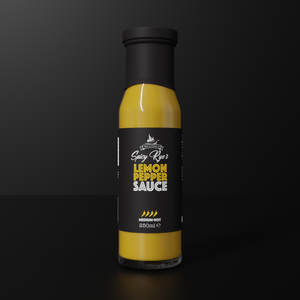
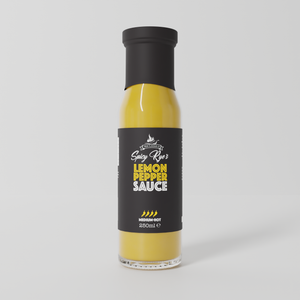
Our Lemon Pepper Sauce (£7.95) is the one we reach for when the chicken is going into a salad or a wrap.
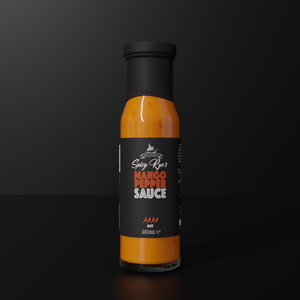
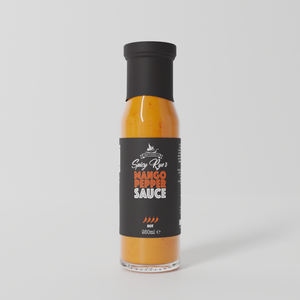
When you want heat with depth rather than pure fire, the Mango Pepper Sauce (£7.95) brings tropical sweetness and a peppery finish that lifts cold chicken beautifully.
Spices for Cooked Chicken That Wake It Up
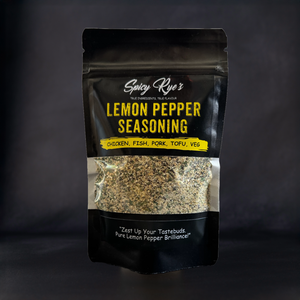
Seasoning is faster than sauce and adds no moisture, which matters if you are reheating.
The rule we follow: season cooked chicken more heavily than you would raw.
For a punchier, herbier profile, the Garlic & Herb Seasoning (£7.95) brings garlic, oregano, basil and a hit of lemon zest.
If you are ready to season properly, you can buy a purpose-made chicken seasoning and skip the guesswork.
How to Reheat Chicken Without Drying It Out
Most leftover chicken goes rubbery because it is reheated too hard and too long. The fix is low, gentle heat and a little moisture, and knowing the actual numbers helps.
Microwave: short bursts, covered, with moisture
A 700W-900W microwave is the fastest route, but it is also the easiest way to ruin chicken. Use this method:
- Put the chicken in a microwave-safe bowl and add one to two tablespoons of water, stock or sauce per portion.
- Cover with a lid or a plate, trapped steam is what stops the meat drying.
- Heat in 30-second bursts on full power, stirring or turning between each burst.
- Stop as soon as the centre is piping hot (steaming throughout), which usually takes 60-90 seconds for a single portion. Stirring between bursts evens out the hot spots that microwaves create.
Blasting a portion for two to three minutes in one go overcooks the edges while the middle stays cold, and the meat tightens. Short bursts cost nothing and fix it.
Oven: foil, low heat, a splash of liquid
For larger quantities or whole pieces, the oven gives more even results:
- Set the oven to 160°C fan (180°C conventional, Gas Mark 4).
- Put the chicken in an ovenproof dish, add a spoonful of stock, sauce or water, and cover tightly with foil.
- Heat for 12-15 minutes until piping hot throughout. Check the thickest piece with a probe, it should read at least 74°C.
- Remove the foil for the last two to three minutes if you want the surface to dry slightly.
Hob: gentle steam or a quick toss
For shredded chicken going into a sauce or stir-fry, add it at the very end and toss for one to two minutes over a medium heat with a splash of liquid. It warms through without drying because it is in contact with moisture the whole time.
The dry-rub exception
If you are glazing rather than simply warming, a dry rub applied before reheating gives you a crust without adding liquid. Season first, heat gently, and finish with a fresh squeeze of lemon or lime.
Why moisture matters more than temperature alone
Cooked chicken has already lost much of its internal water, and reheating makes the muscle fibres contract and squeeze out more.
If you want to skip reheating altogether, many of the cold applications in this guide, dressings, sandwich fillers, cold rice salads, taste better than reheated chicken anyway. Reheat for the comfort of a hot meal, not because cold chicken is inferior.
Quick Leftover Chicken Recipes Under 30 Minutes
These are assembly jobs, not recipes. Each one takes under half an hour and uses cooked chicken straight from the fridge.
- Chicken fried rice: hot pan, cooked rice, frozen veg, soy and a splash of chilli sauce. Add shredded chicken in the last two minutes.
- Chicken enchiladas: roll shredded chicken with cheese and sauce into tortillas, top with more sauce, bake for fifteen minutes.
- Chicken salad: shredded chicken, leaves, cucumber, herbs, and a sauce-and-oil dressing.
The 30-minute ceiling is not arbitrary. Past that point, most people abandon the leftovers and order something instead. Keep it fast and you will actually use what's in the fridge.
For more inspiration along these lines, browse our quick spicy weeknight dinner recipes.
No-Cook and Pantry-Only Upgrades
Some nights you cannot face the hob. These need nothing but a bowl and a spoon:
- Whisk a sauce with olive oil and vinegar for an instant dressing.
- Toss shredded chicken with mayonnaise, a squeeze of lemon and a shake of seasoning for a sandwich filler.
- Layer cold chicken, leaves and a sharp sauce into a wrap.
The pantry-only rule matters: if the upgrade requires a shopping trip, it isn't quick.
Flavour Pairings by Cuisine: Thai, Mexican, BBQ and Jerk
Organising your boosters by cuisine is the fastest way to stop leftovers tasting like leftovers. Pick a direction, then build the plate around it.
| Cuisine | Flavour base | Best with | Quick application |
|---|---|---|---|
| Thai | Lime, fish sauce, chilli, ginger | Rice, noodles, salad | Dressing or stir-through |
| Mexican | Smoke, chilli, lime, cheese | Tortillas, rice, beans | Enchiladas or filling |
| BBQ | Smoke, sweet, tang | Buns, corn, slaw | Glaze under the grill |
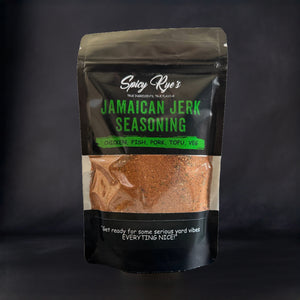
| Jerk | Allspice, scotch bonnet, thyme | Rice and peas, slaw | Dry rub, then heat |
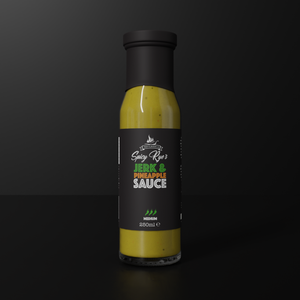
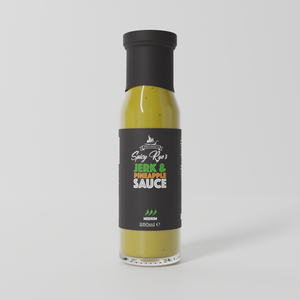
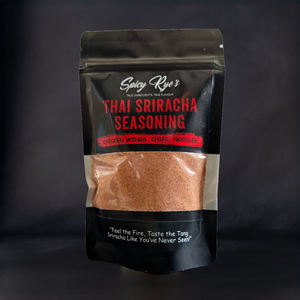
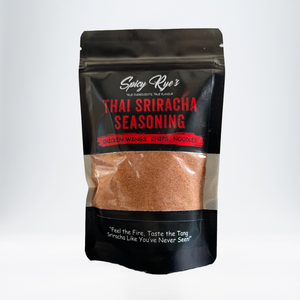
For Thai-inspired chicken, the Thai Sriracha Seasoning (£7.95) delivers garlic, sweet chilli warmth and a vinegar tang. If you want to lean into the jerk direction, you can buy jerk pineapple sauce to finish the plate.
Storing Cooked Chicken Safely in the Fridge
Food safety guidance for leftovers is not glamorous, but it is the difference between a quick flavour boost and a wasted evening. The rules are simple.
Cooling and refrigerating
- Cool leftovers quickly and refrigerate within two hours of cooking. If the room is warm, aim for one hour.
- Split large amounts into shallow containers so they cool faster, a deep pot of chicken stew can sit in the danger zone for hours.
- Cover and store on a shelf above raw meat, or on its own shelf, to avoid cross-contamination.
How long it keeps
- Cooked chicken keeps for two days in the fridge as a rule of thumb. Some guidance allows up to three days, but two is the safer target if you are unsure.
- Dishes containing cooked chicken, pies, soups, rice dishes, follow the same two-day rule.
- If it smells wrong, feels slimy, or has changed colour, bin it. No sauce is worth that risk.
Freezing and defrosting
- Cooked chicken freezes well for up to three months. Freeze portions flat in bags for faster defrosting.
- Defrost overnight in the fridge, never on the counter. A 500g portion typically takes 12-24 hours.
- Once defrosted, reheat until piping hot and eat within 24 hours. Do not refreeze.
Storing chicken separately from its sauce
Where you can, store chicken separately from its sauce. Sauce added at the last minute tastes fresher, the meat keeps better without it, and a wet sauce can mask the signs of spoilage.
The reheat-once rule
Reheat only the portion you are about to eat, and reheat it once. Repeated heating and cooling gives bacteria more opportunities to multiply, so portion a large batch before reheating rather than heating the whole lot and cooling what is left.
These rules apply equally to the quick upgrades in this guide. A sauce or seasoning does not extend the life of cooked chicken, it only makes the portion you are about to eat taste better.
Building Your Leftover Chicken Flavour Kit
A small, well-chosen kit beats a cupboard full of half-used bottles. Keep:
- One citrus-forward sauce for cold lunches and salads
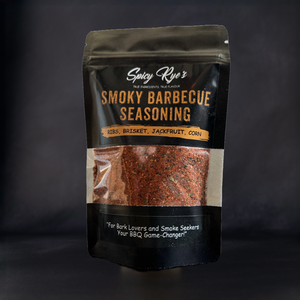
- One smoky sauce for glazing and grilling
- One chicken-specific seasoning for dry rubs
That is five items, and it covers almost every direction. Build it once and leftover chicken stops being a chore.
Frequently Asked Questions
How can I make leftover chicken taste better quickly?
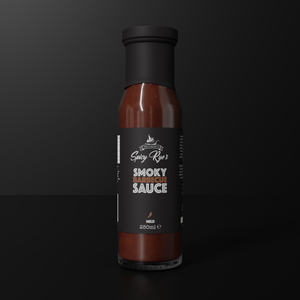
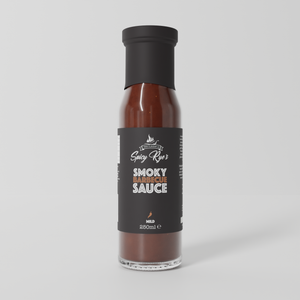
The fastest route is a sauce or a dry rub applied just before serving. Toss shredded chicken with a spoonful of chilli sauce, a squeeze of lime and a pinch of seasoning, or brush whole pieces with a glaze and warm them gently. A lemon pepper sauce or a smoky chipotle BBQ sauce adds instant depth without cooking from scratch. You can transform cold leftover chicken into something worth eating in under two minutes.
What spices work best for cooked chicken?
Garlic and herb blends, smoked paprika, lemon pepper and jerk seasoning all work well because they cling to the surface of already-cooked meat. Sprinkle a teaspoon per portion and toss while the chicken is still slightly warm so the spices bloom. Avoid heavy salt-based rubs if the chicken was already seasoned during cooking, and taste before adding more.
How do I reheat chicken without drying it out?
Moisture is the key. Add a splash of stock, sauce or water to the pan, cover with a lid and warm over low heat for three to four minutes, or microwave in a covered bowl with a tablespoon of liquid. A 180C oven works for larger batches, wrapped tightly in foil. Never blast chicken on high heat, as that is what turns it stringy and dry.
How long can cooked chicken be kept in the fridge?
Cooked chicken should be cooled within two hours of cooking, stored in a sealed container and eaten within two days, according to Food Standards Agency guidance. Keep it on a shelf above raw meat to avoid cross-contamination. If you are not going to eat it within two days, freeze it on the day of cooking and defrost thoroughly before reheating.
Can I reheat leftover chicken with sauce?
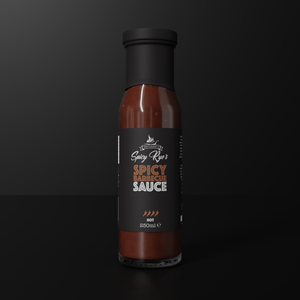
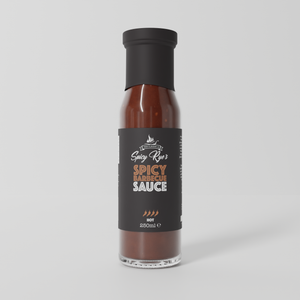
Yes, and it is one of the best ways to keep it moist. Toss the chicken in sauce before reheating so the liquid steams into the meat. A honey and lemon pepper sauce, a mango pepper sauce or a splash of spicy BBQ sauce all work well. Heat gently in a covered pan or microwave, stirring once, until piping hot throughout.
The real challenge isn't finding a recipe. It's having the right bottle within reach when the fridge is full and time is short. Spicy Rye's makes premium sauces and seasonings built for exactly that moment, from the citrus-led Lemon Pepper Sauce to the smoky depth of our BBQ range. Get started with Spicy Rye's and turn tonight's leftovers into the best meal of the week.