

Table of Contents
- What Makes a Sauce Artisan?
- Superior Flavour: Why Small-Batch Beats Mass-Produced
- The Health Benefits of Preservative-Free Sauces
- How to Use Hot Sauce in Cooking: Beyond the Splash
- Saving Time Without Sacrificing Flavour
- Premium Hot Sauce Gift Sets for Flavour Enthusiasts
- Storing Your Artisan Sauces: Shelf Life and Freshness
- The Verdict: Elevate Your Everyday Cooking
- Frequently Asked Questions
Last Updated: September 9, 2026
Artisan sauces are small-batch condiments crafted with premium ingredients and traditional methods, offering a depth of flavour that mass-produced alternatives rarely match. Their benefits extend beyond simple heat, transforming everyday meals through complex flavour profiles, cleaner ingredient lists, and versatility. At Spicy Rye's, we craft our range around this philosophy. This guide explores why small-batch production wins on taste and nutrition, how to cook with these sauces, and practical ways to store them.
What Makes a Sauce Artisan?
An artisan sauce is defined by its production method and ingredient philosophy rather than its packaging or price point. Unlike mass-produced condiments that rely on stabilisers, artificial colours, and high-fructose sweeteners, artisan producers work in small batches where quality control happens by taste.
This distinction matters in the pan. When a sauce is made with whole ingredients like ripe mango, real bourbon, or cracked black pepper, those flavours caramelise, reduce, and meld with food in ways synthetic flavourings cannot replicate. This is the core difference between a condiment and a genuine cooking ingredient.
Ingredient transparency is another hallmark. Most artisan producers list every component plainly, without hidden additives or vague terms like "natural flavourings." For home cooks who read labels carefully, this clarity builds trust and makes it easier to plan meals around dietary needs.
Superior Flavour: Why Small-Batch Beats Mass-Produced
The flavour gap comes down to ingredient quality and time. Mass-market sauces are cooked quickly at high temperatures, degrading delicate aromatic compounds. Small-batch production allows gentler cooking and longer maturation, preserving each ingredient's character.
Heat is another differentiator. A well-crafted artisan hot sauce builds heat gradually, letting the palate register sweetness, acidity, and fruit notes before the chilli arrives. This layered experience is difficult to achieve when peppers are reduced to a uniform industrial paste.

Complex Flavour Profiles You Can't Replicate at Home
Recreating a balanced artisan sauce at home means sourcing specific chillies, fermenting them for weeks, and balancing acidity against sweetness. Most home cooks lack the time or equipment. A quality small-batch sauce delivers that complexity instantly.
The Health Benefits of Preservative-Free Sauces
Preservative-free sauces offer tangible advantages. Without artificial preservatives, natural acidity, salt, and sugar act as preserving agents, keeping the ingredient list recognisable and short. This aligns with the broader movement toward clean eating.
These sauces also taste brighter because they avoid the high-heat processing used to extend commercial shelf life. The trade-off is a shorter window after opening, but most households use a 250ml bottle well within that timeframe.
Compared with standard supermarket hot sauce, artisan options have a more substantial body and cleaner aftertaste, without the chemical residue some commercial varieties leave behind.

How to Use Hot Sauce in Cooking: Beyond the Splash
The most common mistake is treating hot sauce as a tabletop condiment rather than a cooking ingredient. Using artisan hot sauces in cooking unlocks flavour-building potential a finishing splash never will. The key is matching the sauce's profile to the cooking method.
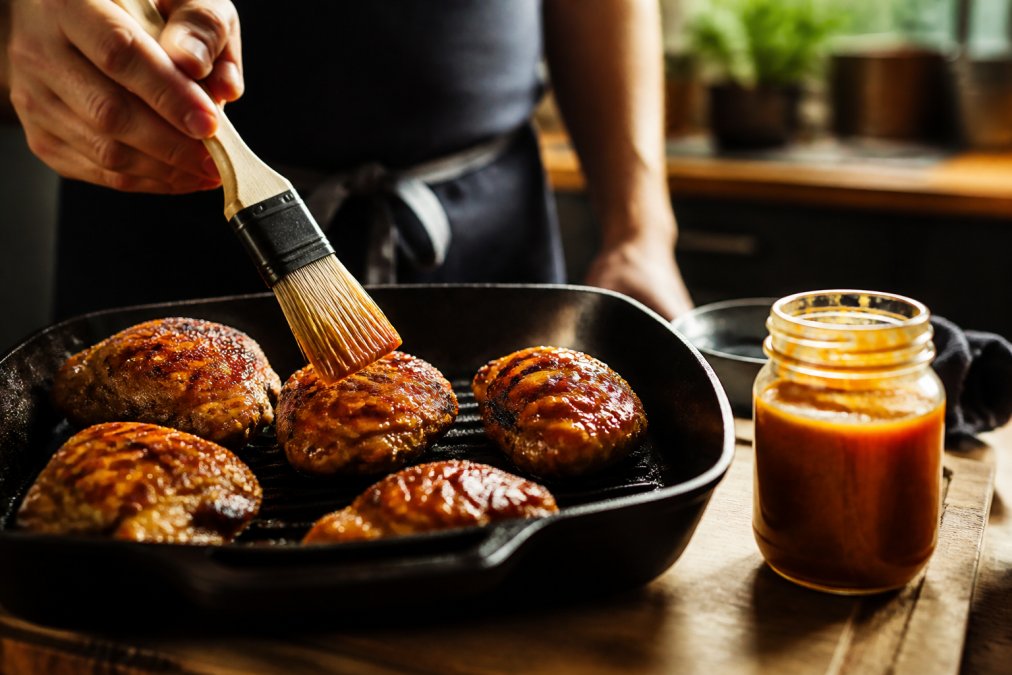
Heat changes how sauces perform. Fruit-forward sauces add caramelising sugars to a marinade; vinegar-based sauces tenderise meat and cut richness in braising liquid. Understanding these reactions turns a single bottle into a versatile kitchen tool.
Marinades, Glazes, and Finishing Touches
Three techniques capture most of the value from artisan sauces:
-
Marinades: Combine a fruit-based hot sauce with oil and aromatics, then coat protein 30 minutes to 4 hours before cooking. The enzymes and acids begin breaking down fibres while the flavour penetrates beneath the surface.
-
Glazes: Apply a sweet-heat sauce like bourbon and honey BBQ in the final minutes of grilling or roasting. The sugars caramelise quickly, creating a sticky, flavourful crust without burning.

Bourbon & Honey BBQ Sauce -
Finishing touches: A small drizzle after plating preserves the sauce's aromatic top notes, which high heat would otherwise destroy. This works well for eggs, roasted vegetables, and even soft cheese.
Braising: The Slow-Cooker Advantage
Beyond the three standard applications, artisan sauces excel as braising liquids, a technique most guides overlook. A vinegar-forward hot sauce combined with stock at a ratio of roughly 1:3 creates a cooking environment where acidity gradually breaks down collagen in tougher cuts like beef short ribs or pork shoulder. The sauce's chilli and fruit notes infuse the meat from within rather than coating the surface. For a 90-minute braise, add the sauce at the start; for longer cooks, stir in a second splash during the final 15 minutes to brighten the flavour that slow heat tends to mute.
Roasting Vegetables: Direct Application
Roasting is where artisan sauces show surprising range. Toss root vegetables, parsnips, carrots, or cauliflower, in a tablespoon of citrus-forward hot sauce and a teaspoon of oil before spreading them on a tray. The sugars in the sauce accelerate Maillard browning, producing edges that caramelise faster and deeper than oil alone. A sweet-heat BBQ sauce works similarly on halved Brussels sprouts, creating a sticky exterior that contrasts with the tender interior.
Stir-Frying: Timing Matters
In a wok, artisan hot sauce behaves differently depending on when you add it. Added too early, the sugars scorch and turn bitter. The reliable sequence is: aromatics first, protein second, vegetables third, then sauce in the final 30 seconds with the heat still high. This brief exposure warms the sauce, releases its volatile aromatic compounds, and coats every piece without breaking down the chilli's structure. The result is a glossy, flavourful finish rather than a flat, cooked-out taste.
The Ratio Rule for Beginners
If you are new to cooking with artisan sauces, start with a simple ratio: one part sauce to three parts other liquid or fat in any dish. This applies whether you are making a pan sauce, a braise, or a dressing. One part sauce to three parts stock, cream, or oil keeps the sauce's character present without overwhelming the primary ingredients. From there, adjust upward in small increments, a teaspoon at a time, tasting as you go. This disciplined approach prevents the most common failure: a dish that tastes only of the sauce rather than of the food elevated by it.
Saving Time Without Sacrificing Flavour
Weeknight cooking demands efficiency, and artisan sauces deliver. A single well-made sauce provides the acidity, sweetness, spice, and umami that would otherwise require five or six separate ingredients.
Consider a simple chicken breast. Without a quality sauce, depth requires a spice rub, a marinade, and a pan sauce. With a citrus hot sauce, you can marinate, cook, and finish with one ingredient, cutting prep time while the result tastes intentional.
This utility also answers the objection that premium condiments sit unused. A versatile sauce earns regular rotation, becoming a kitchen staple rather than a novelty purchase.
Premium Hot Sauce Gift Sets for Flavour Enthusiasts
For culinary-focused friends, premium hot sauce gift sets offer a thoughtful alternative to wine or chocolate. A curated selection spanning heat levels and flavour directions gives the recipient a tasting experience rather than a single product.
Gift sets respect the recipient's palate. Varied profiles, such as a citrus-forward sauce alongside a sweet-heat BBQ option, allow exploration without committing to a single intense flavour, suiting both chilli enthusiasts and those seeking less predictable weeknight dinners.
When selecting a gift set, consider the range of applications. Sauces that work across proteins, vegetables, and cheese boards demonstrate the versatility that keeps someone reaching for the bottle week after week.
Storing Your Artisan Sauces: Shelf Life and Freshness
Proper storage preserves the quality artisan production builds. Unopened, most small-batch sauces remain stable for a year or more thanks to natural acidity and sugar. Once opened, refrigeration and clean utensils become essential.
| Sauce Type | Unopened Shelf Life | After Opening | Best Storage |
|---|---|---|---|
| Fruit-based hot sauce | 12-18 months | 3-4 months | Refrigerated |
| Vinegar-forward sauce | 18-24 months | 4-6 months | Cool, dark cupboard |
| Sweet BBQ-style sauce | 12 months | 2-3 months | Refrigerated |
A common mistake is returning a spoon to the jar after tasting; saliva introduces bacteria that accelerate spoilage. Use a clean, dry utensil each time. If mould appears, discard the sauce, unlike hard cheese, a contaminated condiment cannot be salvaged.
The Oxidation Problem Most Guides Ignore
The biggest flavour killer in opened artisan sauces is not bacteria, it is oxidation. Each time you open the jar, oxygen dulls the volatile aromatic compounds, which is why a sauce vibrant on week one can taste flat by week six even without visible spoilage.
To slow oxidation, minimise air exposure. Squeeze out excess air before sealing flexible bottles. For glass jars, transfer sauce to a smaller container once the level drops below half, the headspace in a large jar holds enough oxygen to degrade flavour. This habit extends peak flavour by one to two months.
Temperature Consistency Matters More Than Cold
Refrigeration preserves sauces, but temperature fluctuation damages them. A sauce in the refrigerator door warms each time it opens, causing condensation that dilutes acidity and encourages mould. Store opened sauces on an interior shelf, where temperature remains stable.
For vinegar-forward sauces in a cool, dark cupboard, avoid placing them above the oven or near the hob; ambient heat accelerates chemical breakdown. A pantry away from heat sources is ideal. If your kitchen runs warm in summer, move these sauces to the refrigerator, slight thickening beats accelerated flavour loss.
Container Choice: Glass Over Plastic
Artisan sauces typically arrive in glass, which matters for storage. Glass is non-porous and does not absorb surrounding odours, while plastic squeeze bottles allow slow oxygen permeation that accelerates oxidation. If transferring, choose glass with a tight-fitting lid. Avoid metal lids that corrode with acidic sauces; place cling film between lid and jar before sealing.
Recognising When Flavour Has Passed Its Peak
Spoilage is obvious, mould, off-odours, or bubbling. But flavour degradation happens first. Signs a sauce has passed its peak: colour has darkened noticeably, aroma has lost sharpness or fruitiness, or the sauce tastes flat with only heat remaining. These changes do not make it unsafe, but the complex flavour profile has faded. Use opened fruit-based sauces within three months and vinegar-forward sauces within five.
The Verdict: Elevate Your Everyday Cooking
The benefits of using artisan sauces in cooking are clear: superior flavour through small-batch production, cleaner ingredient profiles, versatility across cooking methods, and time savings on busy evenings. These advantages make them a worthwhile upgrade for anyone who cooks regularly.
At Spicy Rye's, our range spans from fiery habanero blends to smoky-sweet BBQ sauces, each crafted with premium ingredients and designed to elevate everyday meals. Whether you are glazing grilled meats with our Bourbon & Honey BBQ Sauce or brightening seafood with our Lemon Pepper Sauce, you are adding deliberate, complex flavour to your cooking.
Frequently Asked Questions
What defines an artisan sauce compared to mass-produced options?
Artisan sauces are made in small batches with whole, recognisable ingredients rather than extracts, stabilisers, and artificial colours. Production focuses on flavour development: peppers are roasted or fermented, fruits are ripe, and spices are freshly ground. Mass-produced sauces prioritise shelf stability and uniform taste, often relying on vinegar-heavy bases and additives. The difference shows in the depth of flavour: artisan sauces have layers that shift from sweet to smoky to fiery, while mass-produced versions tend to taste one-dimensional.
How should I store artisan sauces to keep them fresh?
Keep unopened jars in a cool, dark cupboard away from direct sunlight. Once opened, most artisan hot sauces stay fresh for three to six months in the fridge; the high vinegar and chilli content acts as a natural preservative. Always use a clean, dry spoon to avoid introducing bacteria, and check the label for specific guidance. If the sauce separates, that is normal for preservative-free products, just shake it well before use.
How is an artisan sauce different from just buying hot sauce at the supermarket?
The key differences are ingredients, production method, and flavour. Supermarket hot sauces often use cayenne extract for heat and xanthan gum for texture, which can taste sharp and one-note. Artisan sauces build heat from whole chillies and balance it with complementary ingredients like mango, honey, or bourbon. You also get transparency: a short ingredient list you can read and pronounce, with no hidden additives or artificial preservatives.
I am not a spice lover. Will artisan sauces work for milder tastes?
Yes. Artisan sauces range from gentle warmth to serious heat, so you can choose a profile that suits your palate. A Mango Pepper Sauce or Bourbon & Honey BBQ Sauce delivers sweetness and smokiness with just a mild kick, making them ideal for weeknight dinners. You control the amount: start with a teaspoon to add depth, then adjust. The goal is flavour enhancement, not overwhelming heat.
Artisan sauces reward the cook who treats them as ingredients rather than toppings. Explore the full collection and discover how a quality sauce can transform your kitchen routine. Shop now and find your new pantry essential.