

Table of Contents
- Why Chilli Vinegar Deserves a Spot in Your Gourmet Kitchen
- 1. Jalapeño Vinegar: Fresh Green Heat for Everyday Meals
- 2. Chipotle Vinegar: Smoky Depth for Grilled and Roasted Dishes
- 3. Scotch Bonnet Vinegar: Fruity Fire with Caribbean Flair
- 4. Habanero Vinegar: Intense Tropical Heat for Bold Palates
- How to Use Chilli Vinegar in Recipes: Marinades, Dressings, and More
- Building Your Gourmet Pantry Staples List
- Conclusion: Elevate Your Cooking with Unique Chilli Vinegars
- Frequently Asked Questions
Last Updated: September 14, 2026
Why Chilli Vinegar Deserves a Spot in Your Gourmet Kitchen
Chilli vinegar is an infused condiment made by steeping fresh or dried chillies in a vinegar base until the liquid takes on their heat and aroma. At Spicy Rye's, we build ours around four very different peppers, and each one transforms everyday cooking in a way a standard hot sauce simply cannot.
If your condiment shelf is already crowded, here's the honest case for chilli vinegars for gourmet cooking. Vinegar carries flavour into food instead of sitting on top of it. The acidity cuts through fat, the capsaicin delivers heat, and the infusion adds aroma, which is why chefs reach for a bottle long before they reach for a sauce.
Below, we'll break down each vinegar by flavour profile, heat intensity, and the exact dishes it suits best.
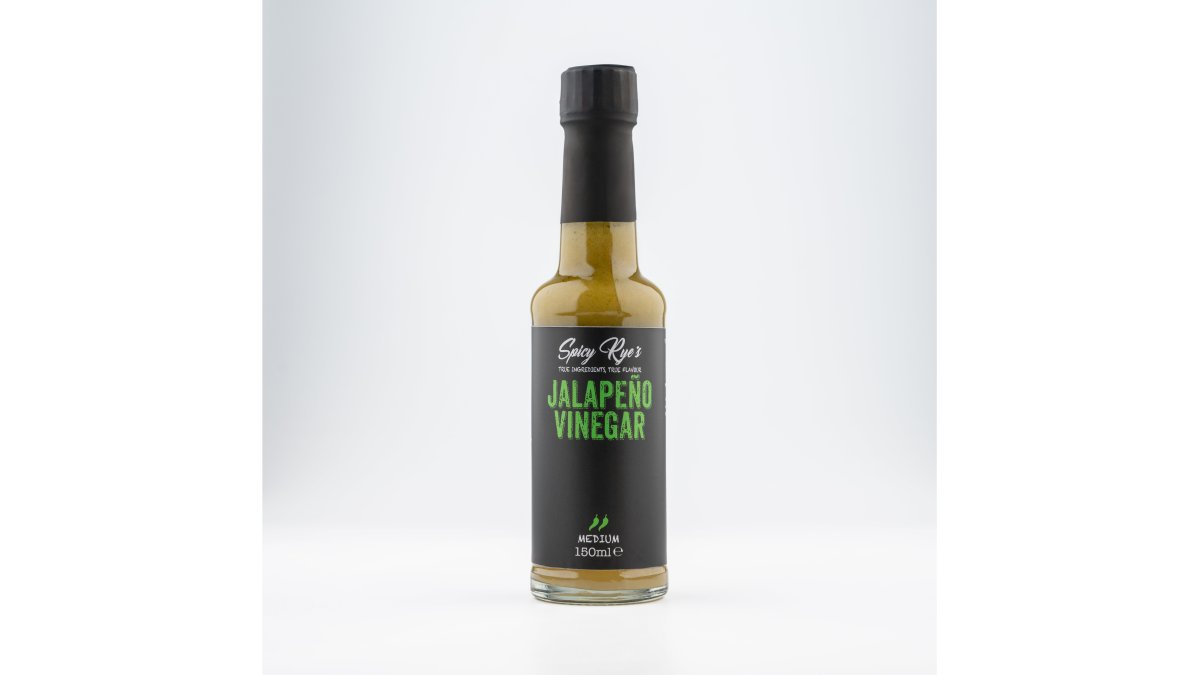
1. Jalapeño Vinegar: Fresh Green Heat for Everyday Meals
Jalapeño vinegar is a versatile bottle in a chilli vinegar range, with a bright, grassy heat. It behaves like a sharper, more interesting white wine vinegar.

Drizzle it over salads, whisk it into salad dressings, or splash it into salsas for an extra layer of flavour. It also makes a superb marinade for chicken and fish, where the acidity tenderizes while the jalapeño keeps things fresh rather than fiery.
2. Chipotle Vinegar: Smoky Depth for Grilled and Roasted Dishes
Chipotle vinegar swaps fresh heat for smoke. Chipotle peppers are smoked, dried jalapeños, and that process gives the vinegar an earthy, aromatic depth that works where fresh chillies would taste thin (pubmed.ncbi.nlm.nih.gov).

Use it in marinades for grilled meats, glazes for roasted vegetables, or stirred into barbecue sauce for a smoky, tangy finish. Because the heat is moderate, the smoke leads and the pungency follows, which makes this the easiest bottle to cook with every week.
3. Scotch Bonnet Vinegar: Fruity Fire with Caribbean Flair
Scotch bonnet vinegar delivers serious heat, but it arrives wrapped in a distinctly fruity, almost tropical flavour profile. That combination is why it's a culinary staple in Caribbean cooking.

It suits marinades, hot sauces, and stews, and it's the bottle to reach for when you want a splash of Caribbean-inspired character in roasted vegetables or rice dishes. A little goes a long way, so treat it as a finishing vinegar rather than a base.
4. Habanero Vinegar: Intense Tropical Heat for Bold Palates
Habanero vinegar offers intense tropical heat, with the same tropical, fruity notes as scotch bonnet but a cleaner, more forward burn. It's built for heat enthusiasts and for anyone who wants a bold, aromatic kick in sauces and dressings.
Use it sparingly in marinades, brighten up salad dressings with a few drops, or give a fiery twist to your favourite sauces. The fruitiness means it pairs surprisingly well with sweet elements, so it works in glazes where a plainer vinegar would taste harsh.
How to Use Chilli Vinegar in Recipes: Marinades, Dressings, and More
Learning how to use chilli vinegar in recipes comes down to four jobs: marinating, dressing, glazing, and finishing. Each one uses the same bottle differently, and the ratios shift depending on whether you're pouring jalapeño or habanero.
Marinades
Use roughly two parts oil to one part chilli vinegar as a starting point, then adjust by heat. A mild jalapeño vinegar can go in at the full one-part ratio; a scotch bonnet or habanero vinegar should be cut to about one part vinegar to four parts oil so the capsaicin doesn't overwhelm the meat. Acid tenderises by loosening muscle fibres at the surface, so a 30-minute marinade for fish and a 2 to 4 hour marinade for chicken or pork is usually enough, longer than that and the exterior starts to cure rather than marinate (Membership - Committee on Toxicity of Chemicals in Food, Consumer Products and the...).
Dressings
Whisk three parts oil to one part vinegar, then taste before you commit. Because chilli vinegar already carries aroma and heat, you often need less than a standard vinaigrette recipe calls for. A useful trick: build the dressing with a neutral vinegar first, then add chilli vinegar a teaspoon at a time until the heat sits where you want it. That way you control intensity without diluting the acidity.
Glazes
Reduce chilli vinegar with a little honey, maple syrup or soft brown sugar until it coats the back of a spoon, usually a 3:1 vinegar-to-sweetener ratio reduced by about half. Brush it onto grilled or roasted food in the final two to three minutes only; sugar in a glaze burns quickly under a hot grill, and the chilli aroma cooks off if the glaze is applied too early.
Finishing
Add a few drops to soups, stews and pan sauces just before serving. Heat and volatile aromatics are lost to prolonged cooking, so finishing is where a chilli vinegar earns its place on the shelf. This is also the technique that separates a gourmet bottle from a hot sauce: you're adding fragrance, not just burn.
Beyond the Plate: Cocktails and Desserts
This is where most guides stop, and where chilli vinegar becomes genuinely interesting. A few drops in a Bloody Mary or a michelada replaces both the hot sauce and the acid component. In a margarita or a paloma, a bar spoon of jalapeño vinegar gives a green, vegetal lift that a salt rim can't replicate. On the sweet side, chipotle vinegar whisked into a chocolate ganache or drizzled over vanilla ice cream creates the same smoke-and-cocoa contrast that chilli chocolate relies on, start with half a teaspoon per 200g of chocolate and build from there.
Building Your Gourmet Pantry Staples List
A gourmet pantry staples list is a short set of versatile, high-quality ingredients that earn their shelf space because you reach for them constantly. Chilli vinegars belong on it, but so does understanding what actually changes the finished bottle: the vinegar base and the acidity that keeps it safe.
Choosing the Vinegar Base
Most guides default to malt or apple cider vinegar. That's fine, but it's only one lane. The base sets the entire flavour foundation, and swapping it changes what the chilli does.
| Base | Character | Best With |
|---|---|---|
| Malt | Strong, slightly sweet, distinctly British | Chip shop classics, pickles, chutneys |
| Apple cider | Fruity, soft acidity, faintly sweet | Jalapeño and chipotle, dressings, pork |
| Distilled (white) | Neutral, lets the chilli lead | Habanero and scotch bonnet, cocktails, clear dressings |
| White wine | Light, dry, vinous | Jalapeño, fish, shellfish, vinaigrettes |
| Rice wine | Gentle, slightly sweet, low acidity | Asian-style marinades, dipping sauces |
| Balsamic | Sweet, dark, syrupy | Chipotle, roasted vegetables, strawberries |
A practical rule: match the base to the cuisine you cook most. If you cook British classics, malt is the natural choice. If you cook across several cuisines, distilled or white wine vinegar gives you the most flexibility because it doesn't fight the chilli.
How Infusion Time Changes the Result
Safety and Shelf Life
The reason vinegar preserves is acidity. For a chilli vinegar to store safely at room temperature, the finished liquid should sit at or below pH 4.6, the threshold below which most spoilage organisms and pathogens can't multiply (food.gov.uk).
What Good Looks Like on the Label
| What to Check | Why It Matters | What Good Looks Like |
|---|---|---|
| Vinegar base | Sets the flavour foundation | A named vinegar, not just "vinegar" |
| Chilli variety | Determines heat and aroma | Named peppers, not "chilli flavouring" |
| Ingredient list | Signals real infusion | Short, recognisable ingredients |
| Heat level | Prevents ruined dishes | Labelled or described by pepper type |
| Acidity | Signals shelf stability | Acetic acid percentage or pH stated |
| Bottle size | Matches how often you cook | Small bottles for hot varieties |
If you're building a pantry from scratch, buy one mild bottle and one hot bottle rather than four similar ones, and match the base to the food you actually cook.
Conclusion: Elevate Your Cooking with Unique Chilli Vinegars
The hardest part of cooking with chilli vinegar isn't technique, it's choosing the right bottle for the way you actually eat. Buy one you'll use weekly and one you'll use sparingly, and you'll never let a good vinegar sit unused in the cupboard again.
Spicy Rye's makes that choice simple. Our range of chilli vinegars is crafted with premium ingredients and spans from the fresh green heat of jalapeño to the intense tropical fire of habanero, so there's a bottle for every dish and every palate. Dip it, pour it, glaze it, love it. Elevating your kitchen repertoire requires a discerning selection of premium cooking ingredients that harmonize with these vibrant infusions to create balanced flavor profiles.
Get started with Spicy Rye's and add unbeatable flavour to every meal.
Frequently Asked Questions
What are the best chilli varieties for making infused vinegar?
Jalapeño, chipotle, Scotch bonnet, and habanero are excellent choices. Jalapeño offers fresh green heat, chipotle brings smoky depth, Scotch bonnet delivers fruity fire, and habanero provides intense tropical heat. Each creates a distinct flavour profile in chilli vinegars, allowing you to match the heat and taste to your cooking style.
How do you use chilli vinegar in gourmet cooking?
Use chilli vinegar in marinades for meats and vegetables, whisk into salad dressings, drizzle over grilled dishes, or add to sauces and stews for a tangy kick. It also works well as a finishing touch on roasted vegetables or in cocktails for a spicy twist. Start with a small amount and adjust to taste.
Does chilli vinegar need to be refrigerated?
After opening, store in a cool, dark place like a pantry. Refrigeration can help maintain flavour and extend shelf life. Always check the label for specific storage instructions.
What is the difference between chilli oil and chilli vinegar?
Chilli oil is oil infused with chillies, providing richness and heat without acidity. Chilli vinegar is vinegar infused with chillies, offering tanginess alongside spice. They serve different purposes: oil is better for sautéing and drizzling, while vinegar is ideal for marinades, dressings, and adding brightness to dishes.
Can you make your own gourmet chilli vinegar at home?
Yes, you can make chilli vinegar at home by infusing vinegar with fresh or dried chillies. Choose a high-quality vinegar base like apple cider or distilled vinegar, add chillies, and let it steep for 1-2 weeks. Strain and bottle. However, commercial options like those from Spicy Rye's offer consistent flavour and quality.