
Last Updated: October 27, 2026
Quick Summary
To season chicken breast without salt, build flavour in three layers: coat the raw meat in oil with garlic powder, onion powder and smoked paprika, add dried herbs like thyme and oregano as it cooks, then finish with fresh lemon off the heat. For one average breast of about 175-200g, use roughly 2¼ tsp of the core blend.
- Salt masks the bright notes of herbs and the warmth of spices, so removing it resets your palate.
- Mix the dry blend in a small bowl first so every breast gets the same ratio.
- Brine without salt by soaking the chicken in water with lemon juice and herbs for 30 minutes.
- Pull the chicken at 74°C and rest it for five minutes to keep it moist.
- Season to the weight of the meat, not the size of the spoon, across all cooking methods.
Table of Contents
- Why Salt-Free Seasoning Works Better Than You Think
- Building Flavour in Layers Without Salt
- Your Salt-Free Chicken Seasoning Toolkit
- How to Keep Chicken Breast Moist Without Salt
- Mixing a Low-Sodium Chicken Marinade That Actually Tenderises
- Salt-Free Grilled Chicken: Method Adjustments for Oven, Grill, Stovetop and Air Fryer
- Stock Your Pantry with Spicy Rye's Seasoning Blends
- Frequently Asked Questions
Why Salt-Free Seasoning Works Better Than You Think
Most people assume that when you season chicken breast without salt, it tastes like nothing. That's the first myth to bin. According to NHS guidance on salt and health, adults should eat no more than 6g of salt a day, and most of us are already well over that before we even reach the chicken. Cutting salt from your cooking isn't a sacrifice. It's a reset.
Here's the thing nobody tells you: salt masks flavour. It flattens the bright notes in herbs and the warmth in spices. Strip it out and your palate starts picking up things it missed for years.
Building Flavour in Layers Without Salt
Flavour in salt-free cooking comes from stacking, not from one big hit. You add aroma at the start, savoury depth in the middle, and a bright finish at the end. Skip a layer and the dish feels thin. Do all three and nobody asks where the salt went.
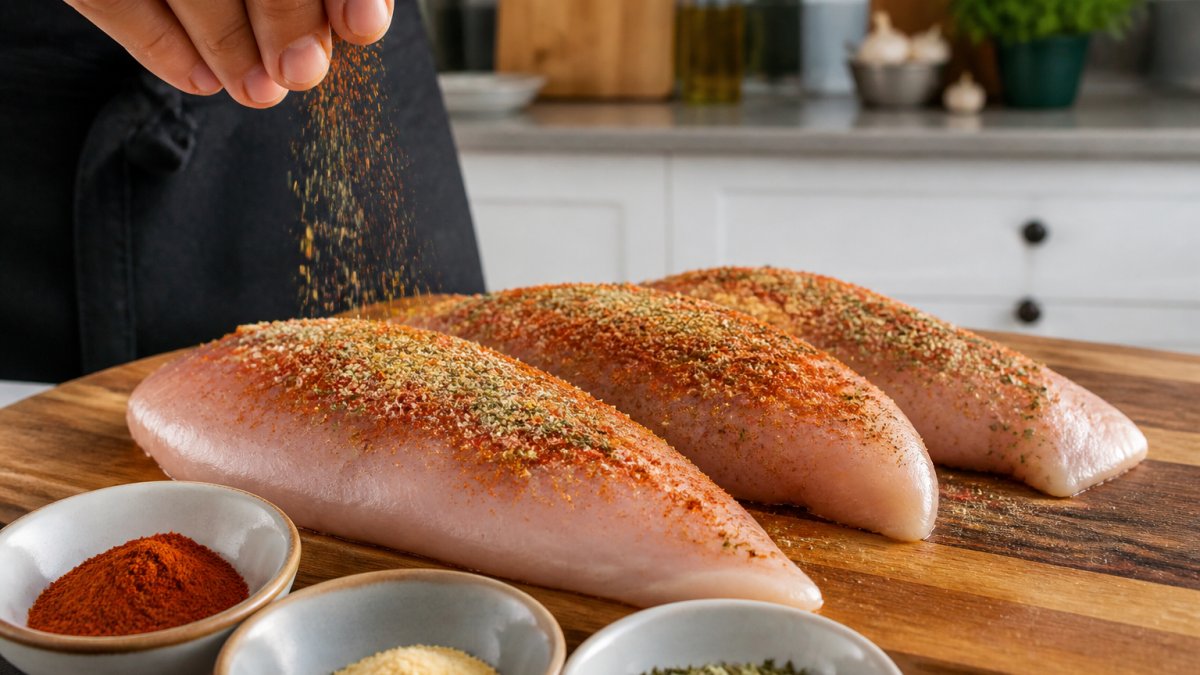
The Three-Layer Method: Base, Boost, Finish
Layer 1: Base. Coat the raw chicken with oil, then work in garlic powder, onion powder and smoked paprika. These are your savoury builders. They give the meat a rounded, meaty backbone.
Layer 2: Boost. Add dried thyme, oregano or poultry seasoning. These herbs bloom in the heat and add aroma as the chicken cooks.
Layer 3: Finish. Squeeze fresh lemon over the chicken the moment it comes off the heat. Citrus added at the end stays bright. Added at the start, it fades.
A common mistake is dumping everything on at once. Layer it and you'll taste the difference in the first bite.
Your Salt-Free Chicken Seasoning Toolkit
Your pantry is the whole game here. Stock these and you can season chicken breast without salt any night of the week, but the difference between bland and balanced is quantity, not just which jars you own. The measurements below are for one average chicken breast weighing about 175-200g. Scale linearly: two breasts take double, four take four times.
The core blend, by weight and by spoon
For a single breast, combine:
- Garlic powder, ½ tsp (about 1.5g) for savoury depth
- Onion powder, ½ tsp (about 1.2g) for a rounder, sweeter savoury note
- Smoked paprika, ½ tsp (about 1.2g) for colour and a smoky backbone
- Dried thyme, ¼ tsp (about 0.3g) for herbal aroma
- Dried oregano, ¼ tsp (about 0.3g) for a peppery, slightly bitter edge
- Black pepper, ¼ tsp (about 0.6g) for heat and bite
- Ground coriander, ¼ tsp (about 0.5g) for warmth and a citrus-adjacent lift
That is roughly 2¼ tsp of dry seasoning per breast, enough to coat both sides visibly without caking. If you are cooking four breasts, mix 3 tbsp of the blend in a small bowl first rather than sprinkling each spice separately; it distributes more evenly and you avoid over- or under-seasoning one piece.
What each ingredient actually does
- Garlic powder and onion powder are your savoury builders. They dissolve into the oil coating and carry the meaty backbone that salt would otherwise provide. Use them in roughly equal parts, onion powder is sweeter and milder, so leaning too heavily on garlic alone can taste sharp.
- Smoked paprika adds colour and a low, smoky note. Sweet paprika works if you want less smoke; hot paprika if you want heat. It also helps the chicken brown more visibly in the oven because the pigments darken as they cook.
- Black pepper is the closest thing to a salt substitute in terms of palate impact, it gives a sharp hit that stops the meat tasting flat. Freshly ground is noticeably stronger than pre-ground.
- Dried thyme, oregano and parsley bloom in the heat and add aroma as the chicken cooks. Dried herbs are more concentrated than fresh, so use about a third of the volume you would use fresh.
- Lemon zest powder gives a sharp citrus lift that survives cooking better than juice. If you only have fresh zest, add it to the oil before coating rather than at the end.
- Ground coriander and cumin add warmth and earthiness. Cumin is stronger and slightly bitter; coriander is brighter and more citrus-like. Start with ¼ tsp of either per breast and adjust.
Fresh versus dried
Fresh herbs like thyme and parsley work too, but add them late, in the last minute of cooking or as a finish, so they keep their punch. Dried herbs go on at the start with the oil so they hydrate and bloom. A common pattern is 1 tsp dried thyme per breast at the start, then a scatter of fresh parsley off the heat.
If you'd rather skip the blending
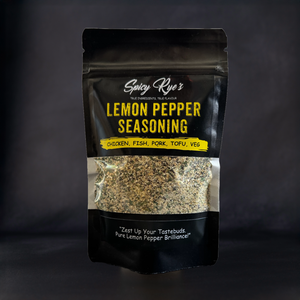
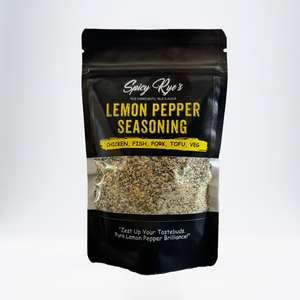
Our Garlic & Herb Seasoning and Lemon Pepper Seasoning are ready to go.
How to Keep Chicken Breast Moist Without Salt
Salt draws out moisture, so removing it can leave breast meat dry if you're not careful. The fix is simple: protect the meat before it hits the heat.
- Brine without salt. Soak the chicken in water with lemon juice and herbs for 30 minutes.
- Oil first. A thin coat of olive oil locks in moisture and helps spices stick.
- Don't overcook. Pull the chicken at 74°C and rest it for five minutes.
- Poach gently. Aromatics in the poaching liquid keep breast meat tender. Our guide to the best aromatics for poaching chicken breasts walks through the options.
Watch out: cooking cold chicken straight from the fridge toughens the fibres. Let it sit at room temperature for 15 minutes first.
Mixing a Low-Sodium Chicken Marinade That Actually Tenderises
Try this base:
- 3 tbsp plain yogurt
- 1 tbsp olive oil
- 1 tsp smoked paprika
- 1 tsp garlic powder
- 1 tsp dried thyme
- Juice of half a lemon
Mix it all, coat the chicken, and leave it for 30 minutes to 2 hours.
Salt-Free Grilled Chicken: Method Adjustments for Oven, Grill, Stovetop and Air Fryer
Every cooking method needs a different touch when you're working without salt. The heat source changes how the seasoning behaves: dry heat concentrates and can scorch spices, moist heat dilutes them, and direct contact browns them fast. Here is how to adapt the same core blend across four methods.
| Method | Heat | Time | Salt-Free Tip |
|---|---|---|---|
| Oven | 200°C | 20-25 min | Roast on a rack so juices drip away; season 10 minutes ahead so the spices hydrate |
| Grill | Medium-high | 6-8 min per side | Oil the grates well; add a pinch of the blend to the oil, not just the meat, so it clings |
| Stovetop | Medium | 5-7 min per side | Use a heavy pan and don't move the chicken; add herbs in the last minute so they don't burn |
| Air fryer | 190°C | 12-15 min | Pat the chicken dry first; a dry surface lets the spices crisp rather than steam |
How seasoning behaves in each method
Oven. Dry ambient heat slowly dehydrates the surface, so spices applied too early can taste raw and powdery. Season 10 minutes before roasting so the garlic and onion powder hydrate in the oil. The rack matters: sitting the breast on a rack lets juices drip away rather than pooling and diluting the crust. If you are roasting vegetables alongside, season them separately, the chicken's juices will carry some spice but not enough to flavour a tray.
Grill. Direct contact and high heat brown spices fast, which is good for colour but bad for delicate herbs. Apply the core blend, then add dried thyme or oregano only in the last two minutes per side. Oil the grates and the chicken itself, a dry grate strips the crust off. If you are using a marinade, pat the breast lightly before grilling so it doesn't steam.
Stovetop. A heavy pan holds heat evenly and gives you a Maillard crust without salt. Do not move the chicken for the first 5 minutes, the crust needs contact. Add fresh herbs or lemon zest at the end, off the heat, so they stay bright. If the pan looks dry, add a teaspoon of oil rather than water; water steams the crust away.
Air fryer. The fan moves hot air fast, which dries the surface, good for crispness, but it can also blow loose powder off the meat. Pat the chicken dry, oil it, then press the seasoning on with your fingers. Cook in a single layer with space between pieces; crowding traps steam and leaves the coating pale.
The one rule that applies to all four
Season to the weight of the meat, not to the size of the spoon. For deeper guidance on seasoning and timing when grilling chicken, see our step-by-step guide. One average breast (175-200g) takes about 2¼ tsp of the core blend. If you are cooking two, mix 1½ tbsp; four, 3 tbsp. That ratio holds whether you roast, grill, pan-fry or air-fry, only the timing of when you add delicate herbs changes.
Food Safety for Marinades and Raw Chicken
Raw chicken carries bacteria, so treat marinades with care. Never reuse a marinade that has touched raw meat unless you boil it first. Keep raw chicken separate from cooked food and wash your hands, board and knife with hot soapy water after handling. According to NHS food poisoning guidance, cooking chicken through to 74°C kills harmful bacteria. Always check the thickest part with a thermometer.
Stock Your Pantry with Spicy Rye's Seasoning Blends
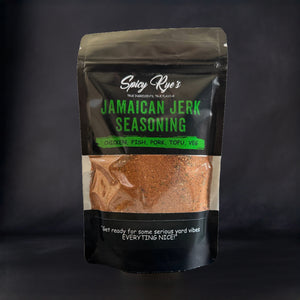
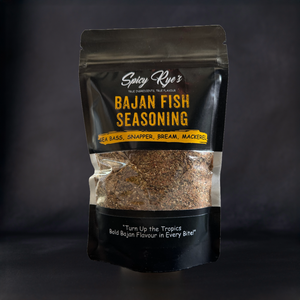
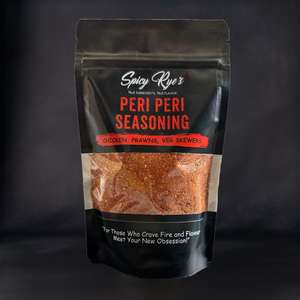
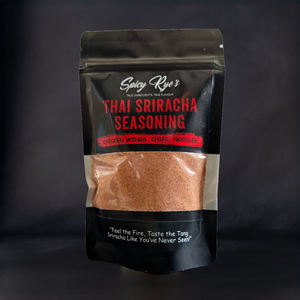
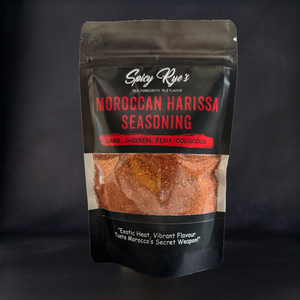
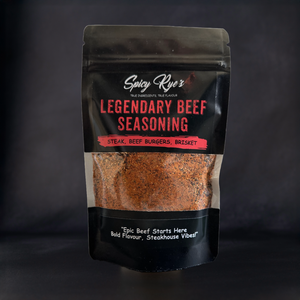
Each blend is crafted with premium ingredients and spans everything from fiery heat to smoky sweetness. Browse the full range of rubs and seasonings to stock your pantry.
Frequently Asked Questions
How do you season chicken breast without salt?
Start with a base of garlic powder, onion powder and smoked paprika, then add dried herbs such as thyme and parsley. Use roughly one teaspoon of blend per 150g chicken breast, coat with a little olive oil so the spices stick, and finish with a squeeze of lemon after cooking. This gives savoury depth without relying on salt.
What herbs and spices add the most flavour to chicken without salt?
Smoked paprika, garlic powder, onion powder, black pepper, thyme, oregano and dried parsley carry the most flavour weight when salt is removed. Citrus zest and lemon juice add brightness, while a pinch of chilli or harissa brings heat.
Can you marinate chicken breast without salt?
Yes. A low-sodium chicken marinade made with yogurt, olive oil, lemon juice and spices tenderises chicken effectively because the acidity and dairy do the work salt would normally do. Marinate for 30 minutes to 2 hours in the fridge, never at room temperature, and discard the used marinade. Yogurt-based marinades are particularly good at keeping breast meat juicy.
How do you cook chicken breast so it stays juicy without salt?
Use a meat thermometer and pull the chicken off the heat at 74C, then rest it for five minutes. Brining with salt is off the table, so rely on a yogurt marinade, oil-based rub or a quick sear followed by gentle oven heat. Avoid overcooking, which is the main reason salt-free chicken tastes dry. For grilling, oil the grates and cook over medium heat rather than high.
Ready to make salt-free chicken taste like the best thing on the plate? Browse the Spicy Rye's range and find your new favourite seasoning. Get started with Spicy Rye's and taste the difference bold, natural flavour makes.