

Table of Contents
- What Makes a Premium Spice Pantry Different
- Essential Spices for a Starter Premium Collection
- How to Store Spices for Maximum Freshness
- Best Spice Storage Containers and Organization Systems
- Sourcing Quality Spices: Whole vs Ground and Bulk Buying
- Climate Control and Preventing Degradation
- Building Your Premium Pantry: A Step-by-Step Action Plan
- Conclusion
Last Updated: August 27, 2026
What Makes a Premium Spice Pantry Different
A premium spice pantry isn't just a collection of jars on a shelf. It's a curated selection of high-quality, aromatic ingredients that elevate everyday cooking into something genuinely memorable. The difference comes down to freshness, flavour intensity, and intentional sourcing.
Most home cooks settle for whatever's cheapest at the supermarket. That approach leaves you with dull, dusty seasonings that lost their essential oils months ago. A premium spice pantry flips this on its head: you're buying whole spices when possible, storing them properly to preserve their potency, and rotating stock regularly so nothing sits dormant for years.
At Spicy Rye's, we've built our entire philosophy around this principle. Quality ingredients matter. When you start with premium seasonings and spice blends, your cooking changes immediately. A proper jerk seasoning doesn't just add heat, it brings complexity, depth, and the kind of flavour that makes people ask for your recipe.

The real distinction isn't price alone. It's understanding why certain spices belong in your collection, how to store them so they don't degrade, and when to buy whole versus ground. This guide walks you through building a premium spice pantry from scratch, month by month, with the knowledge to maintain it properly for years.
Essential Spices for a Starter Premium Collection
Start with culinary staples that work across cuisines and cooking styles. These foundation seasonings form the backbone of any serious pantry.
Kosher salt is non-negotiable. Unlike table salt, it has larger crystals and no anti-caking agents, giving you better control over seasoning. Black peppercorns should always be whole, pre-ground pepper loses its volatile oils within weeks. Fresh cracked pepper tastes completely different from the powdered version sitting in your cupboard.

Beyond salt and pepper, you need:
- Garlic and onion powder, essential for dry rubs and seasoning blends; buy from reputable sources where you can verify they're pure, with no additives
- Paprika, both sweet and smoked varieties add depth without heat
- Cumin seeds and ground cumin, versatile across cuisines, from curries to chilli
- Dried oregano and thyme, Mediterranean foundations for countless dishes
- Chilli flakes, adjustable heat for soups, pasta, and roasted vegetables
- Cinnamon sticks, for both sweet and savoury applications
These twelve items give you the flexibility to season almost anything competently. The cost is reasonable if you buy from bulk suppliers or specialty spice retailers rather than supermarket tins.
Why Jamaican Jerk Seasoning Belongs in Your Pantry
Jamaican jerk seasoning represents a shift in how you approach flavour. It's not a single-note heat, it's a complex blend of scotch bonnet chilli, allspice, thyme, ginger, and citrus that creates layers of flavour.
This seasoning works on chicken, pork, tofu, and vegetables. It transforms a simple grilled breast into something restaurant-quality. Unlike generic "jerk rubs" found in supermarkets, a proper blend from a quality source brings authenticity and depth that makes the effort worthwhile.
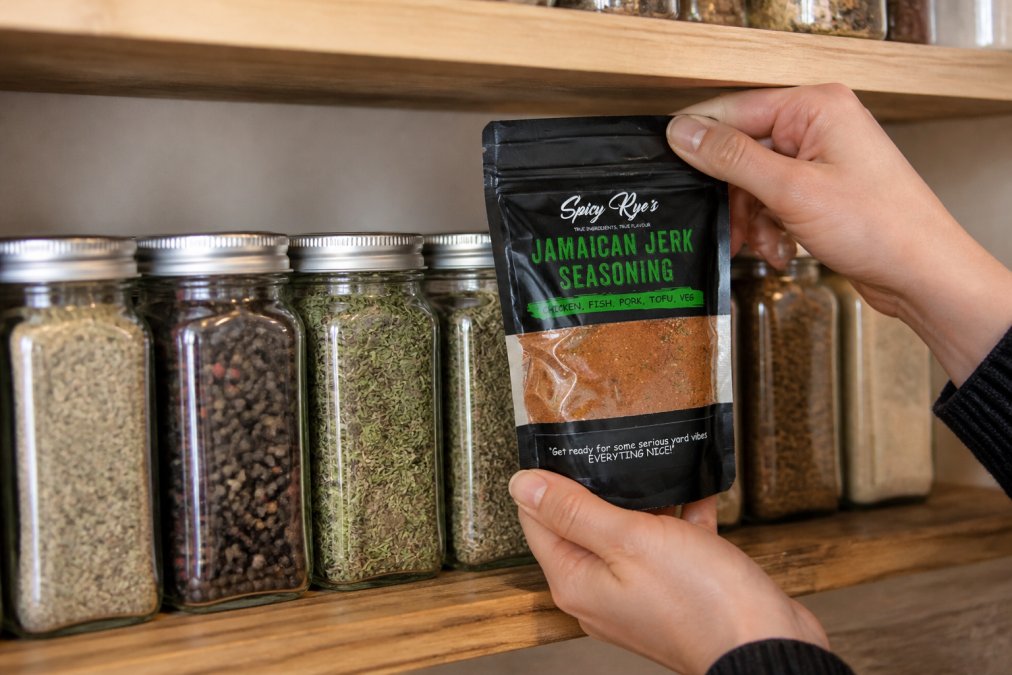
Spicy Rye's Jamaican Jerk Seasoning at £5.65 captures this complexity without requiring you to source five different spices individually. When you're building a premium pantry, including at least one signature blend like this teaches you what quality actually tastes like. It sets a benchmark.
How to Store Spices for Maximum Freshness
Storage determines whether your spices remain vibrant or fade into dusty irrelevance. Most people get this wrong because they follow the worst possible advice: keeping spices on a sunny windowsill or above the cooker.
Heat, light, and moisture are the enemies. Spices lose their essential oils, the compounds that create flavour and aroma, when exposed to any of these. A spice stored properly in a cool, dark cupboard will retain its potency for months (nal.usda.gov). The same spice on a warm shelf degrades within weeks.
The ideal storage location is a cool, dark cupboard away from direct sunlight and heat sources. A pantry works perfectly. A cupboard next to the oven does not. Avoid the fridge unless your kitchen is extremely warm and humid, condensation inside containers destroys spices faster than anything else.
Whole spices last longer than ground ones because they have less surface area exposed to air. A whole peppercorn stays fresh for years. Ground pepper loses its punch within months. This is why investing in a quality spice grinder pays dividends, you grind what you need when you need it, maximizing flavour.
Ground spices typically retain their potency for 6-12 months if stored correctly (usda.gov). Whole spices last 2-3 years (fsis.usda.gov). These timelines assume proper storage in airtight containers away from heat and light. Write purchase dates on your containers so you know what needs rotating.
Best Spice Storage Containers and Organization Systems
The container itself matters more than most people realize. Glass jars with airtight seals preserve freshness far better than cardboard boxes or loose plastic containers.
Look for containers made from dark glass or opaque plastic. Clear glass looks beautiful but allows light to degrade your spices. Airtight seals should be rubber or silicone, not metal springs that lose tension over time. The lid needs to close completely without gaps.
Container Materials and Airtight Sealing
Glass containers outperform plastic in every meaningful way. Glass doesn't absorb odours or flavours, doesn't leach chemicals when exposed to oils, and lasts indefinitely. Plastic containers work in a pinch, but they're a compromise.
Size matters strategically. A 250ml jar works for everyday seasonings you use frequently, ground cumin, paprika, dried herbs. A 100ml jar suits specialty spices you use occasionally. Too-large containers mean more air exposure every time you open them. Too-small jars mean constant refilling.
Labels should be waterproof and permanent. A simple approach: use a permanent marker on painter's tape. Better approach: print labels with the spice name and purchase date, then laminate them. You need to know what's in each jar at a glance, and you need to track freshness.
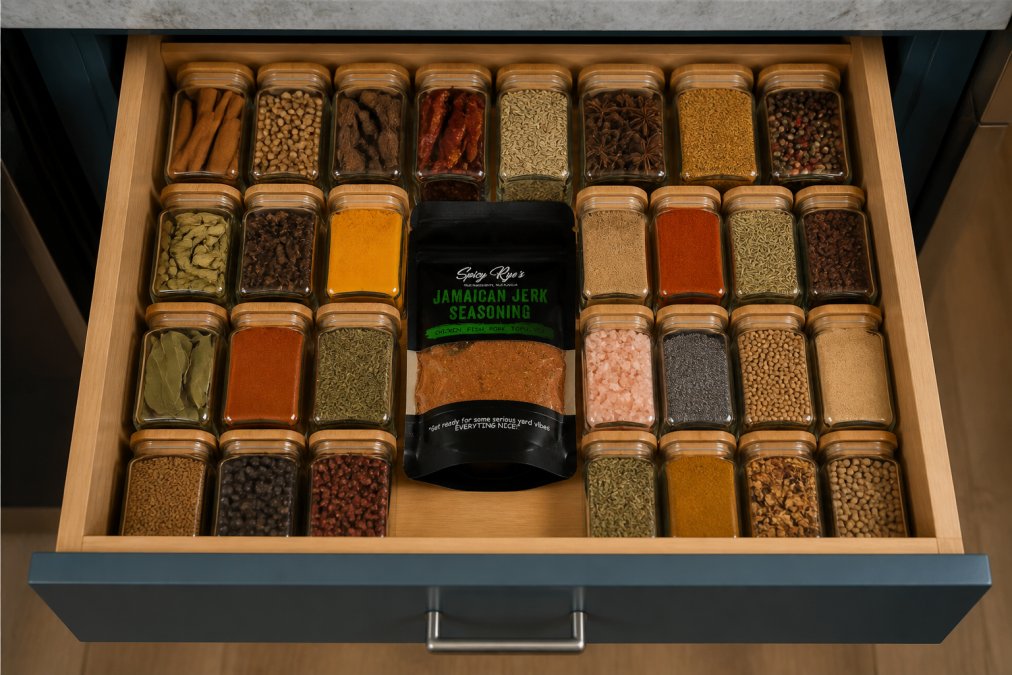
Drawer inserts or pull-out cabinet organizers keep jars accessible and visible. A deep drawer with dividers beats a cupboard where jars hide behind each other. You want to see your entire collection without moving things around.
Labeling and Inventory Systems
A basic inventory system prevents buying duplicates and helps you use spices before they degrade. The simplest method: a spreadsheet listing each spice, purchase date, and location in your pantry.
More sophisticated approaches use photo documentation. Photograph your spice collection quarterly. This serves two purposes: you can reference what you have when shopping, and you have a visual record of when items were purchased. Over time, you'll spot which spices you never use and which ones need regular restocking.
Label everything with both the spice name and purchase date. A spice without a date becomes a mystery you'll eventually throw away. With dates visible, you can confidently use older stock first, rotating through your collection systematically.
Sourcing Quality Spices: Whole vs Ground and Bulk Buying
The source of your spices determines their quality more than anything else. Supermarket spices are often months old by the time they reach your shelf. Specialty spice retailers and bulk suppliers turn over stock faster, meaning fresher product.
Whole spices are superior to pre-ground in almost every scenario. When you buy whole peppercorns, cinnamon sticks, or cumin seeds, you're getting the full flavour potential. Grinding them yourself, using a mortar and pestle or a dedicated spice grinder, releases the essential oils right before cooking, maximizing impact.
Ground spices have their place: everyday seasonings you use constantly, like kosher salt and paprika, are fine pre-ground. Specialty blends like jerk seasoning are also reasonable to buy ground since the complexity comes from the combination, not the individual grind.
Bulk buying makes sense for spices you use regularly. A 250g bag of cumin seeds costs half the price per gram of a small supermarket tin, and it stays fresher longer because you're buying from a supplier with higher turnover. However, don't buy bulk quantities of spices you rarely use. A kilogram of saffron sounds economical until half of it degrades unused.
Climate Control and Preventing Degradation
Spices degrade through a combination of factors: heat, light, moisture, and oxygen exposure. Understanding these helps you design storage that actually preserves quality.
Temperature stability matters more than absolute coldness. A cool pantry at 15-18°C is ideal. Fluctuating temperatures, like a cupboard above a radiator that heats and cools throughout the day, accelerate degradation. Consistency beats perfection.
Humidity is the silent killer. In damp climates, moisture creeps into containers, clumping spices and creating an environment where mould can develop. Silica gel packets inside storage containers absorb excess moisture. Replace them every few months, or use small cloth bags filled with uncooked rice as a natural alternative.
Light exposure breaks down the compounds that create flavour and colour. This is why opaque or dark-glass containers are essential. Even a week of direct sunlight noticeably dulls a spice's potency. Store everything in a dark cupboard, never on open shelves or near windows.
Oxygen exposure is why airtight seals matter. Every time you open a container, fresh oxygen enters and begins oxidizing the spice. Minimize this by using containers you open frequently less often, and by ensuring lids seal completely. Vacuum-sealed containers work well for long-term storage of specialty spices.
Building Your Premium Pantry: A Step-by-Step Action Plan
Building a premium spice pantry doesn't require buying everything at once. A phased approach lets you invest thoughtfully, learn what you actually use, and avoid waste.
Month 1: Foundation Seasonings
Start with the essentials: kosher salt, black peppercorns, and basic dried herbs. These three alone let you season almost anything competently.
In week one, invest in proper storage containers. Buy 12-15 airtight glass jars with good seals. This is a one-time investment that pays dividends for years. Spend time organizing your storage location, a dedicated drawer or cupboard away from heat and light.
By week two, source your foundation spices. Buy whole black peppercorns from a reputable supplier. Get kosher salt, dried oregano, dried thyme, and ground cumin. These five items form your base. Cost should be modest, under £25 if you buy from bulk suppliers or specialty retailers.
Week three: organize and label everything. Write purchase dates on each container. Create a simple spreadsheet listing what you have, where it's stored, and when you bought it. This seems tedious but saves money by preventing duplicate purchases.
Month 2-3: Expanding Flavour Profiles
Once your foundation is solid, expand into flavour-building spices. Add paprika (both sweet and smoked), cinnamon sticks, cumin seeds, chilli flakes, garlic powder, and onion powder.
This is also when you introduce signature blends. Spicy Rye's Jamaican Jerk Seasoning at £5.65 teaches you what a complex, quality blend tastes like. Their Lemon Pepper Seasoning at £5.65 and Garlic & Herb Seasoning at £5.56 expand your versatility. These aren't necessities, they're accelerators that let you create restaurant-quality dishes without sourcing five individual spices.

By month three, your pantry should contain 20-25 different seasonings. This gives you flexibility across cuisines and cooking styles. You've learned which spices you actually use and which ones sit unused. This knowledge guides future purchases.
Ongoing: Maintenance and Rotation
Once your pantry is established, maintenance becomes simple. Check your inventory monthly. Use older stock first, rotating through systematically. Replace items as they run low.
Every six months, review what you've actually used. Spices that haven't been touched in a year probably won't be. Replace them with something you'll actually cook with. This prevents waste and keeps your pantry aligned with how you actually cook.
Purchase dates are your best tool here. A spice purchased 18 months ago is still usable but approaching the end of its potency window. A spice purchased three months ago is at peak freshness. This simple awareness prevents cooking with dull, degraded seasonings.
Quality spices aren't cheap, but they're far more economical than constantly replacing tired, flavourless stock. A premium pantry built thoughtfully pays for itself in better cooking and less waste.
Building a premium spice pantry transforms how you approach cooking. The difference between reaching for tired supermarket spices and using fresh, properly stored quality seasonings is immediate and obvious. At Spicy Rye's, we've built our entire range around this principle, premium ingredients matter because they create better meals. Start with foundation seasonings, invest in proper storage, and expand intentionally. Within three months, you'll have a pantry that makes weeknight cooking genuinely exciting.
Frequently Asked Questions
What are the essential spices every premium pantry should include?
Start with versatile staples: kosher salt, whole black peppercorns, cumin, coriander, paprika, dried thyme, and bay leaves. Add heat with chilli flakes or a quality jerk seasoning blend like Jamaican Jerk Seasoning (£5.65), which combines scotch bonnet heat with allspice, thyme, and citrus. Include aromatic bases like garlic powder and onion powder, plus specialty items that match your cooking style. This foundation covers most everyday dishes and allows you to build outward into specific cuisines or flavour profiles.
How long do dried spices actually last before losing flavour?
Whole spices retain full potency for 3-4 years when stored properly in airtight containers away from heat and light. Ground spices degrade faster, typically lasting 1-2 years at peak flavour, though they remain safe to eat longer. Essential oils in spices evaporate over time, causing flavour loss rather than spoilage. Check your spices annually: if the aroma is weak when you open the jar, it's time to replace them. Proper storage in airtight containers and cool, dark conditions significantly extends shelf life.
How should I store spices to keep them fresh longer?
Store spices in airtight glass jars or containers away from direct sunlight, heat sources, and moisture. Keep them in a cool, dark cupboard rather than above the stove or near windows, as heat and light degrade essential oils rapidly. Whole spices last longer than ground spices because they have less surface area exposed to air and light. Label containers with purchase dates so you know when to replace them. Avoid storing spices in the fridge or freezer unless your kitchen is very warm or humid; condensation can damage them.
What's the difference between premium spices and supermarket brands?
Premium spices are sourced from specialist suppliers who prioritise freshness, potency, and single-origin quality. They're typically fresher, with stronger aromatic profiles and more complex flavour notes. Supermarket spices often sit in warehouses longer and may contain fillers or anti-caking agents. Premium brands like Spicy Rye's focus on high-quality ingredients and flavour integrity, their Jamaican Jerk Seasoning (£5.65) delivers authentic island heat and depth that mass-produced alternatives cannot match. You'll taste the difference in every dish, making premium spices worth the investment for serious home cooks.
How do I know if my spices have gone stale?
Trust your senses. Open the jar and smell, fresh spices have a strong, vibrant aroma. If the scent is faint or musty, the spice has degraded. Visually, check for discolouration or clumping, which indicate moisture exposure or age. Taste a tiny amount if you're unsure; stale spices taste dull or bitter rather than bright and aromatic. Whole spices fade more slowly than ground ones, so grind whole peppercorns or coriander seeds fresh when possible. If your spices are older than 2-3 years (ground) or 3-4 years (whole), replace them for best results.
Should I buy spices in bulk or smaller pre-packaged quantities?
For spices you use regularly, smaller pre-packaged quantities from quality suppliers are better because they're fresher and degrade less before you finish them. Bulk buying makes sense only for high-turnover staples like salt and peppercorns that you use weekly. Buying in bulk also requires proper airtight storage and cool conditions to prevent degradation. Premium suppliers like Spicy Rye's offer portion sizes designed for home cooks, their seasonings (£5.56-£5.65) give you enough to explore flavours without waste. Prioritise freshness over price; a stale bulk purchase costs more in lost flavour than a premium fresh alternative.
How should I organize my spice pantry for easy access?
Group spices by cuisine, flavour profile, or frequency of use. Keep everyday staples at eye level in airtight containers with clear labels showing the spice name and purchase date. Use drawer inserts or tiered shelf risers to maximise vertical space and prevent jars from getting lost at the back. Arrange alphabetically or by heat level if that suits your cooking style. Store whole spices separately from ground spices so you can quickly identify what you need. A well-organized system means you'll actually use your premium spices instead of buying duplicates or forgetting what you own.
This article was written using GrandRanker