

Table of Contents
- Why Spicy Sauces Transform Your Weeknight Cooking
- How to Add Flavour to Bland Chicken With Spicy Sauces
- Balancing Heat and Flavour in Your Kitchen
- Quick Spicy Dinner Recipes for Busy Nights
- Creative Ways to Use Hot Sauce Beyond the Obvious
- Selecting the Right Spicy Sauce for Your Meal
- Conclusion
Last Updated: August 29, 2026
Why Spicy Sauces Transform Your Weeknight Cooking
The difference between a forgettable dinner and one worth eating often comes down to flavour. Spicy sauces aren't just condiments, they're shortcuts to complexity. A single drizzle transforms bland protein into something with depth and genuine appeal. At Spicy Rye's, the right sauce can turn a rushed Tuesday night into something memorable.
Most home cooks treat spicy sauces as an afterthought, missing the real magic: a well-crafted sauce carries umami, acidity, and aromatics that round out simple proteins and vegetables. You're not spending more time in the kitchen. You're spending your time smarter.
How to Add Flavour to Bland Chicken With Spicy Sauces
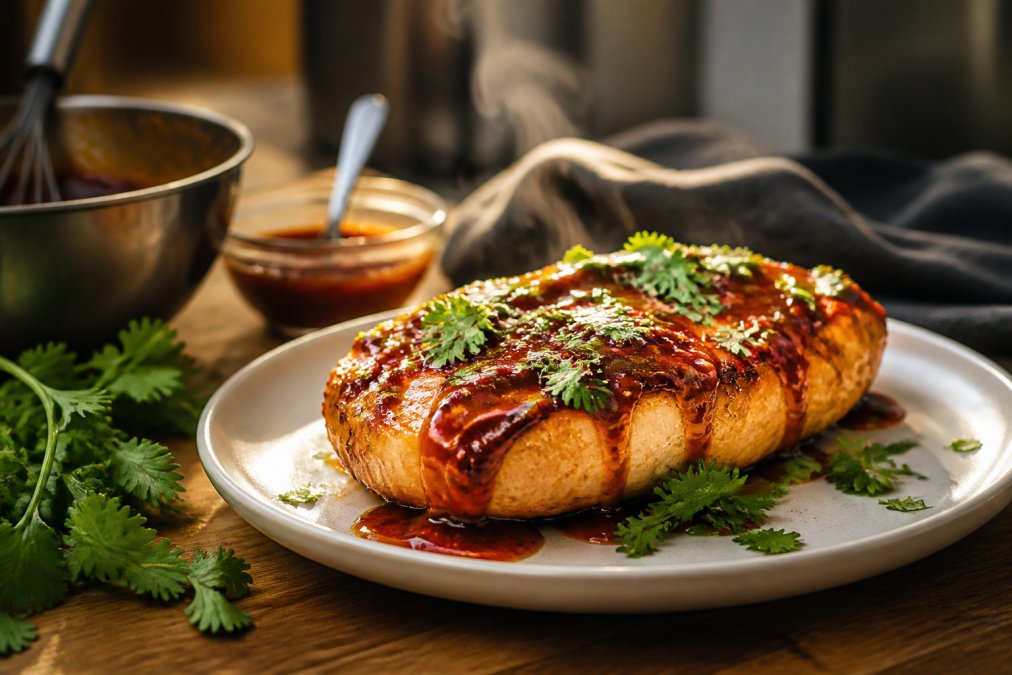
Chicken is the canvas. Without treatment, it's neutral and forgettable. The moment you introduce a spicy sauce with proper technique, it becomes the centrepiece. The key is timing: sauce applied at the right moment penetrates, seasons, and builds layers of flavour throughout cooking, rather than sitting as garnish.
Glazing and Marinating Techniques
Glazing works best during the final stages of cooking, allowing sauce to caramelise and bond with the chicken's surface. Start when chicken is roughly 70% cooked, brush sauce generously across all surfaces. If you're using Spicy Rye's Spicy BBQ Sauce, the smoky depth develops further as it caramelises under heat, creating complexity that raw application never achieves.
Marinating takes a different approach, soaking chicken in sauce before cooking to allow flavours to penetrate deeper. Even 20-30 minutes makes a measurable difference; 2-4 hours develops more pronounced flavour (peer-reviewed research). Avoid oversalting, spicy sauces already contain salt as a preservative. A sauce like Spicy Rye's Original Hot Pepper Sauce brings strong flavour without requiring extra seasoning.
Pairing Heat Levels With Cooking Methods
Different cooking methods interact with spicy sauces differently. Pan-searing demands a sauce that handles direct, intense heat without burning. Spicy BBQ sauce works beautifully because its deeper flavour profile stands up to the Maillard reaction, caramelising rather than scorching.
Baking or roasting is gentler. A citrusy sauce like Spicy Rye's Lemon Pepper Sauce brightens the dish without needing aggressive heat. The acidity cuts through richness, balancing the plate.
Grilling introduces smoke as a flavour component. Your sauce should complement that smokiness, Spicy BBQ Sauce works again here, layering compatible flavours.
Slow cooking is where tropical or fruit-forward sauces shine. A Mango Pepper Sauce adds sweetness and complexity to a long braise, with the sauce's components breaking down and integrating fully over hours.
Balancing Heat and Flavour in Your Kitchen
The best spicy sauces balance heat with actual flavour, acidity, umami, aromatics, and sometimes sweetness working in concert with capsaicin. Capsaicin creates heat sensation, not flavour (peer-reviewed research). A sauce that's all capsaicin is punishment; a sauce that balances heat with complementary flavours becomes a tool.
Taste your sauce before it touches the dish. If heat dominates immediately, use it sparingly as a modulator. If you taste sweetness, acidity, or depth first, with heat arriving later as a complement, you can be more generous.
Start with one tablespoon of sauce per protein serving and taste (usda.gov). Most home cooks oversauce, drowning the dish rather than elevating it.
Acidity is your secret weapon for balancing heat. Spicy sauces with citrus or vinegar components feel less intensely hot because acid tricks your palate. The Lemon Pepper Sauce carries significant heat, but the lemon's brightness makes it feel refreshing rather than aggressive. Pair spicy sauces with acidic elements, fresh lime juice, vinegar-based sides, pickled vegetables, and heat becomes integrated rather than dominant.

Quick Spicy Dinner Recipes for Busy Nights
The entire point of elevating weeknight dinners with spicy sauces is efficiency. You're trading prep complexity for ready-made flavour.
One-Pan Spicy Protein Dishes
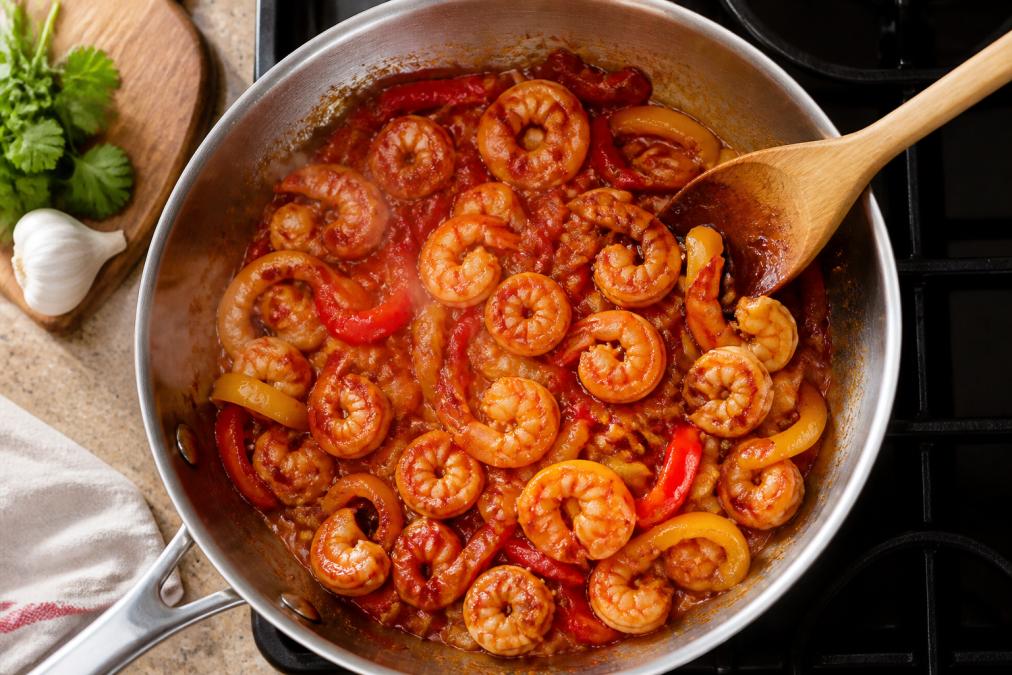
Spicy Shrimp and Peppers works in about 12 minutes. Heat oil in a large pan over medium-high heat. Add sliced bell peppers and cook for 2-3 minutes until they begin to soften. Add shrimp, cooking until they just start to turn pink, roughly 90 seconds per side. Pour in Spicy Rye's Mango Pepper Sauce, tossing everything to coat. Cook for another minute until the shrimp are fully opaque. The sweetness of the mango balances the shrimp's delicate flavour while the heat adds excitement. Serve over rice or with crusty bread.

One-Pan Chicken and Vegetables scales easily. Cut chicken into bite-sized pieces and sauté in oil until golden on the outside, about 5 minutes. Add chopped vegetables (broccoli, carrots, snap peas), cooking for 3-4 minutes. Pour in sauce, Original Hot Pepper Sauce for straightforward heat, or Spicy BBQ Sauce for deeper, smokier notes. Add a splash of water or stock if needed. Simmer for 5-7 minutes until the chicken is cooked through and vegetables are tender.
Meal Prep-Friendly Spicy Sauces
Meal prep thrives on sauces because they're flavour insurance. Cook proteins and vegetables in bulk, then portion them with different sauces throughout the week for variety without repetition. Cook plain chicken, shrimp, or vegetables, then store them separately from sauce. On assembly day, combine portions with your chosen sauce to prevent sogginess and maintain flexibility.
Sauces from Spicy Rye's store well in sealed containers, maintaining flavour throughout the week. Keep them in the fridge and they'll easily last 4-5 days in prepared meals. The acidity and salt content act as natural preservatives.
Batch cooking spicy sauce-based grains works too. Cook a large pot of rice or quinoa, then dress portions with different sauces and proteins. A base of grain plus protein plus sauce plus fresh vegetables creates infinite combinations without cooking multiple meals.
Creative Ways to Use Hot Sauce Beyond the Obvious
Spicy sauces work as cooking ingredients, not just finishing touches.
In salad dressings: Mix Spicy Rye's Lemon Pepper Sauce with olive oil and vinegar for a dressing that brings brightness and heat to greens. The ratio is roughly 1 part sauce to 3 parts oil, adjusted to taste.

As a marinade base: Combine sauce with oil, garlic, and herbs to create a marinade for vegetables or tofu. The sauce provides flavour while the oil helps everything cook evenly.
Stirred into soups: A spoonful of Spicy BBQ Sauce stirred into tomato soup adds depth without aggressive heat. The smoky notes complement the tomato's natural acidity.
Mixed into yoghurt for dipping: Combine sauce with plain yoghurt and a squeeze of lemon. The dairy mellows the heat while the sauce provides flavour.
As a glaze for roasted vegetables: Toss roasted root vegetables or broccoli with sauce in the final minute of cooking. The heat caramelises slightly, creating a flavourful coating.
Stirred into butter for finishing: Whisk a small amount of sauce into softened butter, then place a pat on top of grilled fish or steak. As it melts, the sauce distributes evenly.
Selecting the Right Spicy Sauce for Your Meal
Choice matters. Start by considering the dish's primary flavour profile. A dish built around grilled meat with smoke flavour needs a sauce that honours that, Spicy BBQ Sauce is purpose-built for this, its smoky depth layering naturally with grilled char.
A seafood dish needs brightness and acidity. The Lemon Pepper Sauce works because its citrus cuts through richness while the heat adds complexity without overwhelming delicate flavours.
Consider the cooking method. Pan-searing and grilling can handle sauces with deeper flavours because direct heat develops them further. Steaming or poaching needs a sauce that carries flavour on its own, a tropical sauce like Mango Pepper brings enough character to stand alone.
Think about heat tolerance. If cooking for mixed tolerances, use sauce as a modulator, adding it to individual portions rather than the whole dish.
Quality matters more than brand loyalty. A premium sauce made with real ingredients and balanced flavour profiles will outperform a cheap alternative. Read the ingredient list, look for recognisable ingredients: peppers, spices, vinegar, salt. That's what tells you you're getting actual flavour rather than chemical approximation.
Conclusion
Elevating weeknight dinners with spicy sauces isn't about becoming a better cook, it's about working smarter. A quality sauce compresses flavour development into seconds, turning ordinary ingredients into genuinely interesting meals.
Spicy Rye's sauces are designed for exactly this purpose. Crafted with premium ingredients and balanced flavour profiles ranging from fiery heat to smoky sweetness, they transform simple proteins and vegetables into meals worth eating. Whether you're glazing chicken, finishing a one-pan dish, or mixing into a dressing, you're working with ingredients that deliver unbeatable flavour without compromise.
Start with one sauce that matches your cooking style. The Spicy BBQ Sauce if you grill regularly. The Mango Pepper if seafood is your weeknight go-to. The Lemon Pepper if you want brightness and citrus. Within a few weeks, you'll find yourself reaching for spicy sauces not as an afterthought, but as your first instinct when flavour is needed. That's when weeknight cooking stops feeling like an obligation and starts feeling like something you actually want to do.
Frequently Asked Questions
How can I add flavour to bland chicken using spicy sauces?
Marinate chicken in spicy sauce for 30 minutes before cooking, or brush it on during the final minutes of cooking to build a glaze. For grilled chicken, use sauces with citrus or smoky notes to complement the charred flavour. Drizzle warm sauce over cooked chicken just before serving to preserve the sauce's brightness and heat. Start with a thin coating and adjust based on your heat tolerance.
What are some creative ways to use hot sauce beyond tacos and wings?
Whisk hot sauce into salad dressings, mayonnaise, or yoghurt for dips. Drizzle it over roasted vegetables, soups, or eggs. Mix it into marinades for fish and seafood. Use it as a glaze for grilled cheese sandwiches or stirred into pasta dishes. Hot sauce works brilliantly in batch cooking for midweek meals, add it to slow cooker stews or one-pan dinners to build depth of flavour without extra prep.
How do I balance heat and flavour so meals aren't just fire?
Pair spicy sauces with acidic ingredients like lemon or lime to brighten flavour. Add umami elements such as soy sauce or fermented condiments to ground the heat. Use cooling components like yoghurt, avocado, or fresh herbs. Start with a small amount of sauce and taste as you go. Premium sauces with complex flavour profiles, like mango pepper or smoky BBQ, deliver heat without overwhelming your palate, making them ideal for everyday cooking.
Can I use premium spicy sauces on everyday weeknight dinners, or are they too fancy?
Premium sauces are designed for everyday use. Unlike novelty condiments, quality spicy sauces made with natural ingredients work on simple proteins, salads, and quick-fix meals. A drizzle of lemon pepper sauce on grilled fish or mango pepper on shrimp transforms basic ingredients without requiring extra steps. These sauces are pantry staples that make midweek meals taste restaurant-quality, not special-occasion items.
Shop now at Spicy Rye's and discover how the right sauce transforms your kitchen. Our premium sauces, crafted with quality ingredients and bold flavour profiles, are designed to elevate every meal. Find your perfect match and start cooking weeknight dinners that actually taste remarkable.
This article was written using GrandRanker