

Table of Contents
- The Best Natural Spicy Condiments to Buy Online
- Hottest Sauces Available Now
- Best Organic Chilli Sauce for Everyday Cooking
- Premium Chilli Vinegars: Traceable Sourcing and Authentic Flavour
- How to Identify High-Quality Natural Spicy Condiments
- Storage and Shelf Life for Maximum Freshness
- Conclusion
Last Updated: August 24, 2026
The Best Natural Spicy Condiments to Buy Online
When your kitchen staples feel predictable, the right condiment transforms everything. Natural spicy condiments deliver heat without artificial additives, bringing authentic flavour to weeknight dinners and special meals alike. Whether you're exploring fiery sauces, aromatic vinegars, or hand-selected chilli blends, buying natural spicy condiments online opens access to premium options you won't find in supermarket aisles.
The difference between a mass-produced hot sauce and a craft-made condiment isn't just taste, it's ingredient integrity. Many home cooks discover that once they've experienced traceable sourcing and unadulterated peppers, the generic alternatives feel hollow by comparison. This guide covers the best natural spicy condiments available to order online, how to identify quality, and what actually matters when you're choosing between options.
Quick Comparison Table
| Product | Type | Heat Level | Starting Price | Best For |
|---|---|---|---|---|
| Original Hot Pepper Sauce | Sauce | Medium-Hot | £7.95 | Everyday cooking, tacos, marinades |
| Ghost Pepper Sauce | Sauce | Extra Hot | £7.95 | Heat enthusiasts, wings, barbecue |
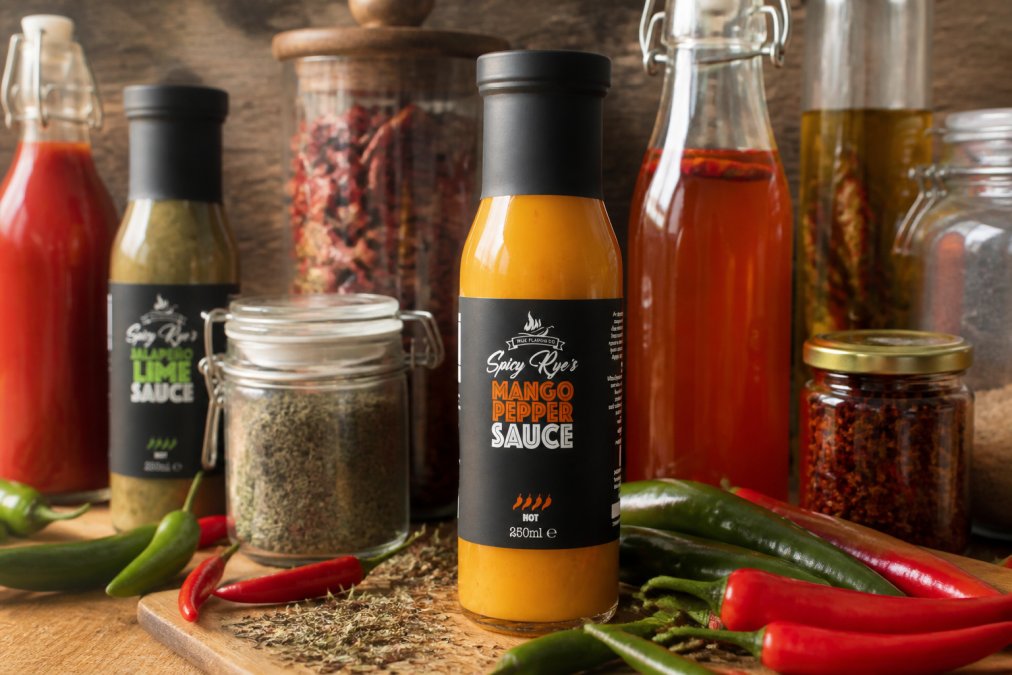
| Mango Pepper Sauce | Sauce | Medium | £7.95 | Seafood, tropical dishes, dressings |
| Hot Honey Pepper Sauce | Sauce | Medium | £6.95 | Pizza, fried chicken, cheese boards |
| Habanero Vinegar | Vinegar | Medium-Hot | £6.95 | Marinades, dressings, sauces |
| Very Hot Pepper Sauce | Sauce | Extreme | £9.95 | Experienced spice lovers, challenges |
| Very Hot Pepper Sauce - Black Edition | Sauce | Extreme | £11.95 | Ultimate heat seekers, extreme challenges |
Hottest Sauces Available Now
The hottest sauces push beyond everyday heat into territory reserved for serious chilli enthusiasts. These aren't condiments you drizzle casually, they're intense experiences designed for those who've built genuine spice tolerance.

Spicy Rye's Very Hot Pepper Sauce combines Carolina Reaper, Ghost Pepper, Habanero, and Scotch Bonnet peppers into a single bottle. At £9.95, this sauce targets the experienced palate. Each drop carries formidable heat while maintaining enough flavour complexity that it's not just a burn for the sake of burning. A few drops transform chilli, stews, and marinades into genuinely fiery dishes. The thing most guides miss is that extreme heat sauces work best when used sparingly, a teaspoon in a pot of chilli is enough, not a tablespoon.
For those who've conquered the Very Hot and want something genuinely extreme, the Very Hot Pepper Sauce - Black Edition (£11.95) stands as the hottest creation available. This ultra-intense blend features Carolina Reaper and Ghost Pepper in concentrations that demand respect. It's formulated for heat challenges among seasoned spice lovers, not for casual cooking. A single drop on pizza or wings creates an explosive sensation that tests genuine spice tolerance.

What separates these extreme sauces from novelty products is balance. The peppers aren't just blended for heat, they're selected for how their individual characteristics layer together. The Carolina Reaper brings fruity undertones beneath the burn, while Ghost Pepper adds a sharp, lingering intensity.
Understanding Heat Levels and Scoville Ratings
Heat in chilli peppers is measured on the Scoville scale, a system quantifying capsaicin concentration, the compound responsible for spiciness (the NIH). Understanding where different peppers fall on this scale helps you predict whether a sauce matches your tolerance.
Bell peppers sit at zero Scoville Heat Units (SHU). Jalapeños range from 2,500 to 8,000 SHU. Habaneros jump to 100,000 to 350,000 SHU, marking the boundary where casual cooks often stop. Ghost Peppers reach 855,000 to 1,041,427 SHU, and Carolina Reapers top out around 1,400,000 to 2,200,000 SHU, among the hottest peppers commercially available (peer-reviewed research).
In practice, this means a habanero-based sauce delivers noticeable heat that most people handle comfortably. A ghost pepper sauce creates genuine intensity that lingers. Carolina Reaper products are genuinely extreme and not appropriate for anyone still developing spice tolerance. The progression matters because jumping from jalapeño-level heat to ghost pepper level creates a dramatic shift, not a gradual climb.
Scoville ratings don't tell the whole story, though. Pepper variety, growing conditions, ripeness at harvest, and processing methods all influence how heat registers on your palate. A well-made sauce with lower-SHU peppers sometimes feels hotter than poorly balanced extreme-heat sauce because the heat is delivered more effectively.
Best Organic Chilli Sauce for Everyday Cooking
Not every meal calls for extreme heat. The best chilli sauce for everyday cooking delivers genuine flavour and useful spice without overwhelming delicate dishes or requiring tiny portions to avoid overpowering your meal.
Spicy Rye's Original Hot Pepper Sauce (£7.95) functions as the reliable workhorse. This sauce brings serious heat with strong flavour that ignites any dish without pushing into territory that requires heat tolerance. It's formulated for people who want authentic pepper punch, not timid heat, but not extreme either. The flavour profile works across tacos, marinades, grilled meats, and even breakfast dishes. A tablespoon in scrambled eggs or avocado toast adds genuine zing without requiring you to reach for water.
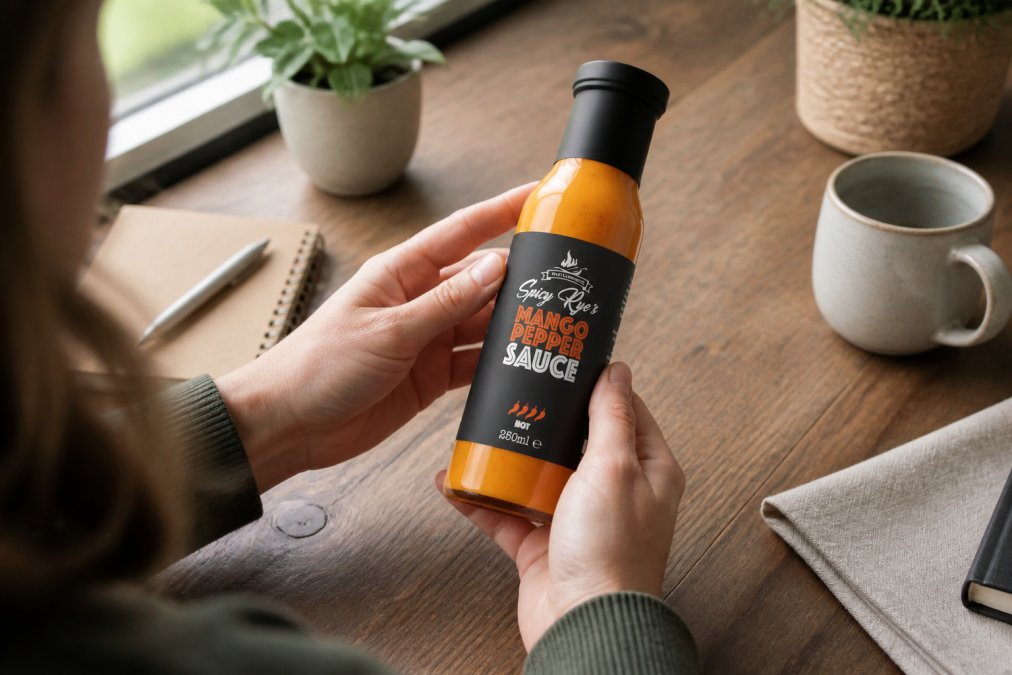
The Mango Pepper Sauce (£7.95) addresses a different everyday need, situations where you want heat plus flavour complexity. The tropical sweetness of ripe mango balances peppery bite, creating a sauce that enhances seafood, works in salad dressings, and transforms simple grilled chicken. This is the sauce you use when you want your guests to ask what you added, not just feel the heat.

For those who genuinely prefer milder spice, the Hot Honey Pepper Sauce (£6.95) delivers heat through sweetness rather than raw capsaicin intensity. Golden honey combined with fiery peppers creates sticky, spicy drizzle perfect for fried chicken, pizza, or cheese boards. The heat arrives gradually, backed by sweetness that makes it approachable even for people who don't consider themselves spice enthusiasts.
What separates everyday sauces from novelty products is versatility. A good everyday condiment works on multiple dishes without requiring you to completely change how you cook. It should enhance, not dominate. It should be something you reach for regularly, not just for special occasions.
Premium Chilli Vinegars: Traceable Sourcing and Authentic Flavour
Chilli vinegars occupy a different culinary space than sauces. They're more versatile in some ways, you can use them in dressings, marinades, and sauces, while being less suitable for direct application. Premium vinegars with traceable sourcing deliver authentic flavour that reflects the specific peppers used.
Spicy Rye's Habanero Vinegar (£6.95) infuses the intense heat and fruity notes of habanero peppers into tangy vinegar. This works beautifully in marinades for fish or chicken, brightens salad dressings, and adds fiery depth to homemade hot sauces. The habanero's fruity undertones come through clearly, making this vinegar more than just heat delivery. A quality vinegar should taste like the pepper it's made from, not like generic spicy liquid.
The Scotch Bonnet Vinegar (£6.95) brings vibrant heat and fruity undertones characteristic of Caribbean peppers. Scotch Bonnet brings a tropical twist that works particularly well in marinades for Caribbean-inspired dishes, though it functions equally well in any context where you want bold, spicy kick. The fruity profile makes it suitable for dressings where you want complexity alongside heat.
For those seeking smoky depth, the Chipotle Vinegar (£6.95) captures the rich, earthy flavour of chipotle peppers. Unlike fresh chillies, chipotles are smoked, lending a completely different character. This vinegar works as a finishing touch on grilled meats, in barbecue sauces, and anywhere you want smoky spice rather than bright heat.
The difference between premium vinegars and standard versions comes down to pepper selection and processing. A vinegar made from hand-selected, small-batch peppers tastes distinctly different from one made from commodity chillies. Traceable sourcing means you know where the peppers came from, how they were grown, and how they were processed, information that directly affects flavour.
How to Identify High-Quality Natural Spicy Condiments
Quality indicators separate premium condiments from products that prioritize cost over craftsmanship. Learning what to look for prevents disappointment and helps you justify the price difference when you're comparing options.
Start with the ingredient list. Unadulterated, plant-based condiments contain peppers, vinegar or oil base, and perhaps salt and spices, nothing more. If you see thickeners, artificial flavourings, preservatives, or ingredient lists longer than five items, you're looking at a processed product, not a natural one. Many brands claim "natural" while hiding additives in technical names. Reading the full list takes thirty seconds and reveals whether you're actually buying what the label promises.
Colour consistency matters more than you'd expect. A sauce that looks unnaturally bright red or uniform throughout often contains food colouring or excessive processing. Natural sauces show colour variation reflecting the actual peppers used. Habanero vinegars should look distinctly different from ghost pepper sauces, not identical except for the label.
Packaging design signals commitment to quality. Glass jars cost more than plastic, but they protect flavour better and signal that the producer expects you to keep the product for months, not weeks. Hand-written labels or small-batch numbering suggests artisanal production rather than industrial scaling. These details matter because they reflect how seriously the producer takes their work.
Check for certifications where relevant. Organic certification requires third-party verification of farming practices. Fair Trade certification confirms ethical sourcing. These certifications cost money and require documentation, so their presence indicates genuine commitment rather than marketing claim.
Taste before committing to bulk purchases when possible. Many online retailers offer sample sizes or smaller jars at lower prices specifically so you can verify quality matches the description. A sauce that tastes like actual peppers, not artificial heat, justifies premium pricing. One that tastes thin or one-dimensional suggests you're paying for branding, not quality.
Storage and Shelf Life for Maximum Freshness
How you store natural spicy condiments directly affects how long they maintain peak flavour. Unlike products loaded with preservatives, natural condiments require more deliberate care.
Most unopened natural sauces and vinegars remain stable for 12-24 months when stored in cool, dark conditions (the FDA). Once opened, the timeline shortens significantly. An opened jar kept in a standard kitchen cupboard typically stays fresh for 3-6 months depending on storage conditions and product composition. Vinegar-based products last longer than oil-based ones because acidity provides natural preservation. A jar stored in the fridge after opening extends shelf life to 6-12 months.
Temperature consistency matters more than absolute temperature. Condiments stored in a cool, dark cupboard away from direct sunlight and heat sources maintain quality longer than those kept near the stove or in fluctuating temperatures. A cupboard away from the oven is better than the fridge if you use the product regularly, temperature swings from opening and closing the fridge can degrade quality faster than stable room temperature.
For vinegar-based products specifically, a sealed jar in a cool cupboard stays fresh for years. The acidity prevents spoilage. However, once opened, vinegars absorb flavours and aromas from the kitchen environment, so sealing properly between uses matters. A condiment that's been open for six months but kept sealed stays fresher than one left with a loose cap for two weeks.
Oil-based products require different handling. Natural oils can go rancid, especially if exposed to heat or light. These products benefit from refrigeration after opening, though they may thicken in cold conditions. This is normal and reversible, simply let the jar sit at room temperature for an hour before use.
The best practice is simple: buy smaller jars if you don't use condiments frequently. A jar that sits unopened for a year loses some vitality compared to one consumed within three months. Premium ingredients deserve to be used while they're at their best, not stored indefinitely waiting for the perfect occasion.
Natural spicy condiments elevate your cooking when you choose products made with genuine ingredients and authentic flavour. Spicy Rye's offers a bold collection of premium sauces and vinegars designed to transform your home cooking, from the everyday Original Hot Pepper Sauce (£7.95) to the extreme Very Hot Pepper Sauce - Black Edition (£11.95). Each product delivers unbeatable flavour through carefully selected peppers and minimal processing. Discover the perfect addition to your pantry by exploring the full range of sauces, vinegars, and blends, and experience how quality condiments genuinely change what you cook.
=== FAQ ANSWERS (audit these too, same rules) ===
[1] Q: How do I know if a natural spicy condiment is actually high-quality? A: Check the ingredient list for recognisable, plant-based items like whole peppers, garlic, and spices rather than oleoresins or essences. Look for certifications where relevant. High-quality producers list their sourcing information and provide traceable provenance details. Avoid products with preservatives, artificial additives, or vague ingredient descriptions. Reputable brands offer transparency about their pepper sources and production methods.
[2] Q: What's the difference between hottest sauces available and everyday chilli sauce? A: Hottest sauces use extreme-heat peppers like Carolina Reaper or Ghost Pepper, measured on the Scoville scale at 800,000+ units. These are designed for heat challenges or small-quantity use. Everyday chilli sauces use milder peppers like habanero or jalapeño, offering flavour-forward heat that complements meals without overwhelming the palate. Choose everyday options if you want versatile condiments for regular cooking; select extreme-heat sauces only if you're an experienced spice enthusiast.
[3] Q: Are natural spicy condiments preservative-free, and how long do they last? A: Genuine natural spicy condiments contain no chemical preservatives, relying instead on the natural antimicrobial properties of peppers, vinegar, and salt. Most sealed jars stay fresh for 12-24 months when stored in a cool, dark cupboard. Once opened, refrigerate and use within 2-3 months for optimal flavour. Always check the label for best-before dates and storage instructions, as artisanal products vary. Proper storage maintains the authentic flavour profile and freshness.
[4] Q: Can I use premium spicy condiments on everyday meals, or are they just novelty items? A: Premium natural spicy condiments are designed for versatile, everyday use. Drizzle hot honey sauce on pizza or fried chicken, add chilli vinegar to salad dressings and marinades, or use organic pepper sauces on tacos, grilled meats, and breakfast dishes. The range from mild to extreme heat means there's an option for every palate and meal type. These are authentic pantry staples, not novelties, crafted to elevate routine cooking with authentic flavour and quality ingredients.
Frequently Asked Questions
How do I know if a natural spicy condiment is actually high-quality?
Check the ingredient list for recognisable, plant-based items like whole peppers, garlic, and spices rather than oleoresins or essences. Look for certifications where relevant. High-quality producers list their sourcing information and provide traceable provenance details. Avoid products with preservatives, artificial additives, or vague ingredient descriptions. Reputable brands offer transparency about their pepper sources and production methods.
What's the difference between hottest sauces available and everyday chilli sauce?
Hottest sauces use extreme-heat peppers like Carolina Reaper or Ghost Pepper, measured on the Scoville scale at 800,000+ units. These are designed for heat challenges or small-quantity use. Everyday chilli sauces use milder peppers like habanero or jalapeño, offering flavour-forward heat that complements meals without overwhelming the palate. Choose everyday options if you want versatile condiments for regular cooking; select extreme-heat sauces only if you're an experienced spice enthusiast.
Are natural spicy condiments preservative-free, and how long do they last?
Genuine natural spicy condiments contain no chemical preservatives, relying instead on the natural antimicrobial properties of peppers, vinegar, and salt. Most sealed jars stay fresh for 12-24 months when stored in a cool, dark cupboard. Once opened, refrigerate and use within 2-3 months for optimal flavour. Always check the label for best-before dates and storage instructions, as artisanal products vary. Proper storage maintains the authentic flavour profile and freshness.
Can I use premium spicy condiments on everyday meals, or are they just novelty items?
Premium natural spicy condiments are designed for versatile, everyday use. Drizzle hot honey sauce on pizza or fried chicken, add chilli vinegar to salad dressings and marinades, or use organic pepper sauces on tacos, grilled meats, and breakfast dishes. The range from mild to extreme heat means there's an option for every palate and meal type. These are authentic pantry staples, not novelties, crafted to elevate routine cooking with authentic flavour and quality ingredients.
This article was written using GrandRanker