

Table of Contents
- Understanding Chilli Jam: Flavour Profile and Heat Intensity
- How to Make a Chilli Jam Glaze for Roasted Meats and Vegetables
- Chilli Jam Marinade Recipes for Chicken, Pork and Fish
- Using Chilli Jam in Salad Dressings and Cold Applications
- Chilli Jam in Everyday Cooking: Pasta, Gravy, Stir-Fries and Casseroles
- Balancing Heat and Flavour: Techniques for Every Palate
- Storage, Shelf-Life and Making Your Jar Last
- Conclusion
Last Updated: August 17, 2026
Understanding Chilli Jam: Flavour Profile and Heat Intensity
Chilli jam is a thick, spiced condiment that bridges sweet and savoury, delivering both heat and depth. Unlike hot sauce, it offers a concentrated flavour profile with preserve-like texture. The balance of caramelised sugar, fresh chilli heat, and aromatic spices creates a versatile ingredient across dozens of dishes.
At Spicy Rye's, we've crafted chilli jam to work as both a standalone condiment and cooking ingredient. It functions as a flavour amplifier, adding complexity, not just heat. Most home cooks treat it like hot sauce, adding a dollop to finished dishes. That works, but you're missing the real potential.
Heat intensity varies depending on chilli varieties used. Some formulations lean toward gentle warmth with pronounced sweetness, while others deliver serious spice. Before cooking, taste a small spoonful straight from the jar to determine whether you're working with something requiring cautious incorporation or something that can take centre stage.
The flavour profile typically includes caramelised sugar, garlic, ginger, and vinegar. These components mean chilli jam plays well with both rich proteins and fresh vegetables. The acidity cuts through fatty dishes, while sweetness balances genuinely spicy applications.
How to Make a Chilli Jam Glaze for Roasted Meats and Vegetables
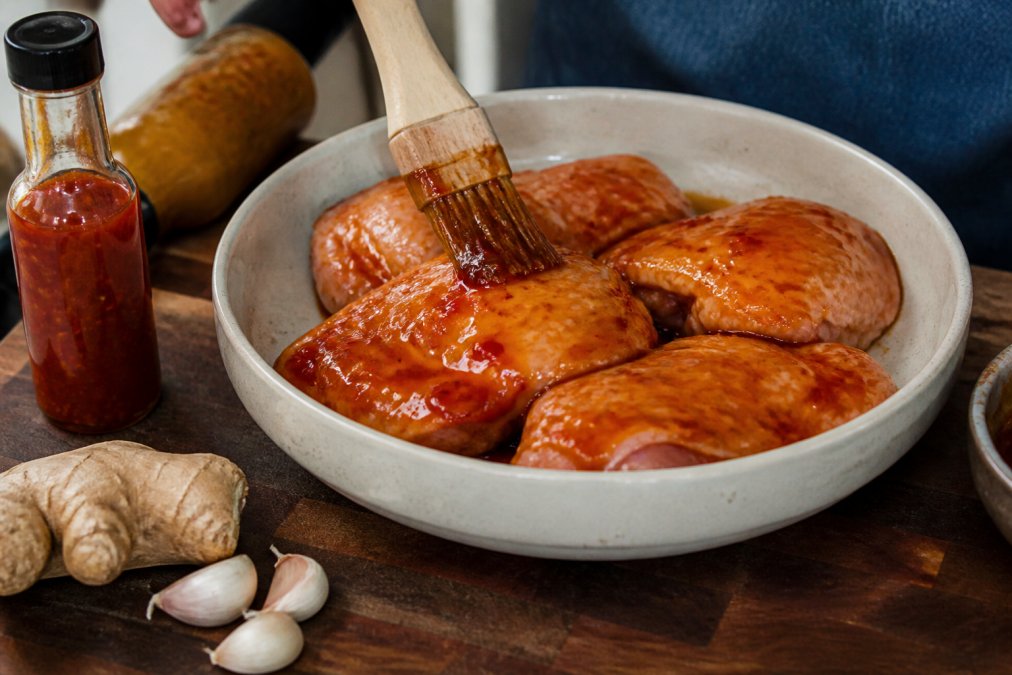
Creating a chilli jam glaze transforms roasted meats and vegetables from ordinary to exceptional. The glaze technique works because chilli jam's natural viscosity clings to food surfaces, caramelising slightly under heat.
Basic Glaze Method:
- Remove your roasted meat or vegetables from the oven when they're about 80% cooked (roughly 10-15 minutes before they'd normally finish).
- Thin your chilli jam slightly with balsamic vinegar or water, using roughly one part liquid to three parts jam.
- Brush the glaze generously over the meat or vegetables using a pastry brush.
- Return to the oven for the final 10-15 minutes, basting once more halfway through.
- The glaze should develop a glossy, slightly caramelised appearance.
For chicken, this glaze works brilliantly on thighs and drumsticks. The darker meat handles the sweetness better than breast meat, and higher fat content means the glaze adheres properly. For pork roasts, the natural sweetness complements pork's richness without overwhelming it. Root vegetables, parsnips, carrots, and beetroot, take on remarkable depth when glazed with chilli jam. The heat softens as vegetables caramelise, becoming almost savoury rather than aggressively hot.
The key mistake is applying the glaze too early. If brushed on more than 15 minutes before the meat finishes cooking, sugars can burn, leaving a bitter taste.
Chilli Jam Marinade Recipes for Chicken, Pork and Fish
Using chilli jam as a marinade base creates deeply flavoured proteins. The jam's viscosity clings to meat surfaces, and natural acidity from vinegar helps tenderise whilst infusing flavour.
Chilli Jam Chicken Marinade:
Mix three tablespoons of chilli jam with two tablespoons of soy sauce, one tablespoon of rice vinegar, and two crushed garlic cloves. Coat chicken pieces thoroughly and refrigerate for at least 4 hours, ideally overnight. Remove the chicken 30 minutes before cooking to bring it to room temperature.
Pork Marinade with Depth:
Combine four tablespoons of chilli jam with two tablespoons of Worcestershire sauce, one tablespoon of honey, and three crushed garlic cloves. Add a pinch of smoked paprika for additional complexity. Marinate for 6-8 hours. The honey adds extra caramelisation when the pork hits the pan or grill.
Fish Marinade, Gentle Heat:
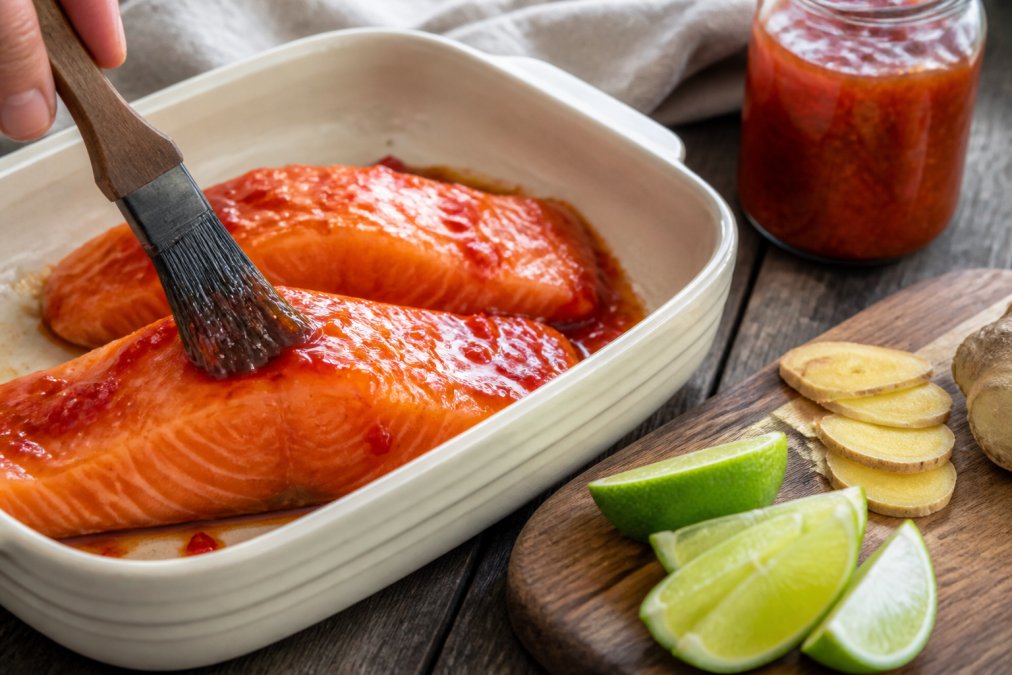
For delicate fish like salmon or sea bass, mix two tablespoons of chilli jam with one tablespoon of lime juice, one tablespoon of coconut milk, and one teaspoon of grated ginger. Marinate for just 30-60 minutes. The coconut milk softens the heat, making this ideal for heat-sensitive eaters.
Start with three to four tablespoons of chilli jam per 500g of meat, then adjust upward only if you want more heat.
Using Chilli Jam in Salad Dressings and Cold Applications
Chilli jam transforms salad dressings into something genuinely memorable. The sweetness and heat work beautifully with bitter greens, and the jam's thickness means it clings to leaves far better than thin dressings.
Simple Chilli Jam Vinaigrette:
Whisk together one tablespoon of chilli jam, two tablespoons of extra virgin olive oil, one tablespoon of red wine vinegar, and one teaspoon of Dijon mustard. The mustard acts as an emulsifier. This dressing particularly shines on peppery leaves like rocket or watercress, where the heat cuts through the peppery bite.
Creamy Chilli Jam Dressing:
Combine one tablespoon of chilli jam with three tablespoons of Greek yoghurt, one tablespoon of lime juice, and one crushed garlic clove. This creates a thicker dressing perfect for heartier salads with grains or roasted vegetables.
Chilli jam also works as a dipping sauce for charcuterie boards. Serve a dollop alongside soft cheeses for heat and sweetness that complements creamy textures. Mix it into cream cheese as a sandwich spread, or use it as a topping for avocado toast. The sweetness prevents the heat from feeling aggressive in cold applications.
Chilli Jam in Everyday Cooking: Pasta, Gravy, Stir-Fries and Casseroles
Chilli jam proves its everyday versatility in dishes most home cooks prepare regularly.
Pasta Applications:
Stir one tablespoon of chilli jam into finished pasta sauce. The jam adds sweetness that balances acidity, and the heat creates a spicy kick that feels intentional. For creamy pasta sauces, the chilli jam cuts through richness, preventing heaviness.
Gravy Enhancement:
Stir one to two tablespoons into your finished gravy. The jam dissolves smoothly, creating a spicy kick that pairs brilliantly with roasted meats, particularly pork and duck.
Stir-Fry Integration:
Use chilli jam as your primary flavouring agent. Heat one tablespoon in a wok, add aromatics (garlic and ginger), then add vegetables and protein. The jam creates a glossy coating that clings to ingredients, and heat builds naturally as cooking progresses.
Casserole Depth:
Stir chilli jam into slow cooker casseroles during the final 30 minutes of cooking. The jam dissolves into the braising liquid, adding sweetness and heat without harsh edges. For bolognese, add one tablespoon to the finished sauce. For chilli con carne, use it as part of your flavouring base.
Start with one tablespoon per serving, taste, and adjust upward only if needed.
Balancing Heat and Flavour: Techniques for Every Palate
Learning to balance heat with other flavour elements ensures you can use chilli jam confidently regardless of your guests' preferences.
Cooling Agents:
Dairy products are your primary heat-reduction tool. A dollop of sour cream, Greek yoghurt, or crème fraîche instantly softens heat perception whilst adding richness. Coconut milk offers another cooling option, particularly useful in Asian-inspired dishes.
Sweetness as Balance:
If a dish feels too hot, adding sweetness often feels more natural than adding heat-reducing agents. A teaspoon of honey or maple syrup can transform a dish from uncomfortably spicy to pleasantly warming.
Acid Management:
Vinegar, lime juice, and lemon juice increase heat perception, making spice feel sharper. If cooking for heat-sensitive eaters, reduce acidic ingredients when using chilli jam.
Protein and Fat as Buffers:
Serving chilli jam-based dishes alongside protein-rich or fatty foods naturally reduces heat perception. Serve spicy dishes with rice, bread, or creamy sides.
Gradual Introduction:
When cooking for mixed heat tolerances, add chilli jam gradually during cooking rather than all at once. Start with half your intended amount, taste, and add more if needed.
Heat tolerance is contextual. The same person might handle serious spice in a curry but prefer gentleness in a salad dressing. Ask your guests about preferences before cooking.
Storage, Shelf-Life and Making Your Jar Last
Proper storage ensures your chilli jam maintains quality throughout its shelf-life. Most commercially produced chilli jams are shelf-stable due to their sugar and vinegar content.
Before Opening:
Store unopened jars in a cool, dark place away from direct sunlight. Properly stored, sealed jars typically remain good for 12-18 months, with optimal flavour within the first 12 months.
After Opening:
Once opened, store chilli jam in the refrigerator. An opened jar typically stays fresh for 4-6 weeks. Always use a clean spoon when removing chilli jam from the jar. Never double-dip or leave a used spoon in the jar.
Extending Shelf-Life:
Transfer chilli jam to smaller containers if you won't finish a large jar quickly. You can also freeze chilli jam in ice cube trays, then transfer frozen cubes to freezer bags. Frozen chilli jam keeps for several months.
Signs of Spoilage:
Watch for mould growth, fermentation bubbles, or unusually strong vinegary smell. A slight colour darkening over time is normal. Most home cooks will finish a jar long before spoilage becomes an issue.
Chilli jam transforms everyday cooking into something with genuine flavour depth. Whether you're glazing roasted meats, creating marinades, enhancing gravies, or adding complexity to pasta sauces, this versatile condiment delivers results that feel far more sophisticated than the effort required.
The techniques covered here work because they respect chilli jam's concentrated flavour profile whilst using its unique balance of sweet and savoury. Start with applications that appeal most to your cooking style, then gradually expand your repertoire.
Spicy Rye's chilli jam is crafted specifically for cooking applications. The premium ingredients and balanced flavour profile mean you're adding genuine quality to your dishes. Shop now to discover how a single jar can elevate dozens of meals throughout your year.
Frequently Asked Questions
Can you use chilli jam as a marinade for meat?
Yes. Chilli jam works brilliantly as a marinade base for chicken, pork, beef and fish. Mix a dollop of chilli jam with oil, vinegar and aromatics like garlic and ginger to create a sweet and savory marinade. The sugar content caramelises during cooking, creating a sticky glaze. Marinate for at least 2 hours, or overnight for deeper flavour penetration. The umami and spicy kick transform even simple cuts into restaurant-quality dishes.
How do you balance the heat of chilli jam in a recipe?
Balance chilli heat by pairing it with cooling or creamy elements. Add a spoonful to Greek yoghurt for a dipping sauce, mix into soured cream for a condiment, or stir into gravy with a splash of cream. Acidic ingredients like vinegar or lemon juice also temper the chilli heat. Start with less than you think you need, you can always add more. For those sensitive to spice, combine chilli jam with sweet elements like honey or brown sugar to reduce the perceived heat intensity.
How long does an opened jar of chilli jam last in the fridge?
An opened jar of chilli jam typically lasts 3-4 weeks in the refrigerator if stored properly. Keep it in an airtight jar away from direct light. The sugar content and acidity act as natural preservatives, extending shelf-life. Always use a clean spoon when removing jam to prevent contamination. If you notice mould, off odours or separation that doesn't recombine, discard the jar. Unopened jars last much longer, check the manufacturer's guidance on the label.
Can chilli jam be used in stir-fries?
Absolutely. Chilli jam adds depth to stir-fries without the thinness of liquid hot sauce. Add a spoonful during the final minute of cooking, or toss it through with your vegetables and protein just before serving. The heat intensity and sweet flavour profile work well with Asian aromatics like ginger, garlic and soy sauce. It emulsifies beautifully with the natural juices released by vegetables, creating a glossy coating. For best results, warm the jam slightly before adding so it distributes evenly.
This article was written using GrandRanker