
Table of Contents
- Why Seasoning Matters for Grilled Meat
- How to Season Steak for Grilling
- When to Season Meat Before Grilling
- How Long to Marinate Meat Before Grilling
- Building Your Seasoning Layers
- How to Use Sauce on Grilled Meat
- Common Seasoning Mistakes to Avoid
- Frequently Asked Questions
Last Updated: October 21, 2026
Why Seasoning Matters for Grilled Meat
Properly seasoning grilled meat transforms it from bland to brilliant. The right blend enhances natural flavours, builds depth, and creates that coveted crust that makes people ask for seconds. Without proper seasoning, even premium cuts fall flat on the plate.
The key is understanding that seasoning grilled meat isn't just about salt and pepper. It's about layering flavours at different stages. You build complexity through timing, technique, and the right ingredients.
At Spicy Rye's, our seasoning blends are specifically designed for grilled meats. Our approach focuses on how flavours develop under heat. When you understand this, your grilling transforms completely.
How to Season Steak for Grilling
The ideal approach to season steak for grilling starts with drying the surface. Pat your steak completely dry with paper towels. Moisture prevents proper browning and seasoning adhesion.
Next, apply a light coat of oil. This helps seasoning stick and improves heat transfer. Use neutral oil like vegetable or rapeseed oil.
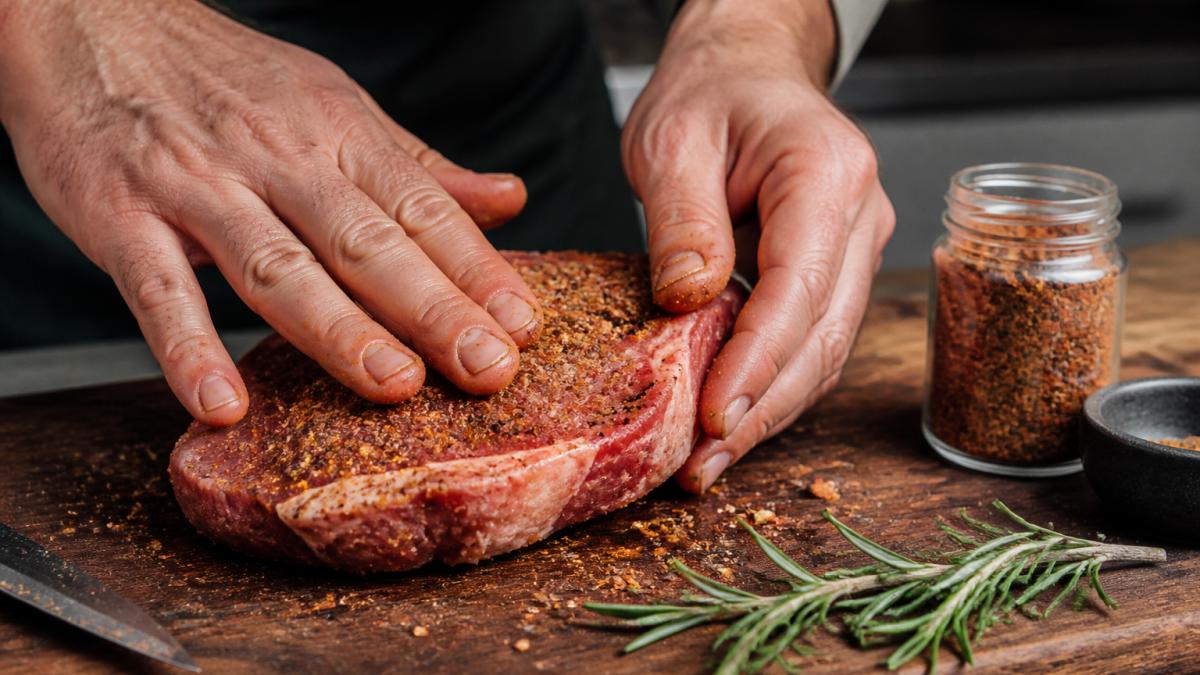
Now comes the seasoning. Sprinkle generously and rub it in with your fingers. Don't be shy. Work the seasoning into every crevice, especially along the edges where the crust forms.
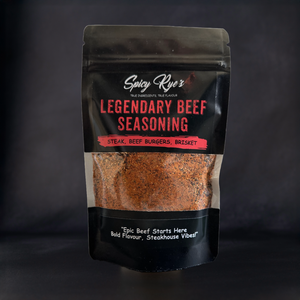
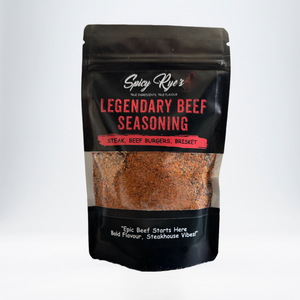
For premium results, try our Legendary Beef Seasoning (£7.95). It combines cracked black pepper for bite, smoky paprika for depth, and fragrant rosemary. The blend creates that steakhouse-quality crust you're after. Simply rub it generously onto your steak and let it rest before grilling.

Alternatively, our Sea Salt & Triple Pepper Seasoning (£7.95) delivers an elegant approach. Three pepper types create complexity. Press it firmly onto the meat surface for maximum flavour.
Let your seasoned steak sit for 30 minutes before grilling. This allows flavours to penetrate the meat, not just coat the surface.
When to Season Meat Before Grilling
Timing changes everything when you season meat before grilling. The question isn't just when, but why timing matters.
Salt works differently depending on timing. Apply it too early and it draws moisture out. Apply it too close to cooking and it sits on the surface. The sweet spot is 40 minutes to 2 hours before grilling.
Here's what happens: salt initially pulls moisture to the surface. Within 40 minutes, the meat reabsorbs that moisture along with the salt. This creates better seasoning penetration than surface-only application.
For dry rubs specifically, 30 minutes minimum gives good results. For marinades and wet seasoning, longer is better. Up to overnight works well for tougher cuts.
Key timing rules:
- Dry rubs: 30 minutes to 2 hours before grilling
- Wet rubs and pastes: 2 to 8 hours before grilling
- Salt-heavy seasonings: avoid applying immediately before cooking
- Pepper and spices: can go on closer to cooking time
The reason this matters: flavour compounds need time to break down and penetrate muscle fibres. Heat accelerates this process, but pre-grilling time gives you a head start.
How Long to Marinate Meat Before Grilling
Marinating extends flavour development beyond what dry rubs alone achieve. Acidic marinades (with vinegar, citrus, or wine) break down proteins and tenderise tougher cuts.
For most marinades, 2 to 4 hours produces noticeable results. Tender cuts like steaks need less time. Tougher cuts like chicken thighs or brisket benefit from 8 to 12 hours.
Going beyond 12 hours can backfire. Over-marinated meat becomes mushy on the surface. The acid continues breaking down proteins, degrading texture rather than improving it.
Marinating guidelines by meat type:
- Tender steaks: 2 to 4 hours
- Chicken breasts: 4 to 6 hours
- Chicken thighs: 6 to 12 hours
- Pork chops: 4 to 8 hours
- Brisket or tough cuts: 8 to 12 hours
- Fish: 30 minutes to 2 hours only
The key is matching marinade intensity to marinating time. A vinegar-heavy marinade works fast. A mild oil-based marinade needs longer.
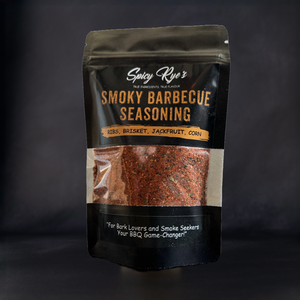
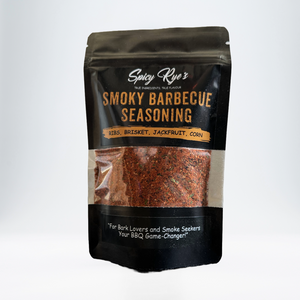
Consider our Smoky Barbecue Seasoning (£7.95) mixed into oil for a wet marinade. The smoky paprika, molasses-rich sugars, and chipotle heat create depth quickly. Mix it with olive oil and apply 4 to 6 hours before grilling.

Building Your Seasoning Layers
The best-seasoned grilled meat uses multiple layers. This creates complexity that single-application seasoning can't match.
Start with a dry rub applied 30 minutes before grilling. This is your foundation. Let it penetrate the meat surface.
Next, consider a wet layer. This might be a paste, marinade, or oil-based blend. Apply this after the dry rub has set. The combination creates different flavour zones within the meat.
Finally, finish with a sauce or glaze applied during the last few minutes of grilling. This adds surface flavour and colour without overwhelming the seasoning layers underneath.
Three-layer seasoning approach:
- Layer 1: Dry rub (30 minutes before)
- Layer 2: Marinade or wet paste (if using, apply before dry rub)
- Layer 3: Finishing sauce (last 2-3 minutes of grilling)
Our Garlic & Herb Seasoning (£7.95) works brilliantly as a foundation layer. It combines bold garlic, fragrant herbs, and citrus zing. Layer it first, then add a sauce on top during the final grilling moments.
The reason layers work: each one adds different flavour compounds. Together they create a complete flavour profile. One seasoning alone, no matter how good, can't deliver the same complexity.
How to Use Sauce on Grilled Meat
Sauce application timing determines whether it enhances or masks your seasoning work. Apply too early and it burns. Apply too late and it doesn't set properly.
The best approach is a two-stage application. Brush sauce on during the final 2 to 3 minutes of grilling. This gives it time to caramelize without burning. The heat creates a glazed finish that looks and tastes professional.
For thick sauces, apply them closer to the end. For thin, liquid sauces, you can apply them slightly earlier. The goal is creating a sticky glaze that clings to the meat.
Never use sauce as your only seasoning. It should enhance the dry rub and marinade underneath, not replace them. This is where many home cooks go wrong. They skip proper seasoning and rely entirely on sauce.
Sauce application steps:
- Season meat properly with dry rub or marinade
- Grill until nearly done (about 80% of cooking time)
- Brush sauce onto all sides
- Grill for 2-3 minutes, turning occasionally
- Brush again if desired
- Remove from heat
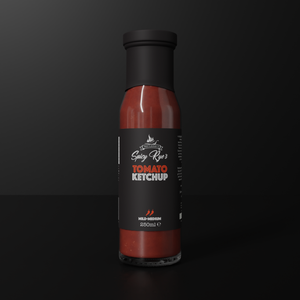
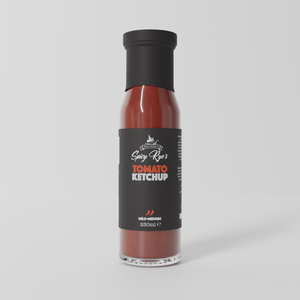
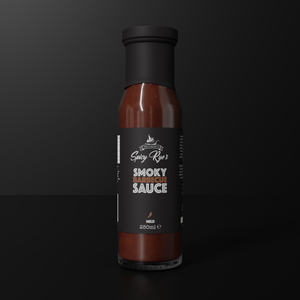
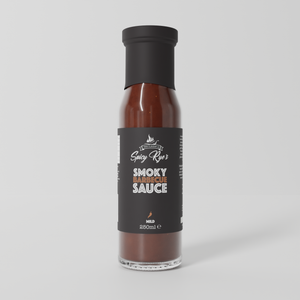
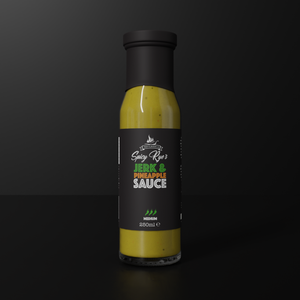
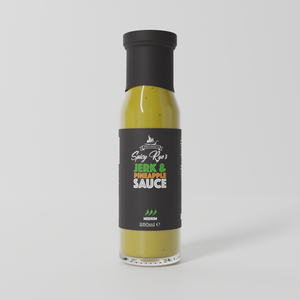
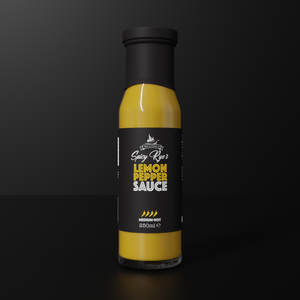
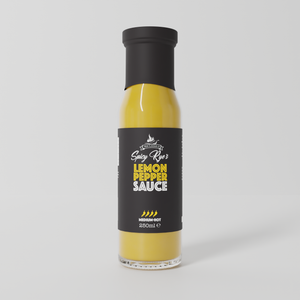
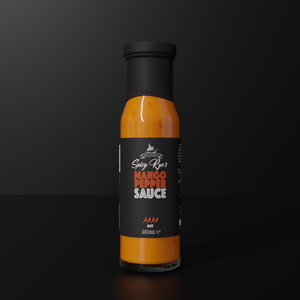
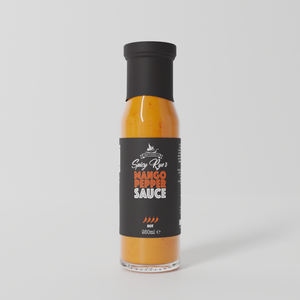
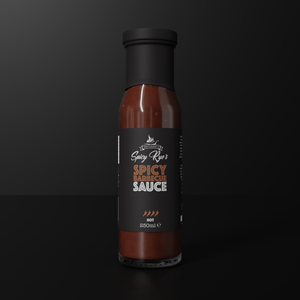
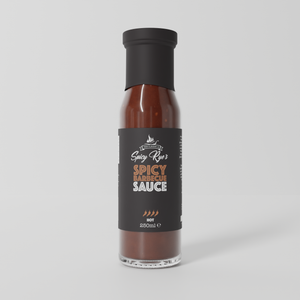
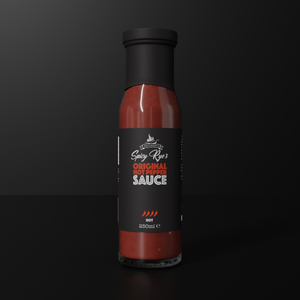
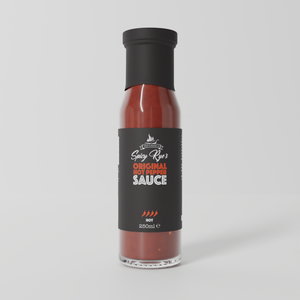
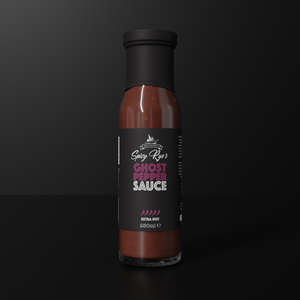
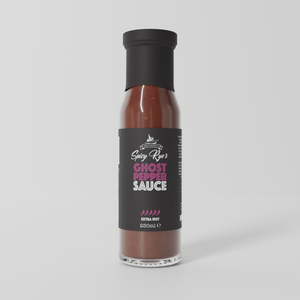
Consider finishing with our premium sauces and chilli vinegars. They add brightness and heat without overwhelming your seasoning layers.
Common Seasoning Mistakes to Avoid
Most grilling mistakes happen through simple oversights. Understanding these prevents frustration and wasted meat.
Mistake 1: Under-seasoning. People fear over-seasoning and end up with bland results. Seasoning should be noticeable. If you can't taste it clearly, you haven't used enough.
Mistake 2: Seasoning too close to cooking. Salt applied moments before grilling sits on the surface. It doesn't penetrate. Wait at least 30 minutes. Better yet, plan ahead and season 1 to 2 hours before.
Mistake 3: Forgetting to pat meat dry. Moisture prevents browning and seasoning adhesion. Always dry your meat thoroughly before seasoning and grilling.
Mistake 4: Using stale seasonings. Old spices lose potency. Replace them annually. Fresh seasonings deliver noticeably better results.
Mistake 5: Applying seasoning unevenly. Thick patches create burnt spots. Thin areas taste bland. Rub seasoning in thoroughly and distribute it evenly across all surfaces.
Mistake 6: Over-marinating. Beyond 12 hours, marinades break down meat texture. Tender cuts especially suffer from extended marinating. Match marinating time to meat type.
Mistake 7: Skipping the finishing layer. Seasoning before cooking is essential. But finishing with a sauce or fresh seasoning just before serving adds brightness that elevates the entire dish.
Seasoning grilled meat properly transforms your results. Start with the right dry rub applied at the right time. Build layers through marinades and finishing sauces. Avoid the common mistakes that derail most home cooks.
The difference between average grilled meat and exceptional grilled meat comes down to seasoning strategy. Our Spicy Rye's seasoning blends make this easier. The Legendary Beef Seasoning, Smoky Barbecue Seasoning, Sea Salt & Triple Pepper Seasoning, and Garlic & Herb Seasoning (each £7.95) are designed specifically for grilled meats. Each delivers the complexity and depth that elevates your cooking from weeknight meals to something genuinely memorable. Shop now and discover how proper seasoning transforms your next grill session.

Frequently Asked Questions
How far in advance should you season meat before grilling?
The timing depends on your seasoning method. Dry rubs work best applied 30 minutes to 2 hours before grilling, allowing flavours to penetrate the surface without drawing out moisture. For marinades, aim for 4 to 24 hours depending on the meat type and marinade strength. Thin cuts like chicken breasts need less time (4-8 hours), whilst thicker cuts like brisket benefit from overnight marinating. Salt is the exception: apply it no more than 40 minutes before cooking to prevent moisture loss.
Should you season meat before or after grilling?
Season before grilling for best results. Applying seasoning beforehand allows flavours to bond with the meat and develop a flavourful crust as it cooks. You can add sauce or glaze during the final minutes of cooking for extra depth. Seasoning after grilling tends to sit on the surface and doesn't integrate as effectively. For premium results, combine pre-grill seasoning with a finishing sauce in the last 2-3 minutes of cooking.
Which seasonings work best for grilled meat?
The best seasonings depend on your meat type. For beef, cracked black pepper, smoked paprika, garlic, and rosemary create a steakhouse-style crust. Pork and chicken pair well with garlic, herbs like thyme and oregano, and a touch of sweetness from brown sugar or molasses. Smoky seasonings like chipotle powder and coffee work brilliantly on ribs and brisket. Premium seasoning blends like Legendary Beef Seasoning (£7.95) or Smoky Barbecue Seasoning (£7.95) combine these elements perfectly, removing the guesswork from flavour building.
How much salt should you use when seasoning meat?
Use approximately 1 teaspoon of salt per 500g of meat as a starting point, adjusting based on your seasoning blend's salt content. If your rub already contains sea salt, reduce added salt by half. Apply salt evenly across all surfaces for consistent flavour. Remember that salt draws moisture from meat if applied too early, so apply dry rubs with salt no more than 40 minutes before cooking. Taste your seasoning blend first to gauge saltiness before committing to the full amount.