
Table of Contents
- Understand the Difference Between Bland and Under-Seasoned
- How to Add Heat to Bland Meals: Starting Points
- How to Add Flavour to Bland Chicken
- How to Spice Up a Bland Curry
- How to Spice Up a Bland Chilli
- Infusing Oil and Creating Homemade Chilli Blends
- Common Mistakes When Adding Heat
- Adjusting Heat to Your Tolerance
- Frequently Asked Questions
Last Updated: October 9, 2026
Understand the Difference Between Bland and Under-Seasoned
Bland food lacks flavour entirely. Under-seasoned food has flavour but needs more salt, acid, or depth. Learning how to add heat to bland meals is essential for transforming forgettable dishes into memorable ones.
A bland dish tastes flat and forgettable. It's not that the salt is missing, it's that nothing stands out. Under-seasoned food tastes like it's almost there, but something's holding it back.
This distinction matters because adding heat to a bland meal is only half the solution. You need both depth of flavour AND the warmth that makes a dish memorable. That's where spice comes in.
Most home cooks confuse these two problems and reach for the same fix. They don't. Bland food needs layers, aromatics, acid, and heat working together.
How to Add Heat to Bland Meals: Starting Points
Adding heat to bland meals transforms a forgettable plate into something worth eating. But the method depends on what you're cooking and how much time you have.
The best approach is to add heat in layers. Start small, taste, then build. This prevents overshooting and keeps the dish balanced.
Know Your Heat Sources and Their Flavour Profiles
Different heat sources bring different flavours. Fresh chillies taste bright and fruity. Dried spices add warmth and depth. Hot sauces bring acid and complexity.
Fresh peppers deliver immediate, clean heat. Jalapeños taste grassy. Habaneros bring fruity warmth.
Dried chillies create lingering warmth. Cayenne is pure heat with little flavour. Kashmiri chilli adds smokiness and colour without overwhelming fire.
Chilli flakes and ground chilli powder are the quickest fix. Red pepper flakes sprinkled on finished dishes add texture and punch.
Hot sauces combine heat with acid and depth. They work as finishing touches on soups, eggs, or grilled meats.
Spice blends like peri peri or sriracha seasoning layer multiple flavours at once.
Measured Starting Amounts for Different Dishes
Start small. You can always add more, but you can't take it back.
Soups and stews: Add 1/4 teaspoon of chilli powder or 2-3 red pepper flakes at a time. These dishes are forgiving because liquid dilutes heat.
Sauces and marinades: Begin with 1/2 teaspoon of ground chilli or cayenne per 250ml of liquid. Mix thoroughly and let it sit for 5 minutes before tasting.
Dry rubs on meat or vegetables: Use 1 tablespoon of seasoning blend per 500g of protein or vegetables. A peri peri seasoning or sriracha rub coats evenly and caramelises beautifully.

Finished dishes: Sprinkle 1/8 teaspoon of red pepper flakes or fresh sliced chilli on top. This gives heat without overwhelming the base flavours.
Infused oils: Start with 2-3 whole dried chillies per 250ml of neutral oil. Steep for 3-7 days, then strain.
How to Add Flavour to Bland Chicken
Chicken is the perfect canvas for heat because its mild flavour won't fight back. The challenge is getting seasoning to stick and penetrate.
Dry Rubs and Seasoning Blends
A dry rub is the fastest way to add flavour and heat to chicken. It creates a crust that caramelises during cooking and locks in spice.
Mix your seasoning blend with a little oil before applying. This helps it adhere to the meat and prevents burning. A peri peri seasoning works beautifully here, the smoked paprika, garlic, and chilli flakes create depth without harshness.
Apply the rub generously to all surfaces. Don't be shy. Let it sit for at least 30 minutes, ideally 2 hours, so the flavours penetrate the meat.
For a quick weeknight dinner, sprinkle a seasoning blend directly onto chicken breasts, press it in gently, and pan-fry over medium heat. The seasoning will stick to the moisture on the surface.
Marinades and Finishing Sauces
Marinades work slowly, infusing flavour deep into the meat. A good marinade combines acid, oil, and spice.
Mix equal parts oil and vinegar or citrus juice. Add your heat source, fresh chillies, chilli powder, or hot sauce. Include aromatics like garlic and onion. Let chicken soak for at least 2 hours, preferably overnight.
The acid tenderises the meat while the spice penetrates. When you cook it, the exterior caramelises and the heat intensifies.
Finishing sauces are faster. Brush a hot sauce or spiced oil onto cooked chicken in the last 2 minutes of cooking. The heat stays bright and the sauce doesn't burn.
How to Spice Up a Bland Curry
Curries are forgiving because they're built on layers of spice. If a curry tastes bland, it usually means the spices haven't had time to bloom or the heat level is too timid.
Adding Heat Mid-Cook Without Bitterness
The key is timing. Add fresh chillies early so they soften and distribute their heat.
Start by blooming your spices. Heat oil in a pan, add cumin seeds or mustard seeds, let them crackle for 30 seconds. Then add garlic and onion.
Once the aromatics are soft, add your main spices, turmeric, coriander, chilli powder. Stir constantly for 1-2 minutes. This prevents burning and helps the spices release their essential oils.
Fresh chillies go in next if you want immediate heat. Slice them lengthways so they infuse the curry without overwhelming it.
Add your main ingredient, meat, vegetables, or lentils, and let everything simmer together. The spices will continue to develop as the liquid reduces.
Fresh Peppers Versus Dried Spices
Fresh peppers bring brightness and fruity warmth. They work best in curries with shorter cooking times, green curries, for example, where the peppers stay vibrant.
Dried spices bring depth and smokiness. They're ideal for slow-cooked curries where flavours need hours to develop. Kashmiri chilli adds colour and gentle warmth. Cayenne brings pure heat.
Use both if you want complexity. Start with dried spices for depth, finish with fresh chillies for brightness.
How to Spice Up a Bland Chilli
Chilli is built on layers of heat and flavour. A bland chilli usually means the spices haven't had enough time to develop or the balance is off.
Building Heat Layers in Slow-Cooked Dishes
Add spice in stages. This prevents one heat source from dominating and lets each layer develop fully.
Start with dried spices bloomed in oil. Add chilli powder, cumin, and smoked paprika. Let them sit in the hot pan for 1-2 minutes so they release their oils.
Add your base, onions, garlic, and tomatoes. Let them soften and meld with the spices. This creates the foundation.
Add your protein and liquid. Let everything simmer for at least 1 hour. As the liquid reduces, the spices concentrate and the flavour deepens.
In the last 20 minutes, add fresh chillies or a hot sauce. This brings brightness and adjustable heat. You can control the final spice level without affecting the base flavours.
| Stage | Heat Source | Timing | Purpose |
|---|---|---|---|
| Early | Dried spices (chilli powder, cumin) | Bloom in oil, 1-2 minutes | Build depth and base warmth |
| Middle | Fresh aromatics | Soften with spices, 5-10 minutes | Meld flavours together |
| Late | Fresh chillies or hot sauce | Last 20 minutes | Add brightness and adjustable heat |
Balancing Heat with Acidity and Sweetness
Heat without balance tastes harsh. Acid cuts through richness and makes heat feel fresher. Sweetness rounds out spice and prevents it from feeling aggressive.
Add acid early. A splash of vinegar or tomato paste in the base helps the spices bloom and cuts through any heaviness. As the chilli simmers, the acid mellows but stays present.
Sweetness comes from tomatoes, beans, or a pinch of sugar. Don't overdo it, you want balance, not sweetness. A teaspoon of sugar can soften harsh heat without making the dish taste sugary.
Taste constantly in the final 30 minutes. Adjust one element at a time. If it's too hot, add more tomato or a splash of cream. If it lacks depth, add a pinch more chilli powder.
Infusing Oil and Creating Homemade Chilli Blends
Infused oils and homemade blends let you control exactly what goes into your seasoning. They're also more economical than buying multiple jars.
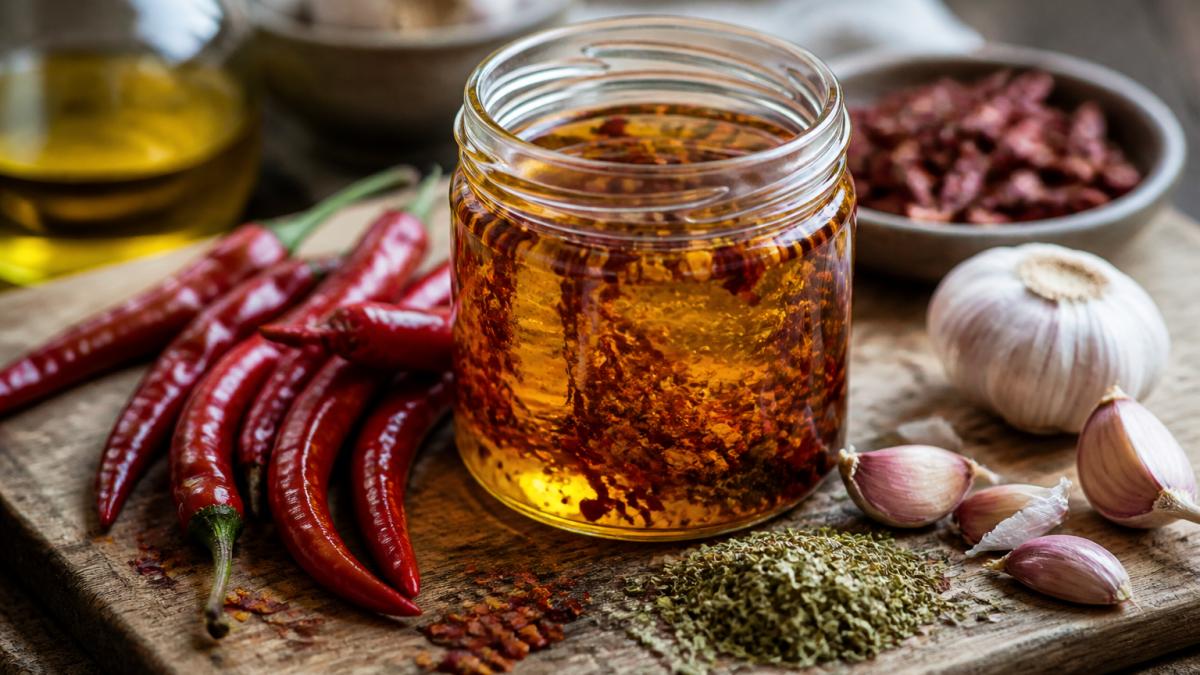
Chilli oil is the simplest infusion. Heat 250ml of neutral oil gently, don't let it smoke. Add 3-5 dried chillies, 2 cloves of garlic, and a sprig of thyme.
Use it as a finishing drizzle on soups, salads, or grilled vegetables. A teaspoon adds heat and richness without overpowering other flavours.
Homemade spice blends let you customize heat levels. Toast whole spices in a dry pan for 1-2 minutes, cumin seeds, coriander seeds, chilli flakes, black peppercorns.
Store in an airtight jar away from light and heat.
Common Mistakes When Adding Heat
Adding heat sounds simple but it's easy to get wrong. Here's what trips up most home cooks.
Adding too much at once. Heat intensifies as dishes cook and liquids reduce. Start with half what you think you need.
Forgetting to balance. Heat without acid tastes aggressive. Heat without sweetness feels one-dimensional.
Using only one heat source. A dish with only chilli powder tastes flat. Combine fresh and dried, add a hot sauce, sprinkle flakes on top. Layers create complexity.
Adding heat too late. If you add spice at the end, it won't meld with other flavours.
Confusing bland with under-seasoned. A bland dish needs heat, acid, and aromatics. An under-seasoned dish just needs salt. Taste first before you reach for the chilli.
Adjusting Heat to Your Tolerance
Heat tolerance is personal. What's perfect for one person is unbearable for another. Build flexibility into your cooking.
Cook the base without heat. Add your spice sources on the side or in the last few minutes. This lets everyone adjust their own plate.
Serve condiments separately. A hot sauce, infused oil, or spice blend on the table lets people control their own heat level. This works especially well for family dinners where tolerance varies widely.
For shared dishes, aim for mild heat in the base, then offer ways to add more.
If you've made something too hot, dilute it. Add more of the main ingredient, more rice, more sauce base, more vegetables. Acid also helps mask excessive heat.
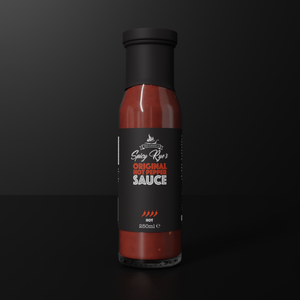
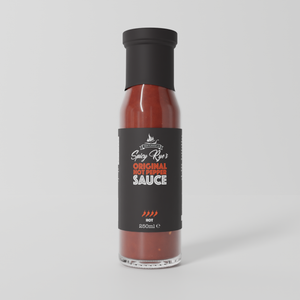
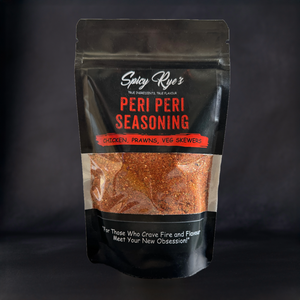
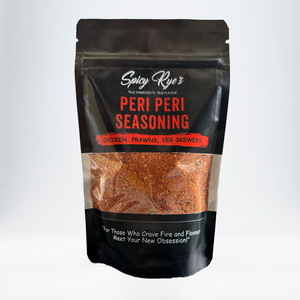
Adding heat to bland meals doesn't require special skills or exotic ingredients. Our Original Hot Pepper Sauce brings serious heat and strong flavour to tacos, grilled meats, and breakfast dishes. For dry rubs, our Peri Peri Seasoning combines smoked paprika, cayenne, and lemon zest to transform chicken, prawns, or vegetables.

Frequently Asked Questions
What's the difference between adding heat and fixing a bland meal?
Bland food lacks seasoning overall, whilst under-spiced food just needs salt and aromatics. Adding heat addresses only spice; if a dish tastes flat despite salt and garlic, it needs acid (vinegar, citrus), sweetness, or umami before heat will help. Always taste and identify what's actually missing before reaching for chilli powder.
How much chilli powder should I add to a pot of soup or stew?
Start with 1/4 teaspoon per litre of liquid, stir well, and taste after 2 minutes. Add another 1/4 teaspoon if needed. This gradual approach prevents overpowering the dish. For finished dishes, sprinkle red pepper flakes or hot sauce at the table so each person can adjust their own heat level without affecting the whole batch.
Can I add heat to bland chicken without making it taste harsh?
Yes. Use seasoning blends with paprika, garlic, and cumin alongside chilli to build flavour depth, not just fire. Dry rubs applied before cooking integrate better than sauce added after. For a finishing touch, Spicy Rye's Original Hot Pepper Sauce brings bold heat with a robust flavour that complements chicken without tasting sharp or one-dimensional.
What's the best way to add heat to a bland curry that's already cooking?
Bloom dried chillies or chilli powder in a neutral oil for 30 seconds before stirring into the cooking liquid. This releases flavour compounds and prevents raw spice taste. Alternatively, add fresh chopped peppers directly to the curry 10 minutes before serving so they soften but keep some texture. Taste and adjust gradually; curry heat builds as it simmers.