
Table of Contents
- What Makes Peri Peri Seasoning So Addictive
- The Heat Scale: Where Peri Peri Sits
- The Flavour Profile: Fruity, Smoky, Zesty
- How to Make Homemade Peri Peri Spice Mix
- Peri Peri Seasoning Uses Beyond Chicken
- The Best Peri Peri Chicken Marinade Recipe
- Choosing a Quality Peri Peri Seasoning
- Storing Your Seasoning for Maximum Freshness
- Frequently Asked Questions
Last Updated: September 26, 2026
What Makes Peri Peri Seasoning So Addictive
Peri peri seasoning is a fiery, aromatic spice blend built on chilli, citrus, garlic and smoked paprika, and its appeal comes down to how those flavours interact. This guide from Spicy Rye's breaks down the heat, the flavour architecture, and how to use it properly.

The blend's moreish quality is no accident. Capsaicin, the compound behind chilli heat, triggers a mild endorphin response that keeps people coming back, while the lemon and vinegar notes cut through fat and reset your palate between bites. That combination of heat, acid and smoke is why the seasoning works on so many dishes.
Below, we'll cover where peri peri sits on the heat scale, and the marinade method that produces the best grilled chicken.
The Heat Scale: Where Peri Peri Sits
Peri peri sits in the medium-to-hot range, typically between 30,000 and 70,000 Scoville Heat Units (SHU) when made with bird's eye chillies. That places it well below a ghost pepper but comfortably above a standard jalapeño. The Scoville scale measures capsaicin concentration, and the chilli you choose determines everything.
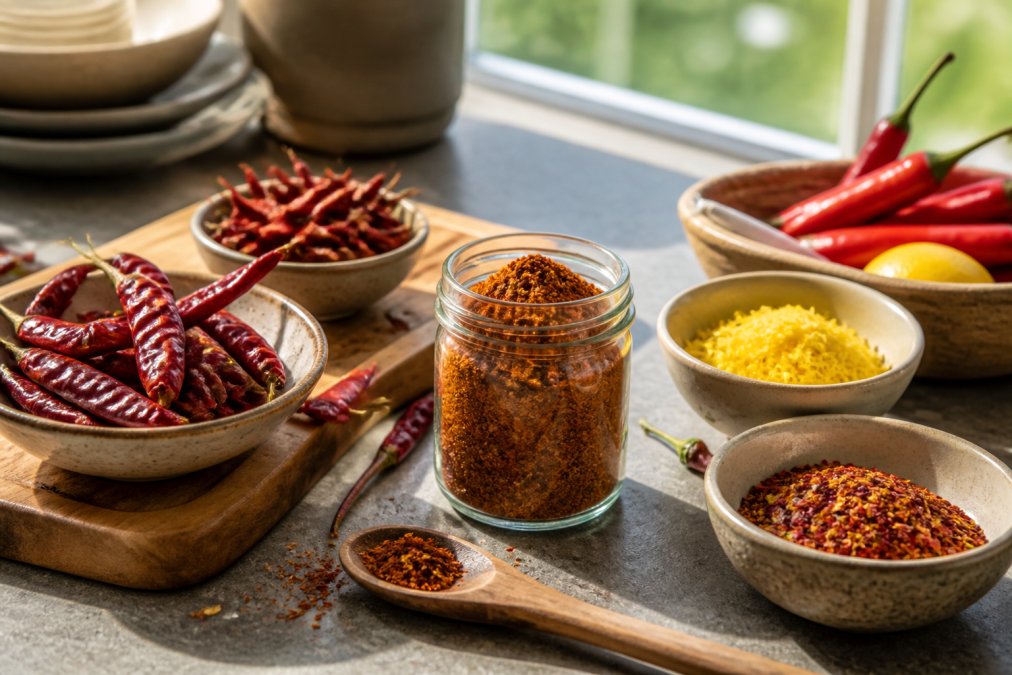
The chilli behind authentic peri peri is the African bird's eye, also called piri piri or African devil. It is a small, tapered, bright red pod roughly 2-3 cm long, and it rates around 50,000-175,000 SHU on its own. Blended with paprika, citrus and herbs, that heat is diluted down into the 30,000-70,000 SHU band most jars land in.
What you actually taste depends on which chilli goes in. A rough guide:
- African bird's eye (piri piri): 50,000-175,000 SHU, the traditional choice, sharp and fruity
- Cayenne: 30,000-50,000 SHU, widely available, cleaner, less fruity heat
- Red jalapeño or Fresno: 2,500-10,000 SHU, mild, sweeter, good for a family-friendly blend
- Habanero or Scotch bonnet: 100,000-350,000 SHU, used in some Caribbean-influenced versions, dramatically hotter
- Chipotle (smoked jalapeño): 2,500-8,000 SHU, adds smoke rather than serious heat
A common mistake is assuming hotter equals better. In practice, a mid-range heat lets the fruity and smoky notes come through instead of being flattened by capsaicin. If you want to lift the heat without wrecking the balance, add a small proportion of a hotter chilli rather than replacing the bird's eye entirely, swapping 1 part of the blend for habanero roughly doubles the perceived burn.
Heat also builds over time in a marinade. Capsaicin is fat-soluble, so oil-based marinades carry it deeper into meat than a dry rub, and a 24-hour marinade will taste noticeably hotter than a 2-hour one made from the same mix. If you are cooking for a mixed table, keep the dry blend at the milder end and offer a hotter chilli oil on the side.
The Flavour Profile: Fruity, Smoky, Zesty
Peri peri's defining character is a bright, layered flavour rather than pure heat. The blend balances four elements: fruity chilli, smoky paprika, sharp citrus, and savoury garlic and onion.
Traditional versions lean on lemon juice or lemon zest for acidity, which is why the seasoning tastes tropical rather than flat. Smoked paprika adds depth, and a touch of vinegar brings a tangy finish that makes the blend work as both a rub and a table condiment.
Where the blend comes from shapes how it tastes. Portuguese traders in southern Africa adapted local chilli sauces with ingredients they had to hand, and the result is a hybrid: African heat, Portuguese citrus and Mediterranean herbs. Regional variations still exist, some cooks add oregano and coriander seed, others keep it to four or five ingredients.
That flexibility is the point. Peri peri is a template, not a fixed recipe.
How to Make Homemade Peri Peri Spice Mix
Making your own peri peri spice mix takes about ten minutes and gives you control over heat and salt. The core method is simple: toast whole spices, grind them, then blend with dried chilli and citrus powder.
Start with dried chillies rather than fresh. Fresh chilli adds moisture that shortens shelf life and clumps the blend.
Ingredients and Ratios That Work
A reliable starting ratio, by volume:
- 4 parts dried red chilli flakes or ground bird's eye chilli
- 3 parts smoked paprika
- 1 part sweet paprika
- 1 part garlic granules
- 1 part onion powder
- 1 part lemon zest powder
- ½ part ground cumin
- ½ part ground coriander
- ½ part dried oregano
- ¼ part black pepper
- ¼ part sea salt
Adjust the chilli portion up or down to set your heat level. Everything else stays fixed.
Common Mistakes When Blending Your Own
The single biggest error is grinding everything at once in a hot blender. Friction heat cooks the paprika and dulls the flavour within seconds. Pulse in short bursts and let the machine rest.
Other frequent problems:
- Using stale spices. Ground spices lose potency over months, so smell each one before you commit.
- Skipping the salt balance. Too little salt makes the blend taste dusty; too much buries the citrus.
- Adding fresh garlic or lemon juice. Both introduce moisture and turn a dry rub into a paste that spoils quickly.
Peri Peri Seasoning Uses Beyond Chicken
Chicken is the headline act, but peri peri seasoning works anywhere you want heat with acidity. Its citrus and smoke notes suit seafood, vegetables and snacks, and because it is a dry blend, it doubles as the base for preserves and condiments that most guides ignore.
Everyday uses
- Prawns and white fish, where the lemon cuts through the sweetness
- Roasted sweet potato and charred greens
- Chips, popcorn and roasted nuts for a quick snack
- Lamb chops and pork belly, both of which handle bold spice well
- Stirred into mayonnaise or yoghurt for an instant dipping sauce
Preserving with peri peri
Regional variations
A note on nutrition
The Best Peri Peri Chicken Marinade Recipe
The best peri peri chicken marinade combines the dry seasoning with oil, acid and a little vinegar to carry the spices into the meat. The ratio matters more than the technique.
Mix:
- 2 tbsp peri peri seasoning
- Juice of half a lemon
- 2 tbsp oil
- 1 tbsp vinegar
Marinating Times and Cooking Methods
Marinate for a minimum of 2 hours and up to 24 for the deepest flavour. Anything under an hour barely penetrates the surface.
| Cooking Method | Marinating Time | Approx. Cook Time | Best For |
|---|---|---|---|
| Grill or barbecue | 4-24 hours | 25-35 min | Whole chicken, thighs |
| Oven roast | 2-12 hours | 35-45 min | Whole chicken, traybakes |
| Air fryer | 2-4 hours | 18-25 min | Wings, thighs, breast |
| Pan sear | 2-4 hours | 10-15 min | Breast, prawns |
Choosing a Quality Peri Peri Seasoning
A good peri peri seasoning lists real spices, not fillers. Read the ingredients and look for chilli, paprika, garlic, lemon and herbs near the top of the list.
Storing Your Seasoning for Maximum Freshness
Store peri peri seasoning in an airtight jar away from heat, light and moisture. A dark cupboard beats a shelf above the hob every time.
Frequently Asked Questions
What ingredients are typically in peri peri seasoning?
A classic peri peri blend combines smoked paprika, sweet paprika, cayenne pepper, garlic granules, onion powder, lemon zest powder, chilli flakes, cumin, coriander, oregano, black pepper and sea salt. Some versions add citric acid for extra tang. The balance of smoky, zesty and fiery notes is what defines the blend. You can adjust the chilli content to suit your heat tolerance without losing the characteristic fruity, tropical taste.
How does peri peri seasoning differ from other chilli-based blends?
Peri peri stands apart because of its citrus-forward profile. Where many chilli blends lean purely on heat, peri peri pairs capsaicin-rich chillies with lemon zest or citric acid, creating a tangy, fruity flavour alongside the burn. It also carries Portuguese and African culinary roots, giving it a distinct smoky-sweet character. That balance makes it versatile enough for chicken, seafood, vegetables and even popcorn, rather than being locked to one dish.
How can you balance the heat of peri peri seasoning in a dish?
If a blend runs too hot, add fat or acid. A spoonful of yoghurt, a squeeze of lemon or a drizzle of olive oil tempers the capsaicin without muting the flavour. You can also mix the seasoning into a marinade with honey or tomato puree, which rounds off the pungency. Start with less than you think you need, taste, then adjust. Heat builds as the seasoning sits, so err on the side of caution.
Is peri peri seasoning suitable for vegetarians and vegans?
Most dry peri peri blends are plant-based, made from ground spices, herbs, salt and citric acid. Always check the label for hidden ingredients like milk powder or anti-caking agents derived from animal sources. A straightforward mix of paprika, cayenne, garlic, lemon zest and herbs will be vegan-friendly. If you are buying a pre-made rub, look for a short ingredient list with no dairy or meat derivatives.
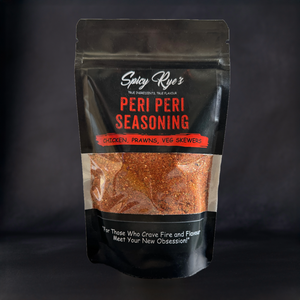
Peri peri seasoning rewards a little attention: pick a blend with real ingredients, control your heat level, and give the marinade time to work. Spicy Rye's makes that easy with a preservative-free blend built on smoked paprika, cayenne, garlic and lemon zest, versatile enough for chicken, prawns, chips or roasted veg. Get started with Spicy Rye's and bring bold, authentic flavour to every meal.