
Table of Contents
- What Peppers Are Used in Gourmet Hot Sauce
- Best Peppers for Hot Sauce by Heat Level
- Types of Chilli Peppers for Hot Sauce
- Flavour Profiles: From Fruity to Smoky
- Hot Sauce Pepper Combinations That Work
- How to Make Gourmet Hot Sauce with the Right Peppers
- Sourcing Premium Peppers and Creating Batch Consistency
- Culinary Pairings: Using Your Gourmet Hot Sauce
- Frequently Asked Questions
Last Updated: October 20, 2026
What Peppers Are Used in Gourmet Hot Sauce
The peppers you choose determine everything about peppers gourmet hot sauce: heat level, flavour profile, complexity, and culinary versatility all flow from this single decision. Most home cooks reach for whatever's at the supermarket and wonder why their sauce tastes generic. Selecting the right peppers for gourmet hot sauce, and understanding what each one brings to the bottle, is the difference between a forgettable condiment and something worth keeping on your shelf.
At Spicy Rye's, we've built our entire collection around this principle. Our sauces start with thoughtful pepper selection because capsaicin alone doesn't make great sauce, flavour does. A truly gourmet hot sauce balances heat with aromatics, fruity notes, smoky undertones, and culinary complexity.
This guide covers the peppers serious sauce makers use: heat levels in Scoville Heat Units, the botanical characteristics that separate pepper families, and the flavour profiles worth seeking out.
Best Peppers for Hot Sauce by Heat Level
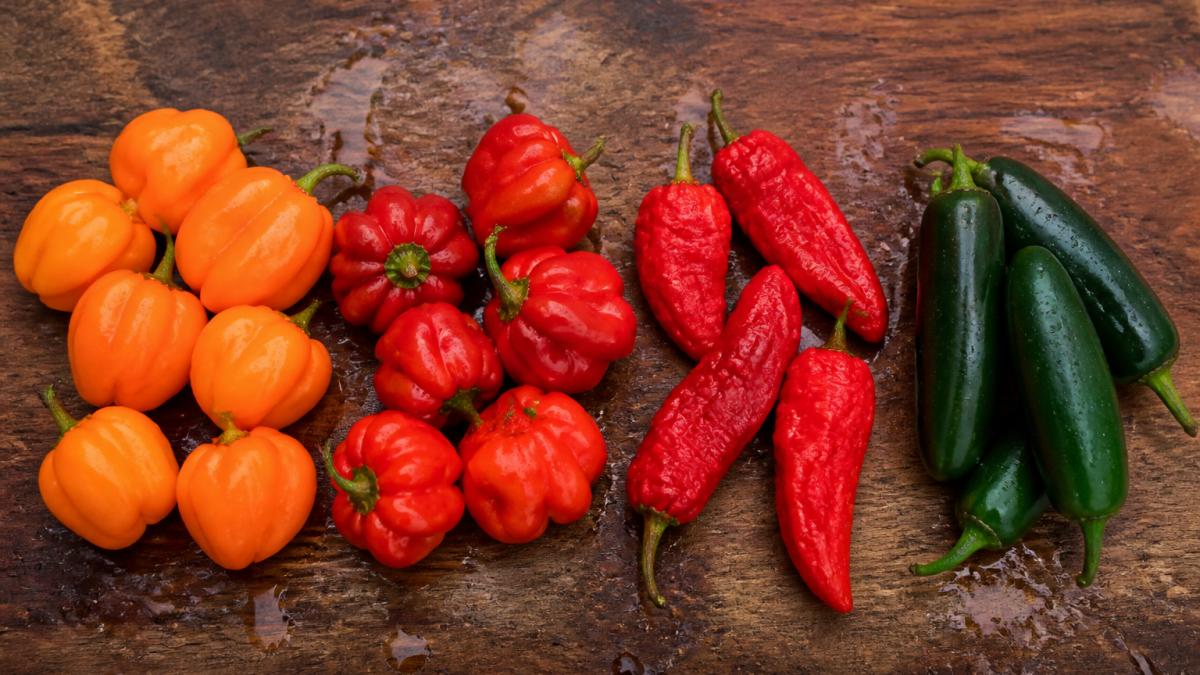
Heat is measured in Scoville Heat Units, from mild bell peppers at 0 SHU to Carolina Reapers at over 2 million SHU. Knowing where your peppers sit on this spectrum lets you build sauce with intentional heat rather than accidental fire.
Mild to Medium: Jalapeño and Serrano
Jalapeños deliver 2,500-8,000 SHU with a fresh, grassy flavour that works across cuisines. They're the entry point for home sauce makers: forgiving, widely available, and genuinely delicious, subtle enough for heat-shy eaters, bold enough for serious cooks.
Serranos sit hotter at 10,000-23,000 SHU but keep that bright, vegetal character. Thinner-walled than jalapeños, they ferment faster and develop more complex flavour. For a lacto-fermented sauce, serranos give faster flavour development without extreme heat.
Both work beautifully in vinegar-based sauces where acidity balances their heat, across breakfast dishes, grilled meats, marinades, even desserts that need a savoury kick.
Hot: Habanero and Scotch Bonnet
Habaneros (100,000-350,000 SHU) are where gourmet sauce making gets interesting. They bring fruity notes, citrus, apricot, tropical undertones, that elevate sauce beyond simple heat. The Habanero Vinegar from Spicy Rye's captures this perfectly, infusing those fruity notes into a tangy base that works on everything from salad dressings to marinades.
Scotch Bonnets sit in a similar heat range (100,000-350,000 SHU) but with even more pronounced tropical character, making them the pepper of choice for Caribbean-inspired sauces. A Scotch Bonnet Vinegar brings a vibrant, fiery punch that transforms roasted vegetables and Caribbean-inspired dishes. The botanical characteristics of capsicum chinense varieties like the Scotch Bonnet create the distinctive fruity aromatics that separate gourmet sauce from commodity hot sauce.
Both peppers require respect in the kitchen: wear gloves, work in ventilation, and never touch your eyes. The flavour payoff justifies the caution.
Extreme: Ghost Pepper and Super-Hots
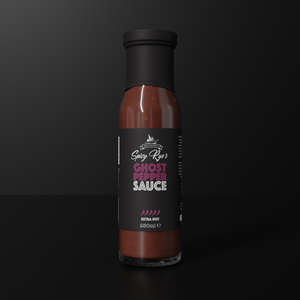
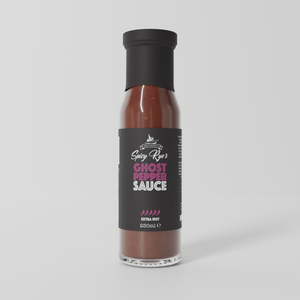
Ghost peppers (Bhut Jolokia) clock in at 855,000-1,041,427 SHU. They're not for casual use, but they're not just heat for heat's sake: they bring smoky, fruity complexity beneath the intense pungency. Our Ghost Pepper Sauce delivers that intensity, designed for the bold and brave who want the pure thrill of ghost pepper in every drop.

Super-hot peppers like Carolina Reapers and Trinidad Scorpions exceed 1.5 million SHU. At this level you're making a concentrated heat source for spice enthusiasts, requiring careful handling and precise fermentation or vinegar balancing to stay palatable.
The mistake most people make with extreme peppers is using them as the sole ingredient. Heat alone becomes one-dimensional. The best gourmet hot sauce blends super-hots with milder peppers, aromatics, and careful acid balance to create something that burns without obliterating flavour.
Types of Chilli Peppers for Hot Sauce
Capsicum Annuum Varieties
Capsicum annuum encompasses jalapeños, serranos, cayennes, and many other familiar peppers. These workhorses of sauce making are reliable, widely available, and offer moderate heat with good flavour. Cayennes (30,000-50,000 SHU) bring clean, straightforward heat with minimal fruity character, perfect where you want heat without complexity.
Annuum peppers have thicker walls than their chinense cousins, so they dry well and ferment more slowly.
Annuum varieties are ideal for vinegar-based sauces: their structure holds up to acid.
Capsicum Chinense Varieties
Capsicum chinense peppers, habaneros, Scotch bonnets, ghost peppers, superhots, are the gourmet choice: hotter, more complex, and more temperamental than annuum varieties. Their thin walls ferment quickly, developing intense aromatics and pronounced, distinctive fruity notes.
Chinense peppers demand respect in fermentation: they develop off-flavours if temperature swings too dramatically or pH isn't monitored carefully.
Growing your own chinense peppers is worth the effort if you're serious about sauce making.
Flavour Profiles: From Fruity to Smoky
The best gourmet hot sauce isn't about heat. It's about flavour balance. Different peppers contribute different sensory notes, and understanding these profiles lets you build sauce with intention.
Fruity notes come primarily from capsicum chinense peppers, habaneros, Scotch bonnets, ghost peppers, where apricot, citrus, and tropical undertones appear naturally and intensify during fermentation. For seafood or lighter dishes, fruity peppers are your foundation. Preserving these complex profiles requires careful attention to moisture and light, which makes the nuances of storing dried chillies essential for maintaining the integrity of your ingredients.
Smoky undertones emerge from roasting peppers before fermentation or sauce-making; the Maillard reaction creates depth raw peppers can't deliver. A small percentage of smoked peppers blended with fresh ones adds sophistication without overwhelming.
Earthy character comes from pepper maturity and fermentation length. Fully ripe peppers (often red rather than green) deliver more earth and less vegetal bite.
The culinary balance is everything. A sauce that's all heat and no flavour is a novelty; one that balances heat, aromatics, and complementary flavours becomes something people actually use.
Hot Sauce Pepper Combinations That Work
Single-pepper sauces have their place, but the most interesting gourmet hot sauce comes from thoughtful blending that layers heat levels and balances flavour profiles.
A classic combination pairs habanero (fruity, hot) with jalapeño (fresh, mild). The jalapeño carries volume and brightness, while the habanero adds complexity and heat. The ratio matters, typically 70% jalapeño to 30% habanero creates balance without overwhelming the fresh character.
For deeper complexity, blend ghost pepper with habanero and a touch of smoked cayenne: the ghost brings intense heat and smoky notes, the habanero adds fruity aromatics, and the cayenne rounds it out with clean heat. This works beautifully in fermented sauces where the three develop different flavour extraction profiles over time.
Scotch bonnet with serrano creates a Caribbean-inspired profile. The serrano's brightness plays against the Scotch bonnet's tropical character. Add a touch of lime juice and you've got something that transforms grilled fish or chicken.

The key to successful combinations is understanding what each pepper contributes. Don't mix randomly; choose peppers whose characteristics complement each other. This is how you move from "hot sauce" to peppers gourmet hot sauce.
How to Make Gourmet Hot Sauce with the Right Peppers
Selecting and Preparing Your Peppers
Start with peppers at peak ripeness: fully ripe peppers deliver more complete flavour, and reds have developed more sugars and complexity than green. Look for consistent colour, firm texture, and no soft spots.
Wash peppers thoroughly and pat dry. Remove the stem end. You can leave seeds in or remove them depending on desired heat level, seeds carry significant capsaicin. For most gourmet sauces, leaving seeds in maintains the pepper's full character.
Weigh your peppers: batch consistency depends on accurate ratios. If blending varieties, weigh each separately so you can replicate your formula, a 70% habanero, 30% serrano blend needs those proportions every time.
Consider roasting 20-30% of your peppers before fermentation or blending, roasting develops smoky undertones and adds depth.
Fermentation vs. Vinegar-Based Methods
Fermentation and vinegar-based methods produce fundamentally different sauces, so choose the approach that suits your peppers.
Fermentation is a lacto-fermented process where naturally occurring bacteria break down pepper sugars over weeks or months, developing complex flavours and shelf-stable preservation. Fermented sauces tend toward earthy, complex, deeply flavoured profiles.
Vinegar-based sauces are faster and more straightforward: blend peppers with vinegar, aromatics, and salt, then bottle. The acidity provides preservation and brightness, giving sharper, brighter profiles. The Habanero Vinegar and Scotch Bonnet Vinegar from Spicy Rye's showcase how vinegar captures fruity pepper character while maintaining immediate shelf stability.

For vinegar-based sauces, blend roasted peppers with vinegar (typically a 1:1 ratio by volume), add salt to taste, and bottle. No waiting required.
Balancing Acidity and Heat
pH balance is critical for safety and flavour.
Vinegar naturally drops pH.
But pH is only half the equation. A sauce can be safely acidic and still taste harsh.
Taste as you blend. Add vinegar gradually if you're building a vinegar-based sauce. Add salt in small increments. The goal is sauce that tastes intentional, not sour or one-dimensional.
Sourcing Premium Peppers and Creating Batch Consistency
Finding consistently high-quality peppers is harder than most people expect.
Growing your own is the ultimate control, but quality growers exist if you know where to look.
Culinary Pairings: Using Your Gourmet Hot Sauce
The best sauce is one you actually use. Knowing where gourmet hot sauce belongs in your cooking transforms it from novelty to pantry staple.
Fruity habanero-based sauces pair beautifully with seafood, grilled fish, and light proteins. The fruity notes complement rather than overpower delicate flavours. A habanero sauce on grilled shrimp or ceviche elevates without dominating.
Smoky ghost pepper sauce works on grilled meats, barbecue, and rich dishes. The smoke and intense heat cut through fat and add complexity. Use it sparingly, a small amount delivers significant impact.
Bright, fresh jalapeño or serrano sauces belong on breakfast dishes, tacos, and casual weeknight meals. Their accessibility and straightforward heat make them everyday condiments rather than special-occasion additions.
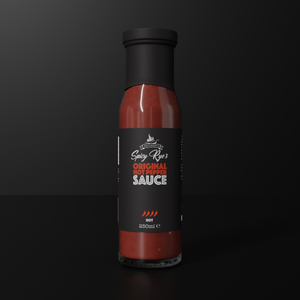
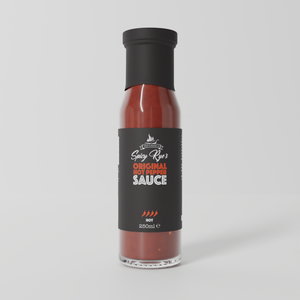
The Original Hot Pepper Sauce from Spicy Rye's exemplifies versatility. Its strong flavour complements beef, chicken, and vegetable tacos equally well. Use it as a marinade for grilled meats, a finishing glaze for roasted vegetables, or a breakfast boost on scrambled eggs. The culinary application is genuinely broad because the sauce balances heat with flavour.
Think about heat and flavour together. A super-hot sauce needs careful application on dishes that can handle it; a medium-heat sauce with excellent flavour belongs on everything. Pepper selection isn't just choosing heat, it's choosing how your sauce fits into actual cooking.
The peppers you choose determine whether your hot sauce becomes a pantry staple or a novelty that sits unused. Gourmet hot sauce starts with understanding pepper varieties, heat levels, and flavour profiles, then using that knowledge to build something that tastes intentional. At Spicy Rye's, we've built our entire range around this principle. Our sauces start with thoughtful pepper selection and careful technique. Whether you're exploring fruity habanero profiles, intense ghost pepper heat, or balanced jalapeño brightness, you'll find the right sauce to elevate your meals. Explore our collection and discover how the right peppers transform your cooking.
Frequently Asked Questions
What peppers are commonly used in gourmet hot sauce?
Gourmet hot sauces typically feature peppers with distinct flavour profiles rather than just heat. Habanero and Scotch Bonnet peppers bring fruity, tropical notes; ghost peppers deliver extreme Scoville Heat Units for bold sauces; and jalapeños offer milder, grassy undertones. Many artisanal makers blend multiple varieties, combining capsicum annuum and capsicum chinense types, to achieve complexity and balance. The best choice depends on your target heat level and desired flavour extraction.
Can you mix different peppers in a hot sauce?
Yes, blending peppers is essential for gourmet hot sauce. Mixing varieties allows you to layer heat and flavour: pair jalapeños for body with habaneros for fruity notes, or combine ghost peppers with milder types to control pungency. This approach creates culinary balance.
How do you choose peppers for the heat level you want?
Scoville Heat Units (SHU) measure capsaicin content and determine heat intensity. Jalapeños range from 2,500-8,000 SHU; habaneros 100,000-350,000 SHU; ghost peppers exceed 1 million SHU. For beginners, start with serrano or jalapeño-based sauces. For true heat seekers, ghost pepper sauces deliver intensity.
Are fresh or dried peppers better for hot sauce?
Both work, but serve different purposes. Fresh peppers preserve bright, fruity notes. Dried peppers concentrate heat and create deeper, smoky undertones.